


Secondary sourceSculpture1856-1902
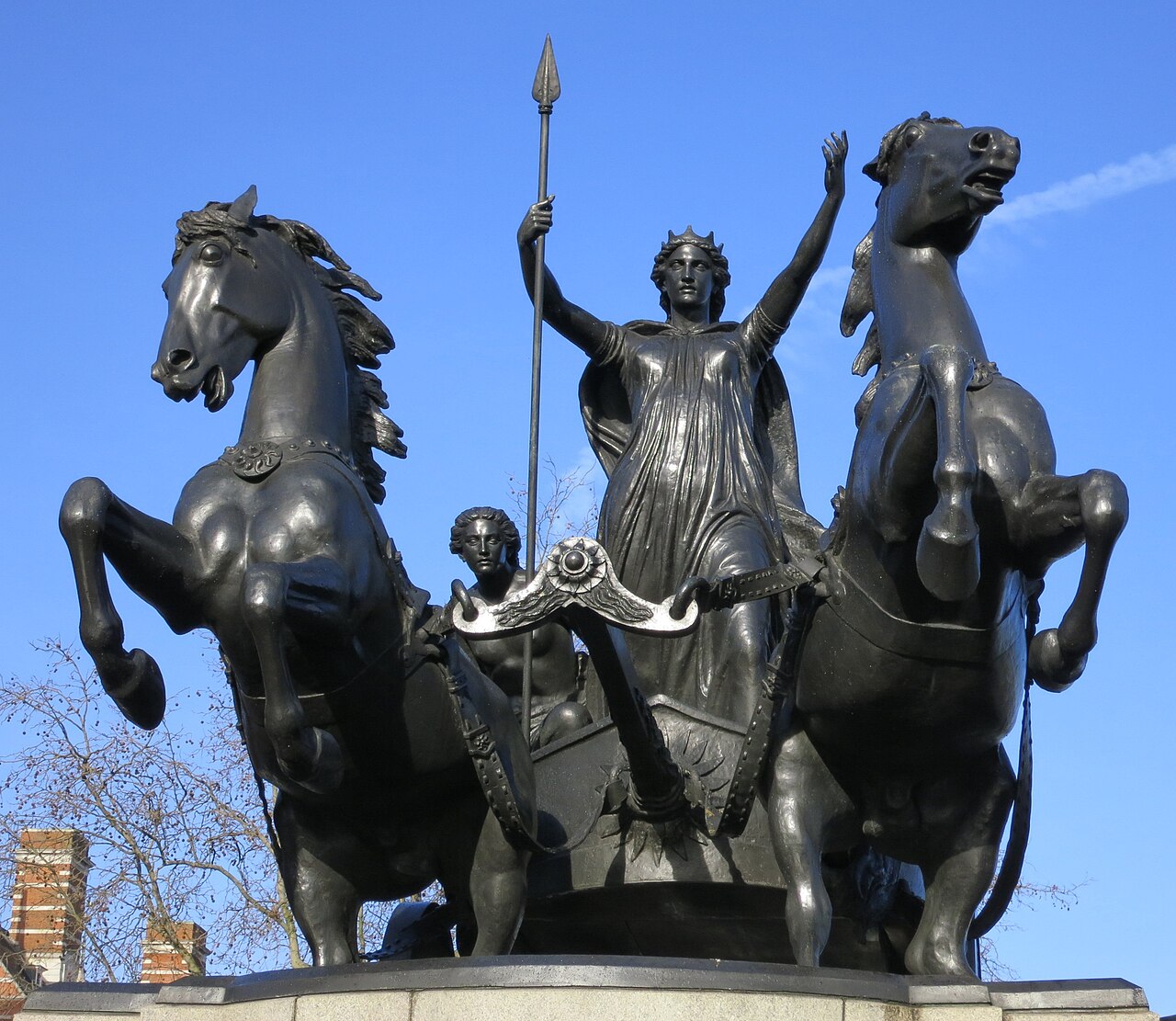
Boadicea and Her Daughters
Thomas Thornycroft · 1856-1902
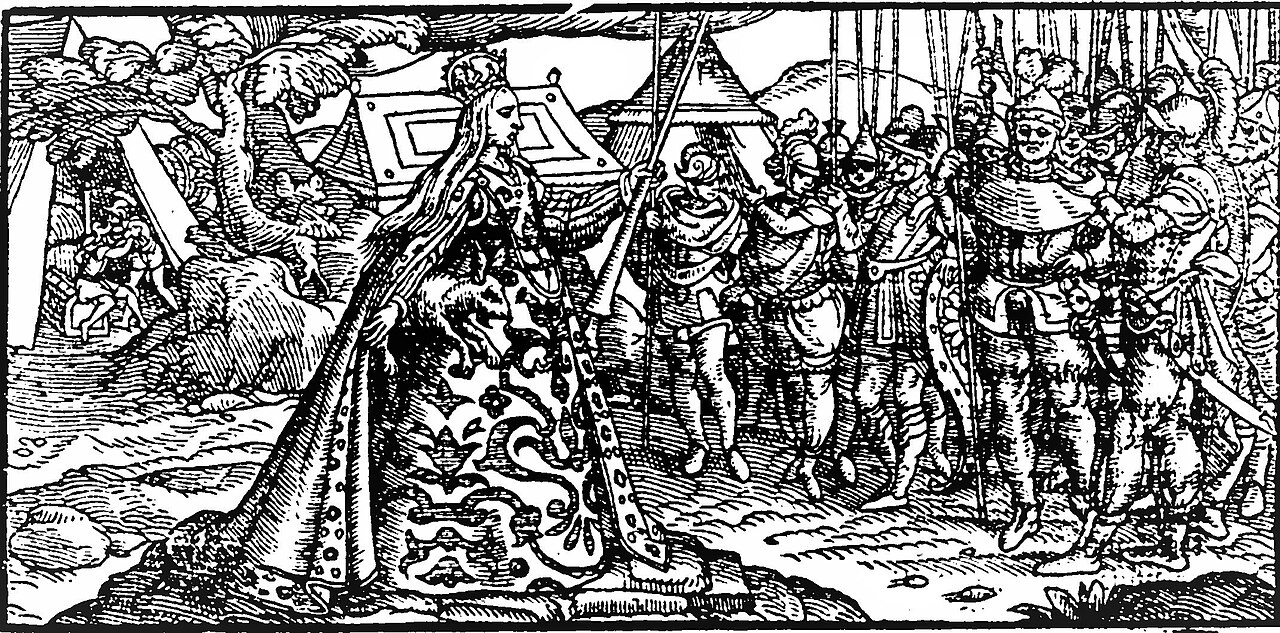
A Victorian bronze sculpture near Parliament in London showing Boudica with her daughters in a scythed chariot, the defining image of her as a heroine.
A later monument that shaped how Boudica has been remembered as a British heroine, especially in the Victorian era.
About this source
What it is
This bronze sculptural group, near Westminster Bridge in London, shows Boudica, queen of the Iceni, with her two daughters in a chariot drawn by two rearing horses. It was begun by the sculptor Thomas Thornycroft in 1856, continued with help from his son Hamo Thornycroft, and finished by his wife, the sculptress Mary Thornycroft, after his death. It was not installed in its current spot until 1902.
Why it matters
Commissioned with the involvement of Queen Victoria and Prince Albert, the statue reflects how Victorians compared Victoria to Boudica. It later became a rallying point for the women's suffrage movement. The design is a Victorian imagining of the queen, not a historical record: the chariot is based on Roman models rather than native British ones.
Look closer
- Why might Victorians have wanted to connect their own queen to an ancient British one?
- What choices did the sculptors make that are imagined rather than historically known?
- Why did this statue later matter to the women's suffrage movement?
This sculpture is part of the curated material that grounds the AI version of Boudicca on Humy.ai — when students ask about related events, the AI can quote it and cite it.
More Boudicca sources
Browse all 64 → Book
Secondary source
Annals
Tacitus · c. AD 116 or later
 Artifact
Primary source
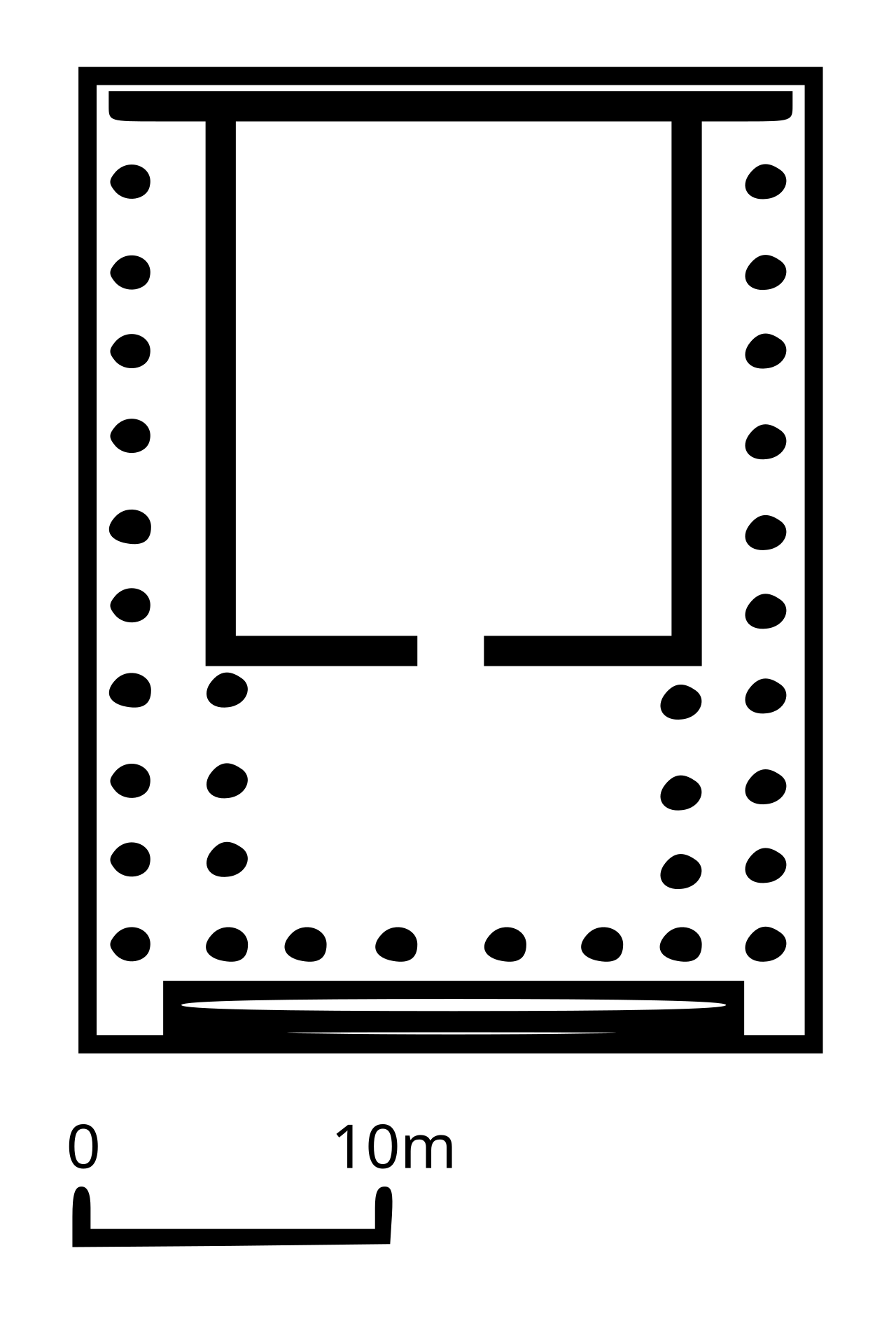
Temple of Claudius in Colchester
49-60 AD
 Sculpture
Primary source
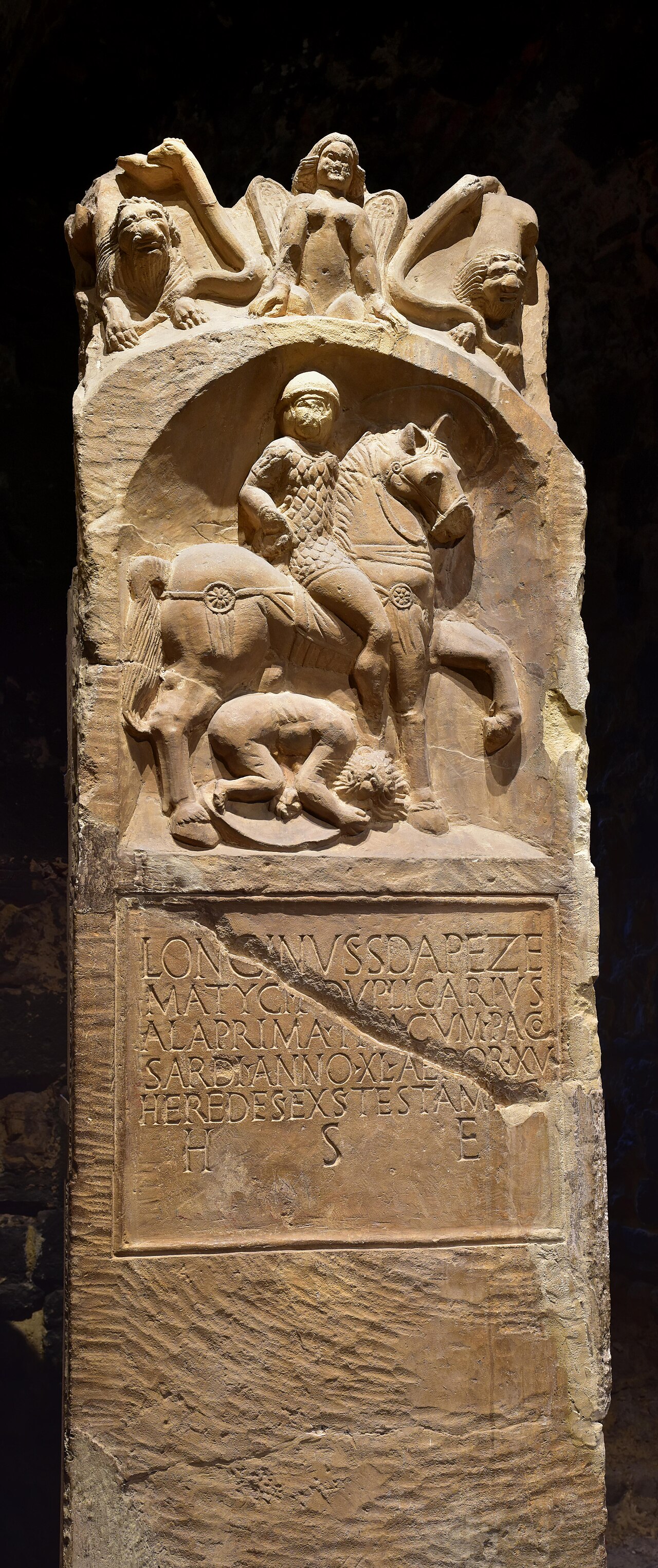
Tombstone of Longinus Sdapeze
c. AD 43-55
 Artifact
Primary source
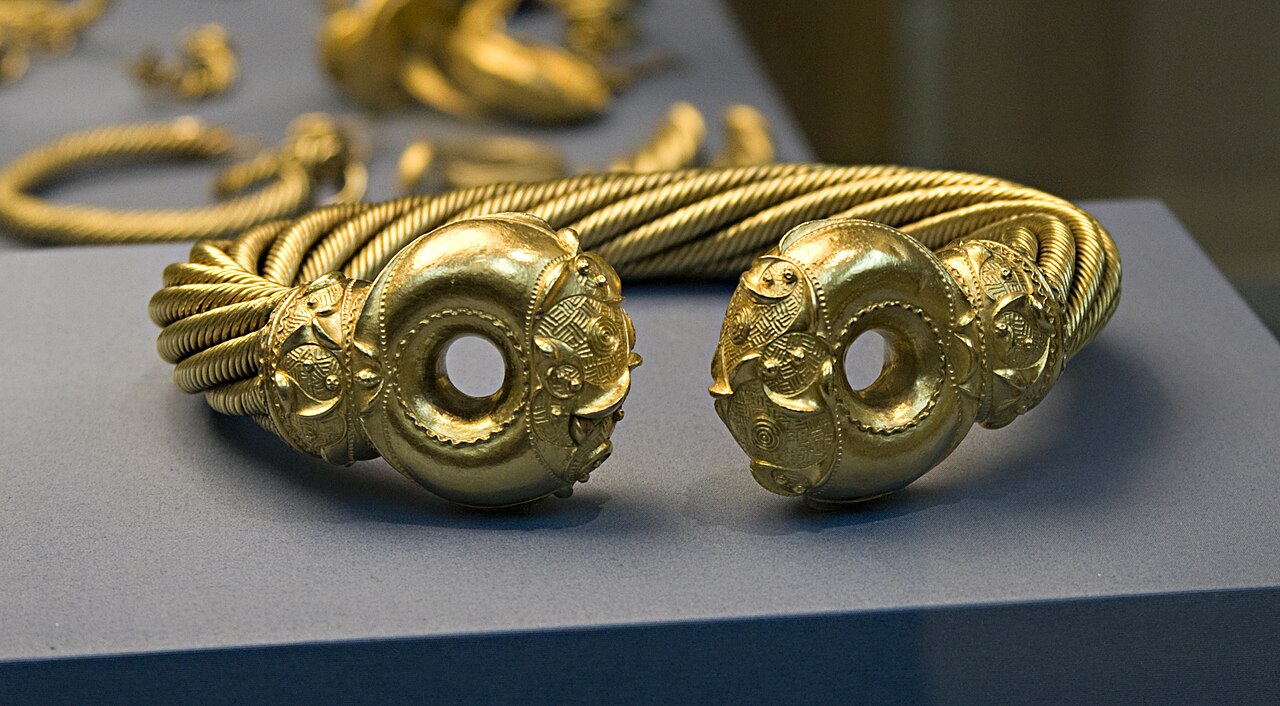
Great Torc from Snettisham
c. 75 BC
Free account
Read every Boudicca source
Sign up free →
Ready when you are
Start chatting with Boudicca now.
20 messages free · No credit card · Available in 50+ languages.