


Primary sourceArtifact9th–10th century
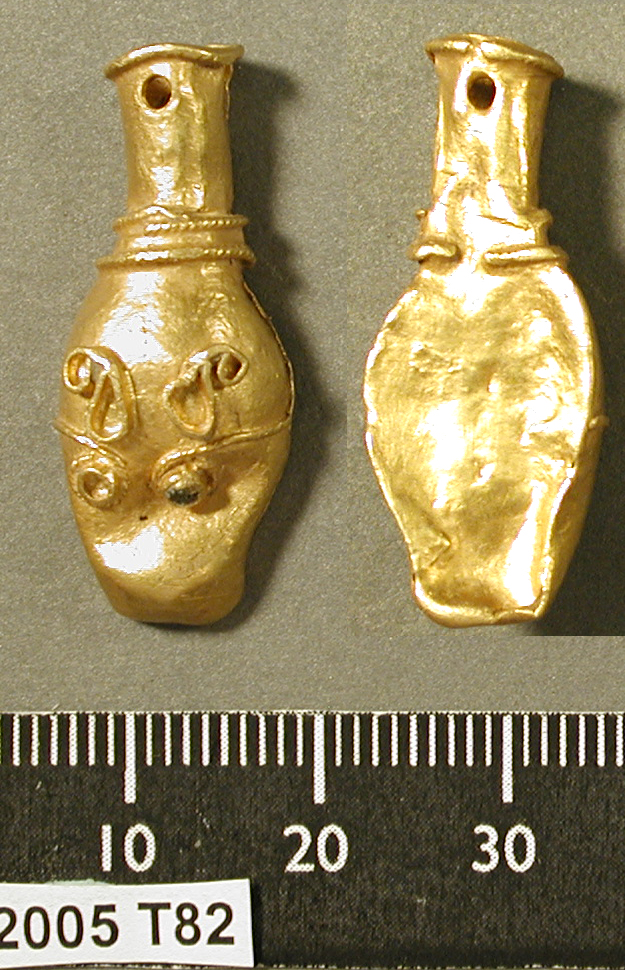
Bowleaze Jewel
9th–10th century
A small gold and glass ornament found in Dorset, likely part of a pointer like the famous Alfred Jewel linked to Alfred's reign.
A gold object possibly linked to Alfred's program of distributing pointers alongside translated books for learning.
About this source
What it is
This gold object, decorated with beaded wire, granulation, and a blue glass stone, was found at Bowleaze Cove near Weymouth, Dorset. It dates from the 9th–10th century and is held today in the British Museum. It is shaped like an animal head and was probably the terminal of an aestel, a kind of pointer used with books.
Why it matters
This jewel belongs to a small group of similar objects, including the famous Alfred Jewel, which is inscribed with words linking it to Alfred's order to send out pointers alongside copies of a book he had translated. Together these objects give evidence of the culture of learning Alfred promoted.
Look closer
- What details suggest this object was carefully and skillfully made?
- Why might a king want to distribute objects like this across his kingdom?
- What can small, precious objects like this tell historians that written records cannot?
This artifact is part of the curated material that grounds the AI version of Alfred the Great on Humy.ai — when students ask about related events, the AI can quote it and cite it.
More Alfred the Great sources
Meet the AI Alfred the Great →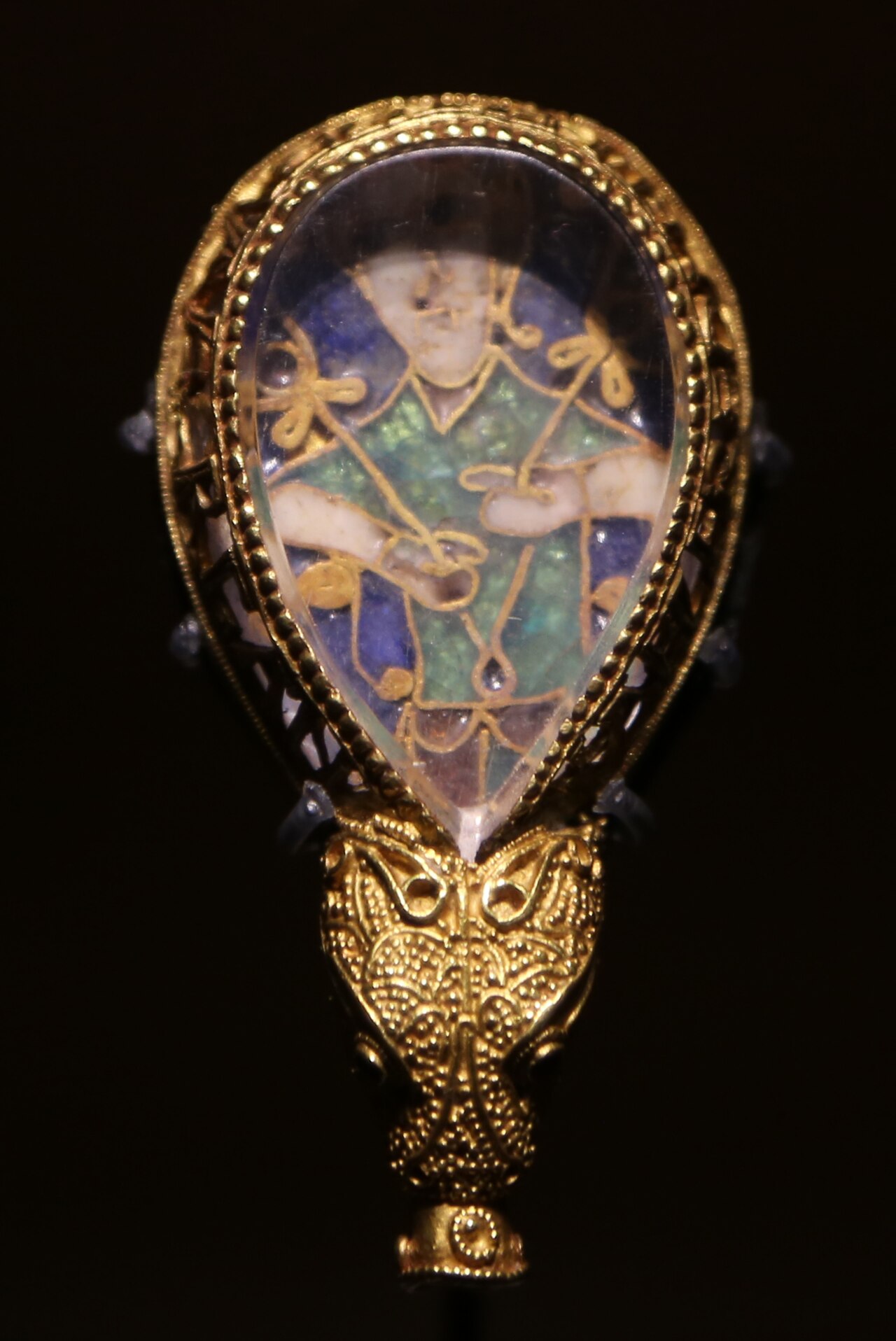
Ready when you are
Start chatting with Alfred the Great now.
20 messages free · No credit card · Available in 50+ languages.