



Dr. Michael Calvert
Assistant Superintendent, South Allegheny School District, Pennsylvania
Been using Humy in his district since 2024
“We enjoyed the program last year and used it frequently.”

AI Historical Figure
King of Wessex who successfully defended his kingdom against Viking invasions and is known for his efforts to promote education and literacy.
Chat with Alfred the Great via text or voice — in 42 languages, drawing on a curated biography and 92 historical sources. Available 24/7.

Alfred the Great
Online · responds in seconds
Hello — I'm Alfred the Great. King of Wessex who successfully defended his kingdom against Viking invasions and is known for his efforts to promote education and literacy. What would you like to ask me?
20 messages free · No credit card · Powered by Humy.ai
Live preview · Switch between 42 languages above · Send a message to continue in the app
Multilingual
Ask Alfred the Great questions in any language below, and the rest of Humy's app speaks it too. Pick yours to open the chat in that language.
Also in German (Austria), German (Switzerland), English (UK), English (Australia), English (Canada).
92 sources · 31 books · 27 paintings · 21 artifacts · 7 documents · 6 sculptures
Alfred the Great doesn’t improvise from thin air. The AI is grounded in 92 curated historical sources students can inspect. Open any of them to see what informs the conversation.
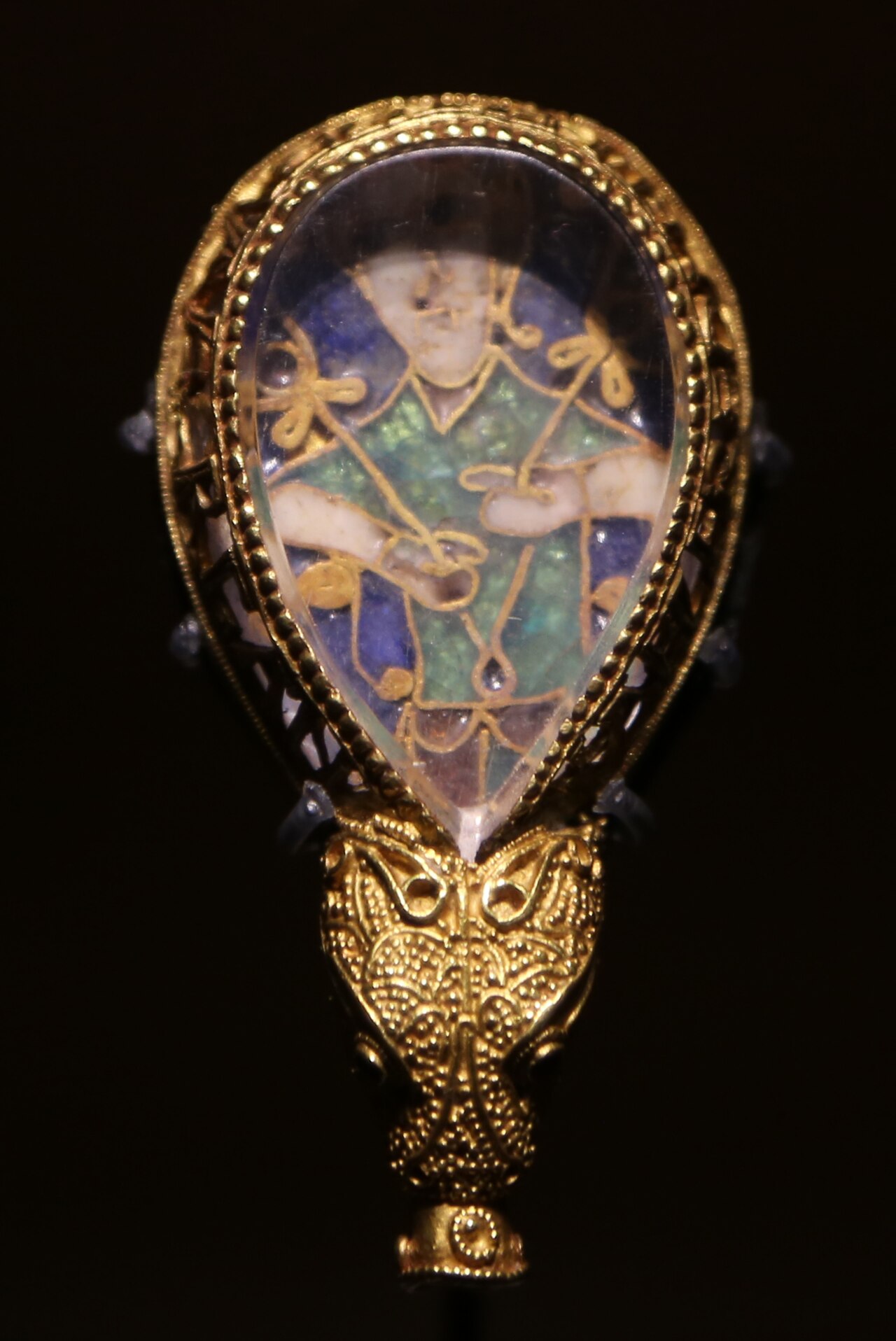 Artifact
Primary source
c. 900
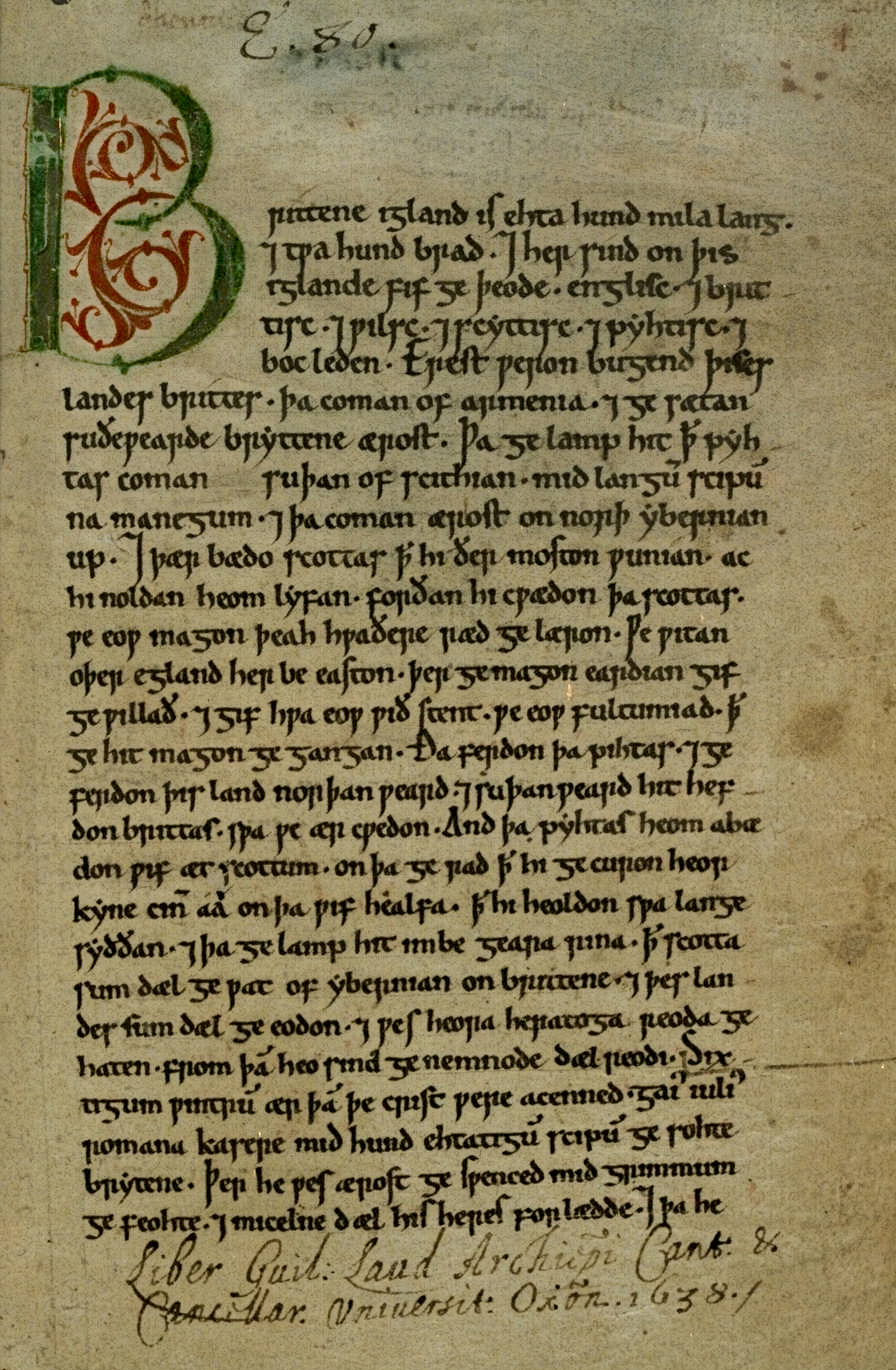 Document
Primary source
c. 890 (Common Stock)
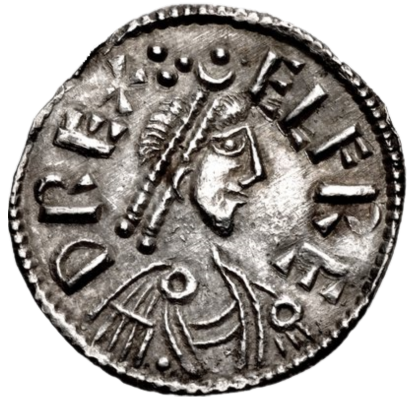 Artifact
Primary source
c. 875-880
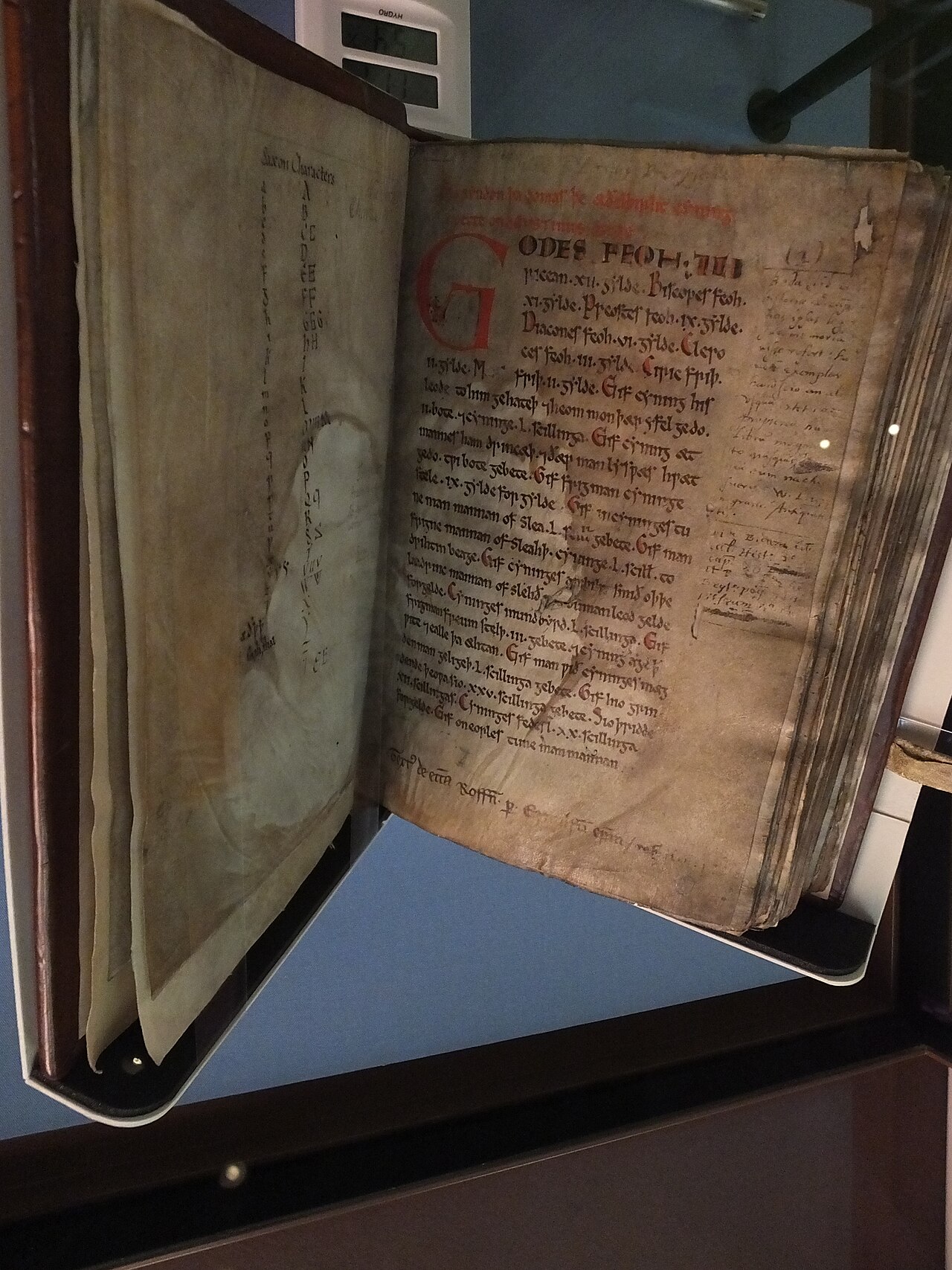 Document
Secondary source
c. 1300 (this copy; text 1122-1124)
 Book
Secondary source
c. 890–950
Primary source
Alfred the Great · c. 900
 Book
Secondary source
c. 900
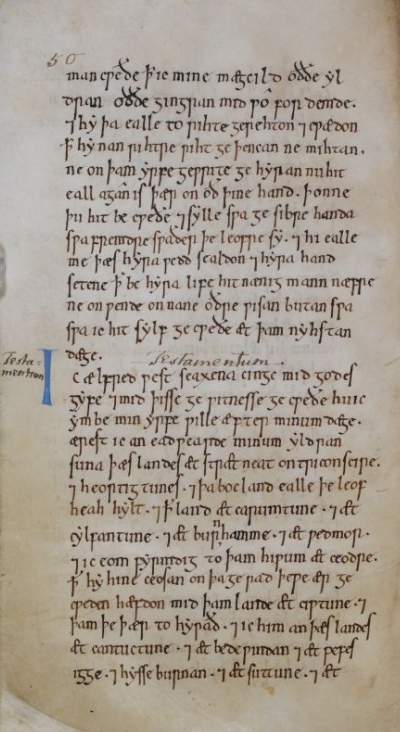 Document
Primary source
Alfred the Great · c. 873–888
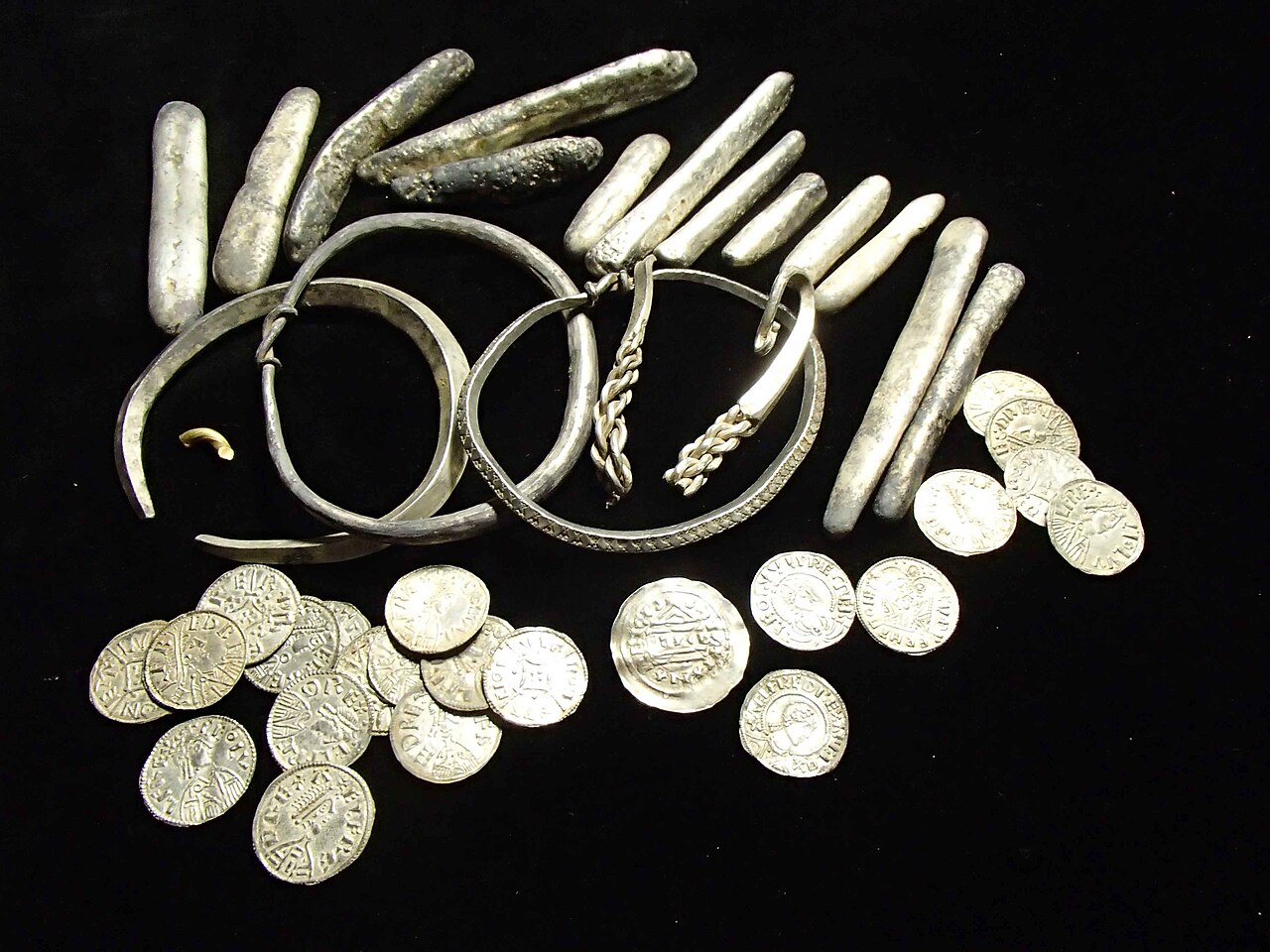 Artifact
Primary source
c. 870s
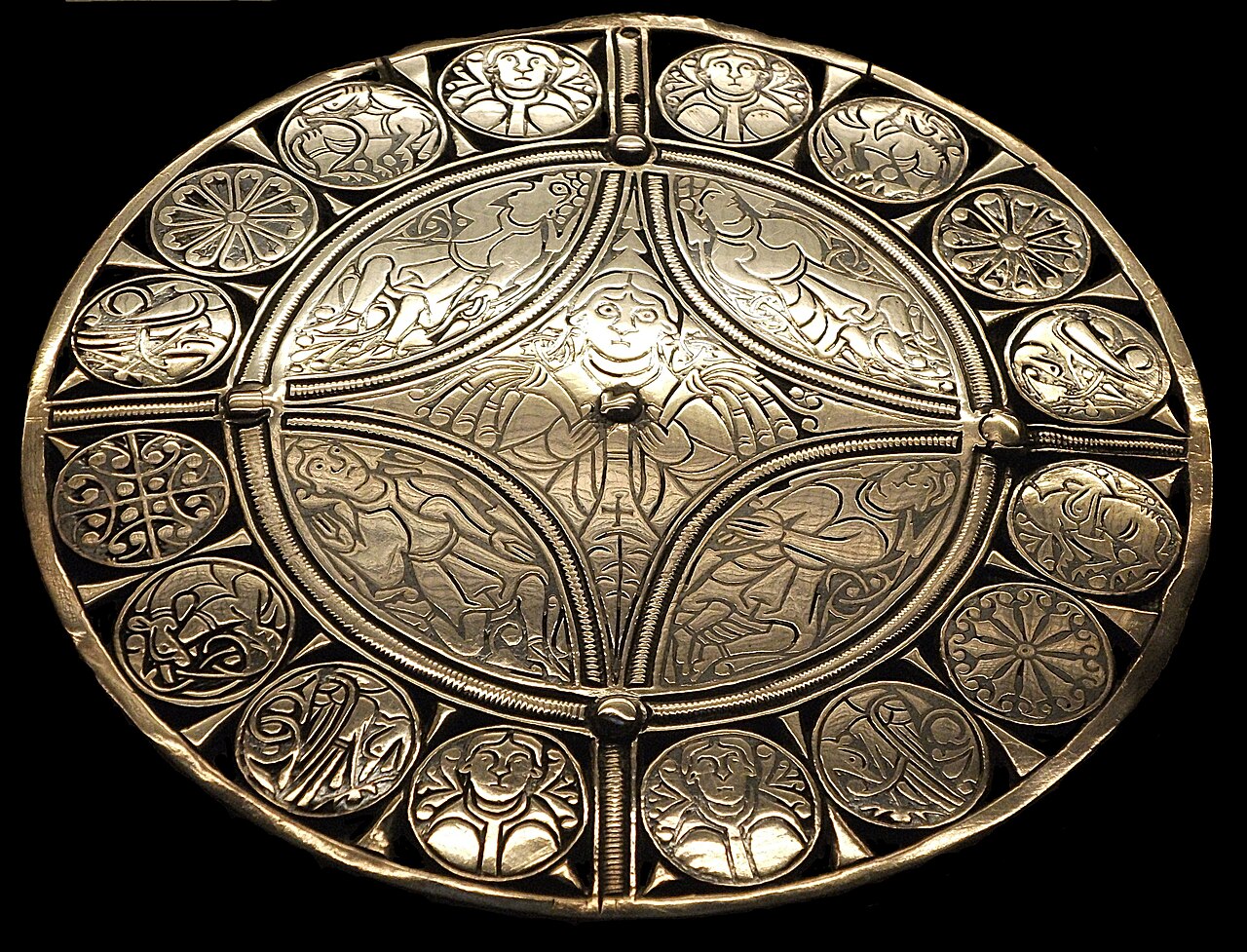 Artifact
Primary source
late 9th century, dated 900
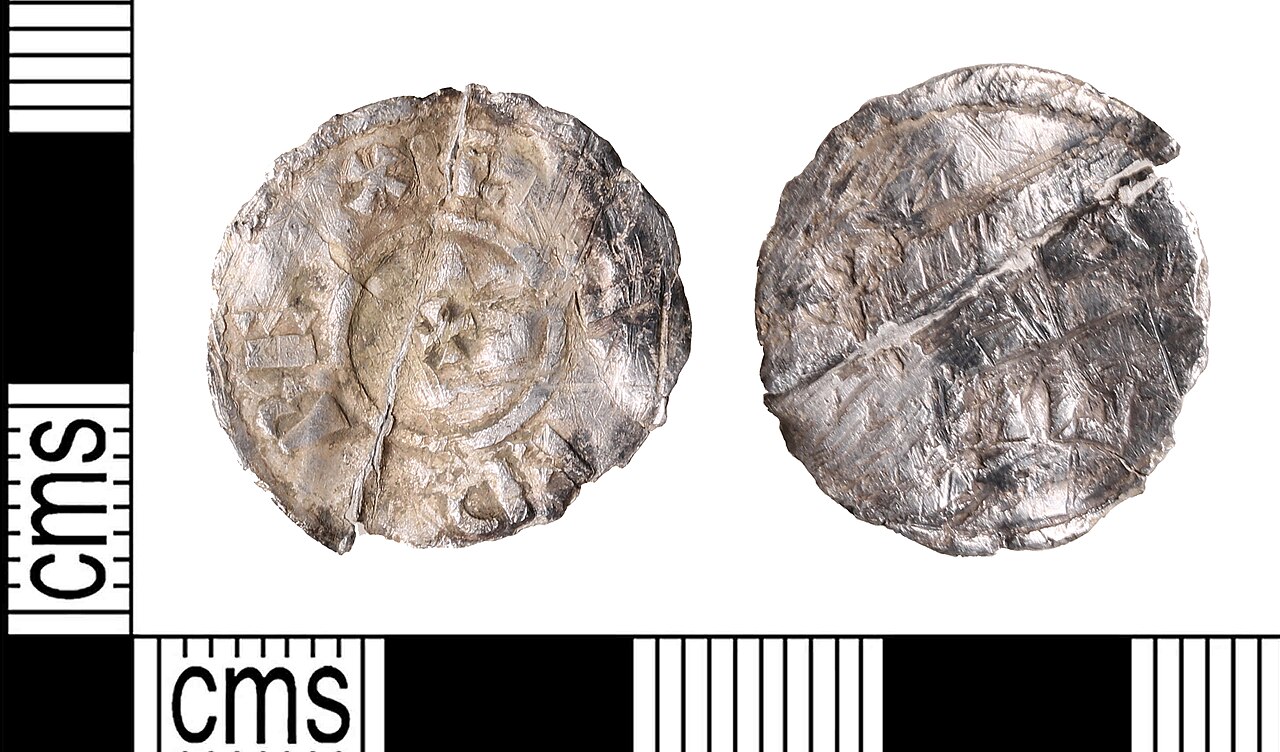 Artifact
Primary source
Moneyers of Alfred the Great · c. 880–899
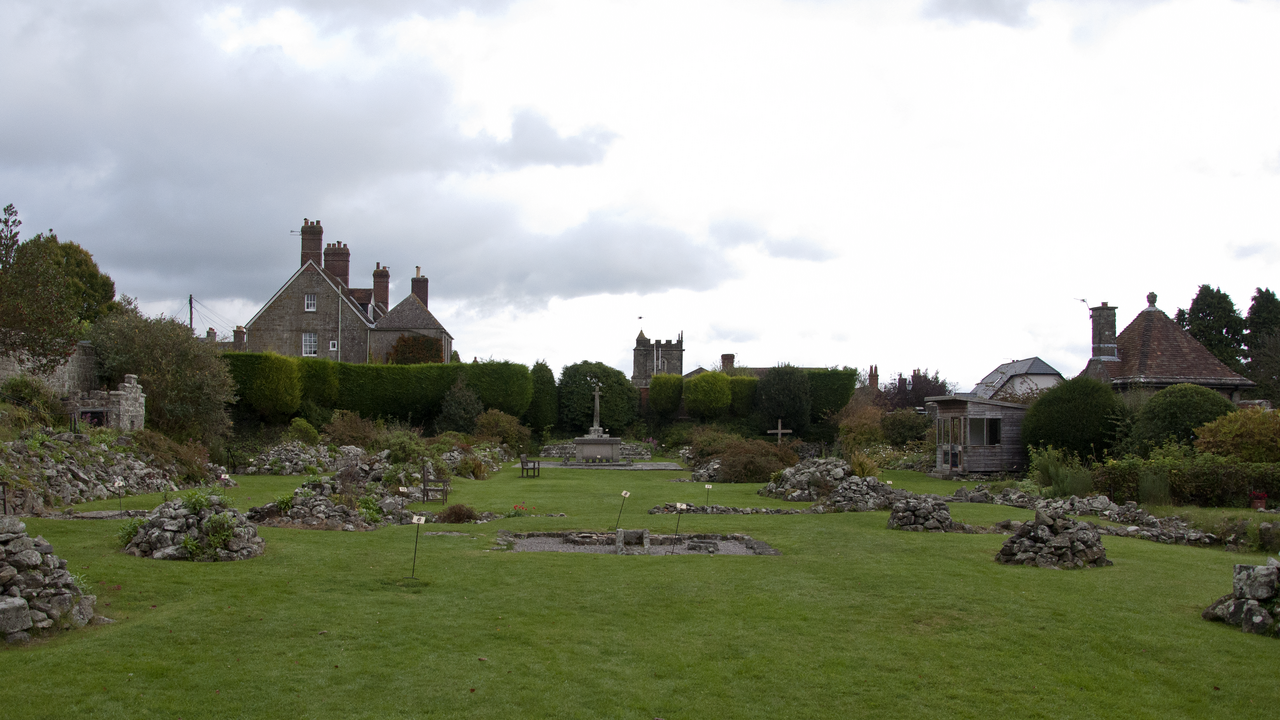 Artifact
Primary source
c. 888
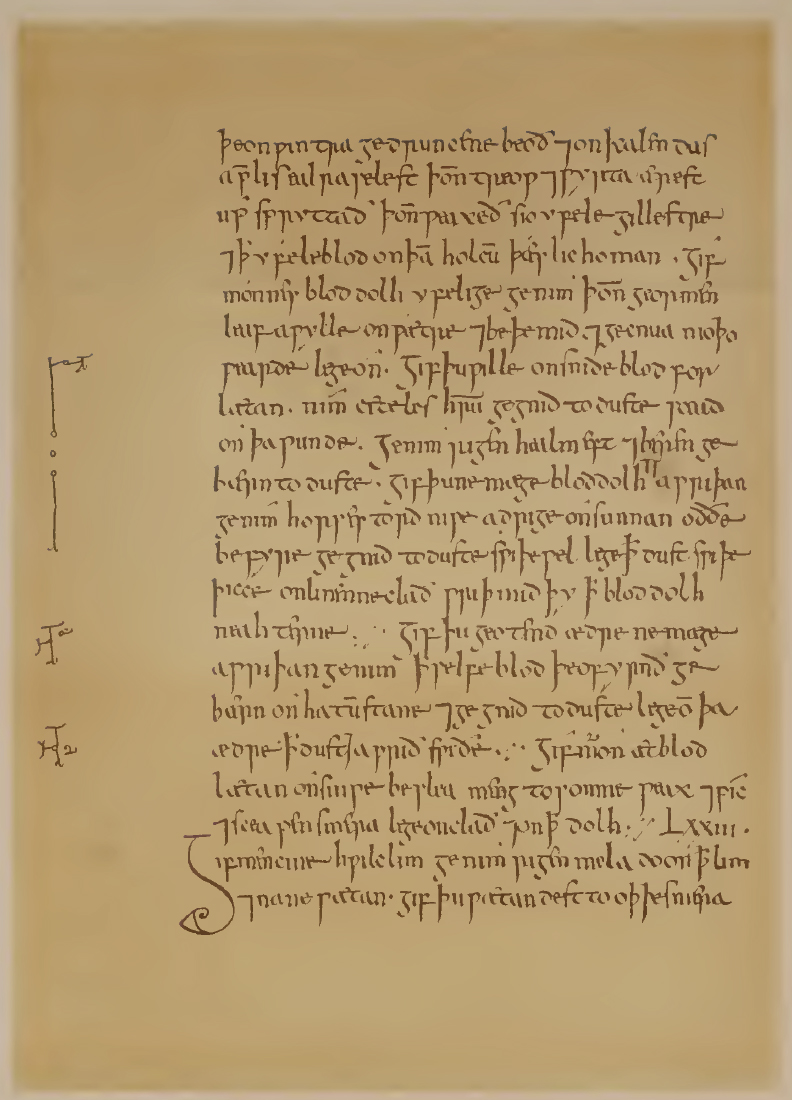 Book
Secondary source
Cild (scribe, for Bald) · mid-10th century (manuscript); association with Alfred c. 880s
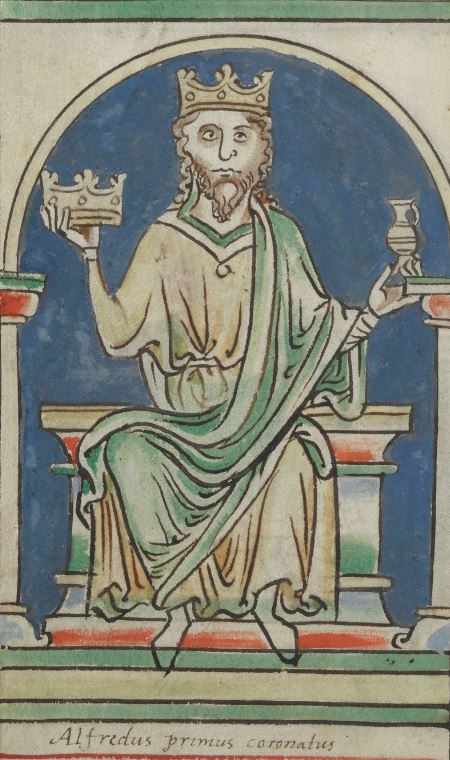 Painting
Secondary source
Matthew Paris · 13th century
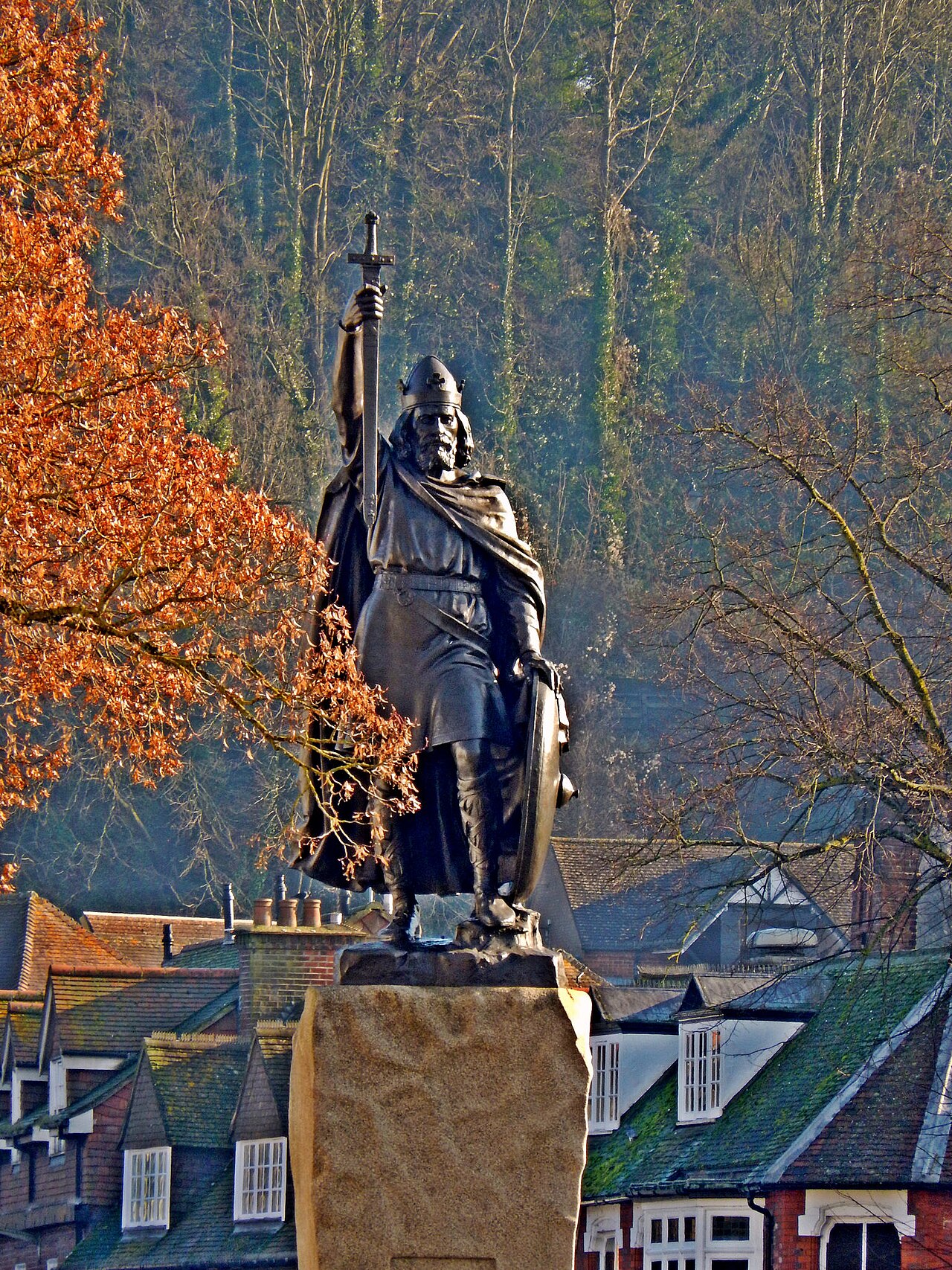 Sculpture
Secondary source
Hamo Thornycroft · 1901
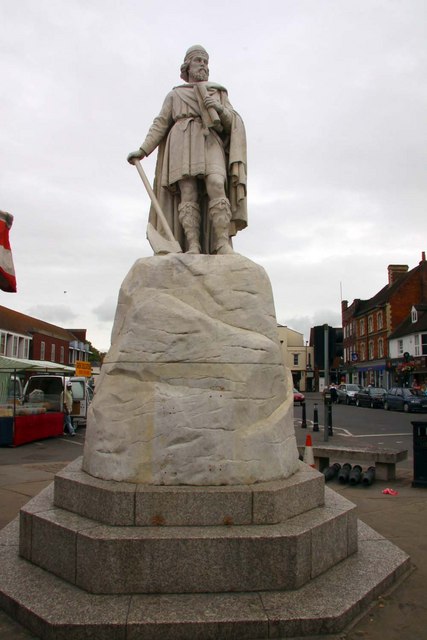 Sculpture
Secondary source
Prince Victor of Hohenlohe-Langenburg · 1877
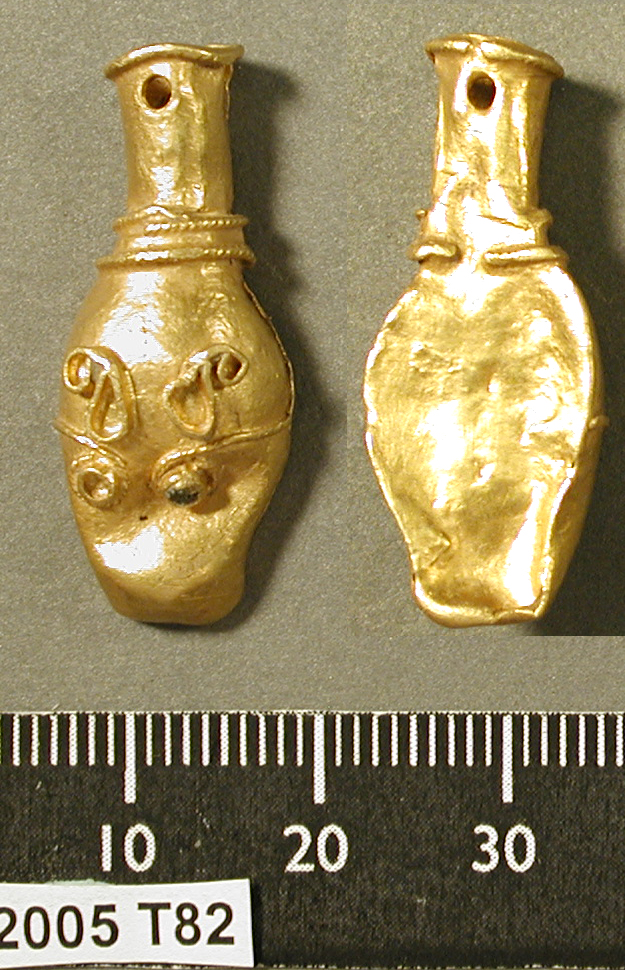 Artifact
Primary source
9th–10th century
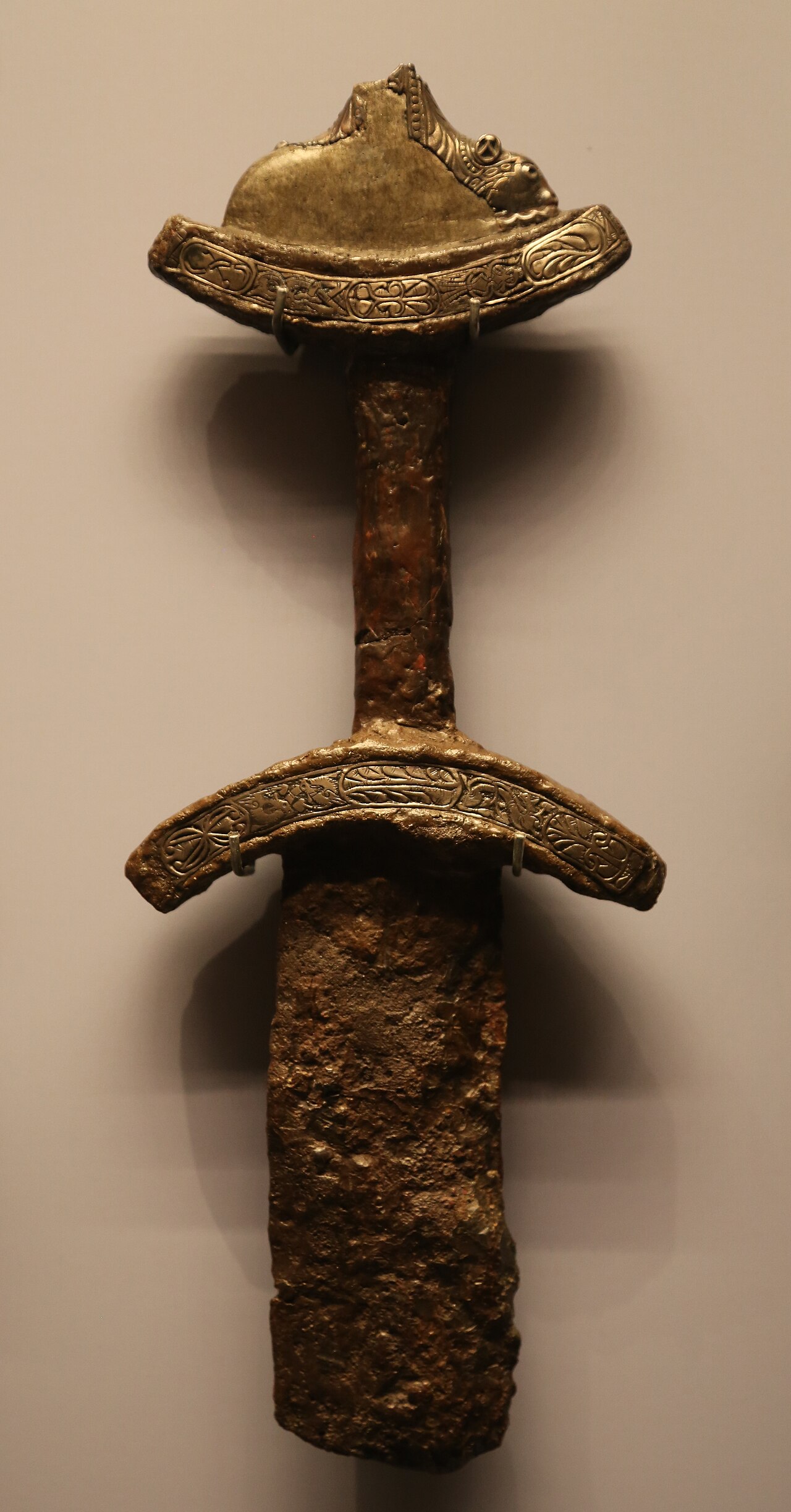 Artifact
Primary source
late 9th–early 10th century
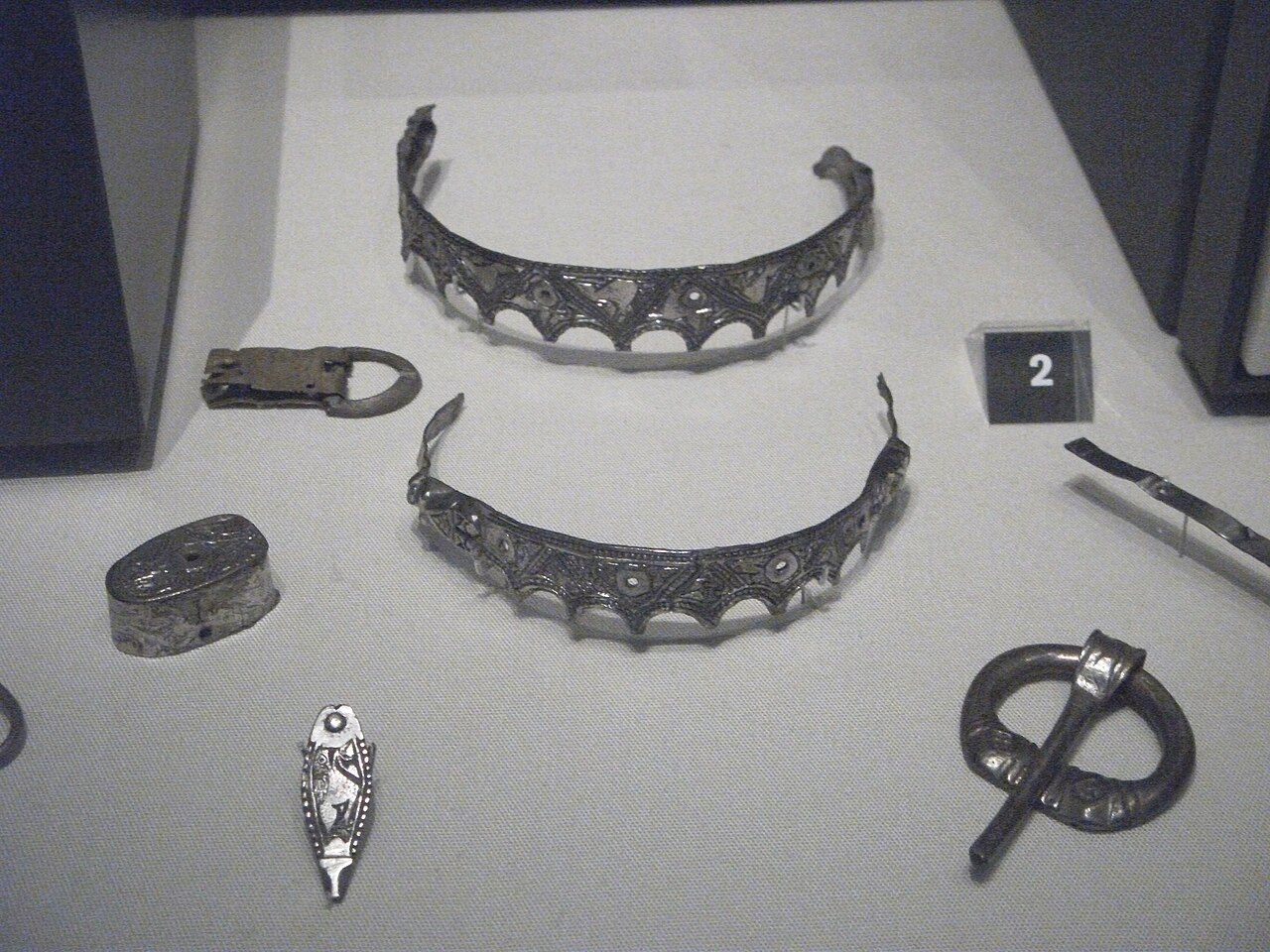 Artifact
Primary source
c. 900
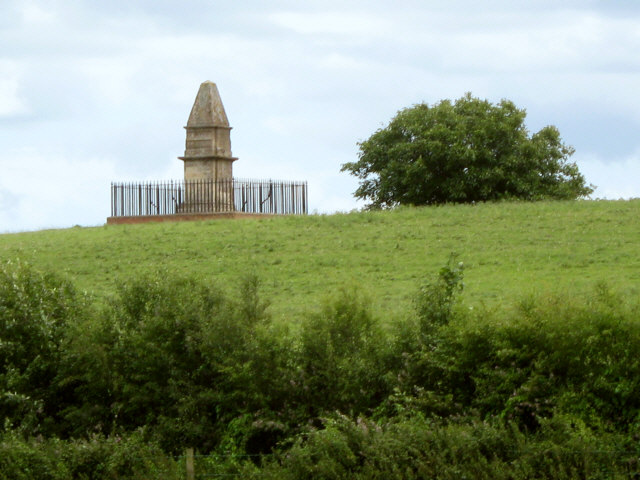 Artifact
Secondary source
888 (abbey); monument 1801
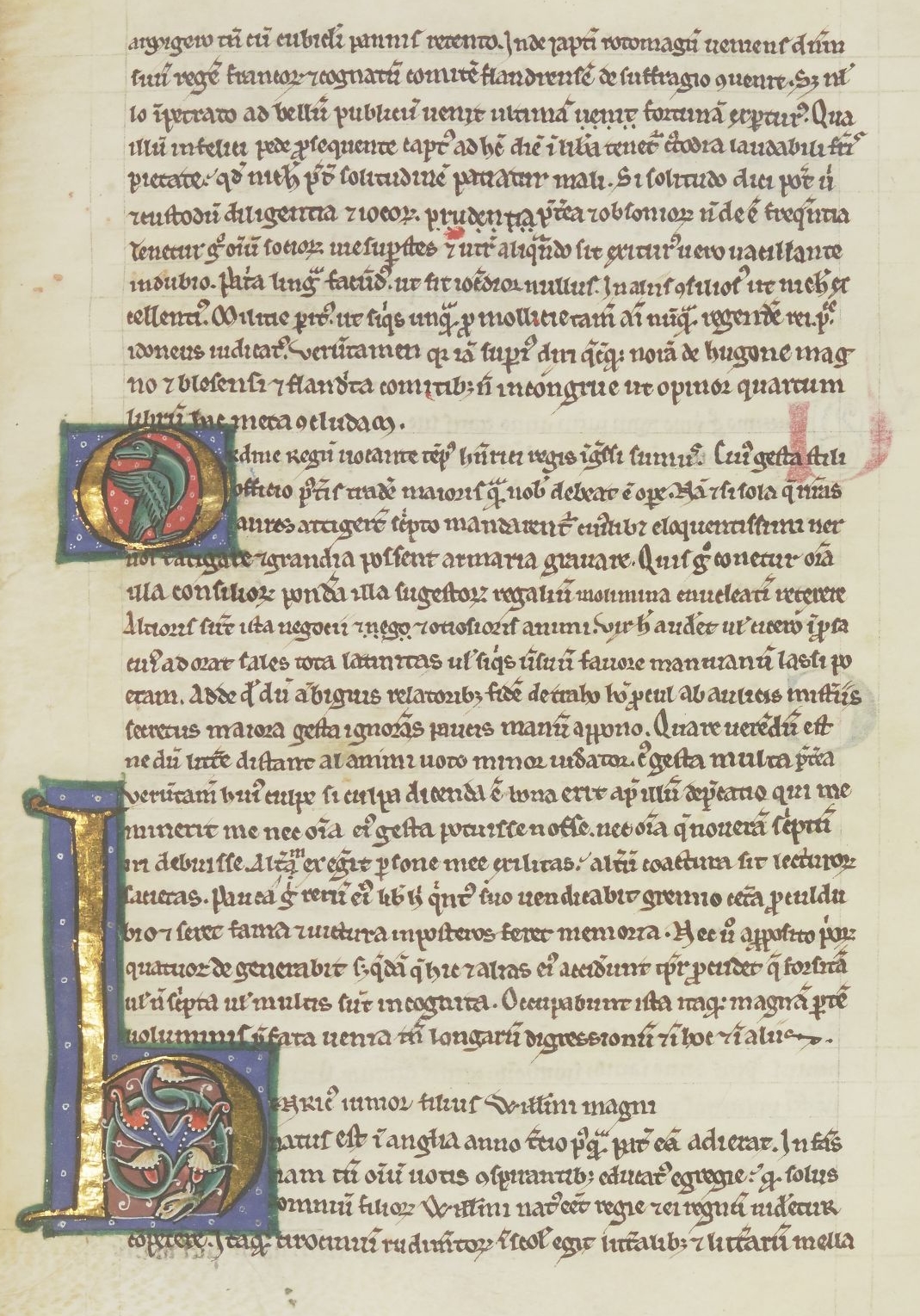 Book
Secondary source
William of Malmesbury · early 12th century
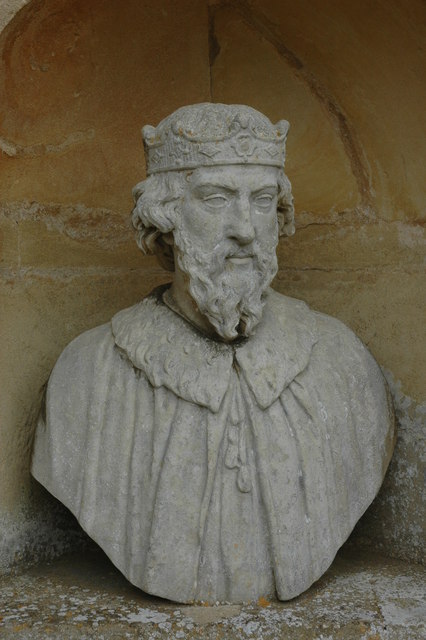 Sculpture
Secondary source
Michael Rysbrack · c. 1735
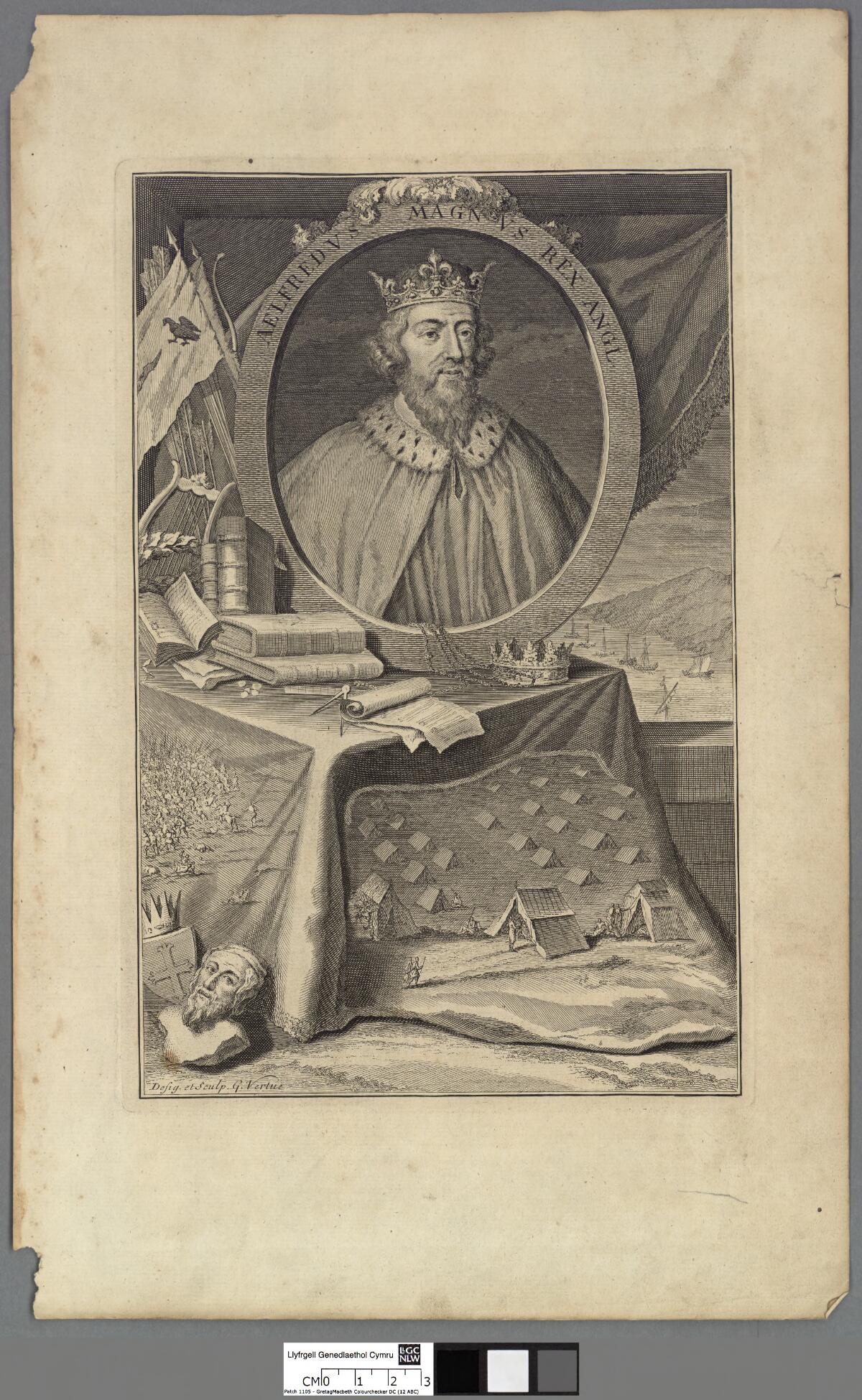 Painting
Secondary source
George Vertue · 1732
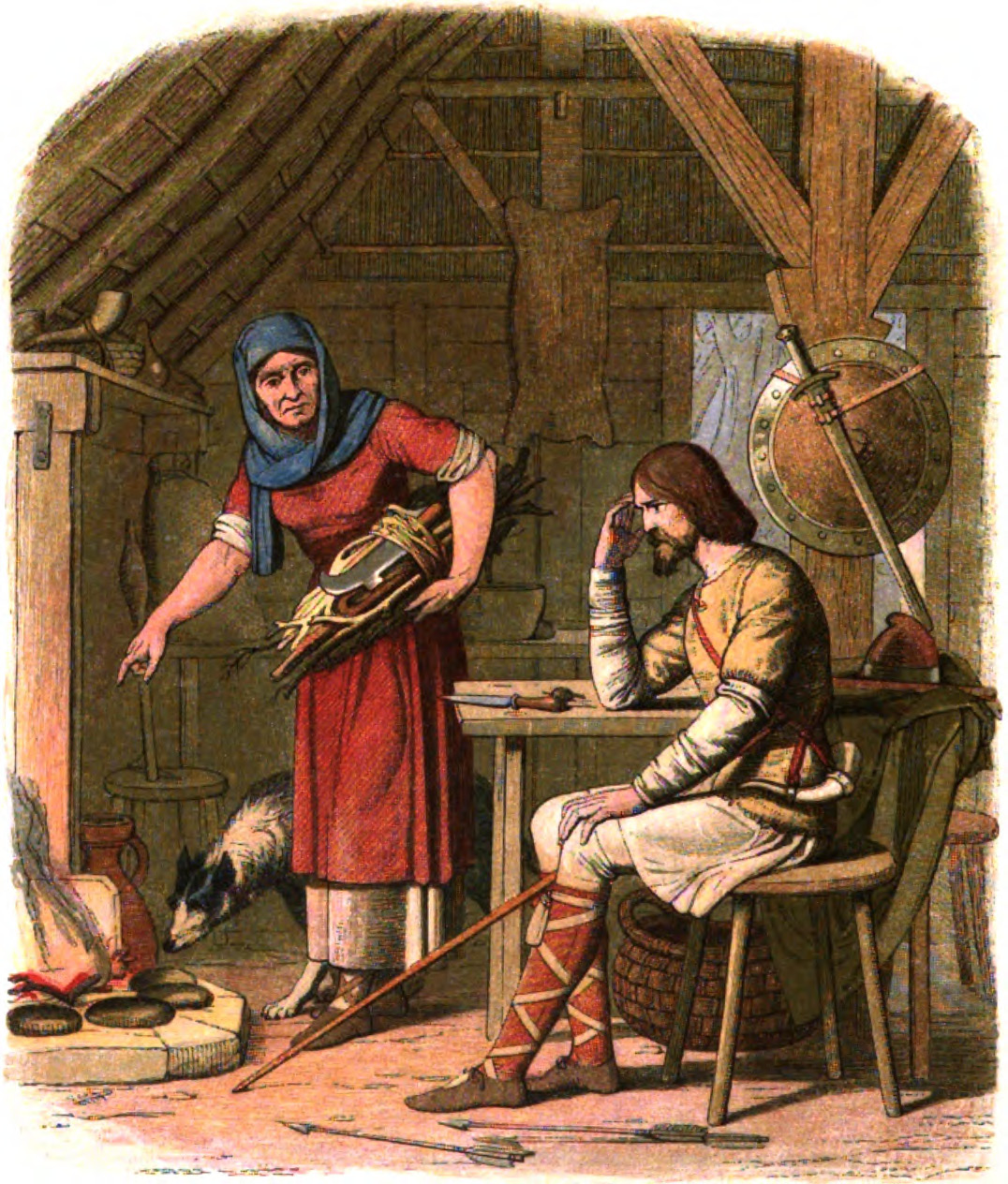 Painting
Secondary source
David Wilkie · 1806
 Document
Secondary source
Thomas Arne · 1740 (first performed); printed score 1753
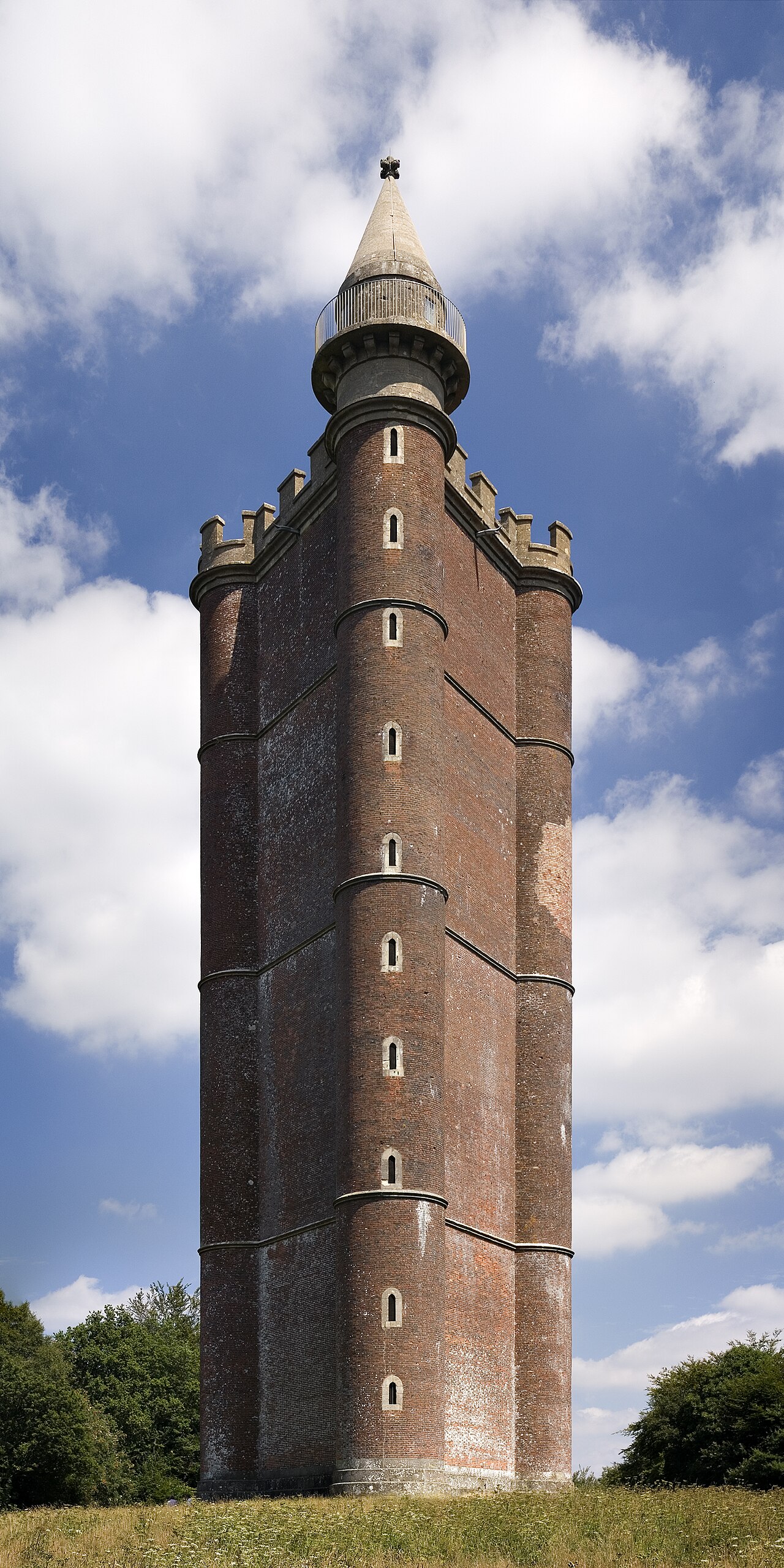 Artifact
Secondary source
Henry Flitcroft · 1772
Primary source
Alfred the Great · 1900 (translation of a 9th-century Old English work)
Primary source
Alfred the Great · 1902 (translation of a 9th-century Old English work)
Secondary source
Charles Plummer · 1902
Primary source
John Asser · 1906 (translation of a 9th-century Latin work)
 Book
Secondary source
G. F. Browne · 1920
 Book
Secondary source
Alfred Bowker (editor) · 1899
Primary source
Asser, Bishop of Sherborne · c. 893
Primary source
James W. Bright (editor) · 1913 edition of medieval chronicle text
 Book
Secondary source
Thomas Hughes · 1869
 Book
Secondary source
Annie E. McKilliam · 1914
 Book
Secondary source
Warwick Herbert Draper · 1901
 Book
Secondary source
Jacob Abbott · 1877
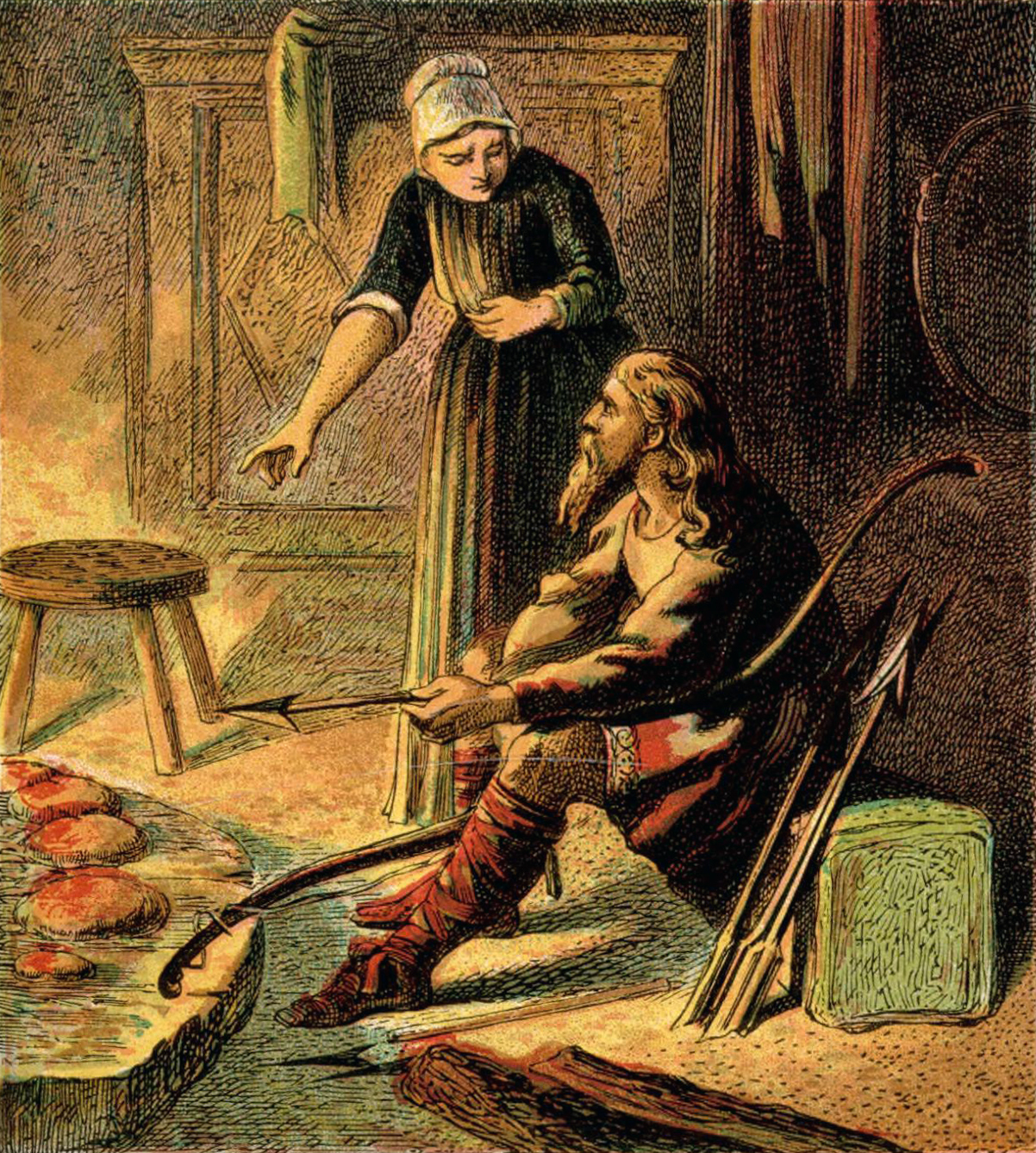 Painting
Secondary source
Joseph Martin Kronheim · 1868
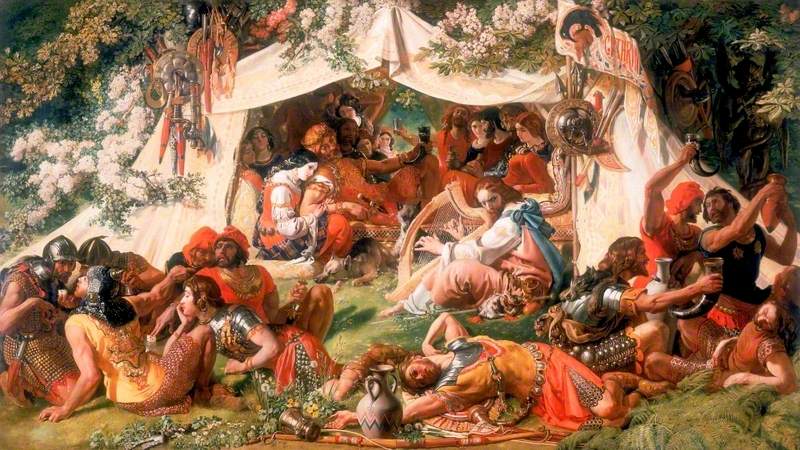 Painting
Secondary source
Daniel Maclise · 1852
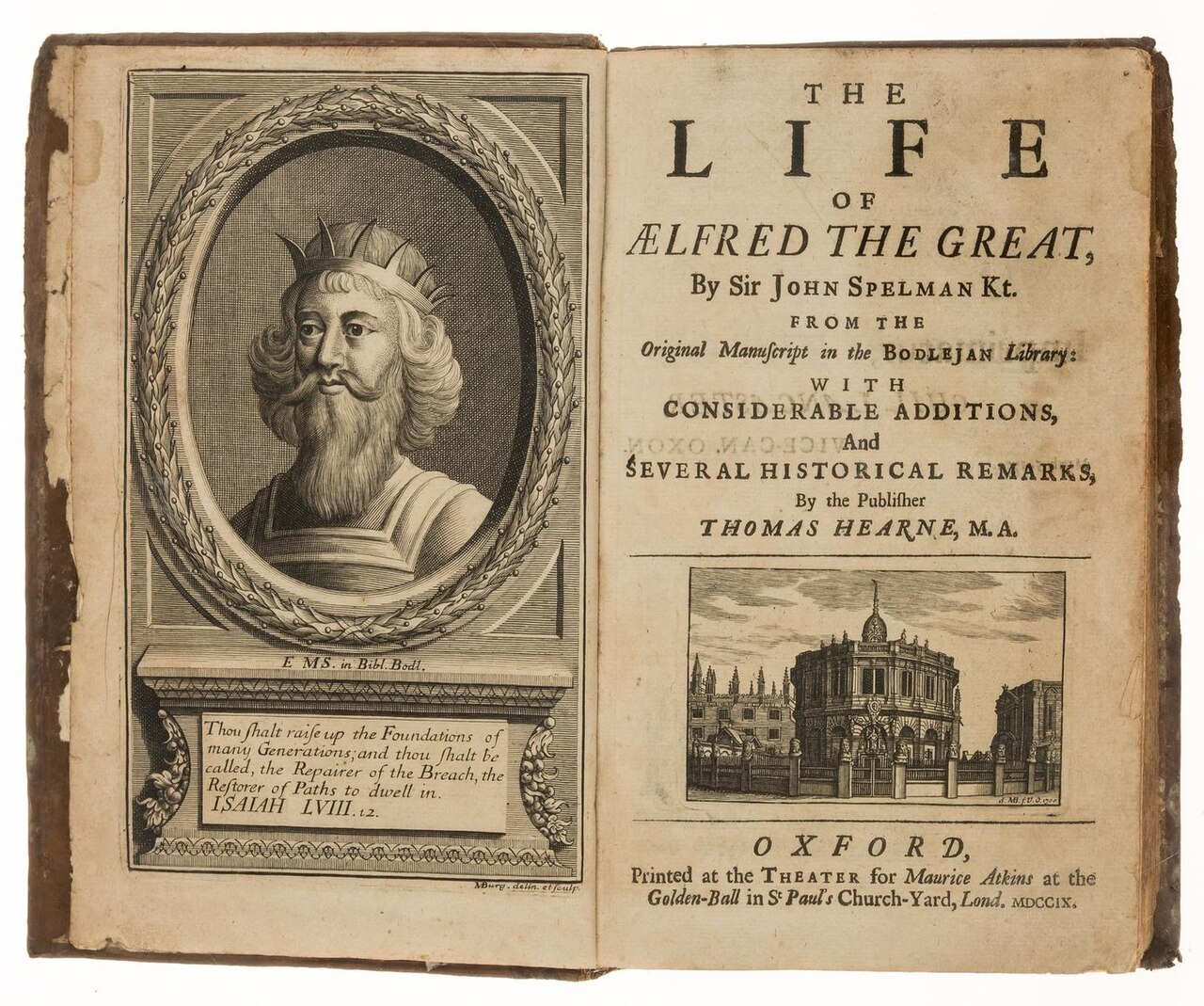 Book
Secondary source
John Spelman · 1678
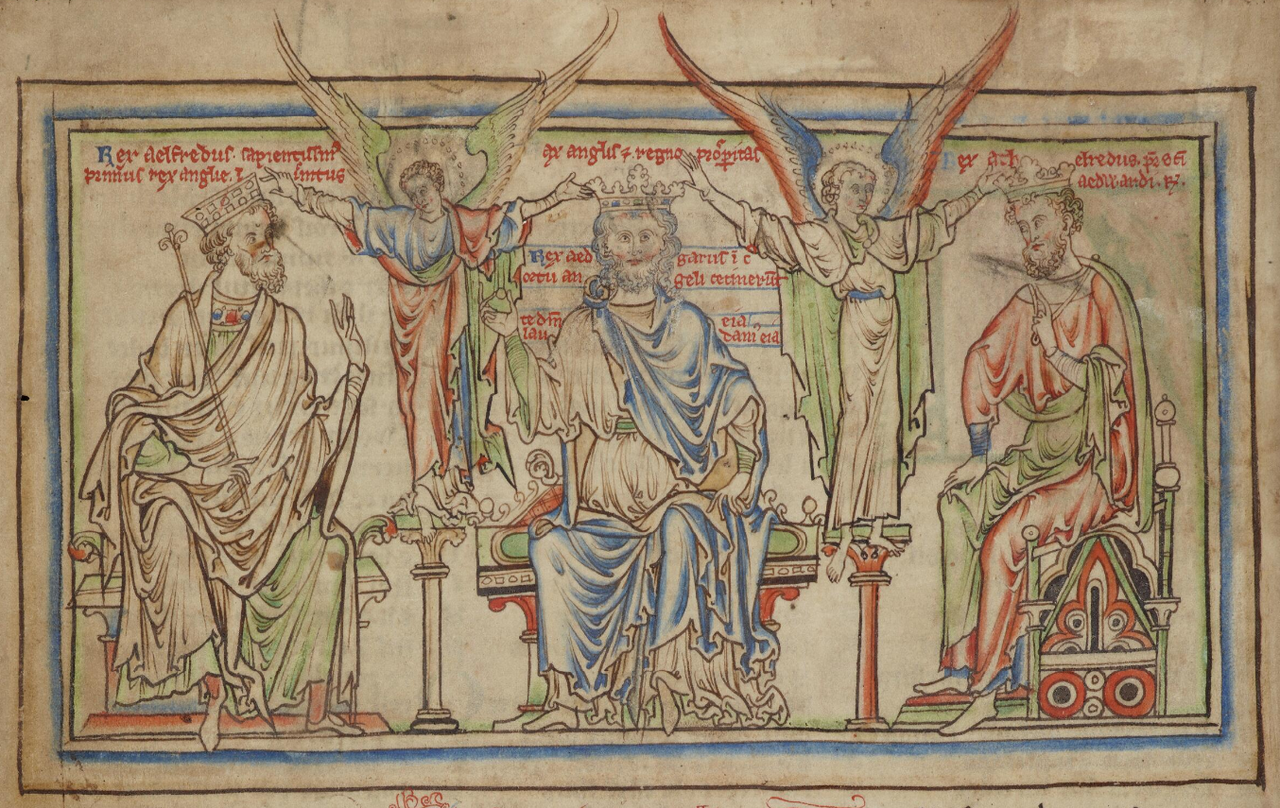 Painting
Secondary source
Matthew Paris · circa 1255
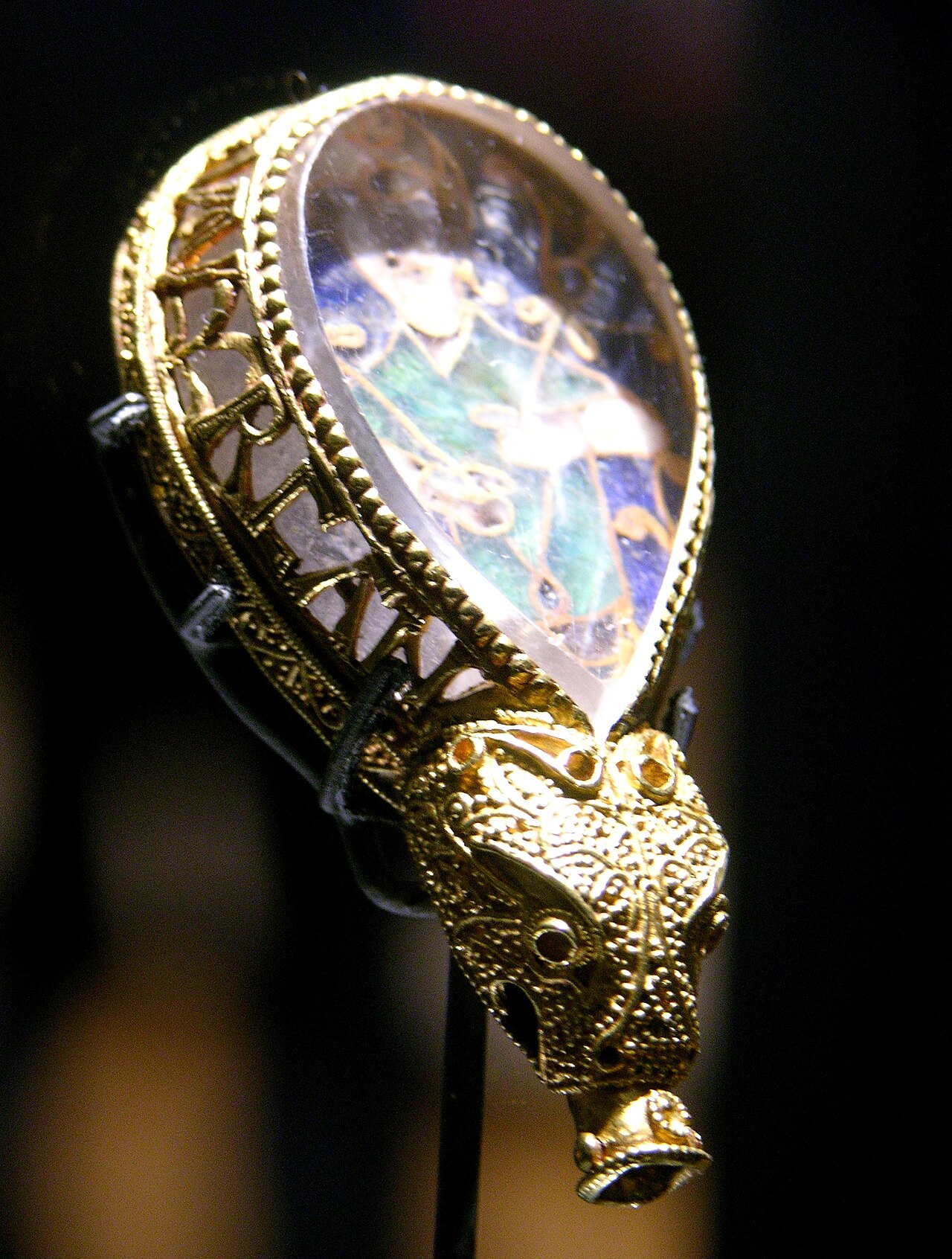 Artifact
Primary source
late 9th century
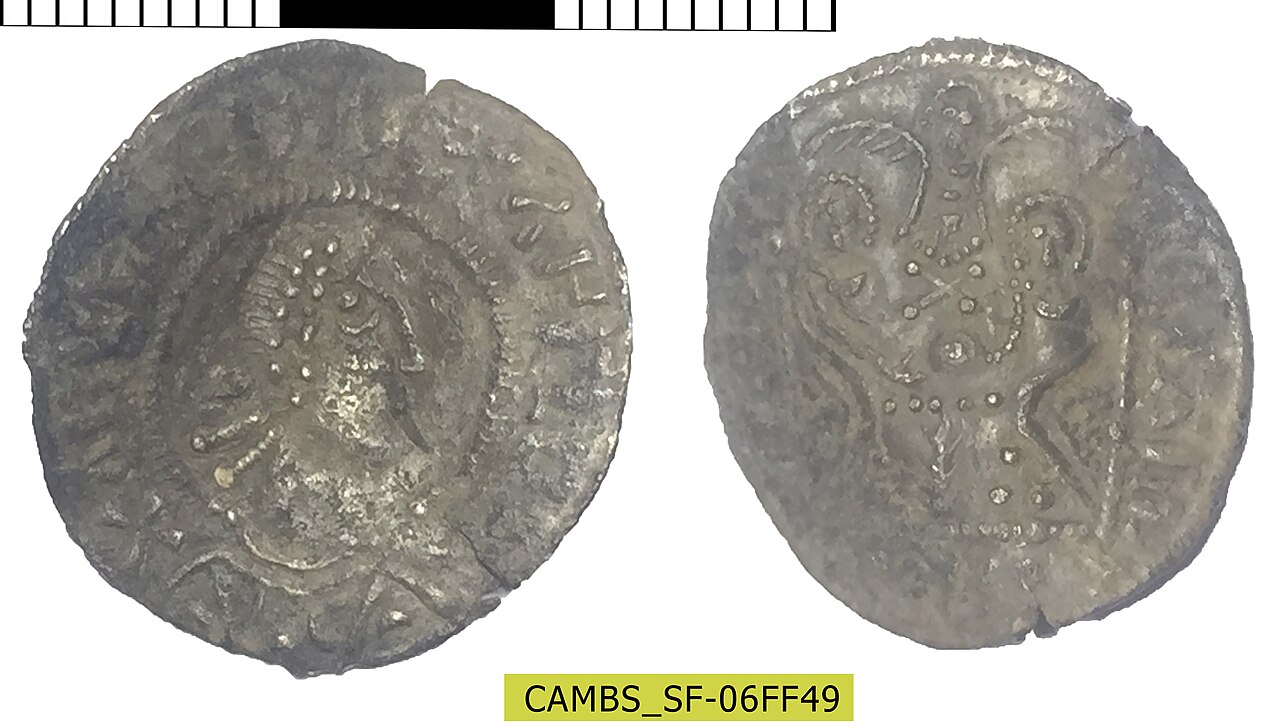 Artifact
Primary source
c. 880-885
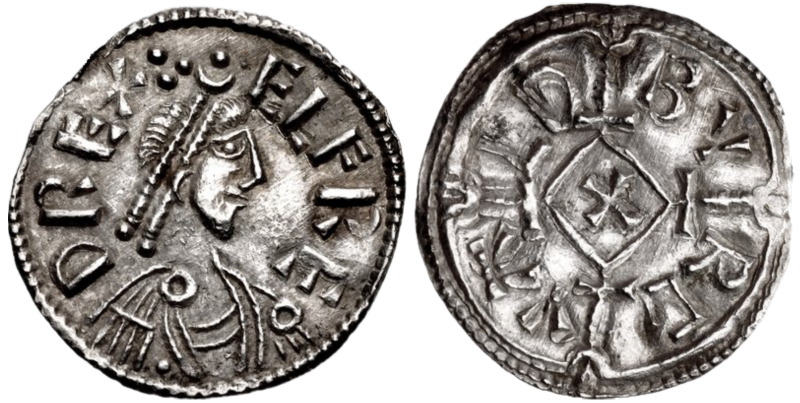 Artifact
Primary source
875–880
Secondary source
1885–1900
Tertiary source
1911
Tertiary source
Thomas Gaffney Taaffe · 1913
Secondary source
Secondary source
John Earle
Secondary source
Alfred Bowker (ed.) · 1899
Primary source
c. 890, continued to the mid-12th century
 Book
Secondary source
1849
 Book
Secondary source
A. Van Doren Honeyman · 1905
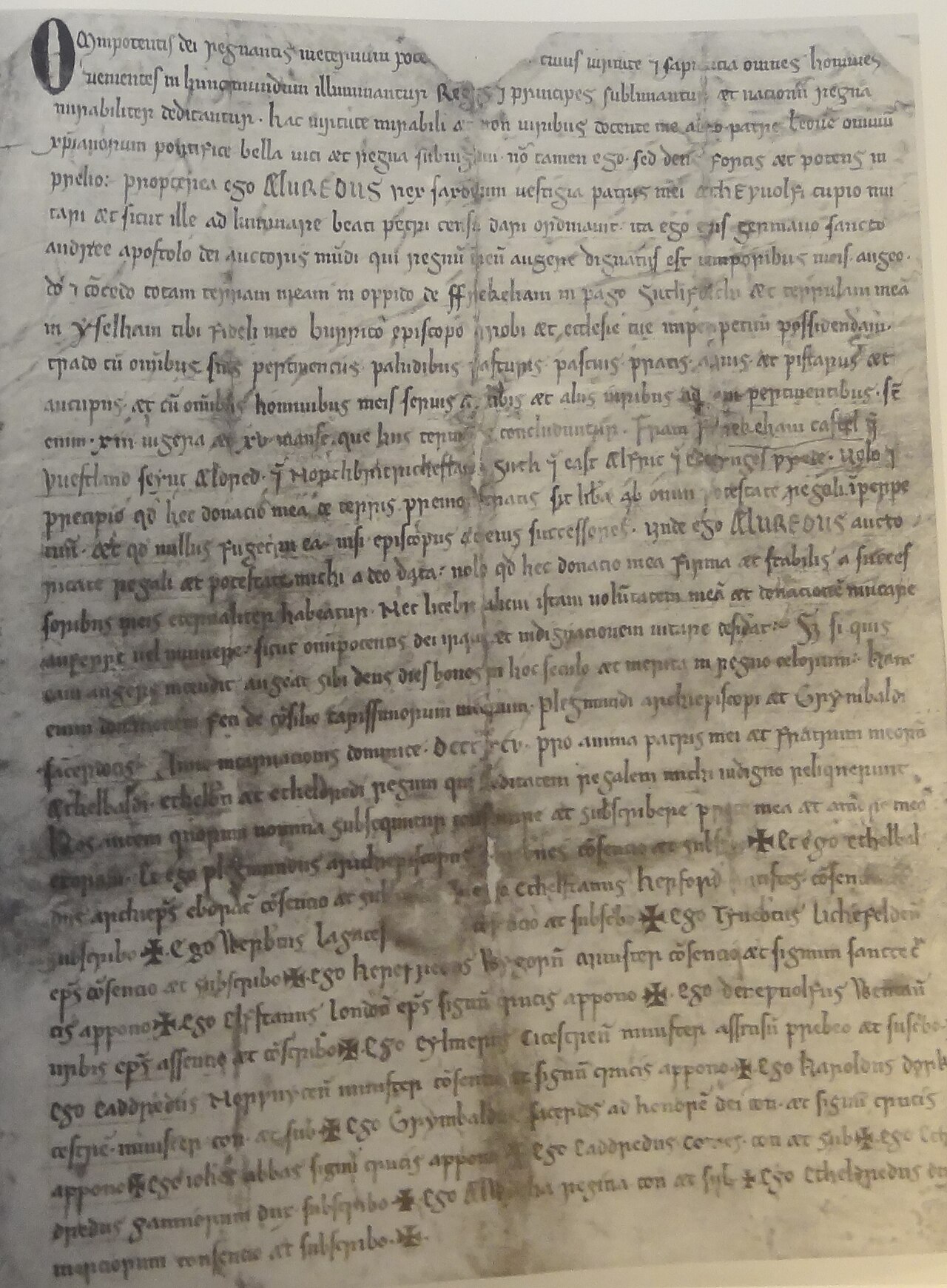 Document
Primary source
895 (attributed)
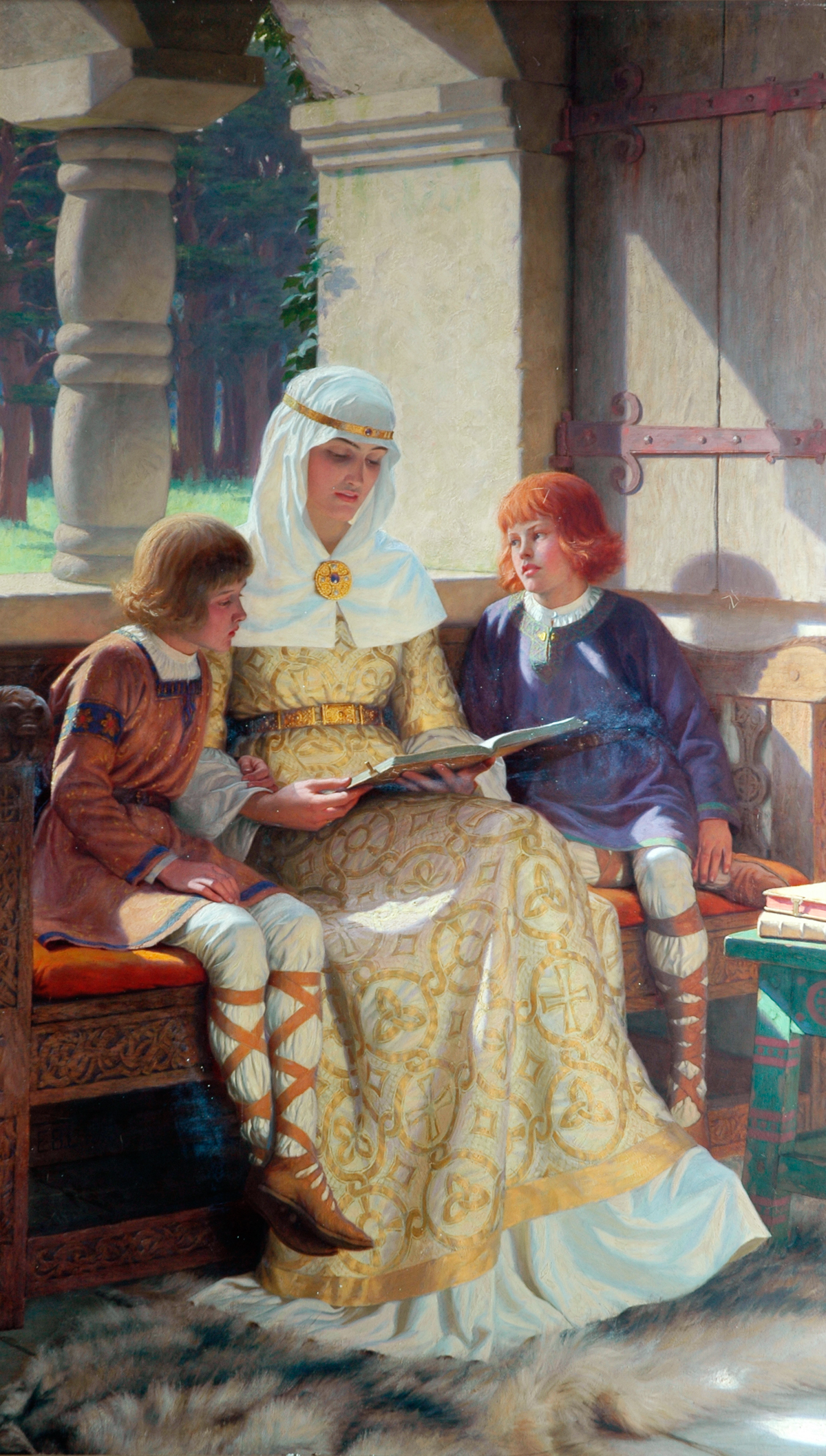 Painting
Secondary source
Edmund Blair Leighton · 1913
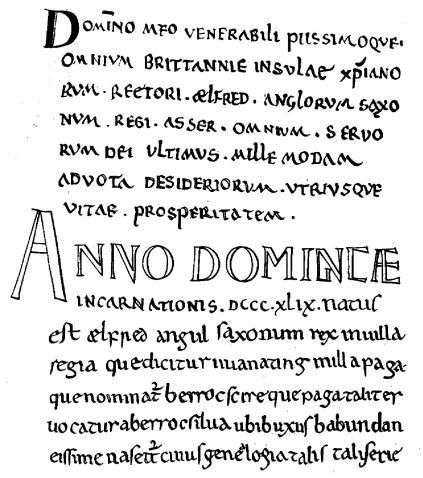 Book
Secondary source
Asser · 1722 (facsimile of a manuscript)
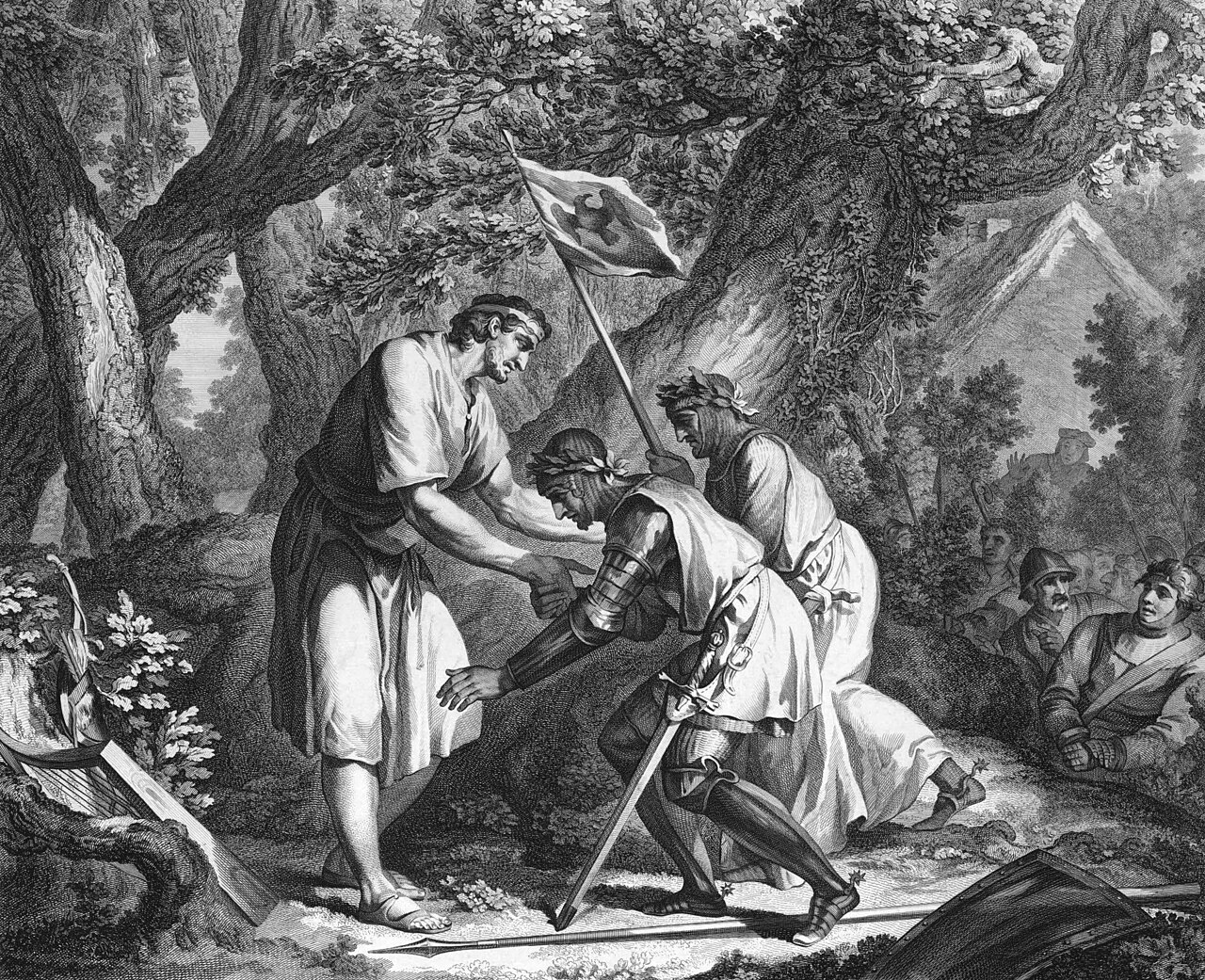 Painting
Secondary source
Nicholas Blakey / François Vivares · 1778
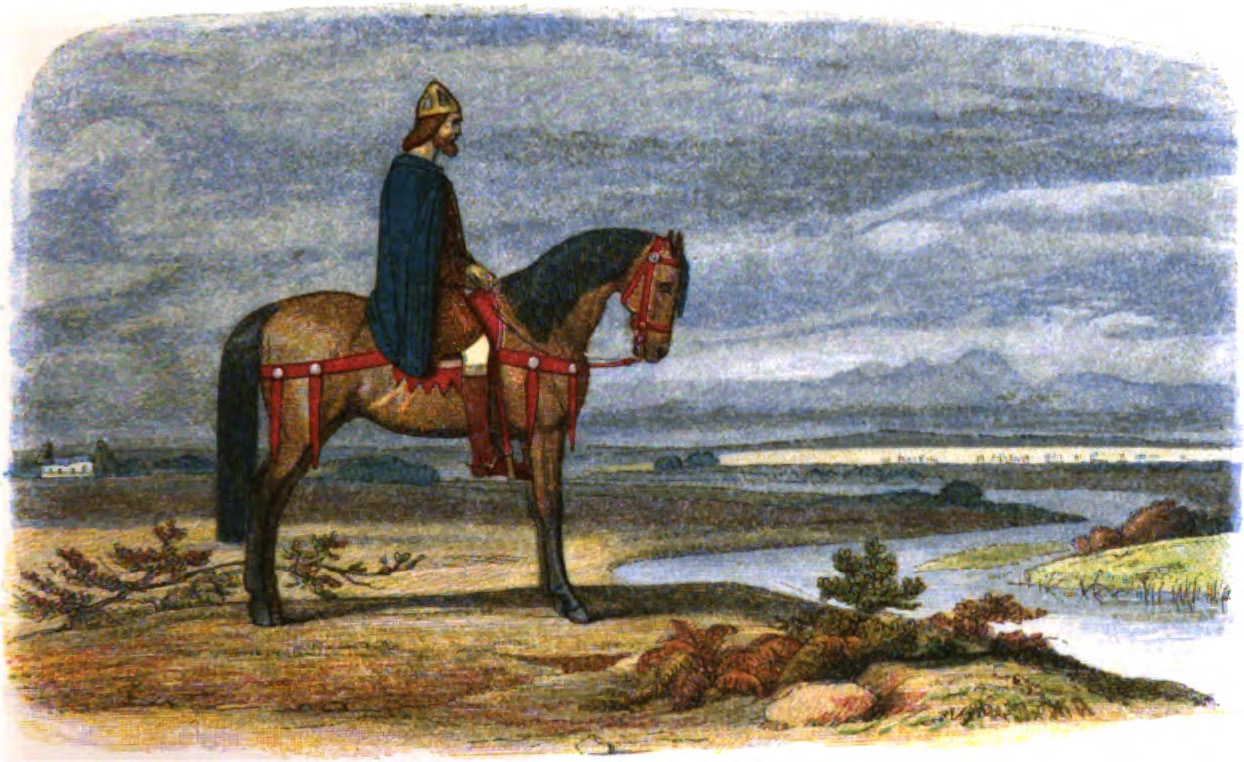 Painting
Secondary source
James William Edmund Doyle · 1864
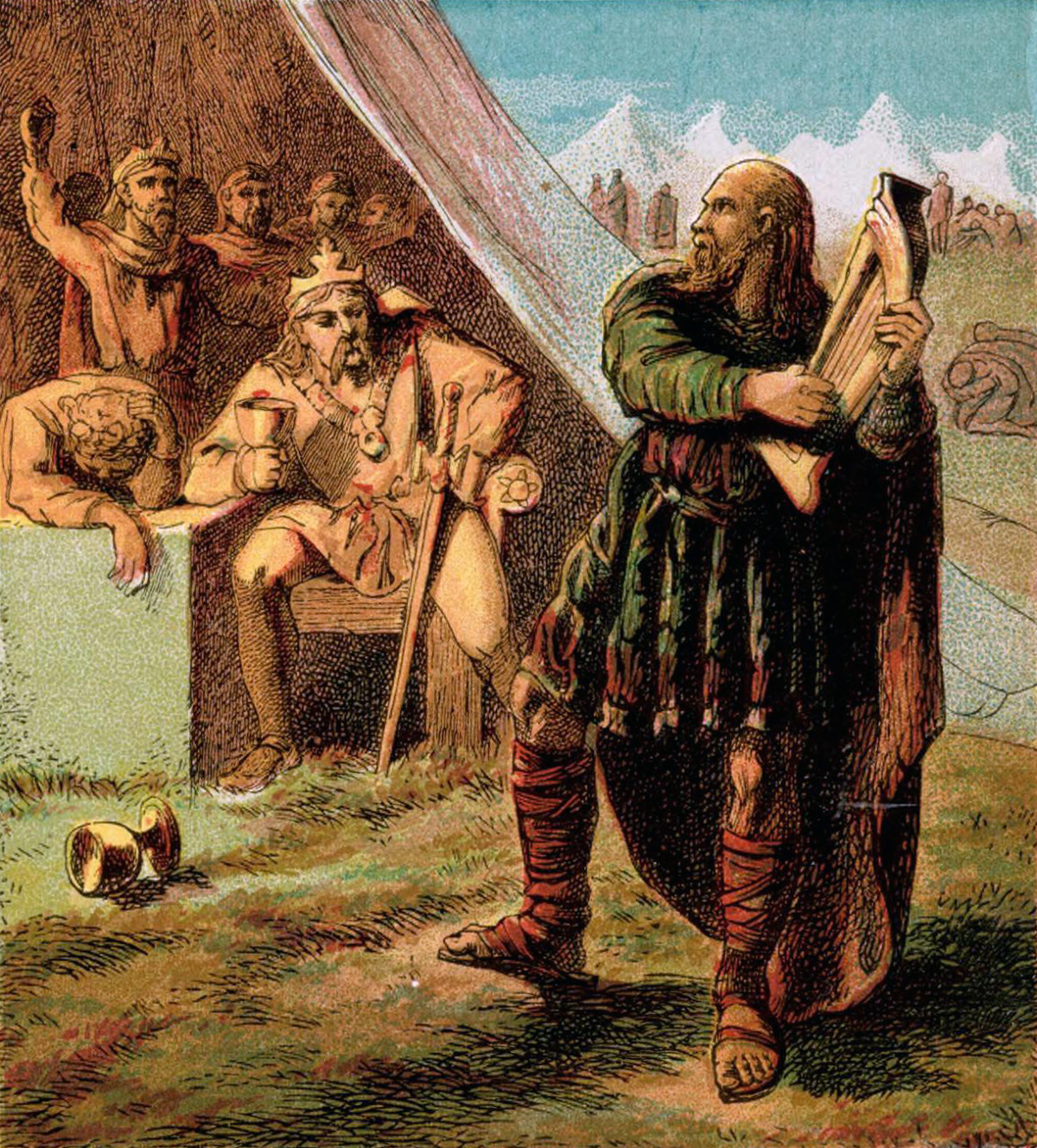 Painting
Secondary source
Joseph Martin Kronheim · 1868
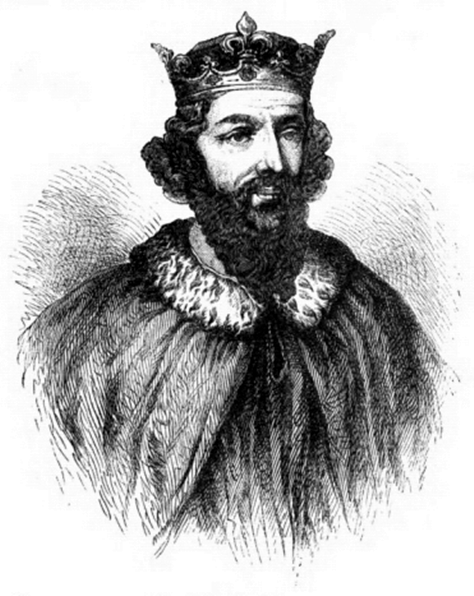 Painting
Secondary source
John Cassell · Nineteenth century (per curator's note)
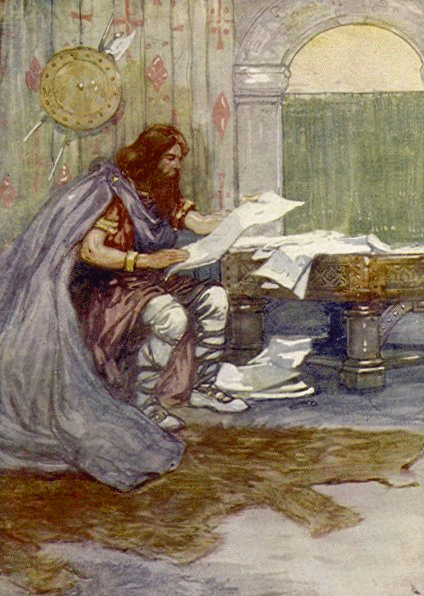 Painting
Secondary source
A.S. Forrest · 1905
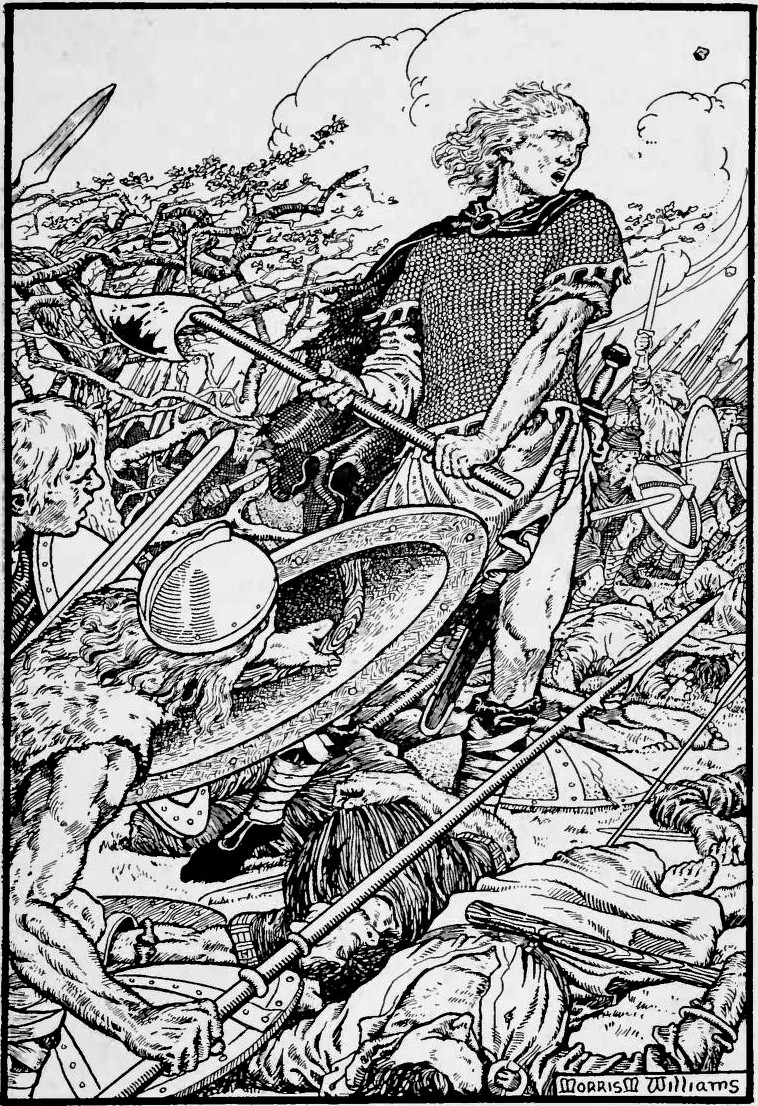 Painting
Secondary source
Morris Meredith Williams · by 1913
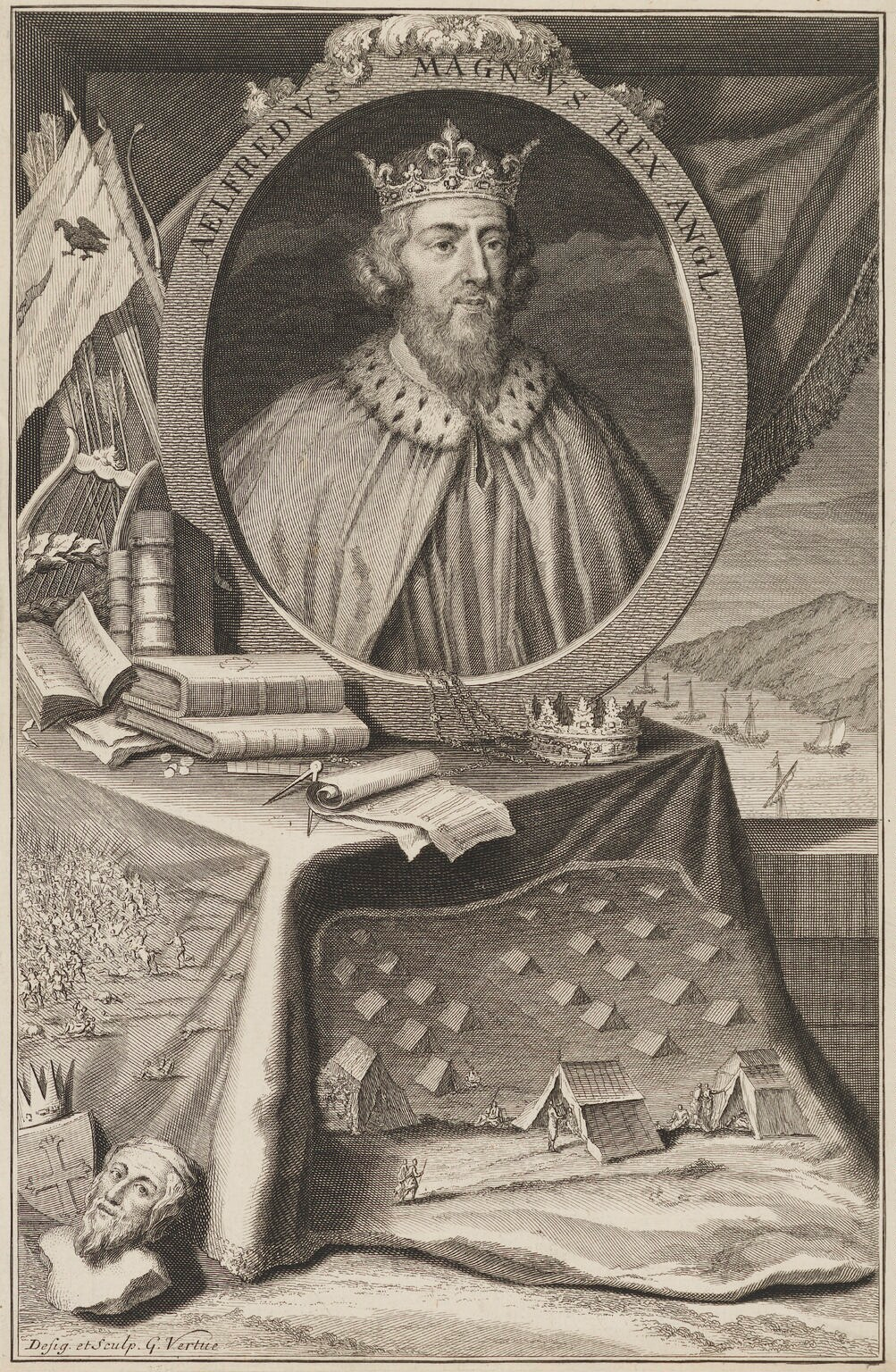 Painting
Secondary source
George Vertue · 1732
 Painting
Secondary source
13th century
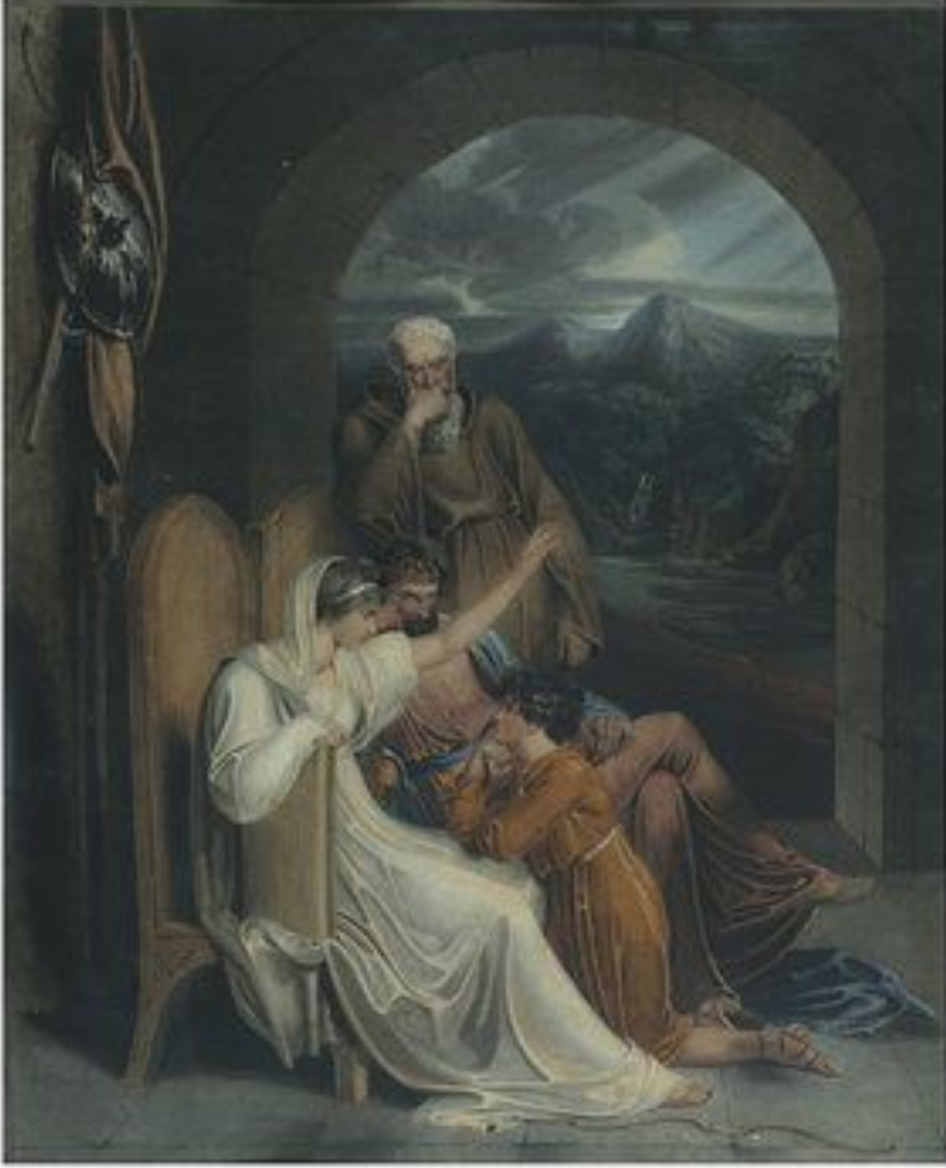 Painting
Secondary source
Richard Westall · 1801
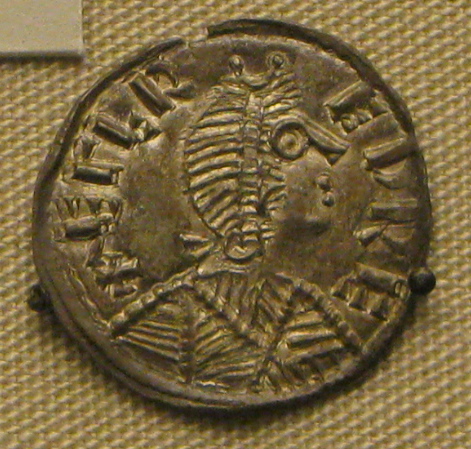 Artifact
Primary source
During Alfred's reign (r. 872–901)
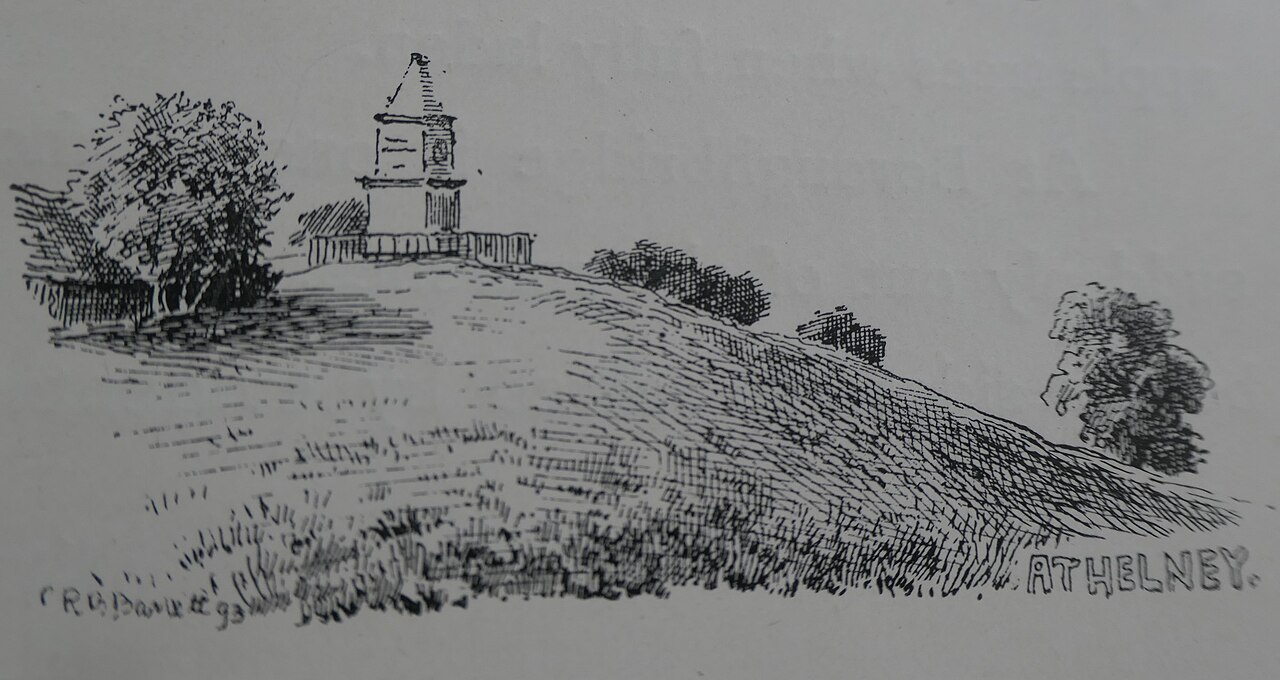 Painting
Secondary source
CRB Barrett · 1893
 Book
Secondary source
Various authors, including A. Austin, W. Besant, F. Harrison, G. F. Browne, C. Oman and C. Markham · 1899
 Book
Secondary source
Jacob Abbott · 19th century
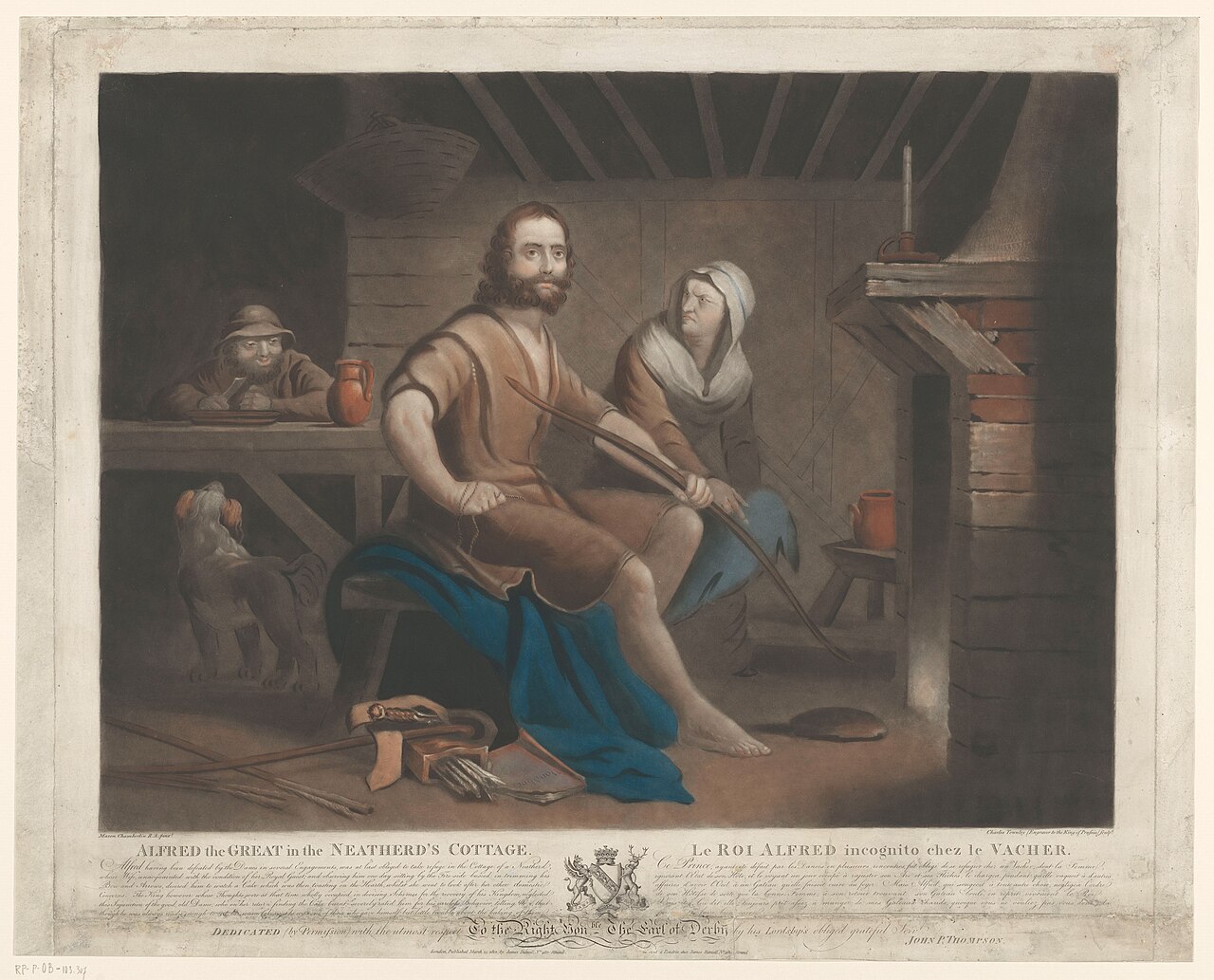 Painting
Secondary source
Charles Townley · between 1756 and 1856
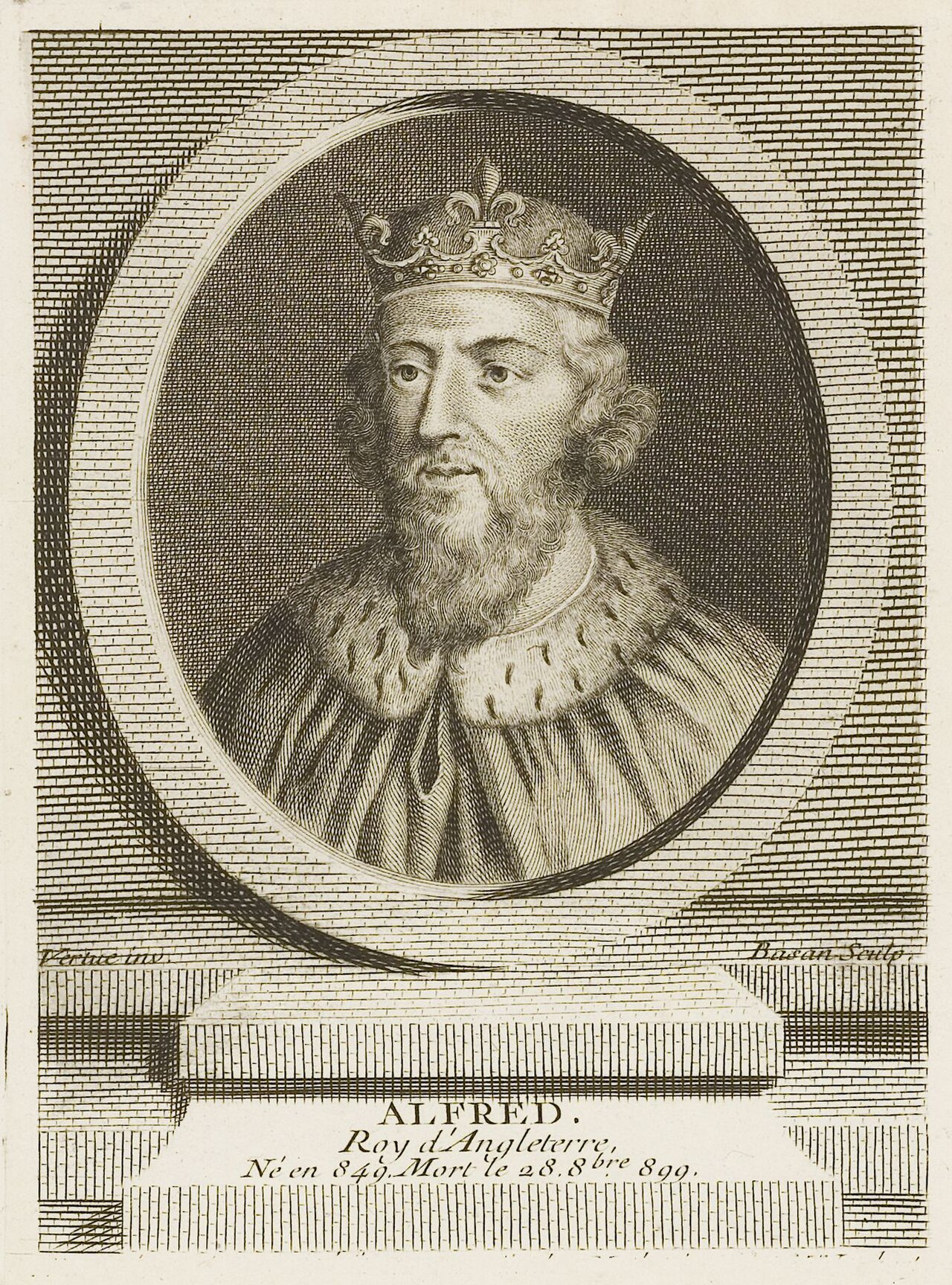 Painting
Secondary source
George Vertue
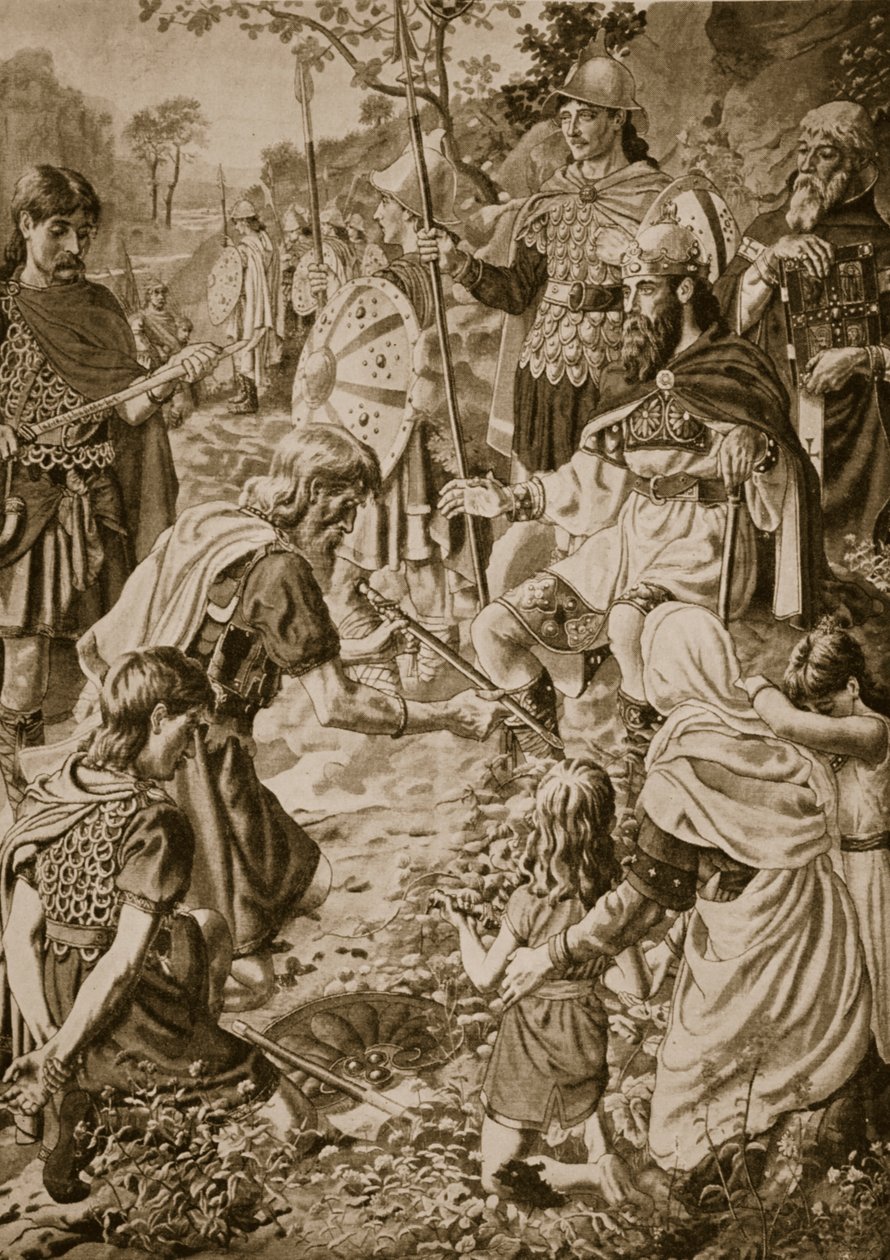 Painting
Secondary source
Herbert Albert Bone · circa 1922
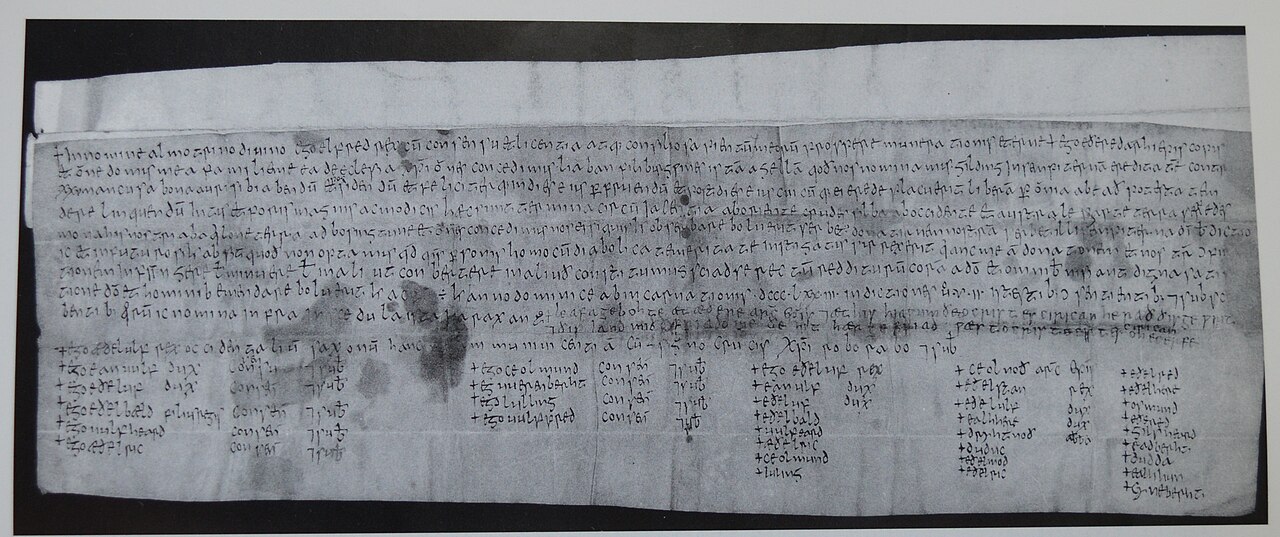 Document
Primary source
circa 873
Tertiary source
1914
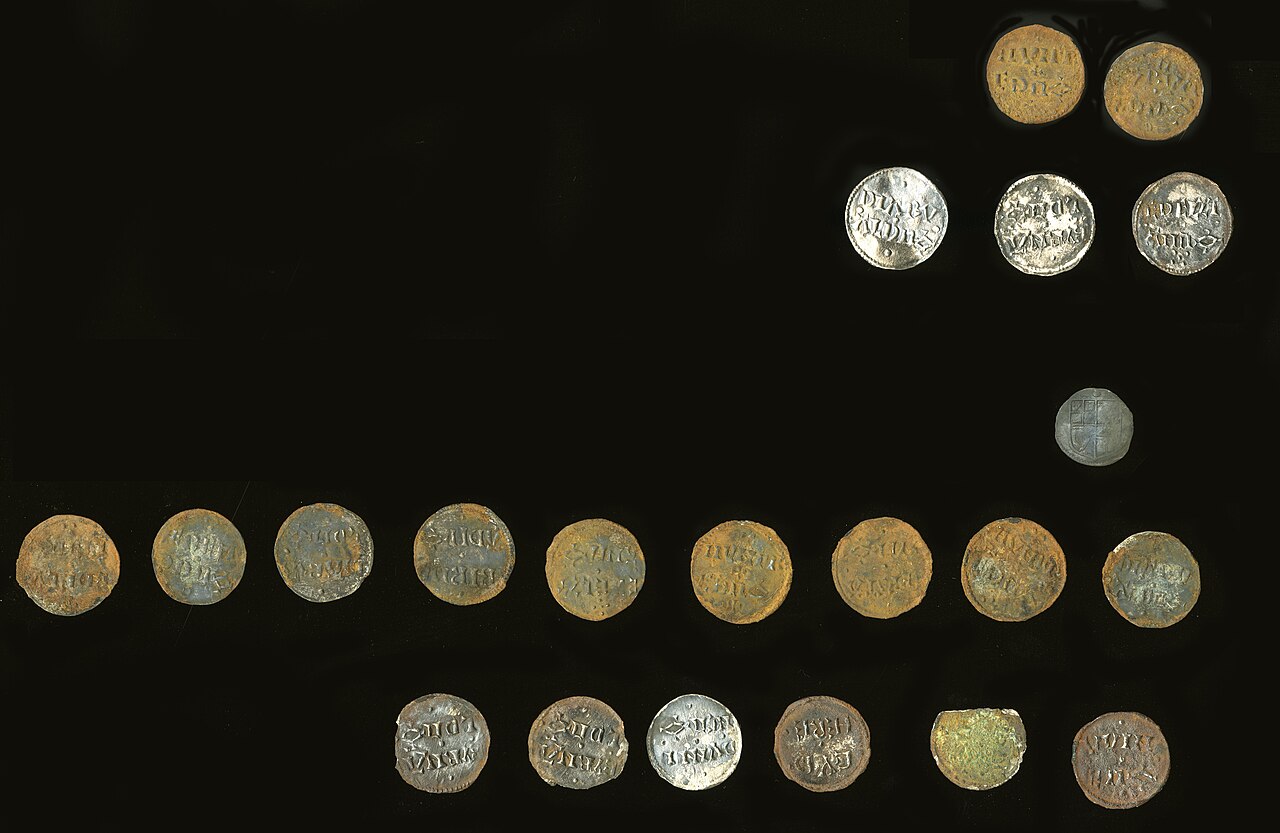 Artifact
Primary source
between 880 and 923
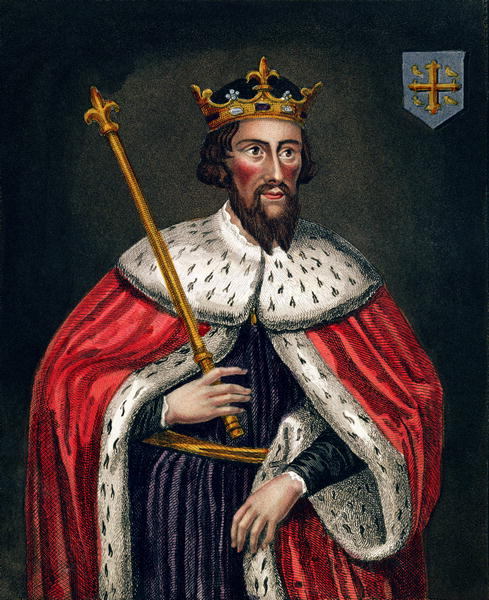 Painting
Secondary source
19th century (c. 1850)
Secondary source
John H. Haaren · 1904
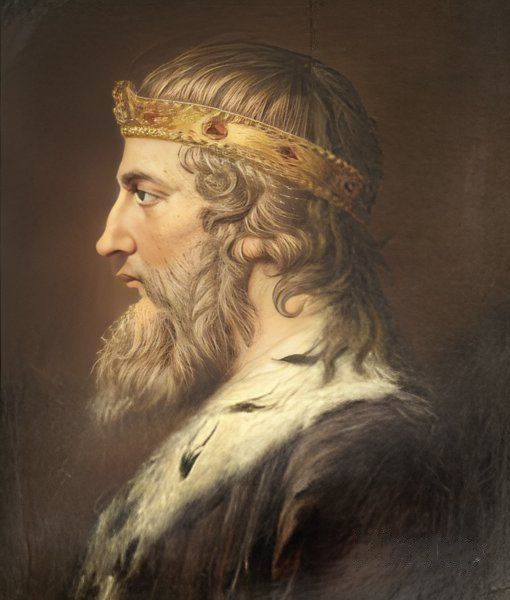 Painting
Secondary source
Samuel Woodforde · 1790
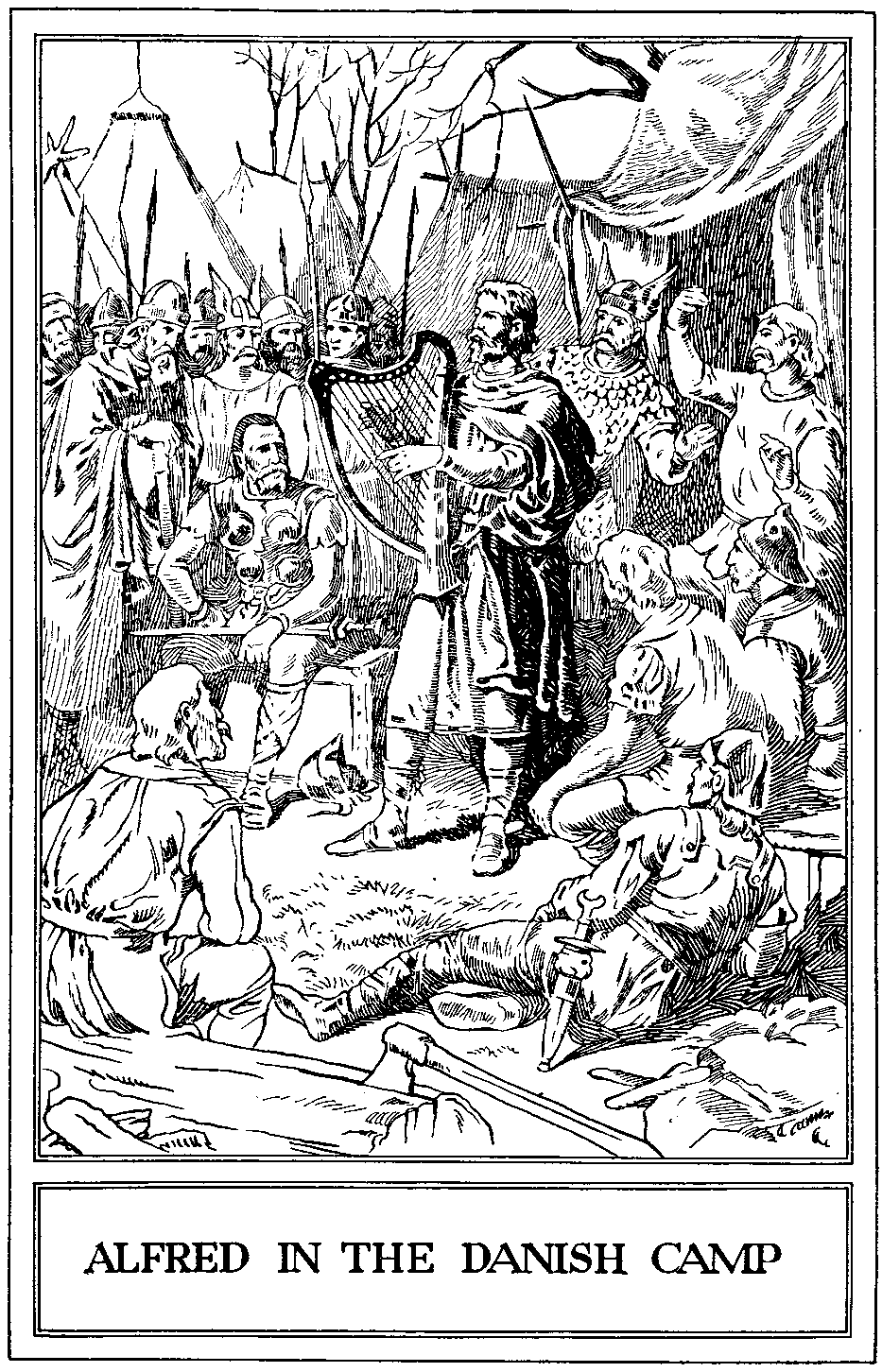 Painting
Secondary source
1904
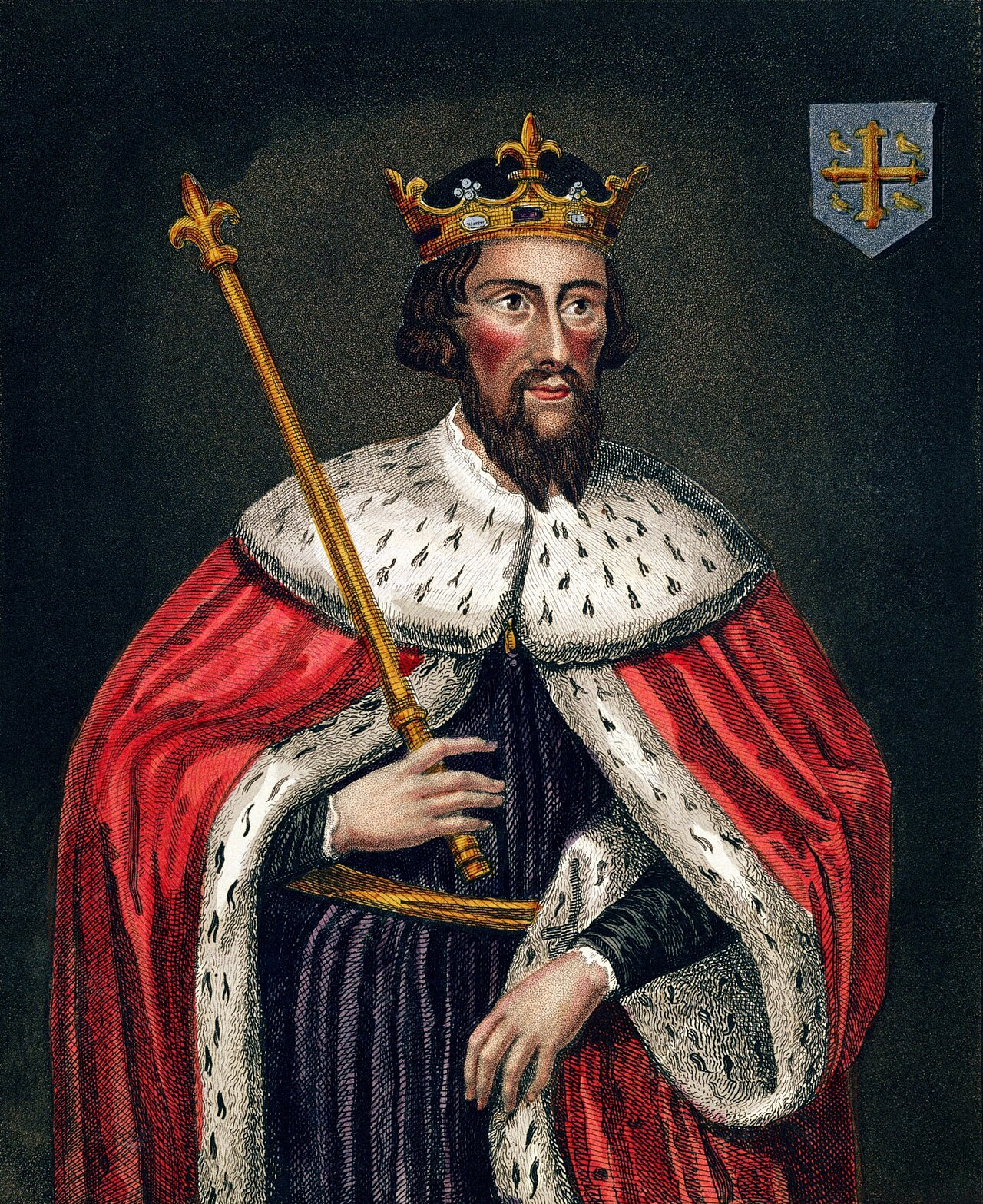 Painting
Secondary source
19th century (c. 1850)
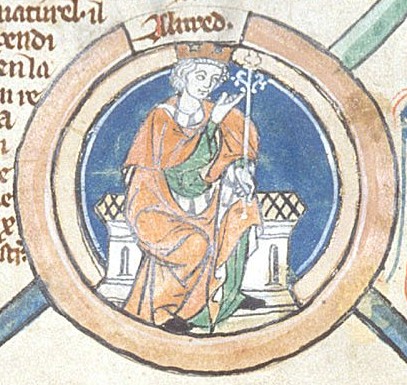 Painting
Secondary source
13th century (date doubtful)
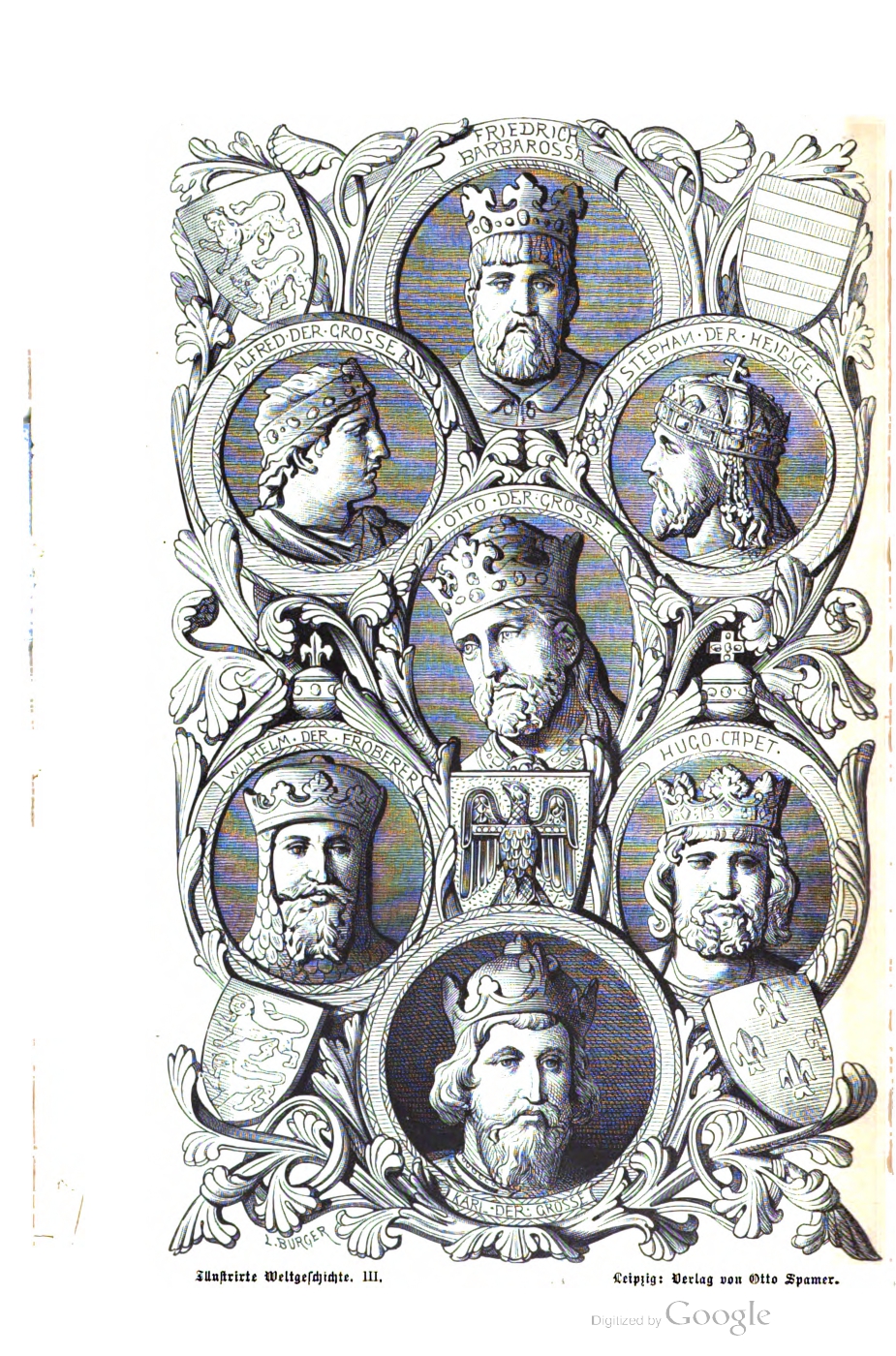 Artifact
Secondary source
Ludwig Burger
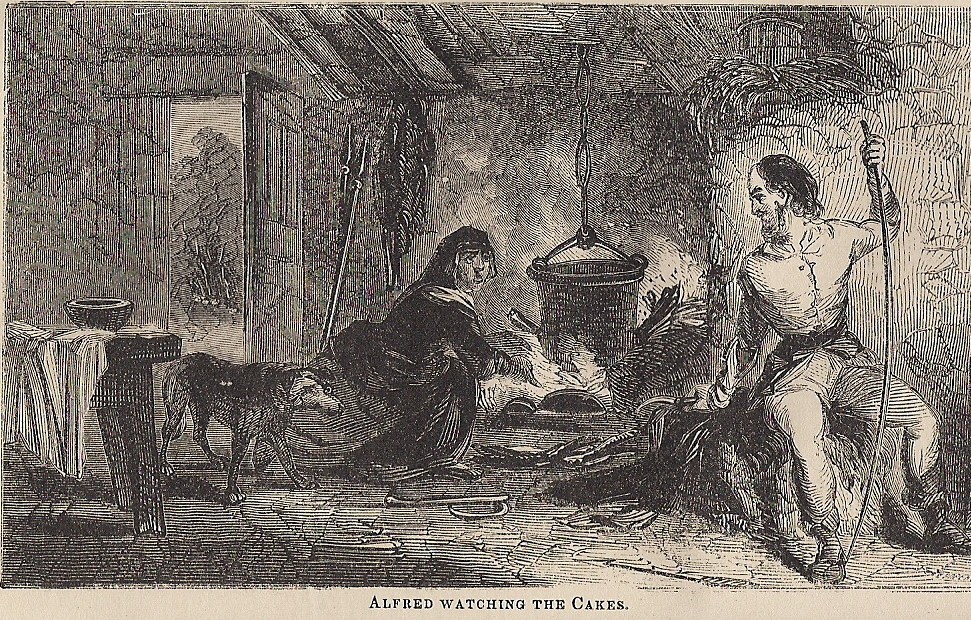 Artifact
Secondary source
1854
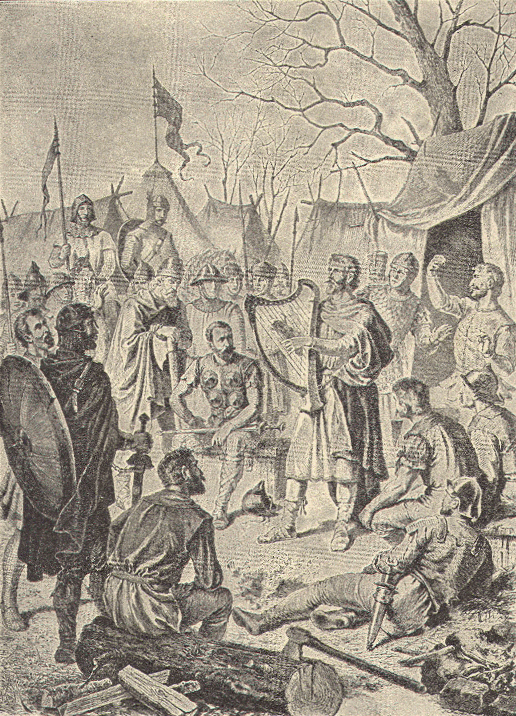 Artifact
Secondary source
1904
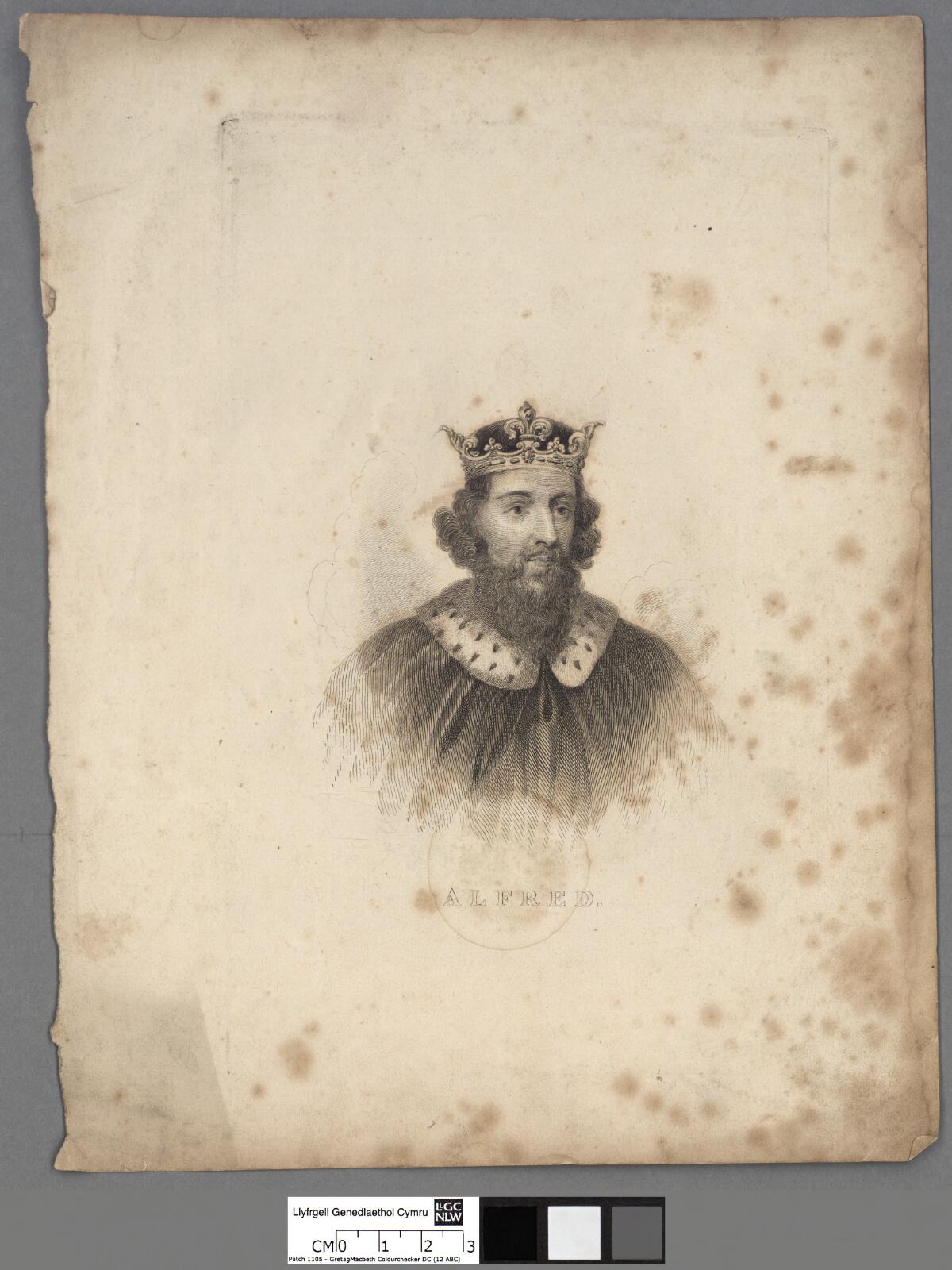 Artifact
Secondary source
c. 1800
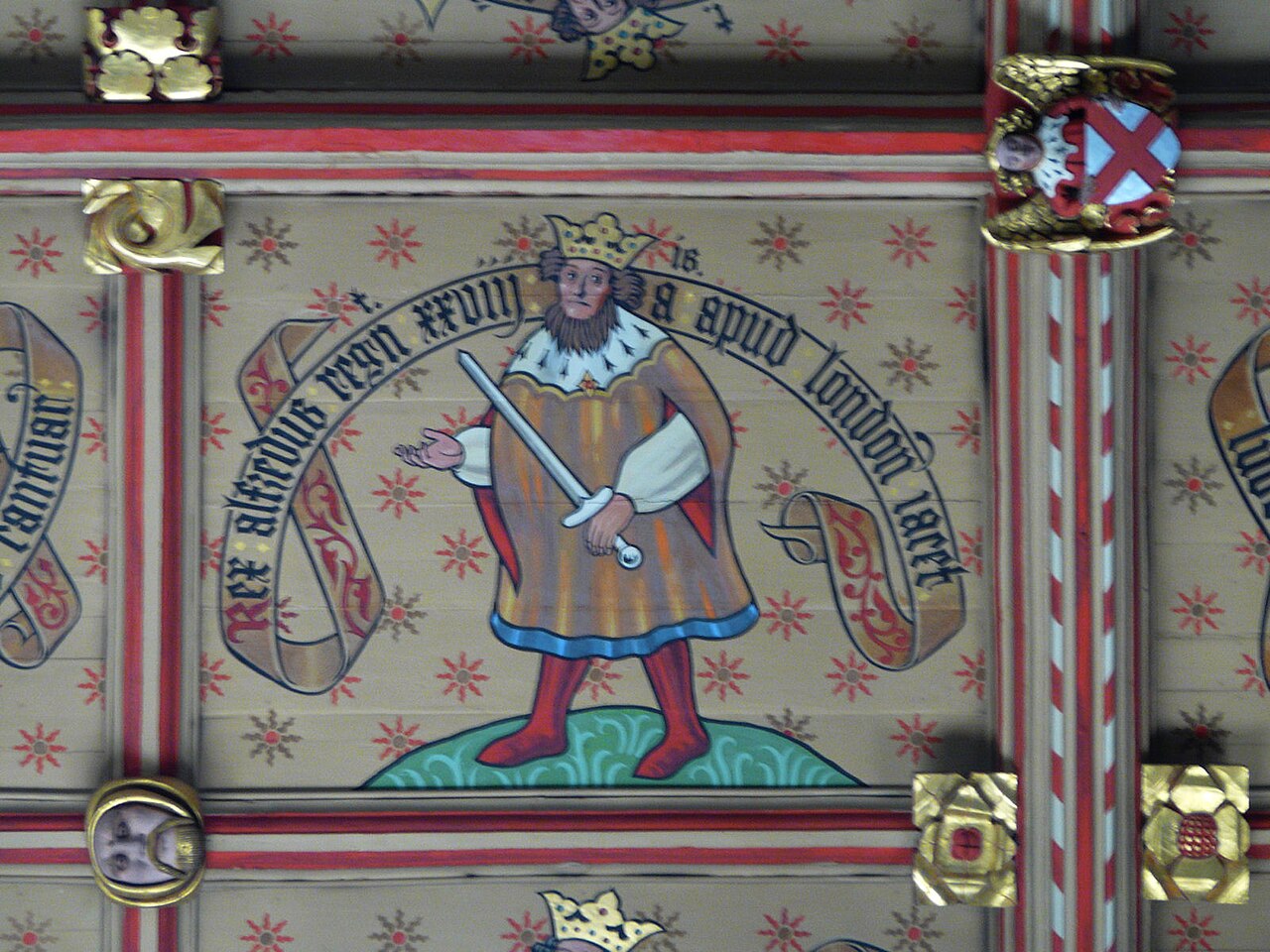 Painting
Secondary source
2009 photograph of the painted vault; painting date not given in facts
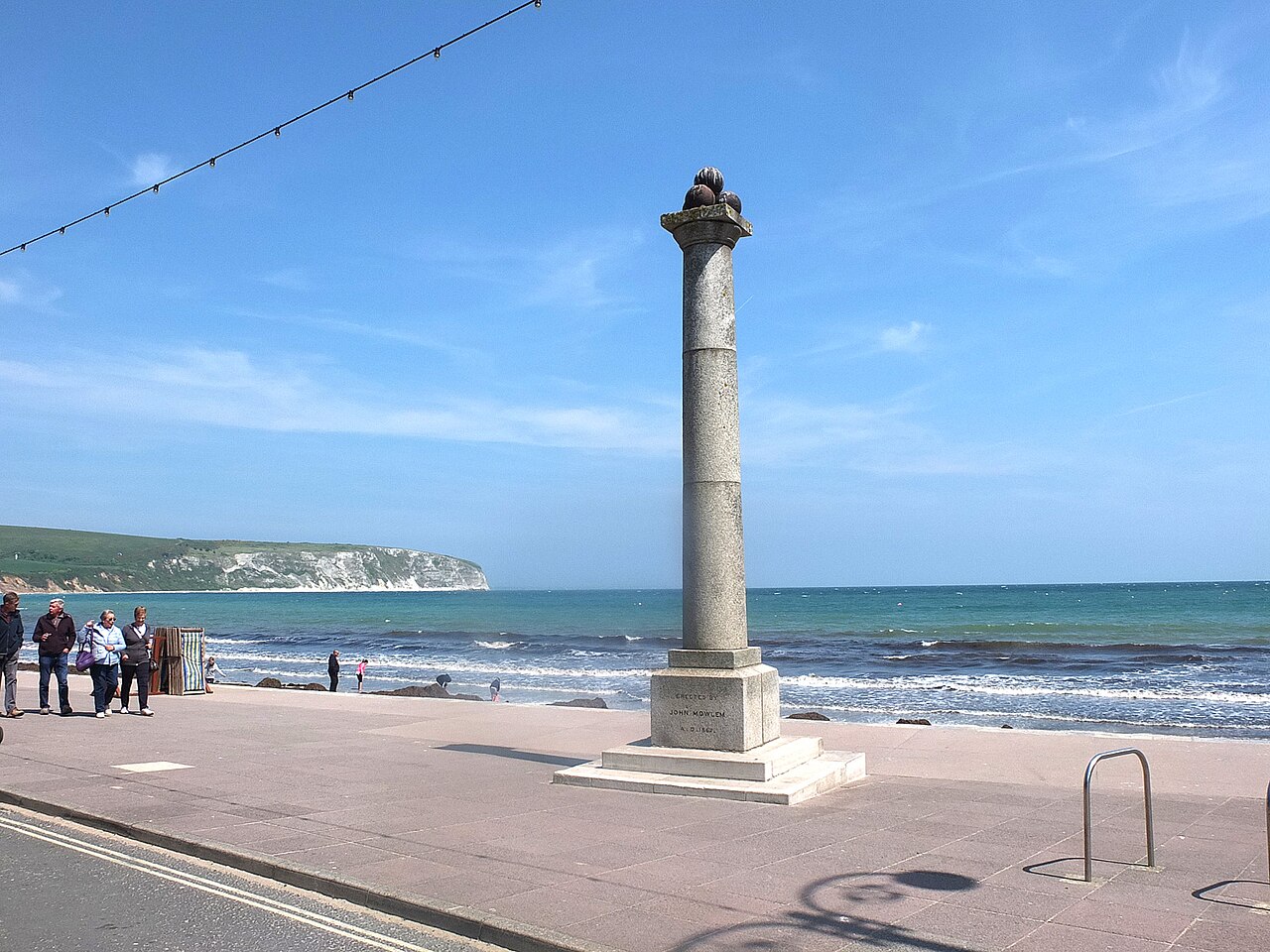 Sculpture
Secondary source
Gary Rogers · 2017 photograph
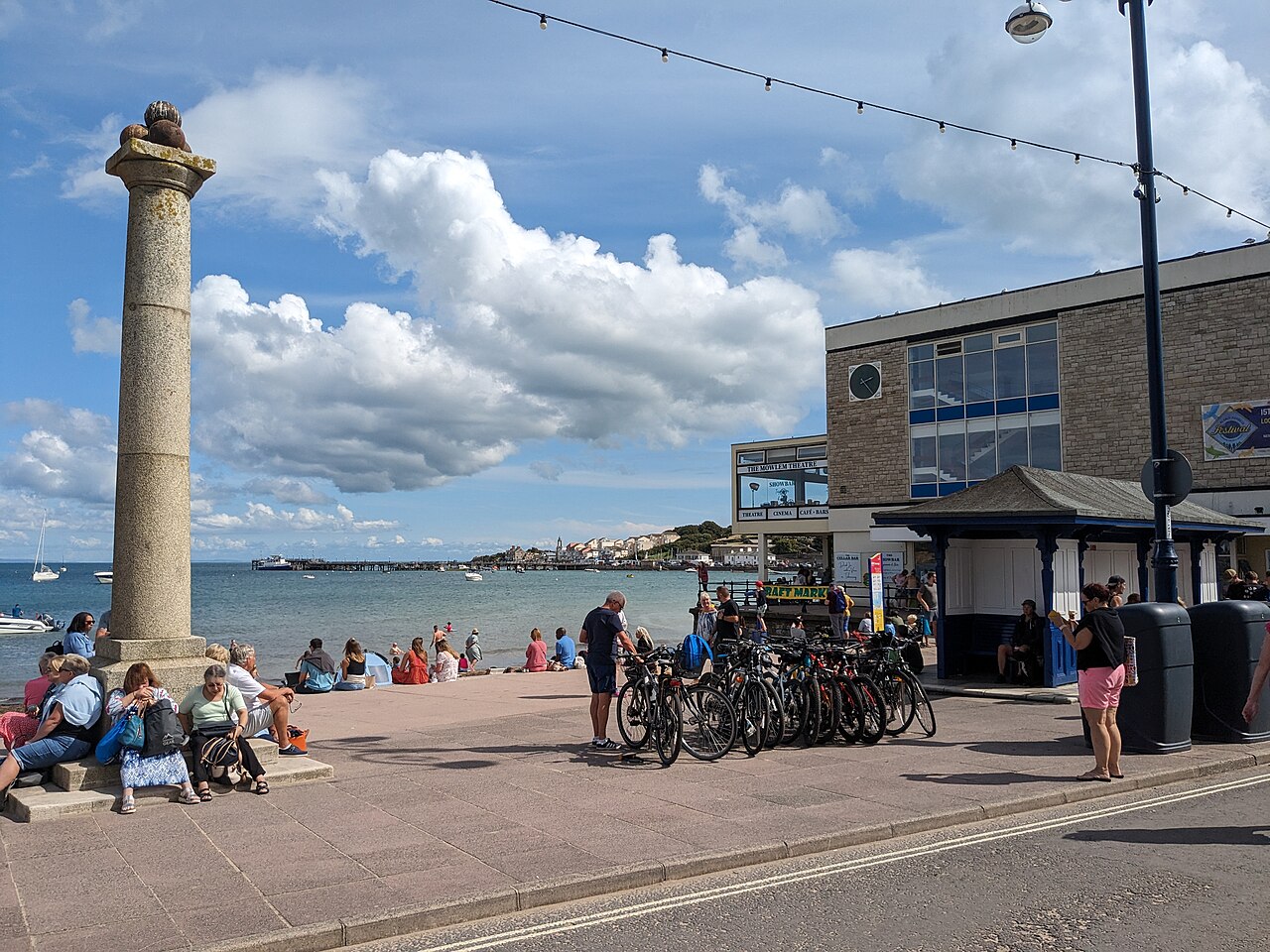 Sculpture
Secondary source
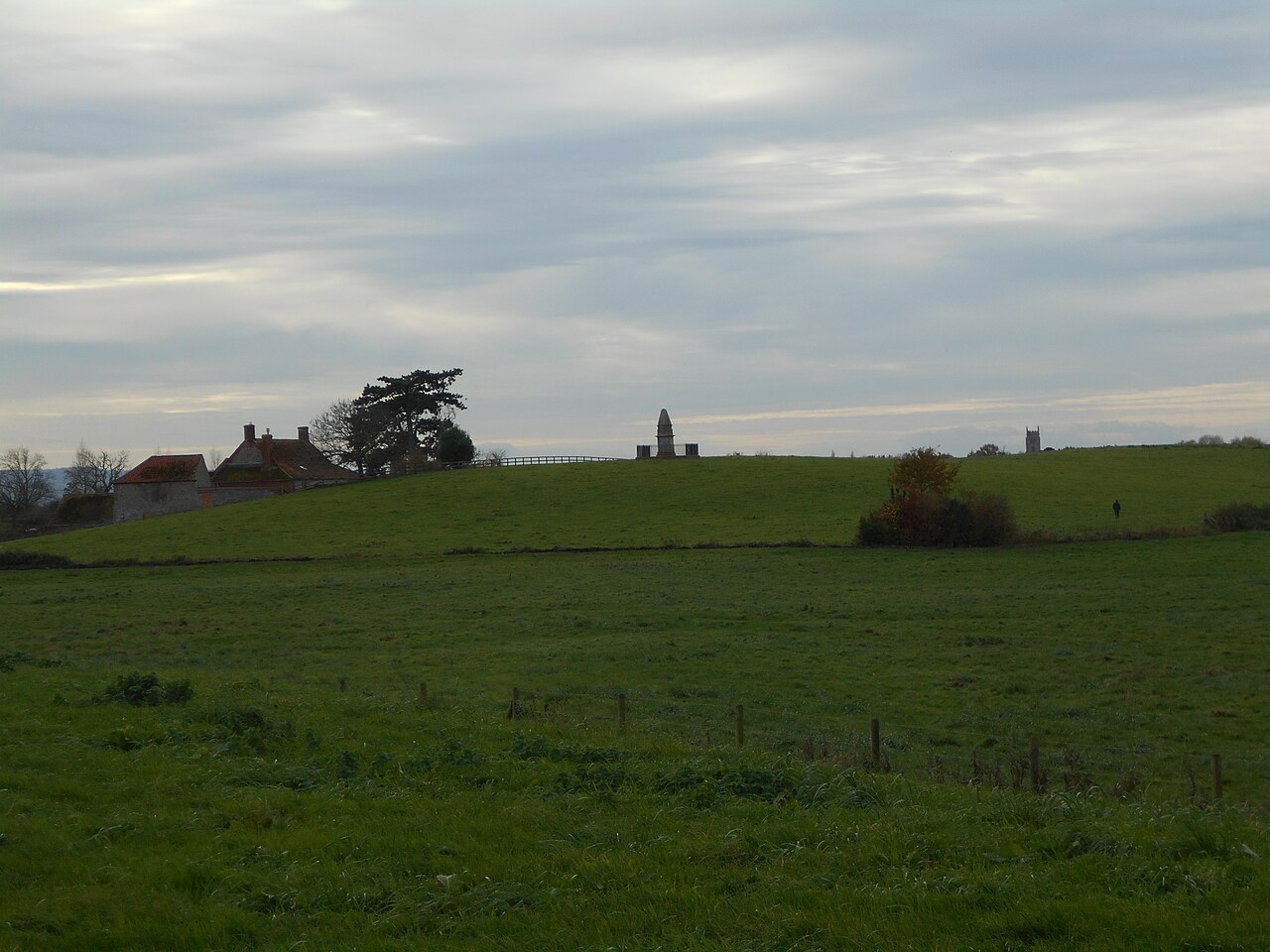 Sculpture
Secondary source
1801
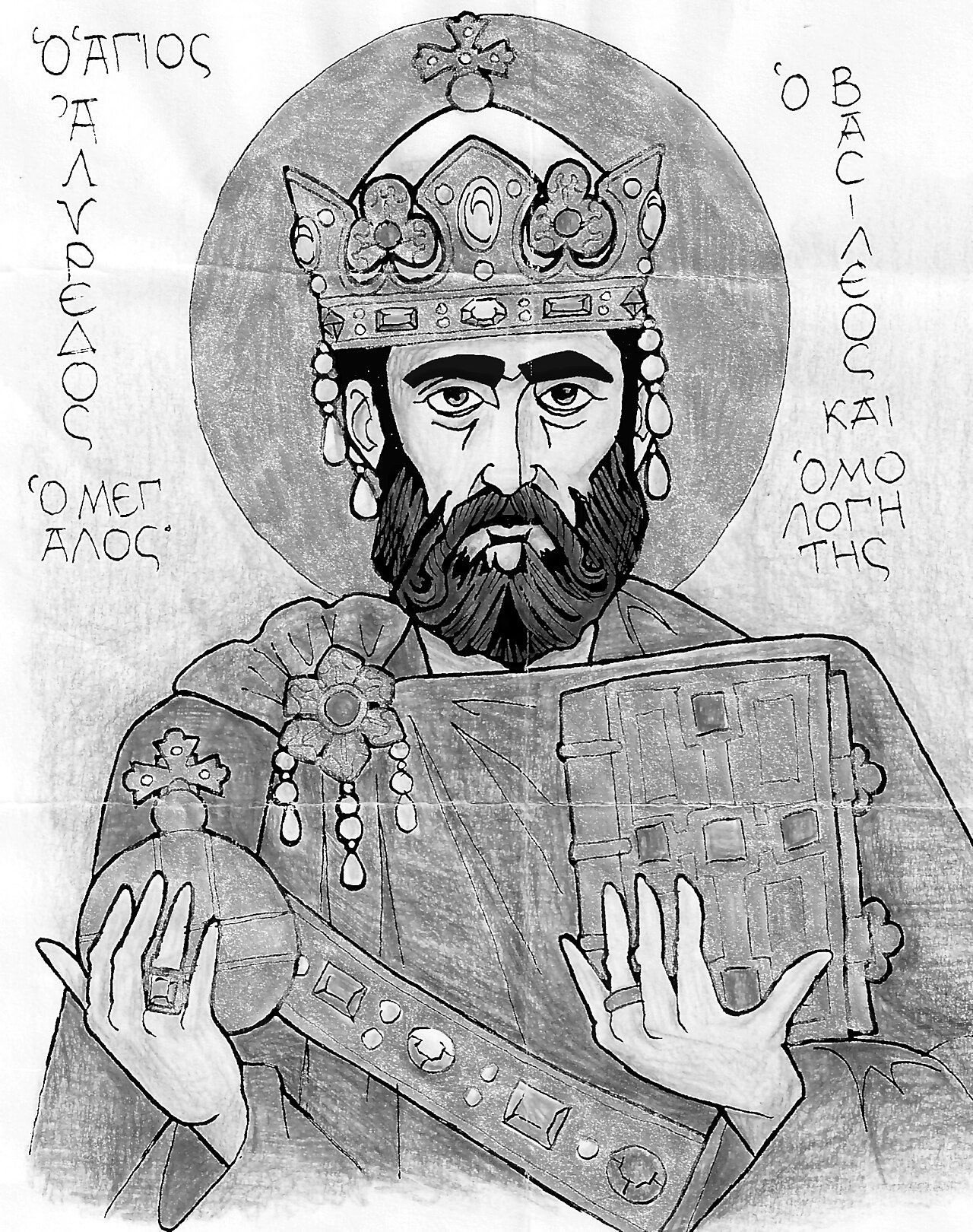 Painting
Secondary source
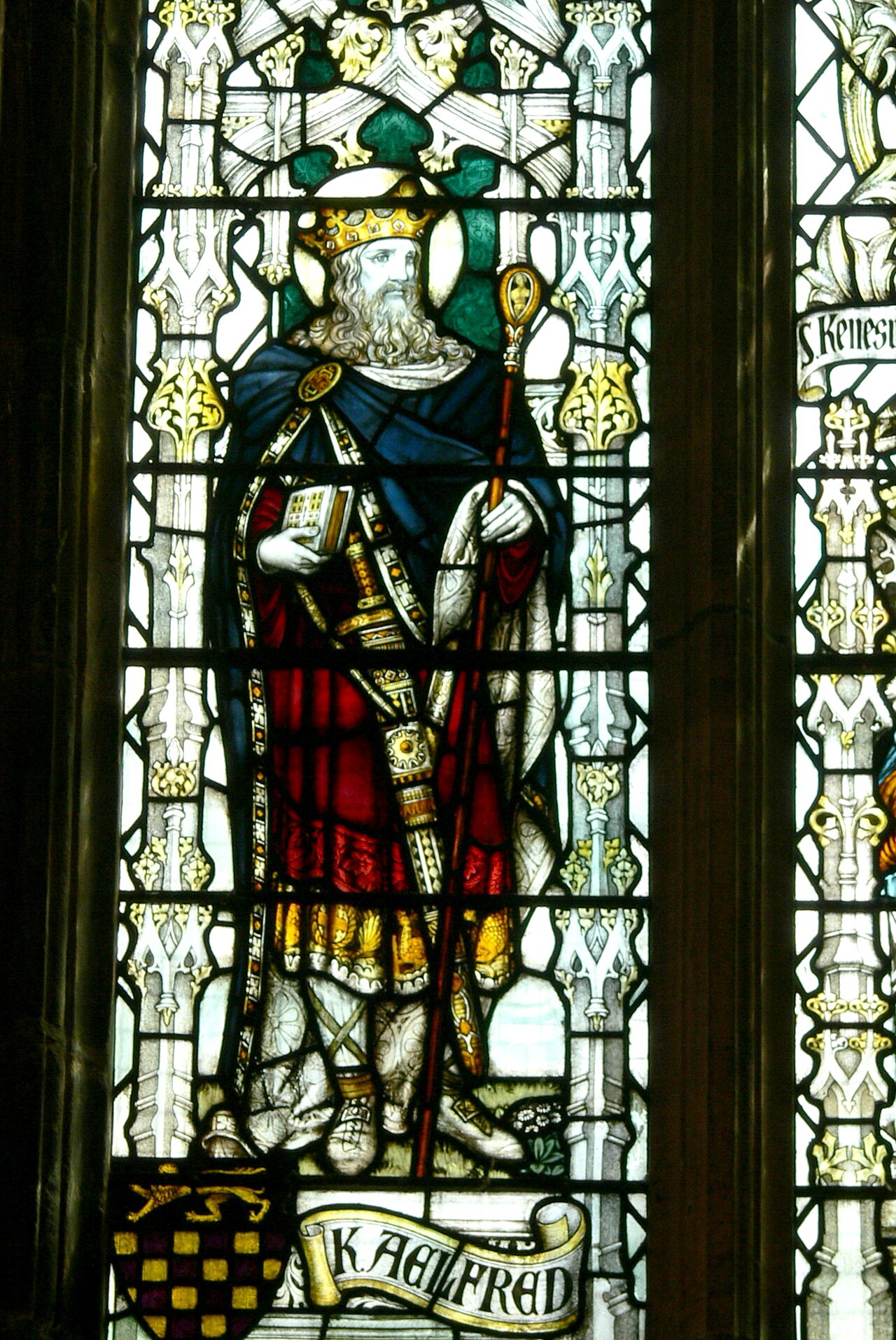 Artifact
Secondary source
1916
Want the full shelf? Chat with Alfred the Great in the app and open the Sources panel — every quote links back to the original.
2 collections
Ready-made collections from the Humy team that feature Alfred the Great. Preview any of them, then try it free.
Paying customers



























Dr. Michael Calvert
Assistant Superintendent, South Allegheny School District, Pennsylvania
Been using Humy in his district since 2024
“We enjoyed the program last year and used it frequently.”

Jacob Chisom
World and American History, Monticello High School, Arkansas
Been using Humy in his classroom since 2024
“My students say it’s a welcome change of pace. I’m not a fan of the “sage on the stage” model, so I try to incorporate research-oriented and self-paced activities. With Humy, students have to take charge of their learning. They’ve become more adept at critical thinking, forming better questions, and improving their reading comprehension. The interview feature has been my go-to tool. I create assignments where students must ask historical figures a set number of questions, then summarize the responses to ensure they’re truly absorbing the material. This approach lets them actively explore the past rather than passively consuming information.”
Roger Campbell
7th-grade World History, Lancaster County, Pennsylvania
Been using Humy in his classroom since 2024
“Humy has helped me bring historical figures, sometimes long past, to life. When my students interact with these figures in real-time, it eliminates some of the perceived “ancient” characteristics of my curriculum. This has shifted my students’ thinking away from viewing history as abstract or irrelevant. Real-time interactions make historical figures relatable, even allowing students to ask off-topic questions that help put historical lives in a more relevant context for 13-year-olds. The feature I use the most is the interview feature. After teaching a topic, most recently Gandhi and Joan of Arc, I have the students ask pointed, focused questions. We practice good conversation techniques beforehand, teaching them to listen (or read) carefully and formulate thoughtful follow-up questions rather than just interrogating. It helps students practice effective conversation skills.”
Dr. Michael Calvert
Assistant Superintendent, South Allegheny School District, Pennsylvania
Been using Humy in his district since 2024
“We enjoyed the program last year and used it frequently.”
Jacob Chisom
World and American History, Monticello High School, Arkansas
Been using Humy in his classroom since 2024
“My students say it’s a welcome change of pace. I’m not a fan of the “sage on the stage” model, so I try to incorporate research-oriented and self-paced activities. With Humy, students have to take charge of their learning. They’ve become more adept at critical thinking, forming better questions, and improving their reading comprehension. The interview feature has been my go-to tool. I create assignments where students must ask historical figures a set number of questions, then summarize the responses to ensure they’re truly absorbing the material. This approach lets them actively explore the past rather than passively consuming information.”
Roger Campbell
7th-grade World History, Lancaster County, Pennsylvania
Been using Humy in his classroom since 2024
“Humy has helped me bring historical figures, sometimes long past, to life. When my students interact with these figures in real-time, it eliminates some of the perceived “ancient” characteristics of my curriculum. This has shifted my students’ thinking away from viewing history as abstract or irrelevant. Real-time interactions make historical figures relatable, even allowing students to ask off-topic questions that help put historical lives in a more relevant context for 13-year-olds. The feature I use the most is the interview feature. After teaching a topic, most recently Gandhi and Joan of Arc, I have the students ask pointed, focused questions. We practice good conversation techniques beforehand, teaching them to listen (or read) carefully and formulate thoughtful follow-up questions rather than just interrogating. It helps students practice effective conversation skills.”
FAQ
Like any LLM, the AI version of Alfred the Great can get details wrong. Open one of these sources in a new tab to verify what you’ve read.

King of Denmark, England, Norway, and parts of Sweden in the 11th century.

King of England from 939 to 946, known for his successful military campaigns and efforts to reinforce royal control.

King of the Anglo-Saxons. Son of Alfred the Great.

Anglo-Saxon King of England defeated by William the Conqueror in the Battle of Hastings in 1066.

Viking king of Denmark and England.

King of Wessex in the 9th century.
Ready when you are
20 messages free · No credit card · Available in 50+ languages.