


Primary sourcePainting1782
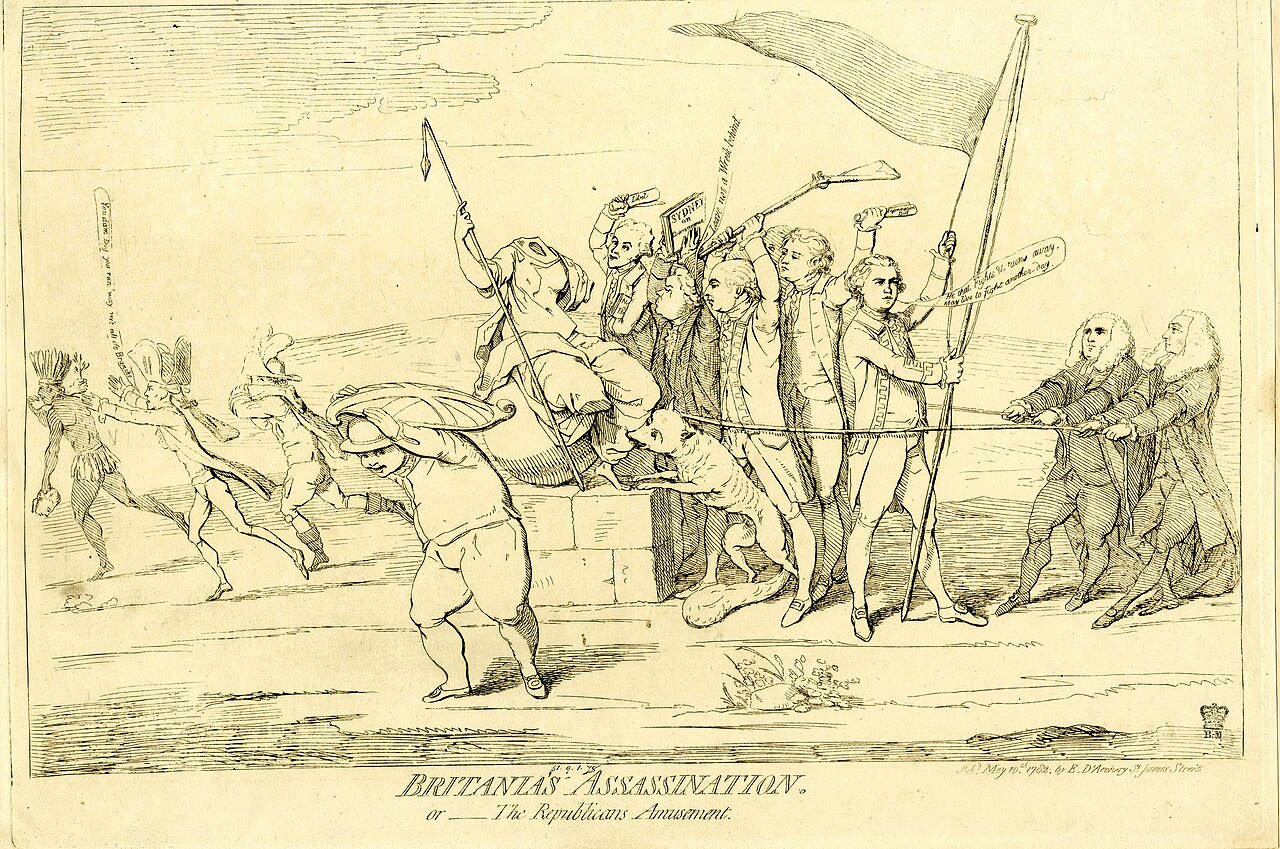
Britania's Assassination, or the Republicans Amusement
James Gillray · 1782
A 1782 satirical print, attributed to Gillray in the record, showing a crowd toppling a headless statue of Britannia. It comments on the fall of North's government.
This 1782 print comments on the fall of North's government and the ministry that followed, which is why it belongs in his archive.
About this source
What it is
This is an engraved caricature published by Elizabeth Darchery, dated 1782 and attributed in the record to James Gillray. Its title is Britania's Assassination, or the Republicans Amusement. The print shows a crowd pulling ropes and poles to topple a headless stone statue of Britannia on a square base. A figure with a fox's head bites her leg, and two men in judges' robes pull on the ropes. The museum-style description names the individual figures, such as Wilkes and Keppel, as the Commons record describes them.
Why it matters
The print comments on the new ministry that replaced North's government in 1782. It shows how satirists presented political change as an attack on the nation, using Britannia as its symbol. The naming of real politicians and judges shows how caricature was used to comment on public men of the period, and how the public was invited to judge them.
Look closer
- Who is attacking the statue, and who is shown as defending it?
- Why might the artist show the nation as a damaged statue rather than a living figure?
- What would a 1782 viewer have needed to know to recognize each person in the crowd?
This painting is part of the curated material that grounds the AI version of Lord Frederick North on Humy.ai — when students ask about related events, the AI can quote it and cite it.
More Lord Frederick North sources
Meet the AI Lord Frederick North →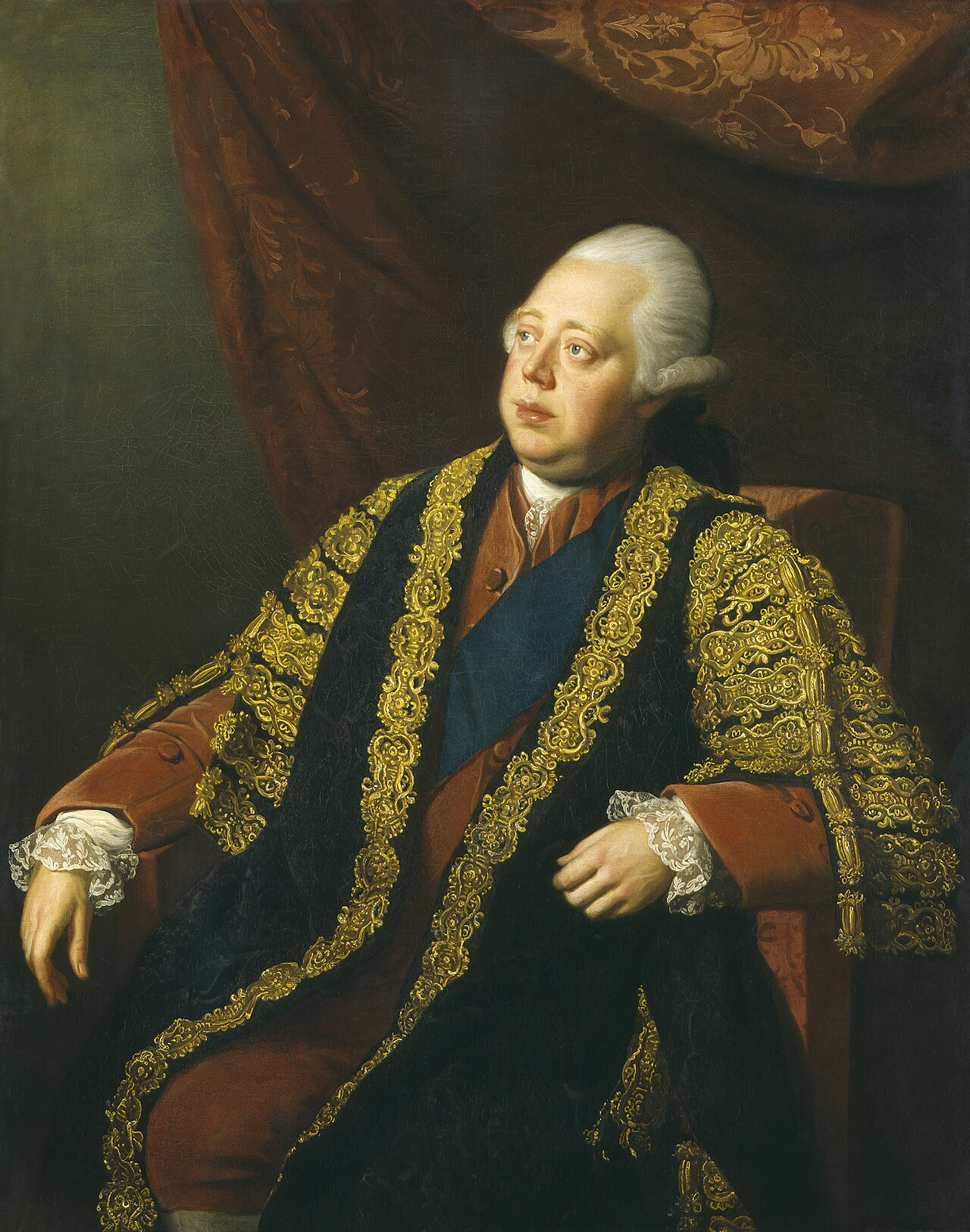 Painting
Primary source
Frederick North, 2nd Earl of Guilford
Nathaniel Dance-Holland · 1773
 Painting
Primary source
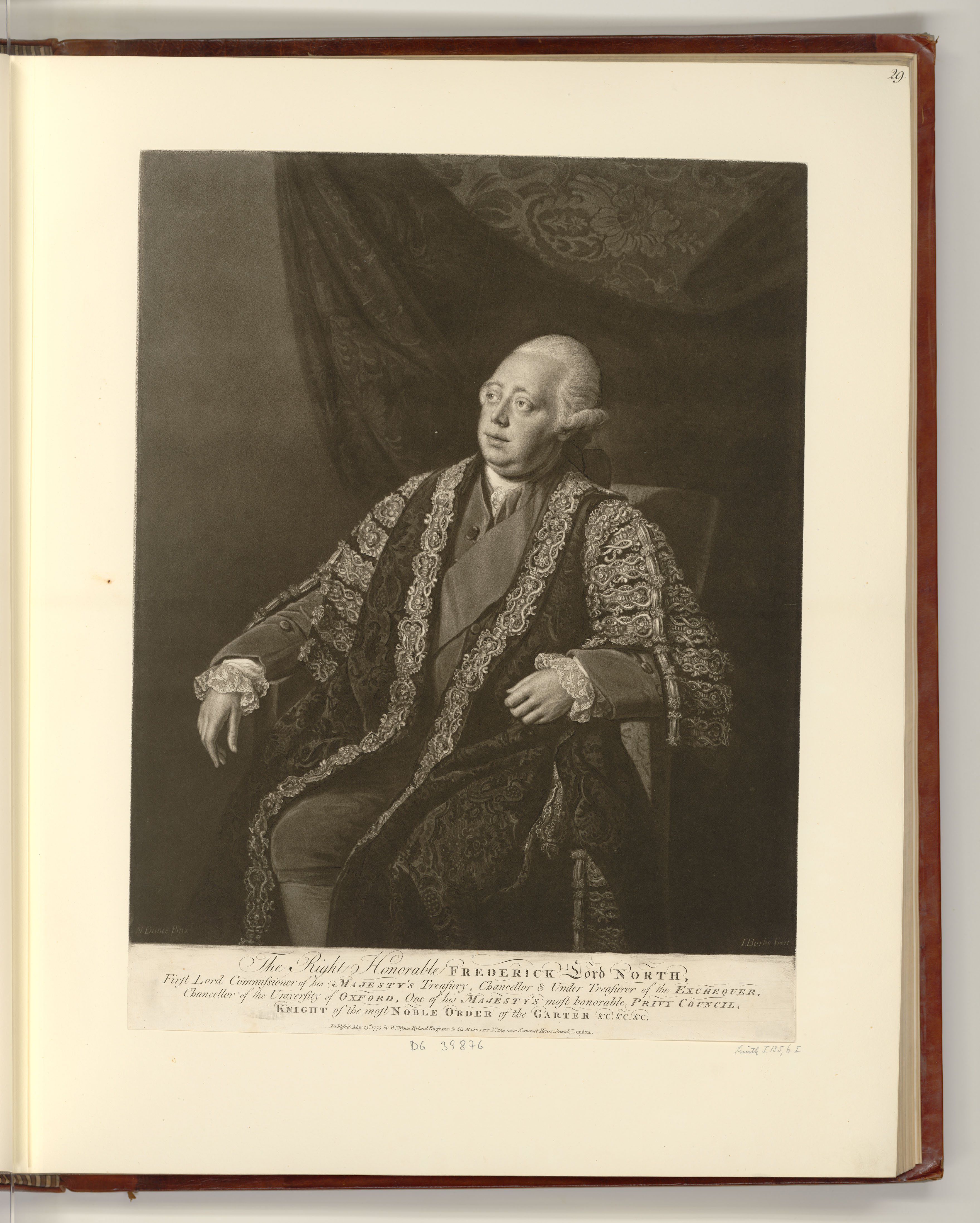
The Right Honourable Frederick, Lord North
1775
 Painting
Primary source
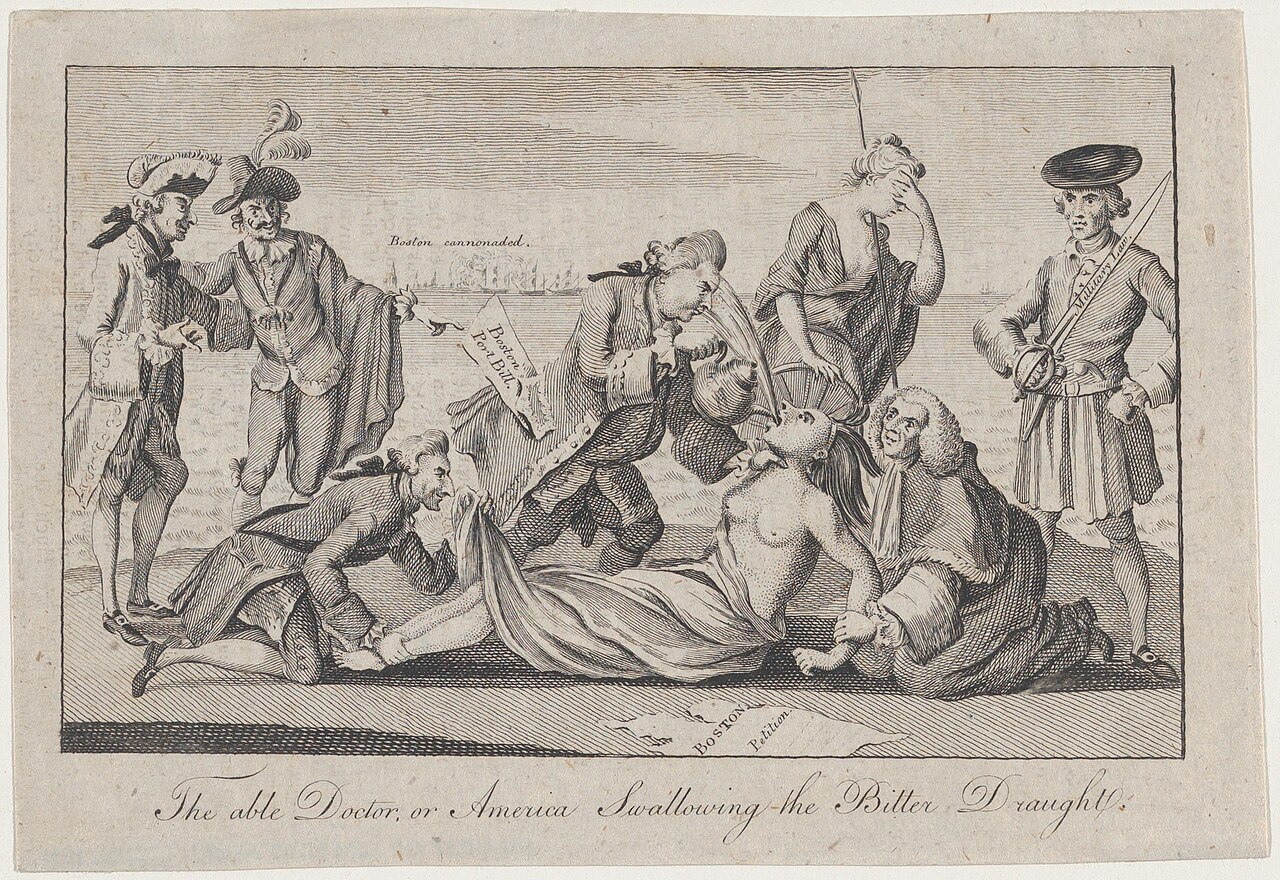
The Able Doctor, or America Swallowing the Bitter Draught
Anonymous, British, 18th century · 1774
 Document
Primary source
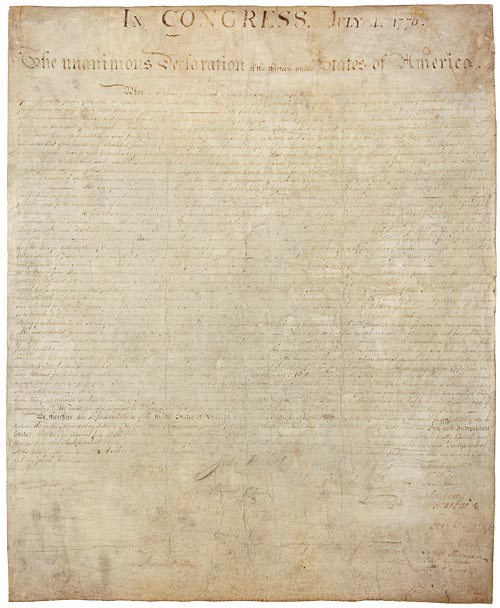
Declaration of Independence
Continental Congress (drafted by Thomas Jefferson) · 1776
 Document
Primary source
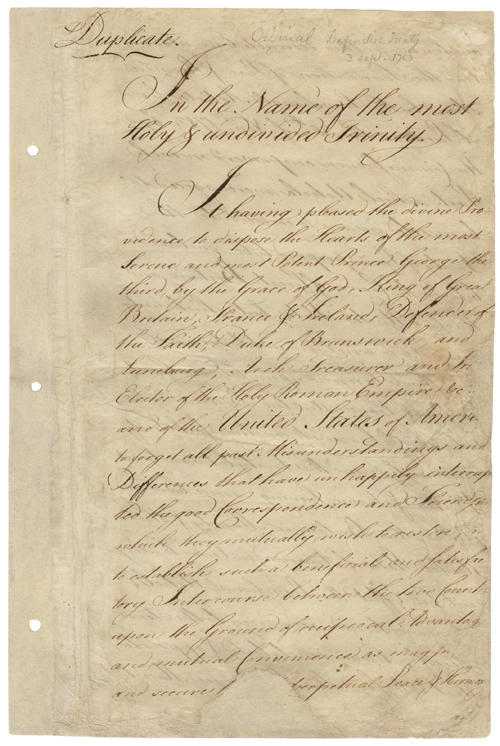
Treaty of Paris
3 September 1783
Ready when you are
Start chatting with Lord Frederick North now.
20 messages free · No credit card · Available in 50+ languages.