


Secondary sourceSculpturePresented 1977; photographed 29 July 2015
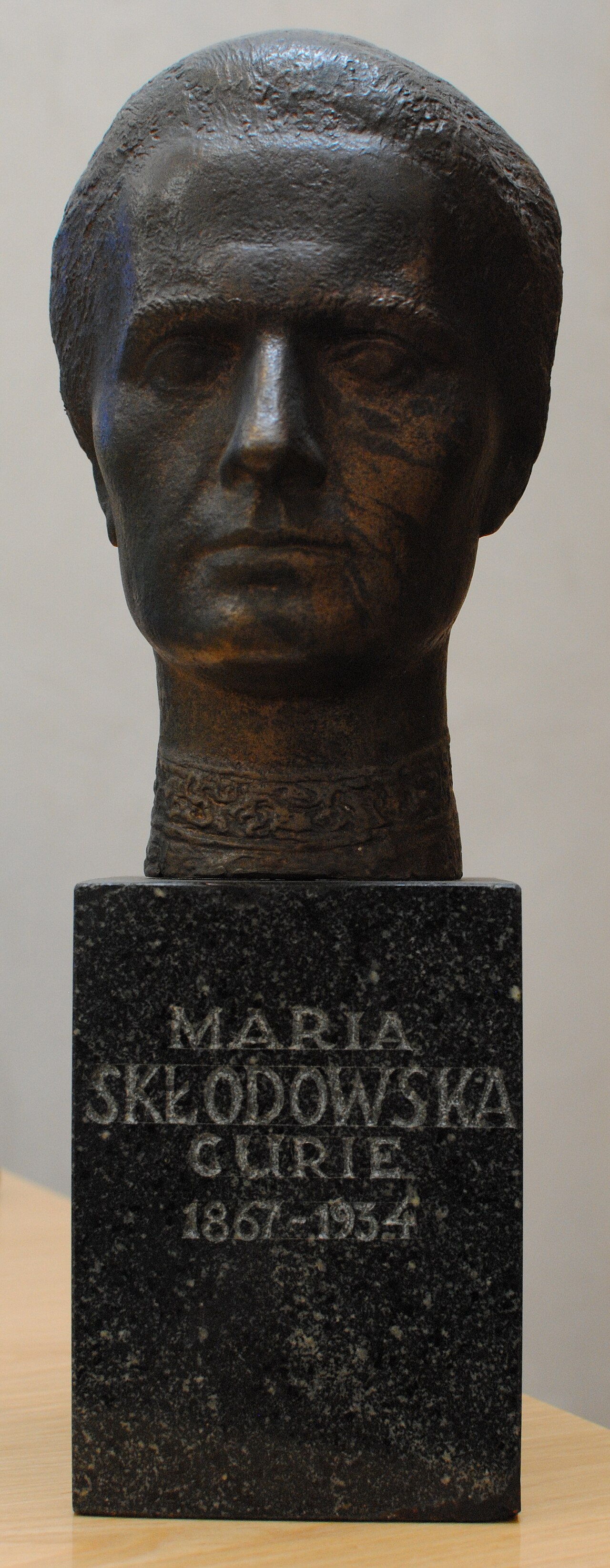
Bronze Bust of Marie Curie, Burlington House
Presented 1977; photographed 29 July 2015
A bronze bust of Marie Curie given by the Polish Chemical Society in 1977, now held by the Royal Society of Chemistry in London.
A bust honouring Marie Curie as a scientist, presented between chemistry institutions to mark her enduring reputation.
About this source
What it is
This bronze bust of Marie Curie sits on a green marble stand at the Royal Society of Chemistry's headquarters at Burlington House in London. It was presented by the Polish Chemical Society to the Royal Institute of Chemistry in 1977 to mark that institute's hundredth anniversary. The stand is engraved in gold lettering with her name, Maria Skłodowska Curie, and the dates 1867-1934.
Why it matters
This gift from the Polish Chemical Society shows how Marie Curie, born in Poland, is honoured internationally by chemistry institutions as one of the field's most important figures. Its presence at a major British scientific society highlights how her discoveries in radioactivity shaped chemistry and physics well beyond her home country.
Look closer
- Why might a Polish scientific society choose to give this bust to a British institution?
- What does the stern expression chosen by the sculptor suggest about how Curie is portrayed?
- What is left out of a bust like this that a full biography might include?
This sculpture is part of the curated material that grounds the AI version of Marie Curie on Humy.ai — when students ask about related events, the AI can quote it and cite it.
More Marie Curie sources
Meet the AI Marie Curie →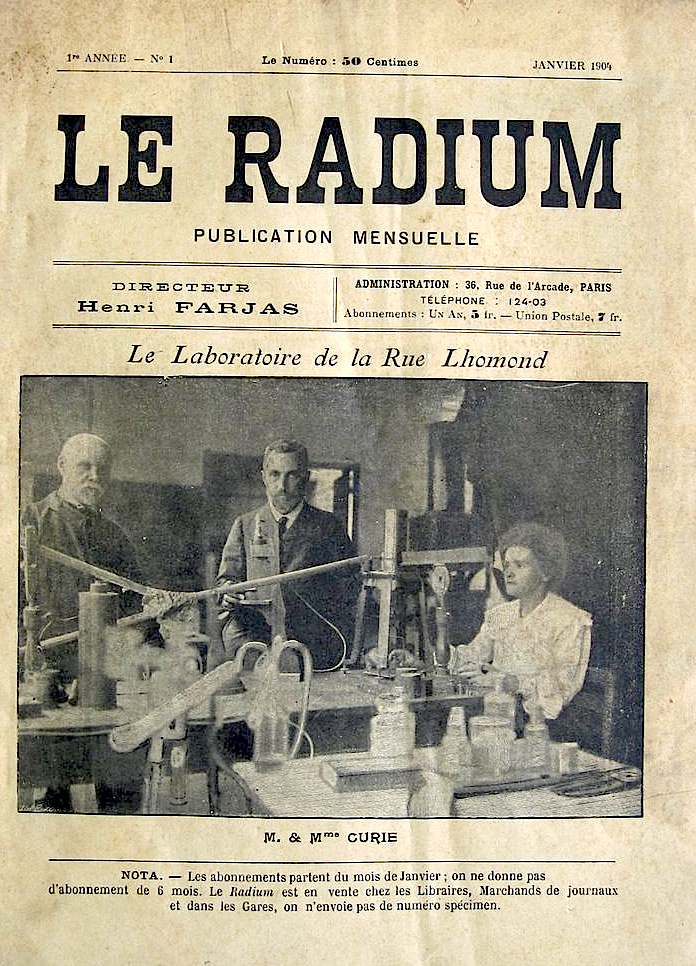 Photograph
Primary source
Photograph of Pierre and Marie Curie in their Laboratory, rue Lhomond
c. 1898-1904
 Book
Primary source
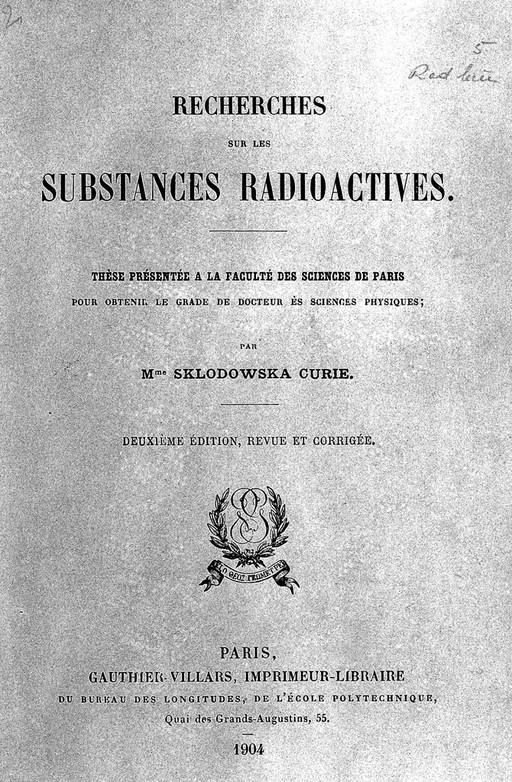
Recherches sur les substances radioactives
Marie Curie · 1904
Primary source
Rayons émis par les composés de l'uranium et du thorium
Marie Curie · 12 April 1898
 Artifact
Primary source
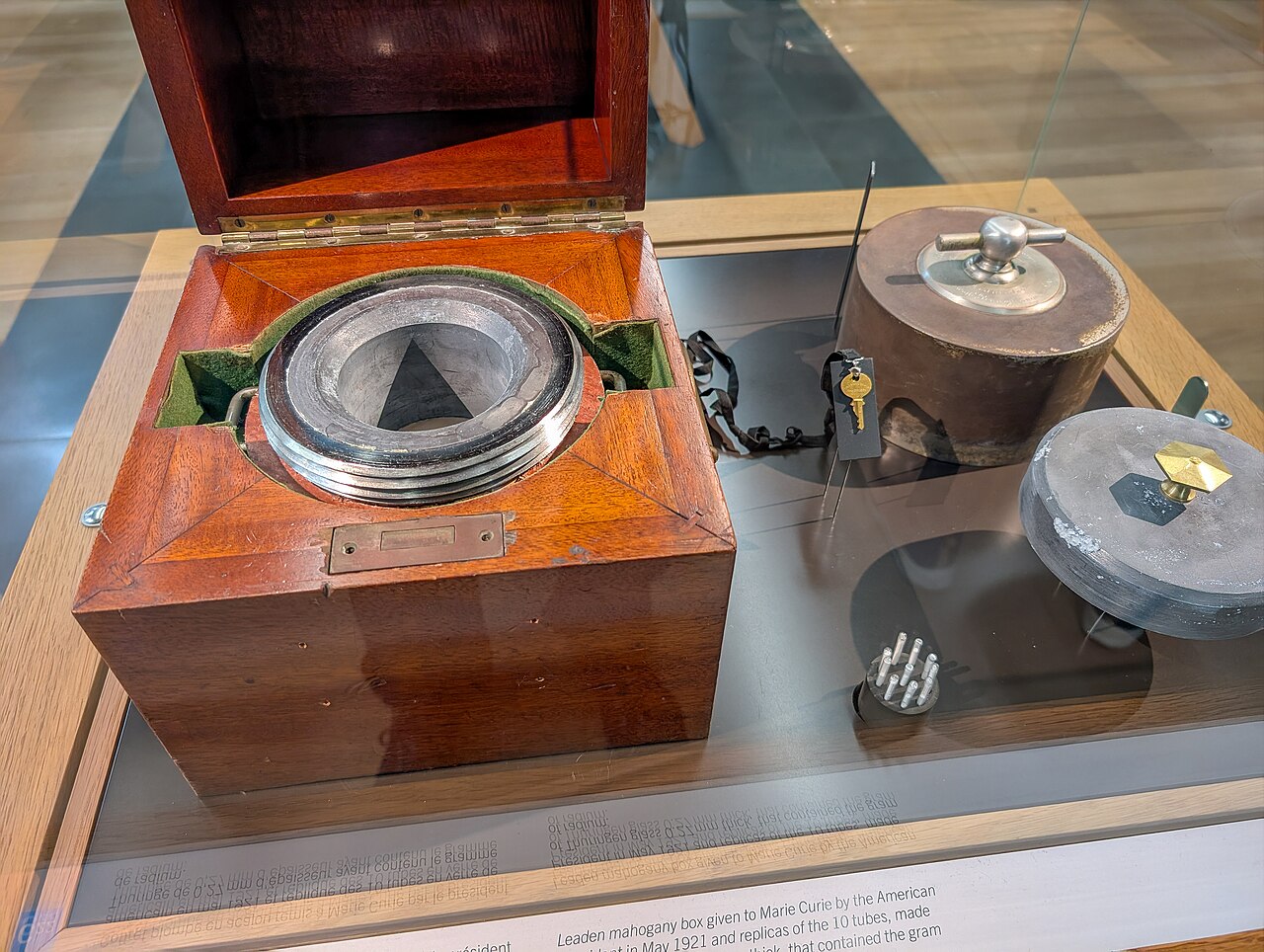
International Radium Standard
Marie Curie · 1911
 Artifact
Primary source
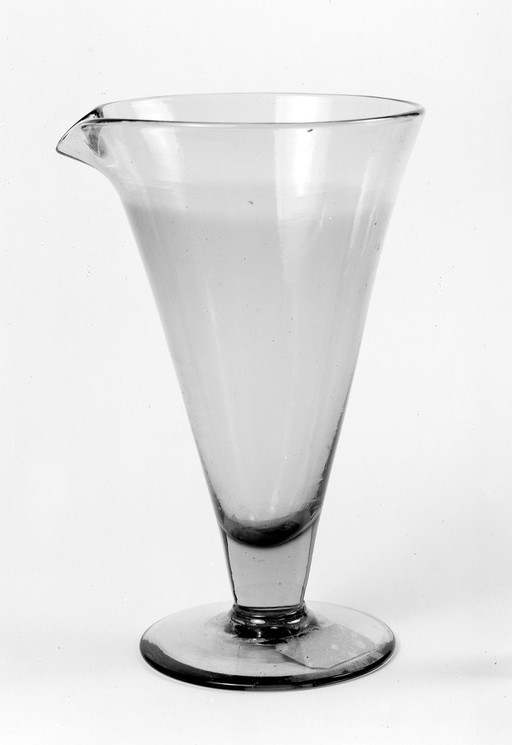
Glass beaker used for the first radium salt solution
Ready when you are
Start chatting with Marie Curie now.
20 messages free · No credit card · Available in 50+ languages.