


Primary sourceSculpturec. 1539-1540
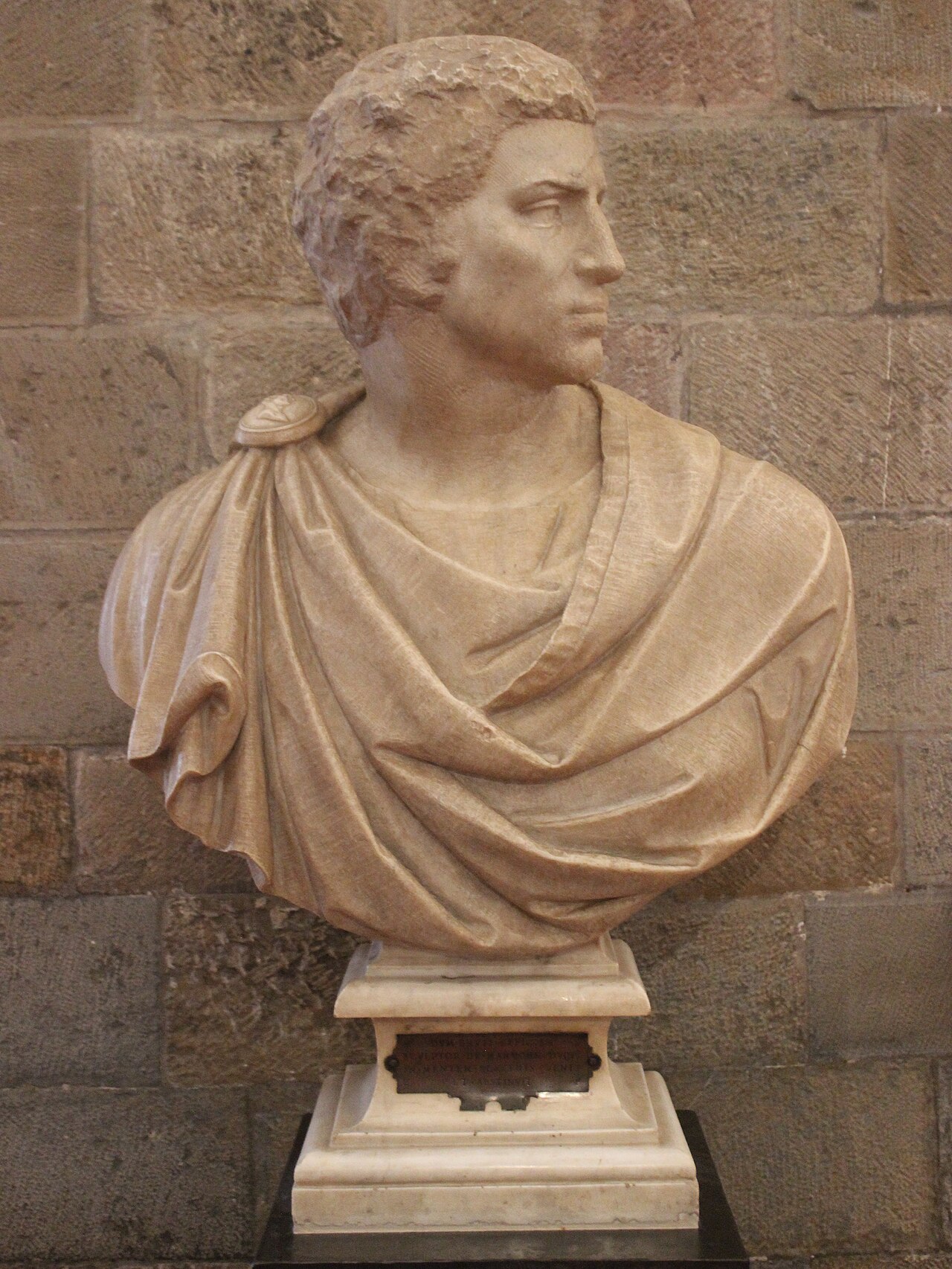
Brutus
Michelangelo · c. 1539-1540
A marble bust of Marcus Junius Brutus carved by Michelangelo, celebrating resistance to tyranny after the fall of the Florentine Republic.
Michelangelo carved this bust of a tyrannicide, revealing his own republican sympathies after Medici rule returned.
About this source
What it is
This marble bust of the Roman tyrannicide Marcus Junius Brutus was carved by Michelangelo, likely around 1539-1540, and is now in the Bargello museum in Florence. It was commissioned by the republican exile Donato Giannotti for Cardinal Niccolò Ridolfi.
Why it matters
Michelangelo made this bust years after the defeat of the Florentine Republic, while remaining in contact with former republican leaders who opposed Medici rule. Scholars see it as an expression of his own political views, glorifying resistance to tyranny, and contemporaries may have connected it with the recent assassination of a Medici duke. The work also helped revive the classical portrait bust as an art form.
Look closer
- Why might Michelangelo have left this bust unfinished, and what might that suggest about its purpose?
- What does the asymmetrical, emotional face suggest about how the sculptor wanted viewers to read Brutus's character?
- How could a portrait bust of an ancient Roman figure carry a political message about events of Michelangelo's own time?
This sculpture is part of the curated material that grounds the AI version of Michelangelo Buonarroti on Humy.ai — when students ask about related events, the AI can quote it and cite it.
More Michelangelo Buonarroti sources
Meet the AI Michelangelo Buonarroti →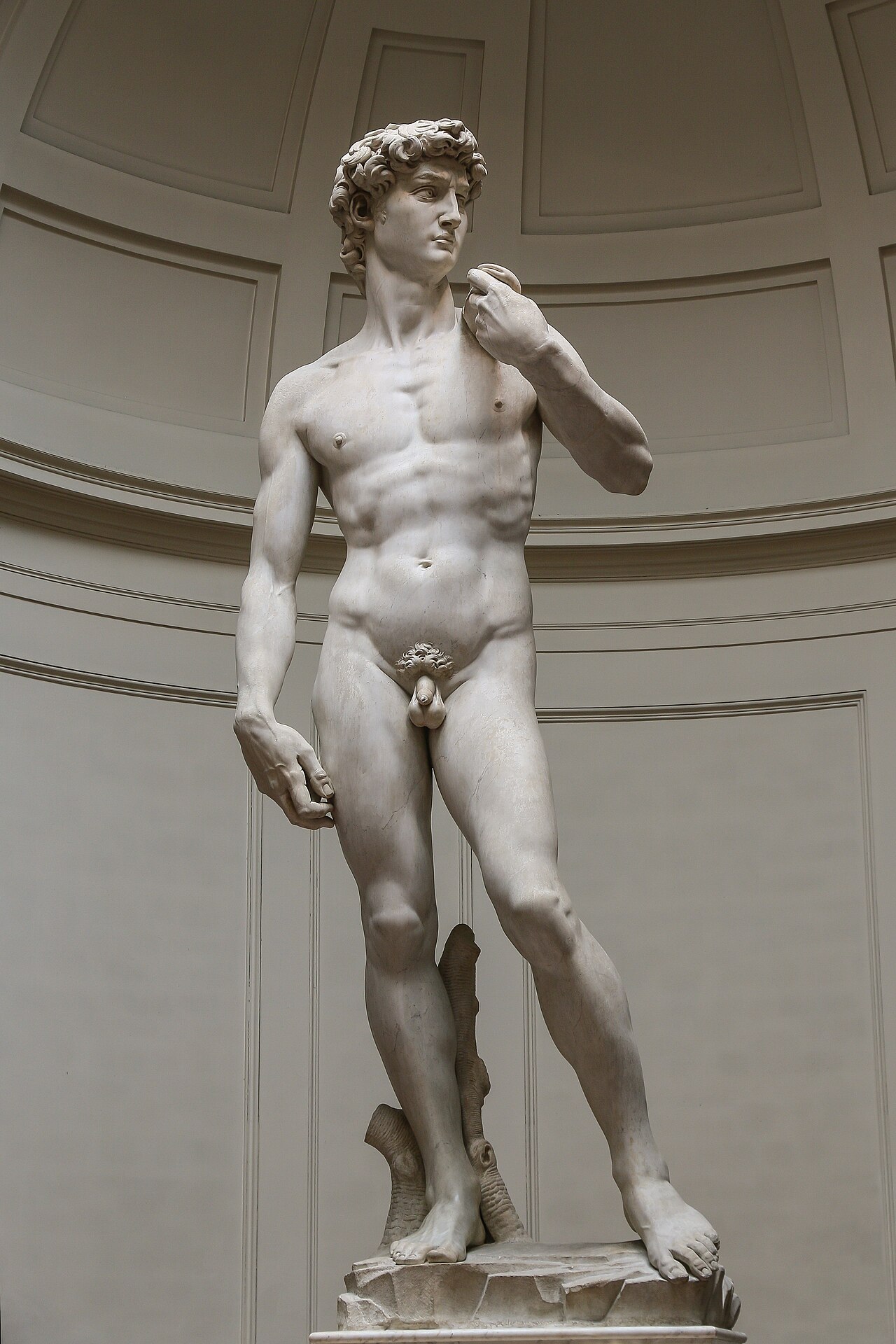 Sculpture
Primary source
David
Michelangelo · 1501-1504
 Artifact
Primary source
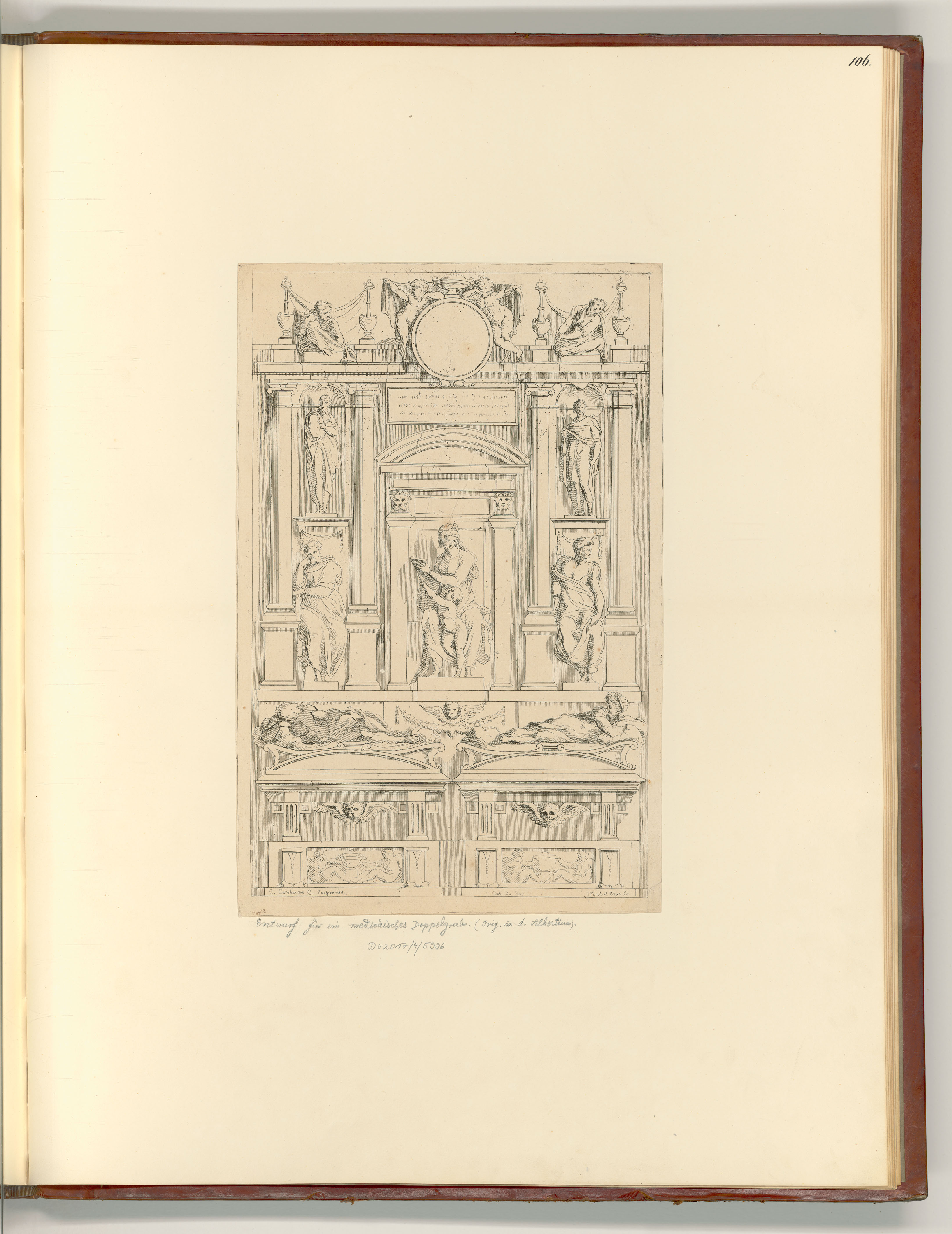
Elevation of a Planned Double Tomb for the Magnifici, Medici Chapel
unbestimmt
 Painting
Primary source
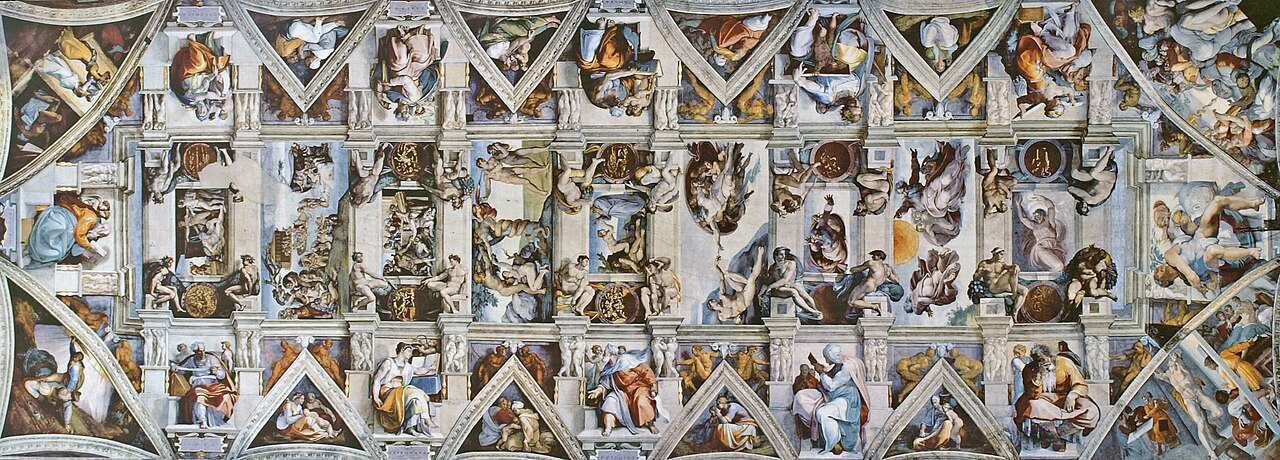
Sistine Chapel ceiling
Michelangelo · 1508-1512
 Painting
Secondary source
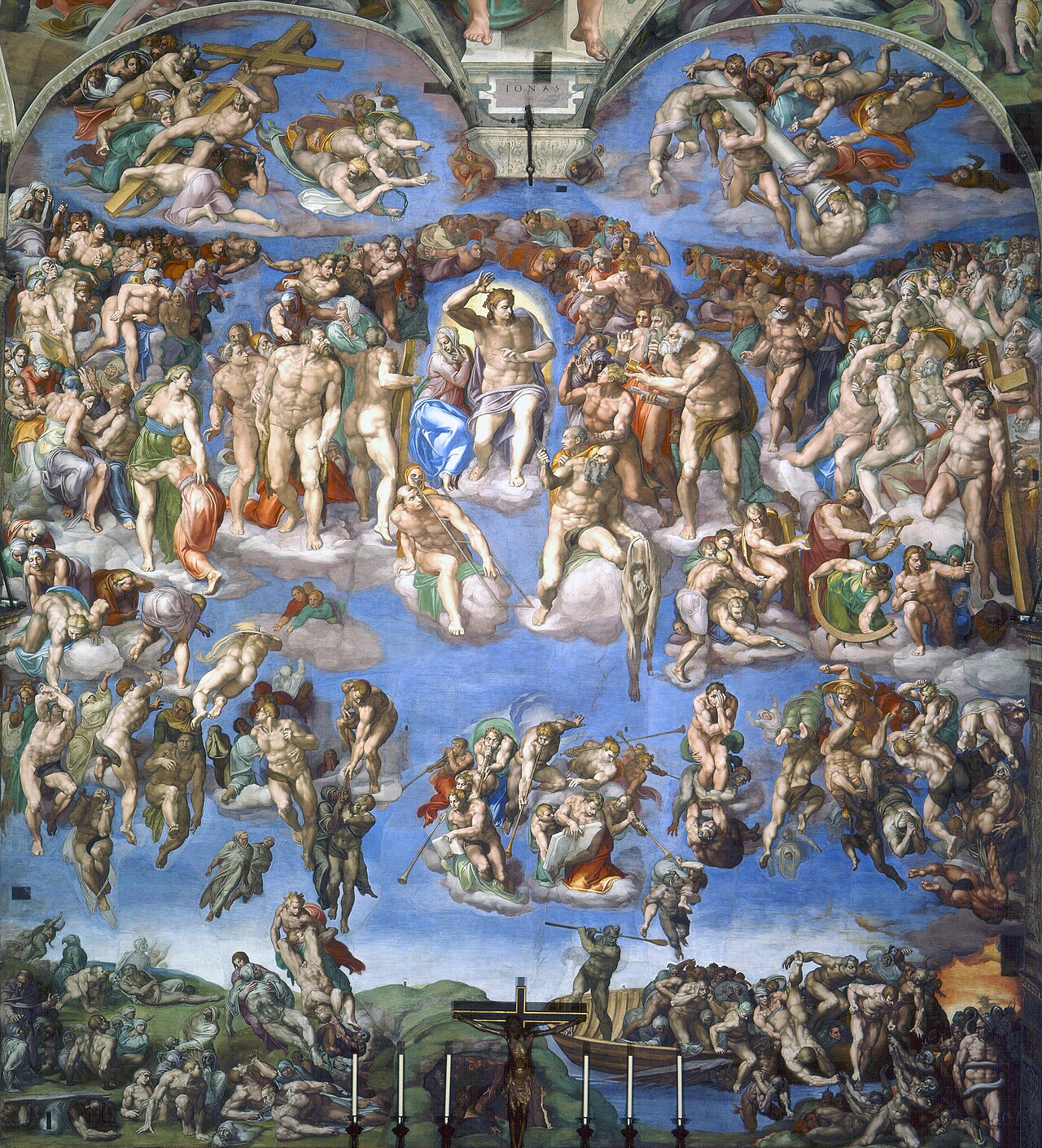
The Last Judgment
Michelangelo · 1536-1541
 Photograph
Secondary source
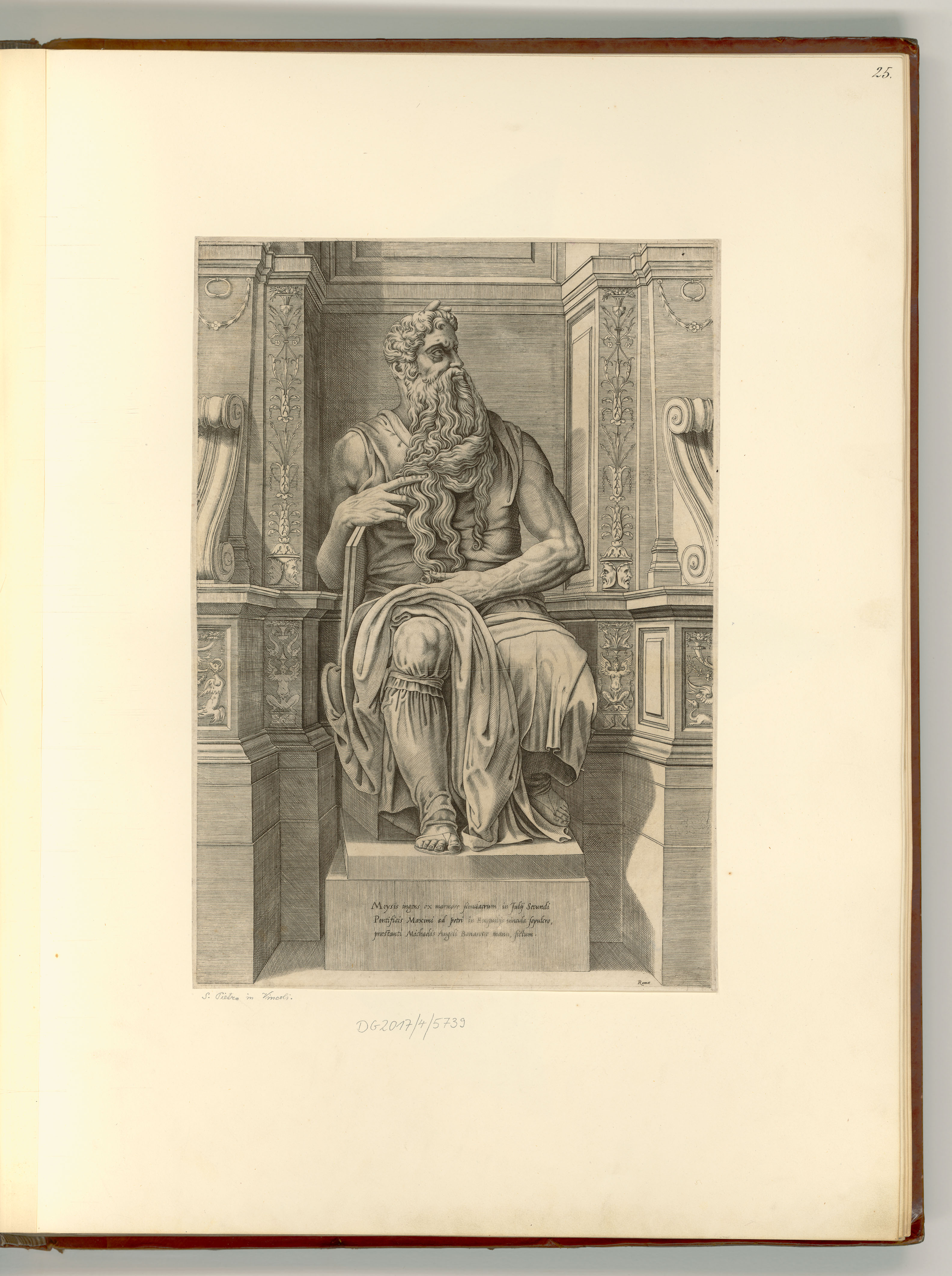
Statue of Moses by Michelangelo, San Pietro in Vincoli
unbestimmt
Ready when you are
Start chatting with Michelangelo Buonarroti now.
20 messages free · No credit card · Available in 50+ languages.