


Primary sourceArtifact15th century
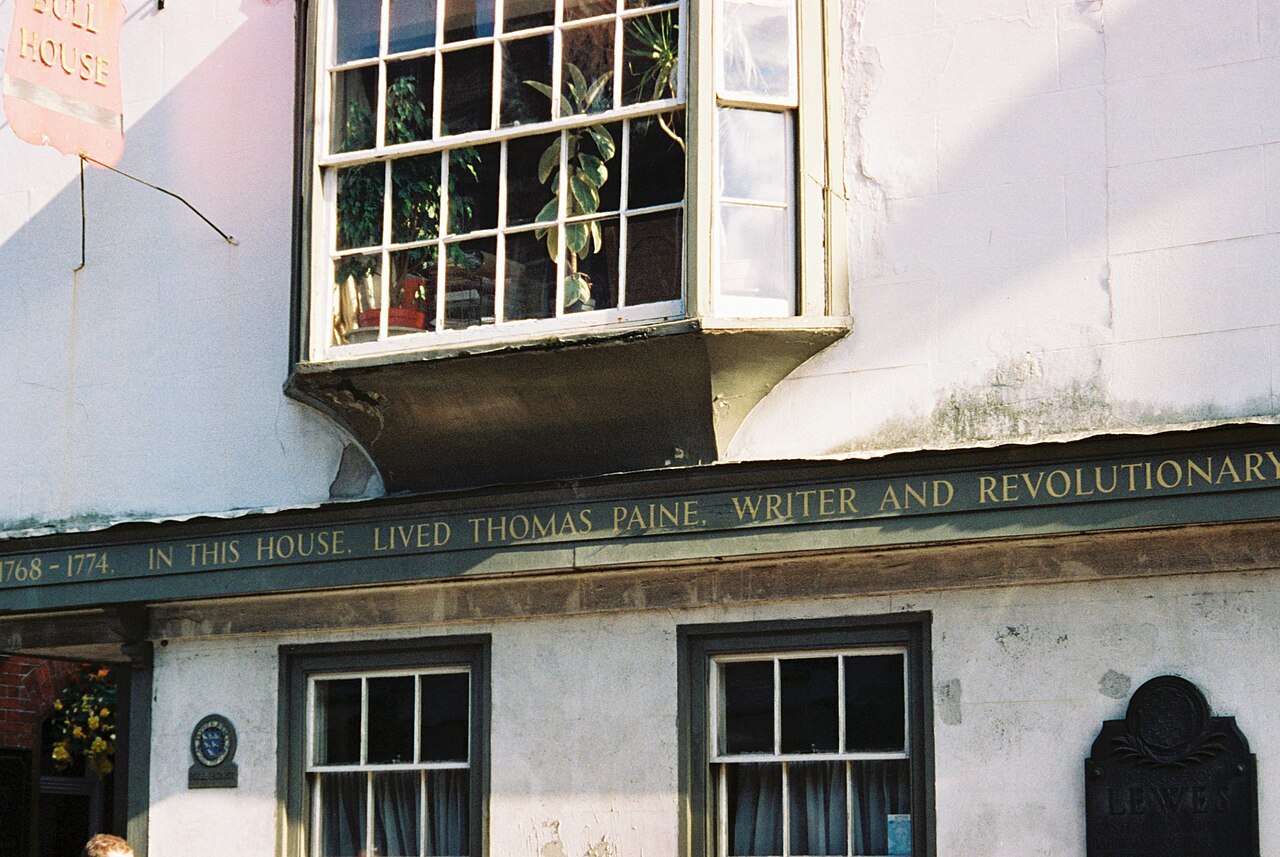
Bull House, Lewes
15th century
The 15th-century house above a tobacco shop in Lewes, England, where Thomas Paine lived and began his career in civic and political life.
Paine's home in Lewes, where he began the civic and political involvement that shaped his later writing.
About this source
What it is
Bull House is a 15th-century building in Lewes, Sussex, England. Thomas Paine lived here above the tobacco shop owned by Samuel and Esther Ollive after he was appointed to Lewes as an excise officer in 1768. It is cared for by the Sussex Archaeological Society.
Why it matters
Lewes had a long tradition of opposing the monarchy and supporting republican ideas. Living here, Paine became active in local government, joining the Court Leet and the parish vestry. These early experiences in civic life, in a town already sympathetic to republican ideas, helped shape the political thinking he later put into his famous writings.
Look closer
- Why might living in a town with a history of anti-monarchy feeling have influenced Paine's later ideas?
- What do Paine's local duties — collecting taxes, helping the poor — suggest about his early political education?
- What does the building's plaque tell visitors, and what does it leave unsaid about Paine's later life?
This artifact is part of the curated material that grounds the AI version of Thomas Paine on Humy.ai — when students ask about related events, the AI can quote it and cite it.
More Thomas Paine sources
Meet the AI Thomas Paine →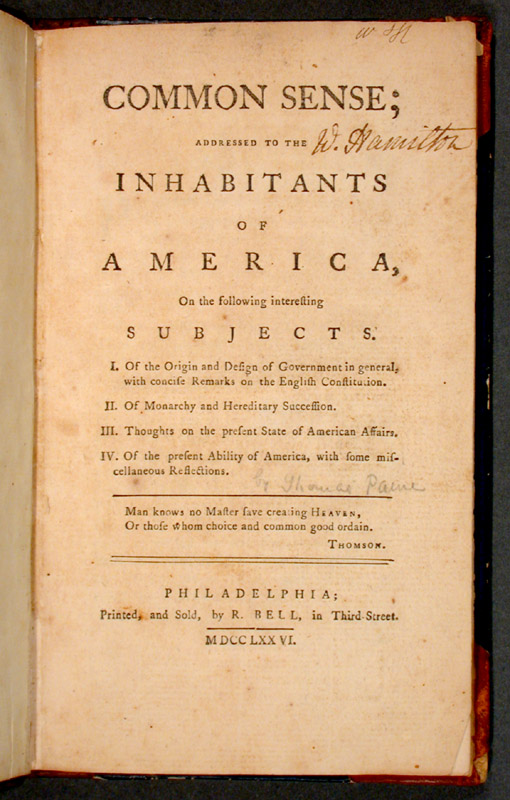 Book
Primary source
Common Sense
Thomas Paine · 10 January 1776
 Book
Primary source
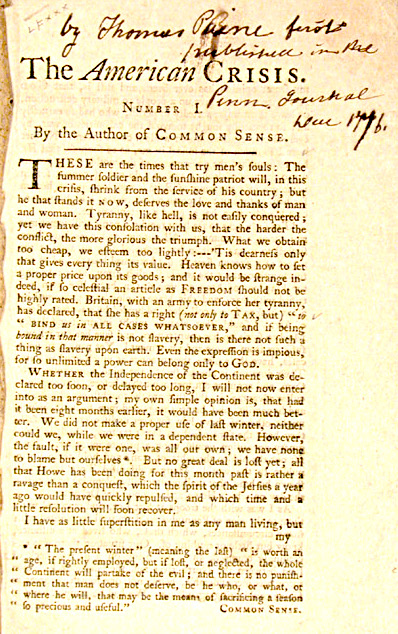
The American Crisis
Thomas Paine · 1776-1783
 Book
Primary source
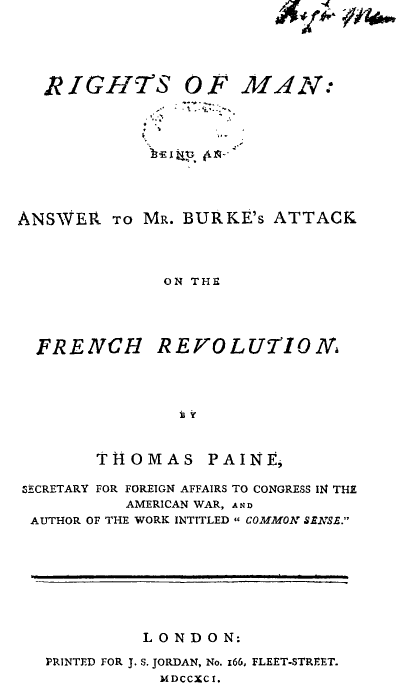
Rights of Man
Thomas Paine · 1791-1792
 Book
Primary source
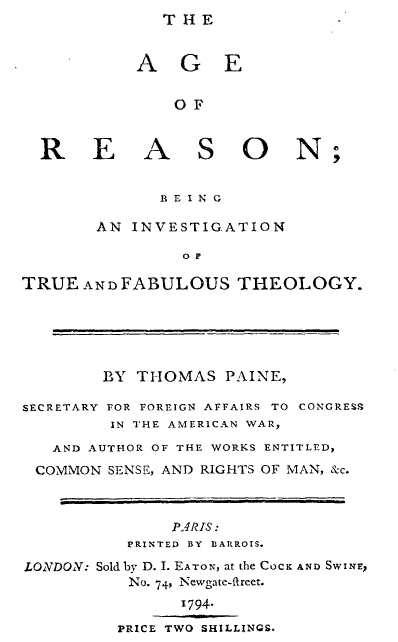
The Age of Reason
Thomas Paine · 1794-1807
 Document
Primary source
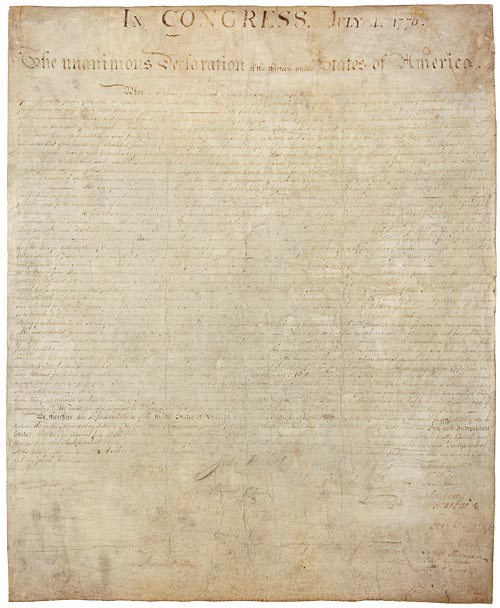
Declaration of Independence
Continental Congress (drafted by Thomas Jefferson) · 1776
Ready when you are
Start chatting with Thomas Paine now.
20 messages free · No credit card · Available in 50+ languages.