


Primary sourceBook10 January 1776
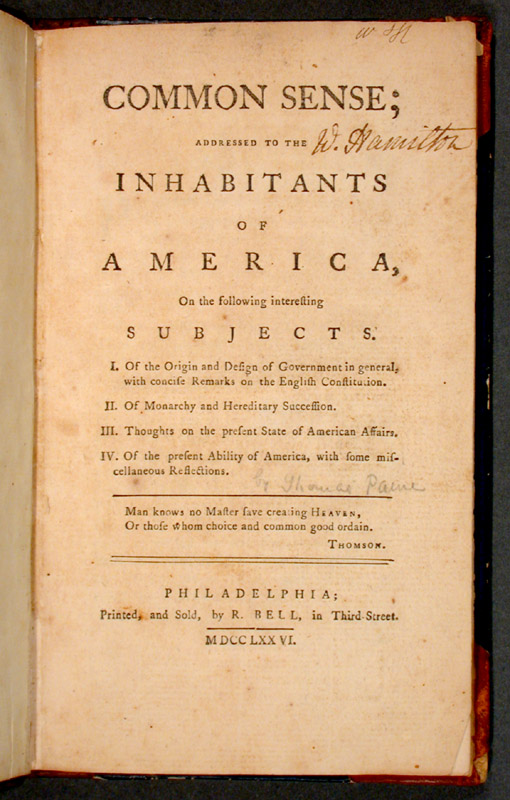
Common Sense
Thomas Paine · 10 January 1776
Thomas Paine's 1776 pamphlet, which attacked George III personally as the 'Royal Brute of Britain' and argued against monarchy, turning colonists against the King.
Paine's pamphlet personally attacked George III, calling him a 'Royal Brute,' turning colonial opinion decisively against the King.
About this source
What it is
Published anonymously on 10 January 1776 in Philadelphia, this 47-page pamphlet by Thomas Paine argued for American independence from Great Britain. Written in plain, persuasive language, it became the best-selling pamphlet of the revolutionary era, read aloud in taverns and meeting places across the colonies.
Why it matters
Paine's pamphlet attacked George III directly, calling him the 'Royal Brute of Britain,' and argued against monarchy as a system of government. It helped shift public opinion in the colonies from seeking reconciliation with the King toward demanding full independence, making the King a personal symbol of the conflict.
Look closer
- Why might Paine have chosen to attack the King personally rather than just British policy?
- Why do you think the pamphlet was published anonymously at first?
- How did plain, direct language help Paine's arguments reach ordinary people?
This book is part of the curated material that grounds the AI version of George III and Thomas Paine on Humy.ai — when students ask about related events, the AI can quote it and cite it.
More George III sources
Meet the AI George III →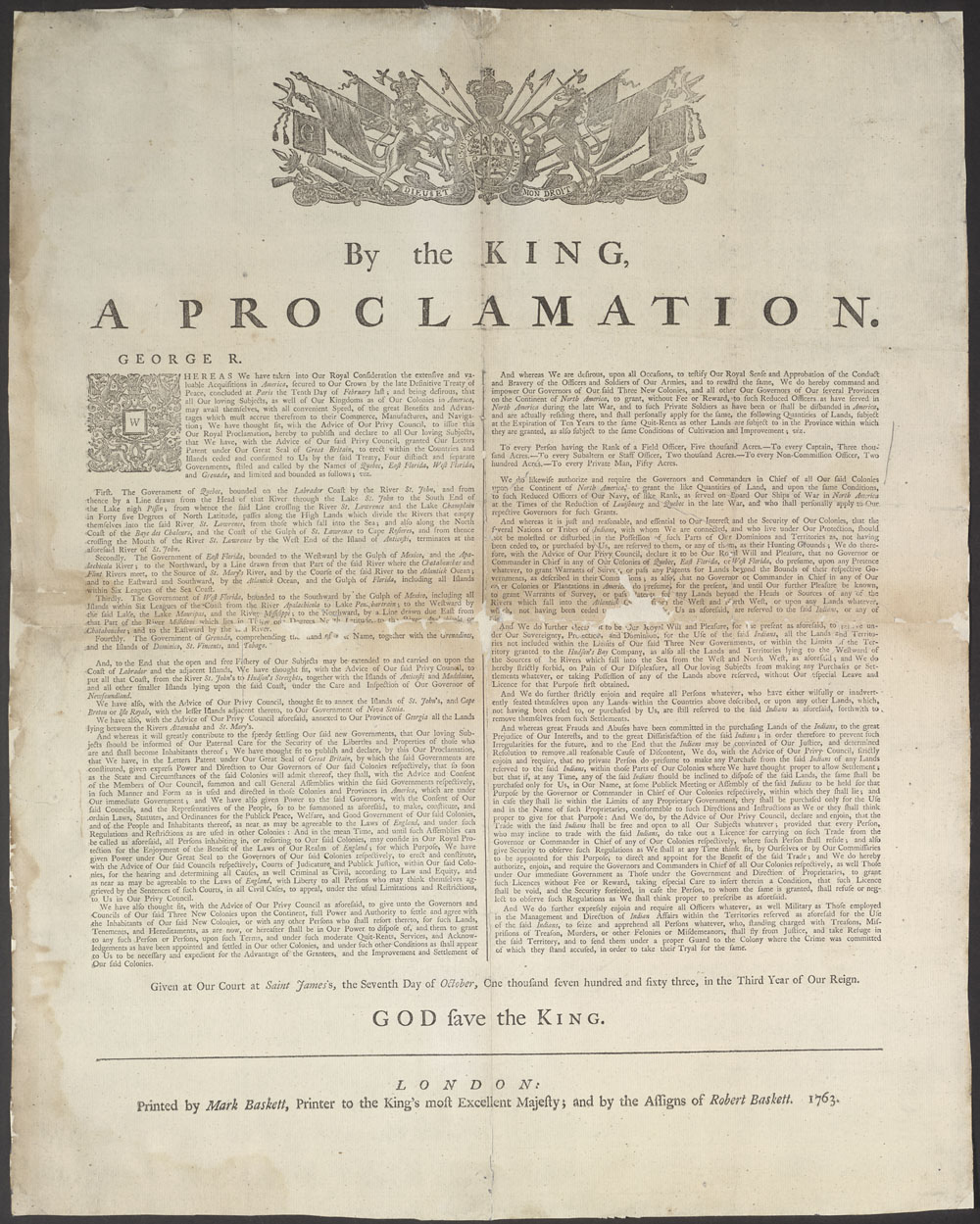 Document
Primary source
Royal Proclamation of 1763
7 October 1763
 Painting
Primary source
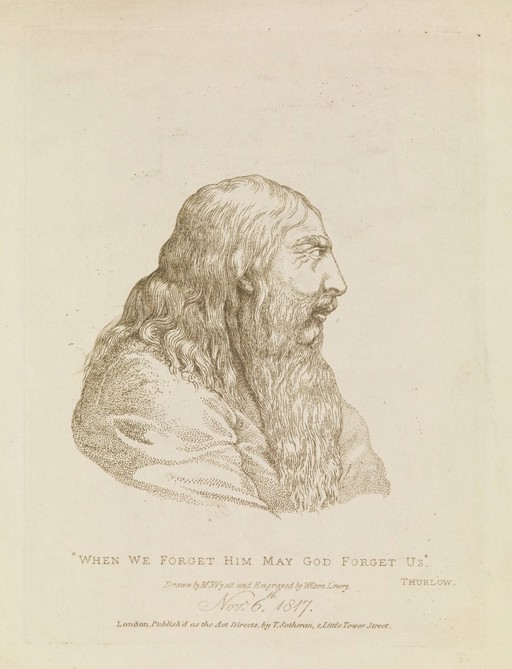
King George III, Etching by Wilson Lowry after M. C. Wyatt
Matthew Coates Wyatt · 6 November 1817
 Painting
Primary source
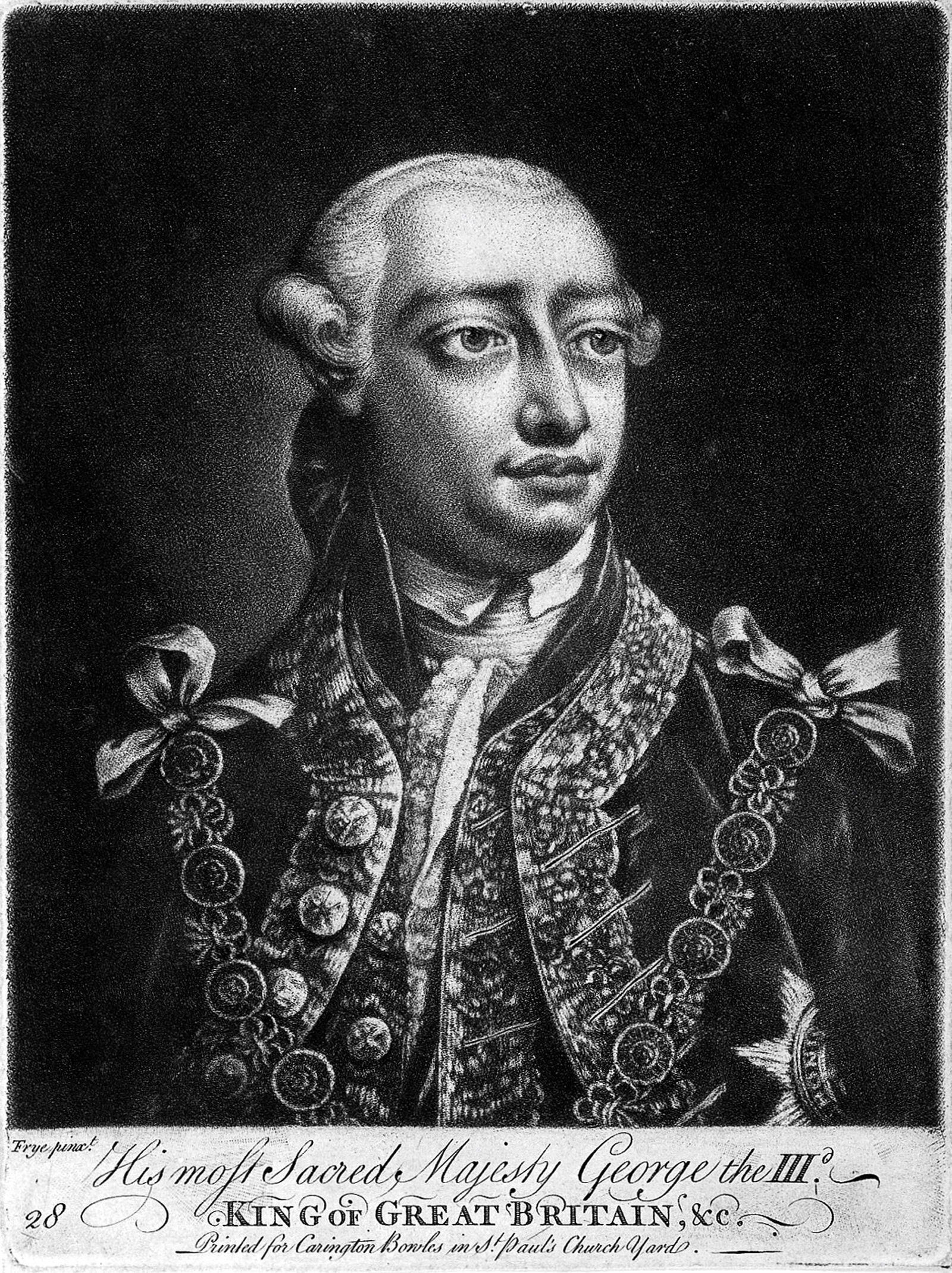
King George III, Mezzotint after Thomas Frye
Thomas Frye · not later than 1762
 Document
Primary source
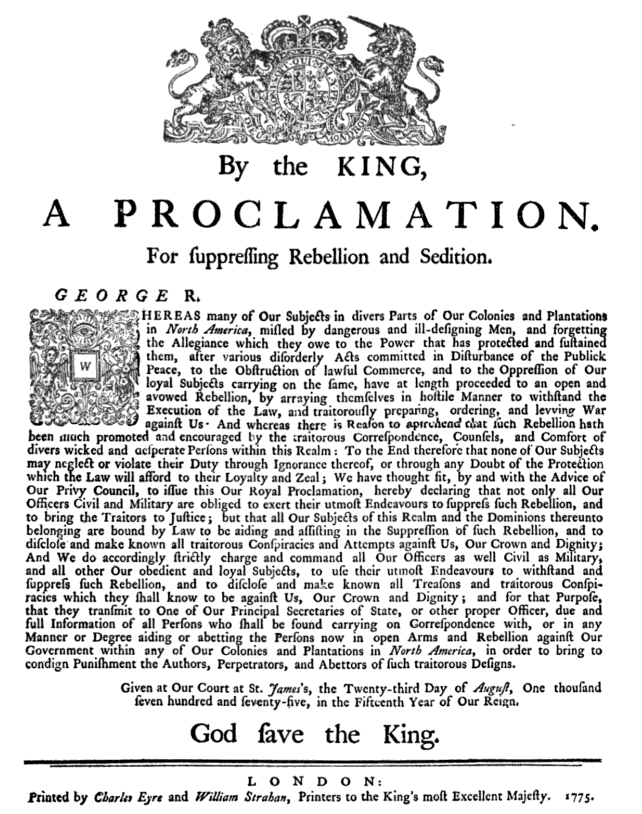
Proclamation of Rebellion
George III of Great Britain · 23 August 1775
 Document
Primary source
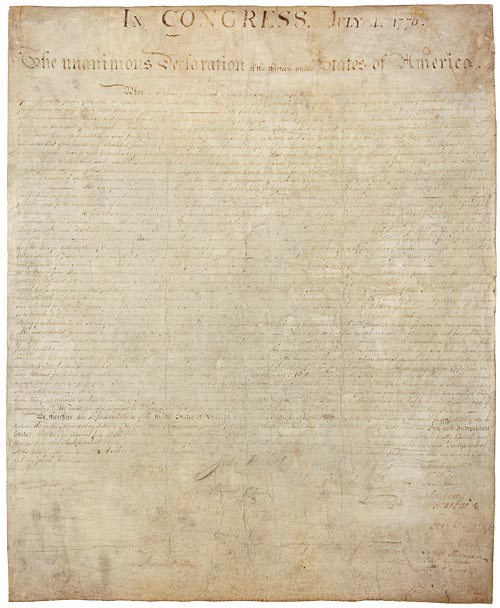
Declaration of Independence
Continental Congress (drafted by Thomas Jefferson) · 1776
Ready when you are
Start chatting with George III now.
20 messages free · No credit card · Available in 50+ languages.