


Secondary sourcePainting1876
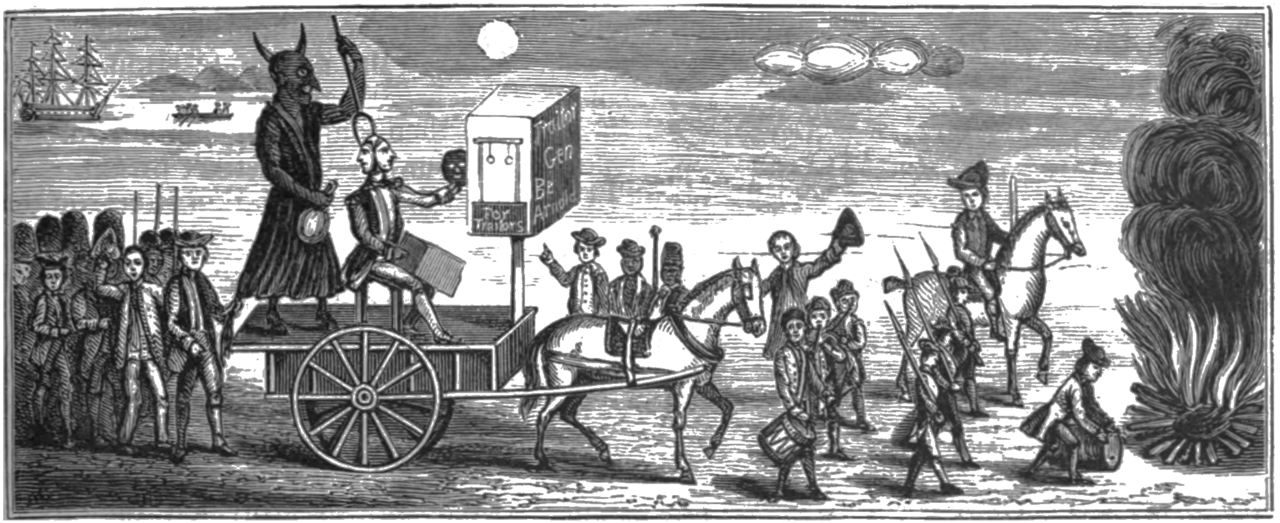
Burning Benedict Arnold in Effigy, 1876 Illustration
Unknown · 1876
An 1876 illustration showing a crowd parading and burning an effigy of Benedict Arnold, reflecting his reputation as America's most notorious traitor.
Illustrates how Arnold's name became a lasting symbol of betrayal, commemorated through effigy-burning traditions.
About this source
What it is
This engraved illustration from 1876 depicts a procession and bonfire in which an effigy representing Benedict Arnold is burned, accompanied by a devil-like figure, a sign reading his name, and crowds of marchers.
Why it matters
Burning effigies of Arnold became a popular tradition in America after his betrayal during the Revolutionary War, turning his name into a lasting symbol of treason. This 1876 image, made a century after his defection, shows how strongly his memory was condemned well after his death.
Look closer
- Why do you think communities created and burned effigies of Arnold instead of simply writing about him?
- What does the devil-like figure in the illustration suggest about how people viewed Arnold?
- Since this image was made a century after Arnold's betrayal, what does it tell us about long-lasting public memory rather than the events themselves?
This painting is part of the curated material that grounds the AI version of Benedict Arnold on Humy.ai — when students ask about related events, the AI can quote it and cite it.
More Benedict Arnold sources
Meet the AI Benedict Arnold →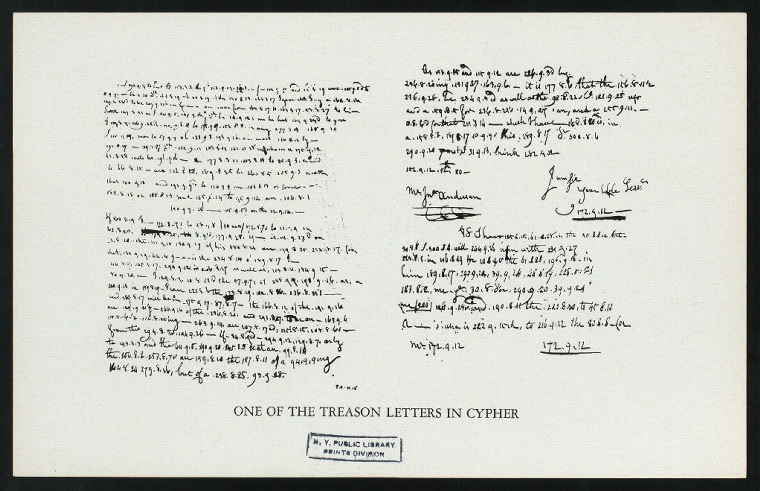 Letter
Primary source
Arnold Treason Cipher Letter
Benedict Arnold; Peggy Shippen Arnold · 1780
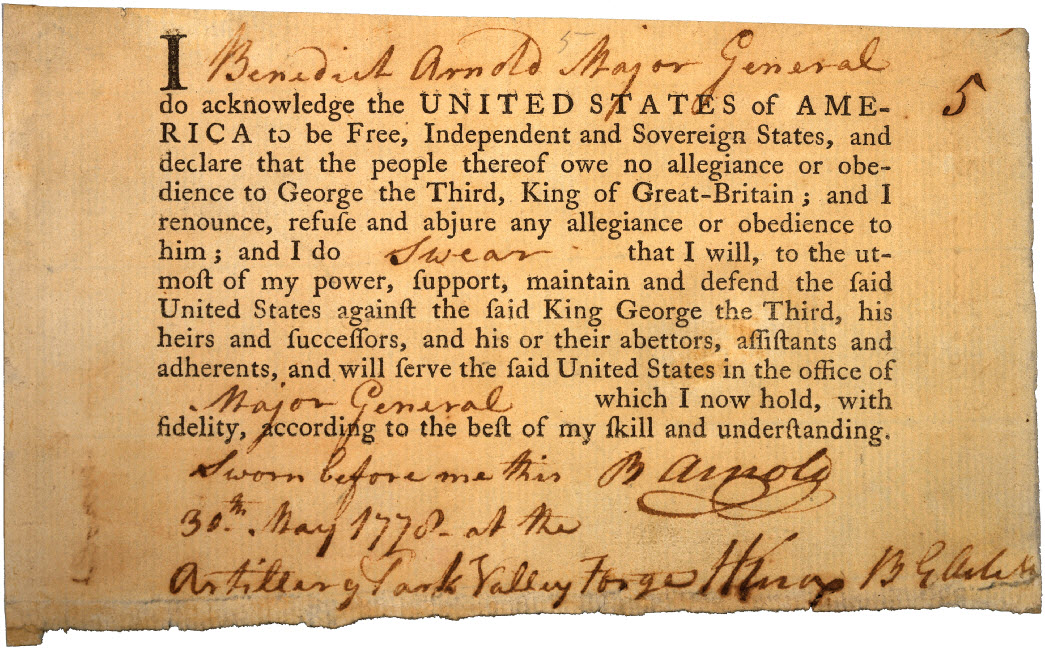 Document
Primary source
Benedict Arnold's Oath of Allegiance
Continental Congress · 30 May 1778
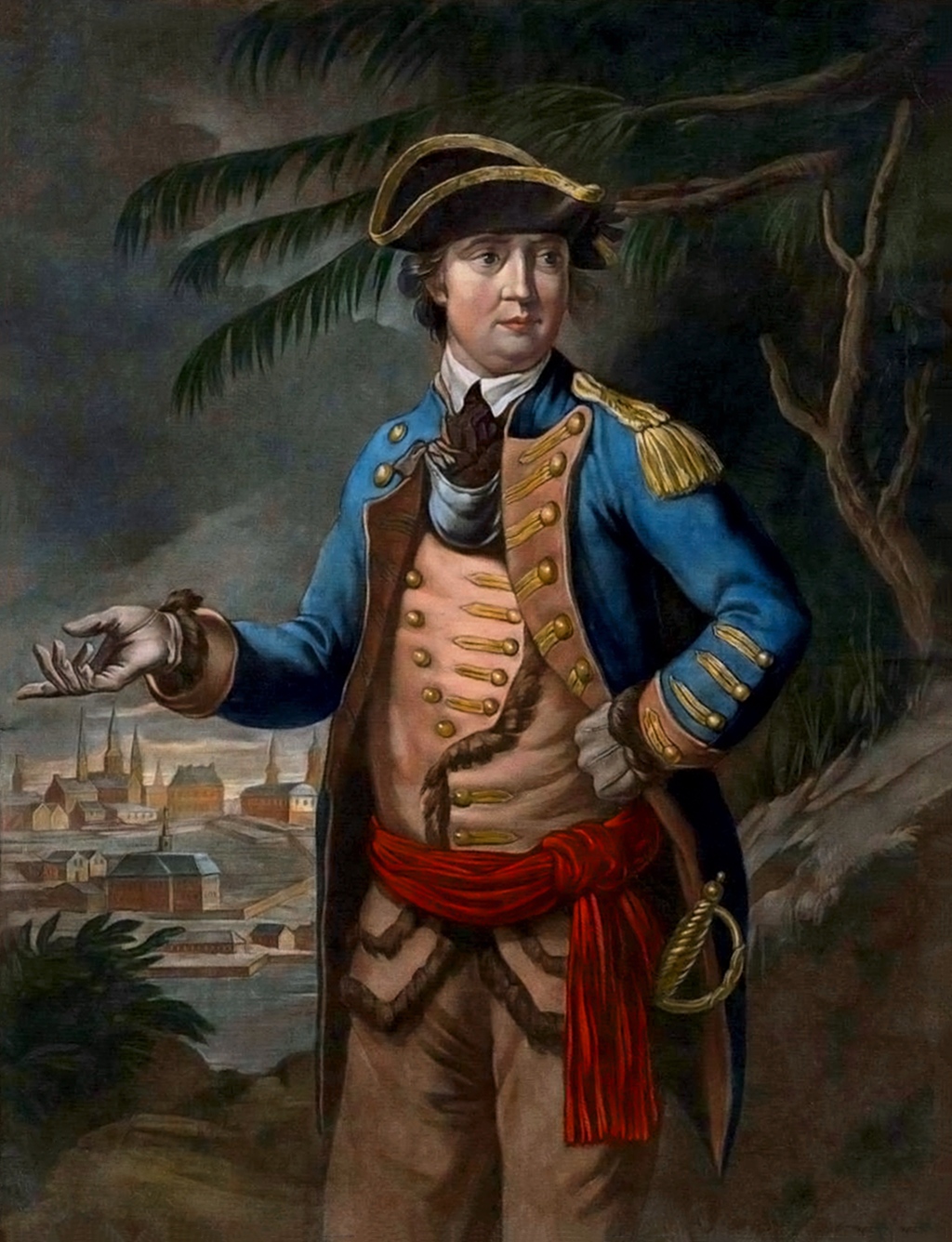 Painting
Primary source
Portrait of Benedict Arnold
Thomas Hart · 26 March 1776
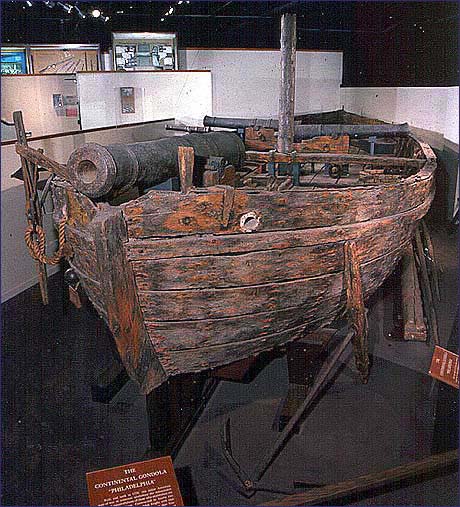 Artifact
Primary source
USS Philadelphia
1776
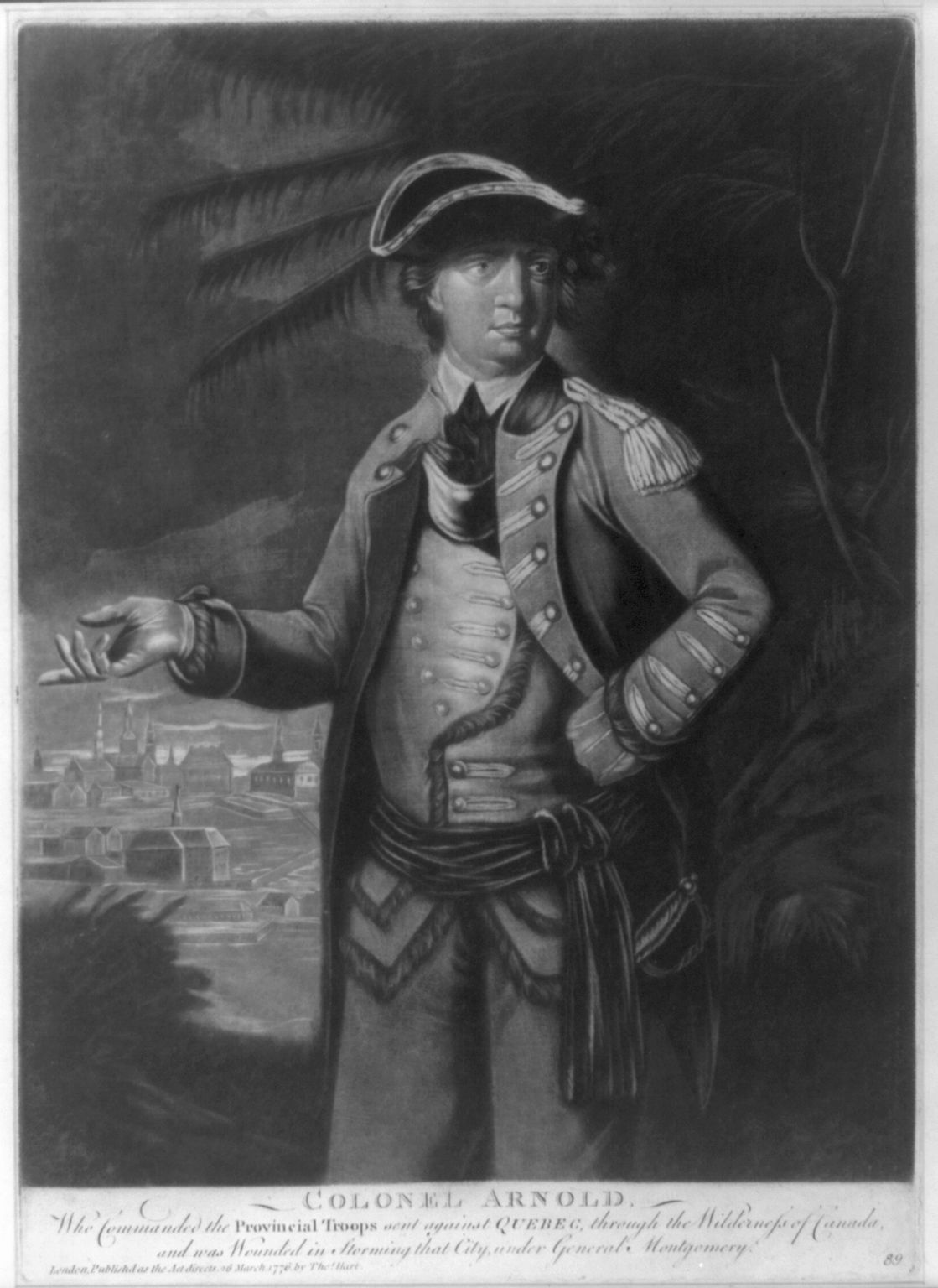 Painting
Primary source
Colonel Arnold
Thomas Hart · 1776
Ready when you are
Start chatting with Benedict Arnold now.
20 messages free · No credit card · Available in 50+ languages.