


Primary sourceDocument1991
Burns v. United States
Thurgood Marshall · 1991
A 1991 Supreme Court opinion by Thurgood Marshall holding that a federal district court may not depart upward from the Sentencing Guidelines range without first notifying the parties.
Marshall wrote this majority opinion as a Supreme Court Justice, late in his career, on federal sentencing procedure.
About this source
What it is
This is the opinion of the Supreme Court of the United States in Burns v. United States, decided in 1991 and written by Justice Thurgood Marshall. The question is whether a district court may depart upward from the sentencing range set by the Sentencing Guidelines without first telling the parties that it intends to do so. The Court holds that it may not. The opinion is reported as 501 U.S. 129 and is listed on Wikisource.
Why it matters
The case describes a former employee of the United States Agency for International Development who pleaded guilty to theft, false claims, and attempted tax evasion after a fraud scheme. The opinion shows how the Court viewed fair notice at sentencing, which affected both the defendant and the federal judges who had to follow the Guidelines.
Look closer
- Why does the opinion treat advance notice to the parties as important before a judge sets a harsher sentence?
- Who had the power in this case, and how did the rule limit it?
- What does the opinion leave out about the victims of the fraud or the defendant's reasons?
This document is part of the curated material that grounds the AI version of Thurgood Marshall on Humy.ai — when students ask about related events, the AI can quote it and cite it.
More Thurgood Marshall sources
Meet the AI Thurgood Marshall →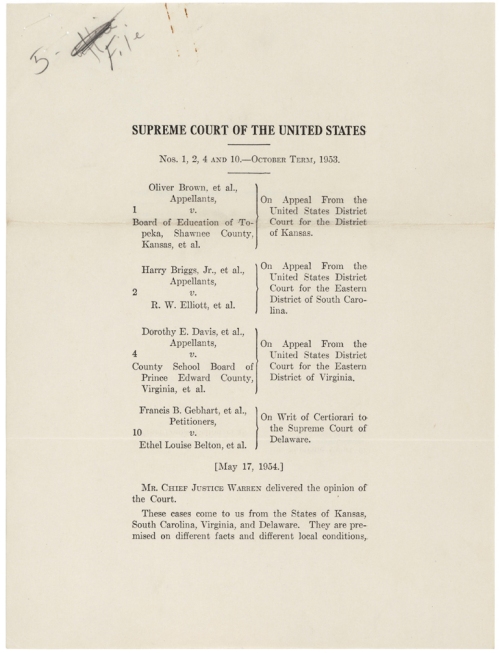 Document
Primary source
Brown v. Board of Education
Earl Warren · 17 May 1954
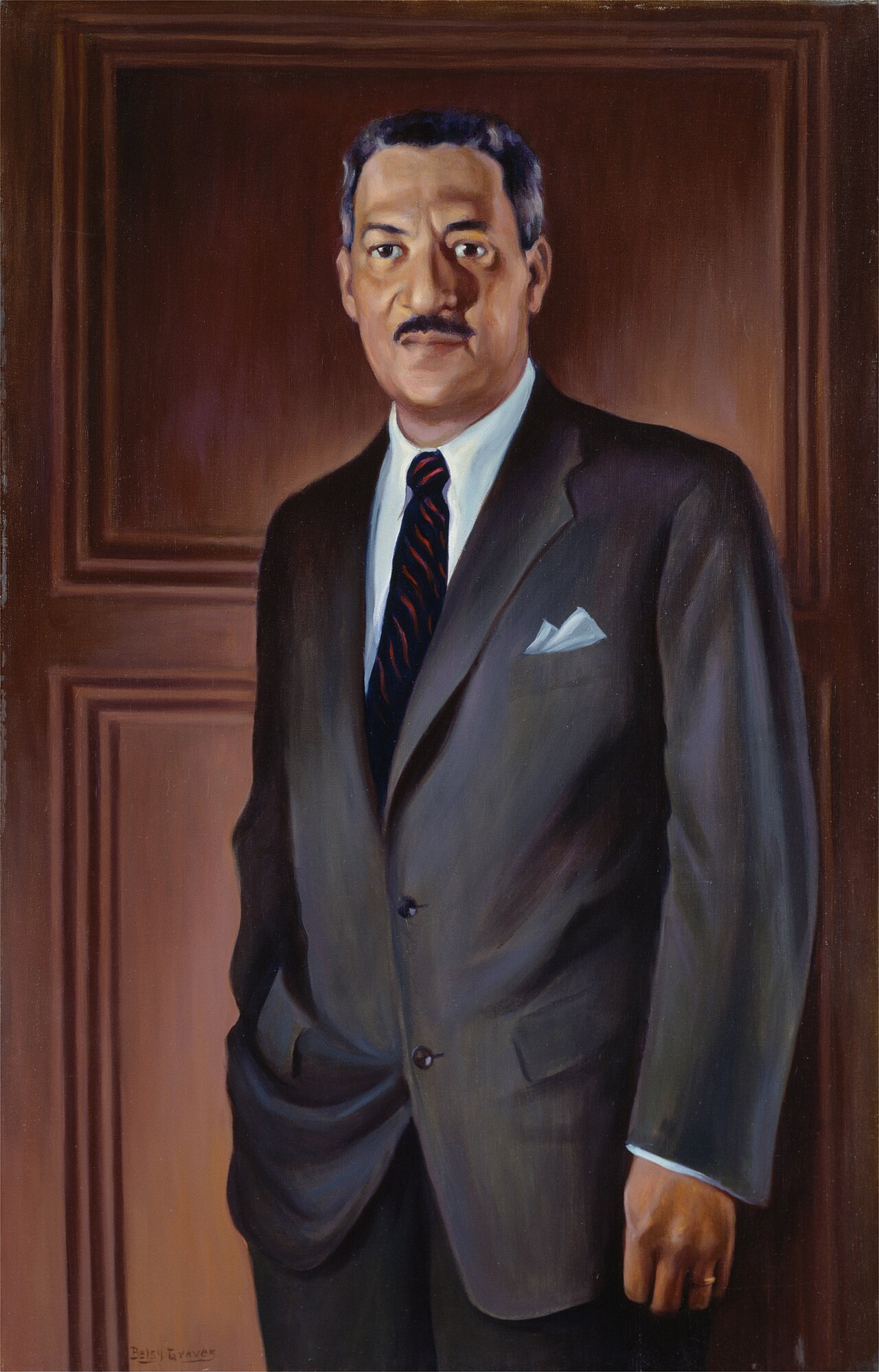 Painting
Primary source
Thurgood Marshall
Betsy Graves Reyneau · 1956
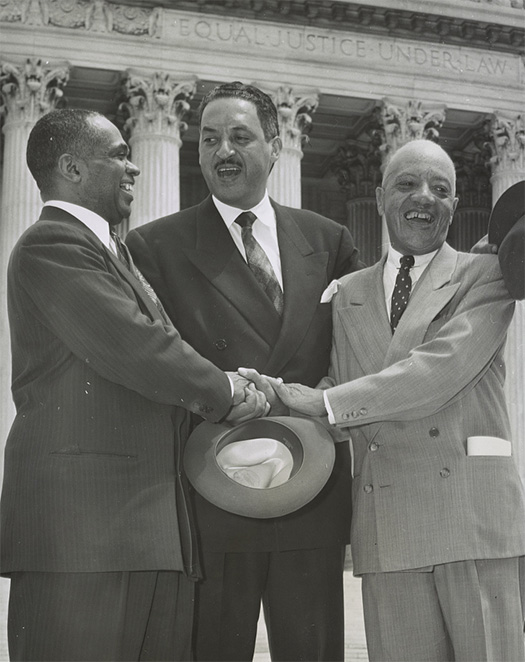 Photograph
Primary source
George Edward Chalmer Hayes, Thurgood Marshall, and James Nabrit in 1954 winning Brown case
1954
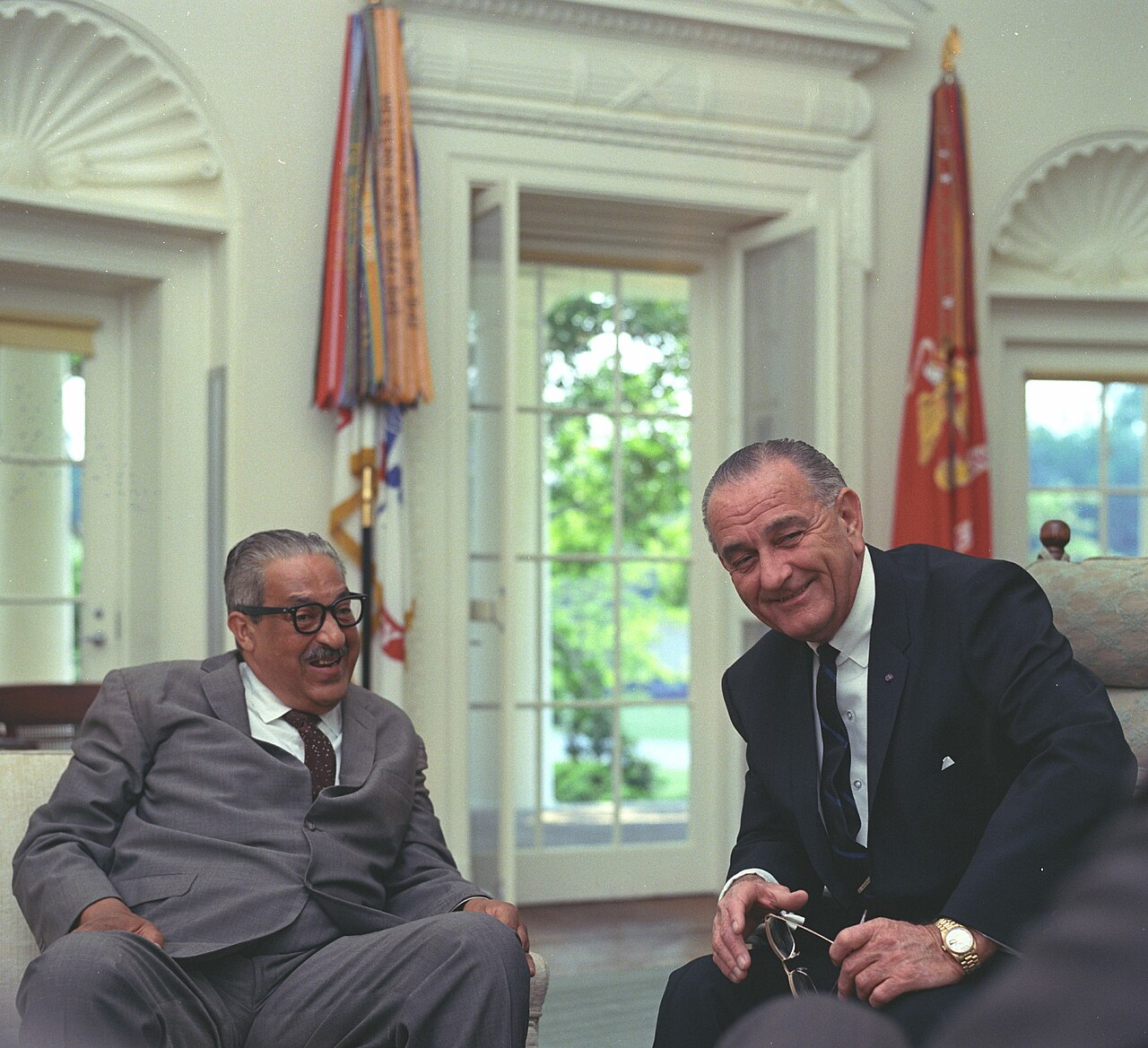 Photograph
Primary source
Thurgood Marshall and President Lyndon B. Johnson, June 13, 1967
Frank Wolfe · 13 June 1967
Primary source
Cooper v. Aaron
12 September 1958
Ready when you are
Start chatting with Thurgood Marshall now.
20 messages free · No credit card · Available in 50+ languages.