


Secondary sourceSculpture1810
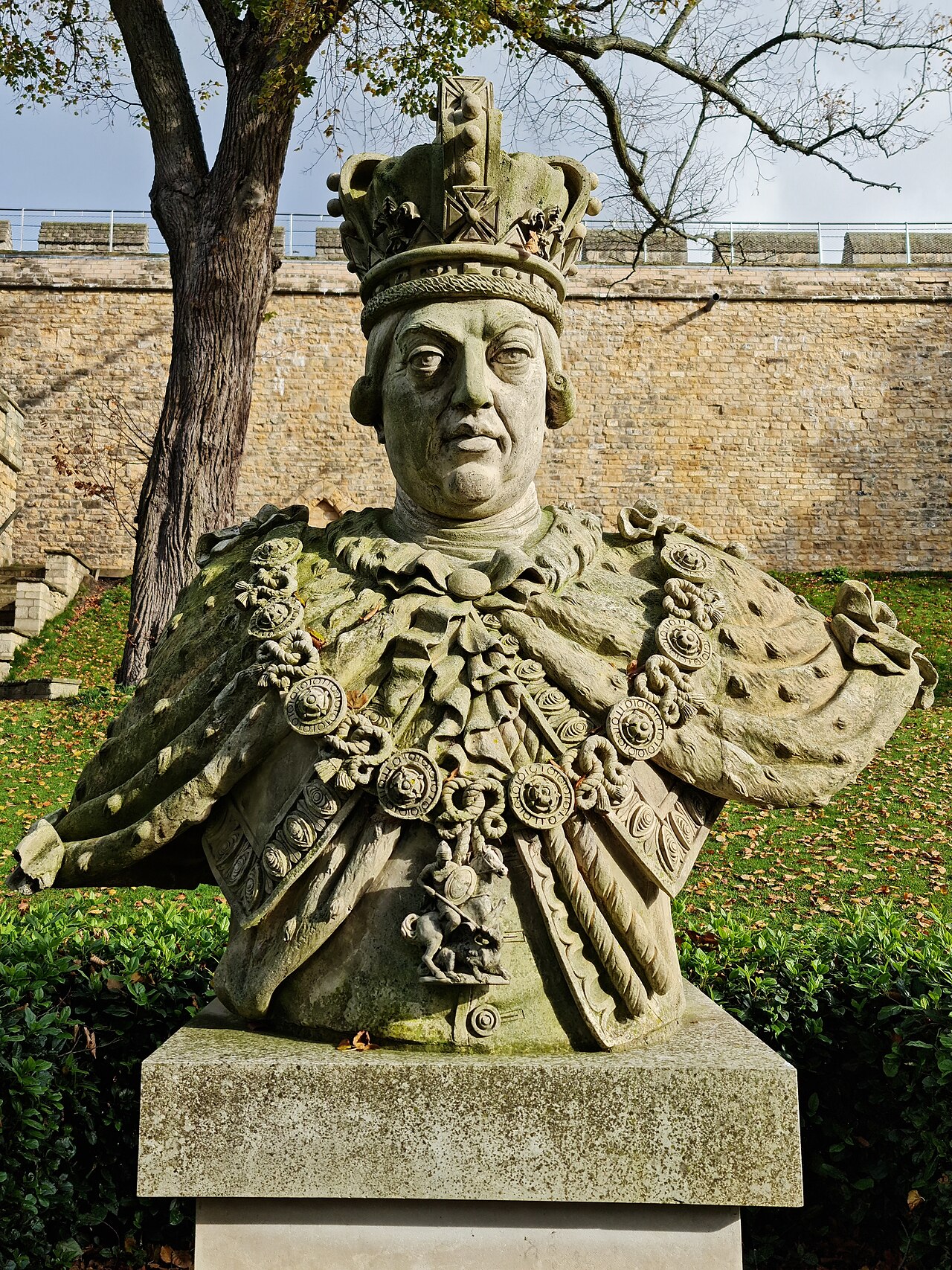
Bust of George III
Joseph Panzetta · 1810
A 1810 stone bust of King George III at Lincoln Castle, made during the celebrations of his jubilee.
A jubilee-era portrait bust reflecting George III's popular image as a national father figure late in his reign.
About this source
What it is
This is a stone bust of King George III, carved by sculptor Joseph Panzetta in 1810. It stands at Lincoln Castle and is a listed sculpture.
Why it matters
The bust was made around the time of the King's golden jubilee, when his long reign was widely celebrated. It reflects how, in his later years, George III was often portrayed as a reassuring national father figure, even as his health was failing. Works like this, made by local sculptors in towns across the country, show how deeply the image of the King had become part of everyday public life.
Look closer
- What impression of the King does this bust create through his crown, robe and expression?
- Why might a sculptor in Lincoln have chosen to carve this portrait at this particular time?
- How does the weathering of the stone affect how we see the bust today compared to when it was new?
This sculpture is part of the curated material that grounds the AI version of George III on Humy.ai — when students ask about related events, the AI can quote it and cite it.
More George III sources
Meet the AI George III →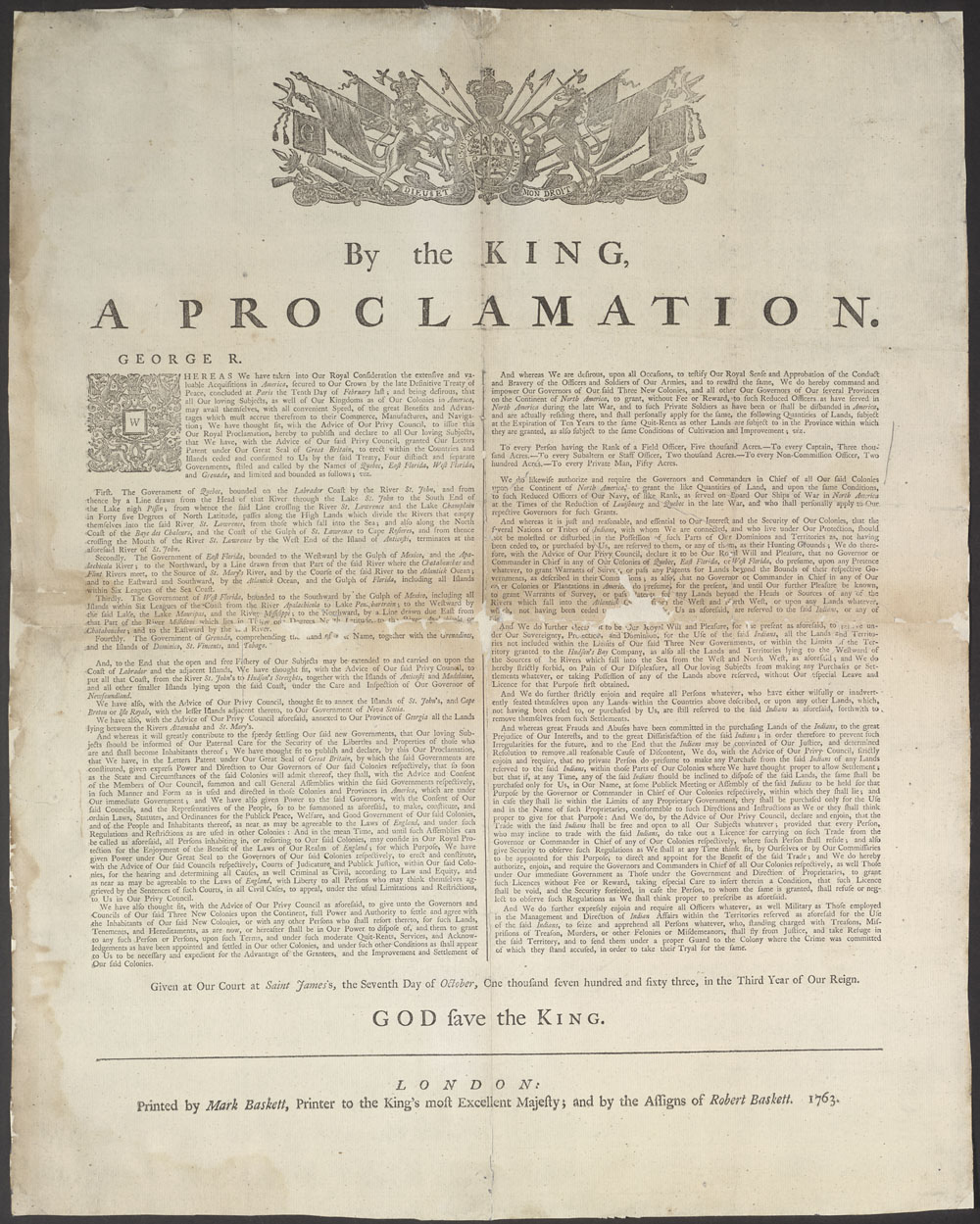 Document
Primary source
Royal Proclamation of 1763
7 October 1763
 Painting
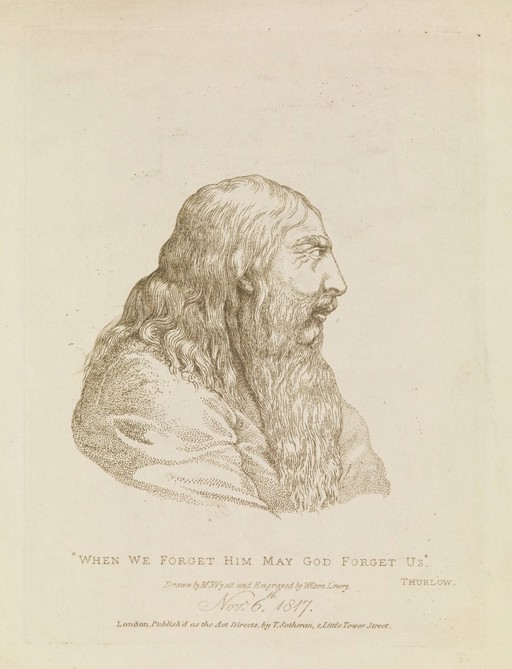
Primary source
King George III, Etching by Wilson Lowry after M. C. Wyatt
Matthew Coates Wyatt · 6 November 1817
 Painting
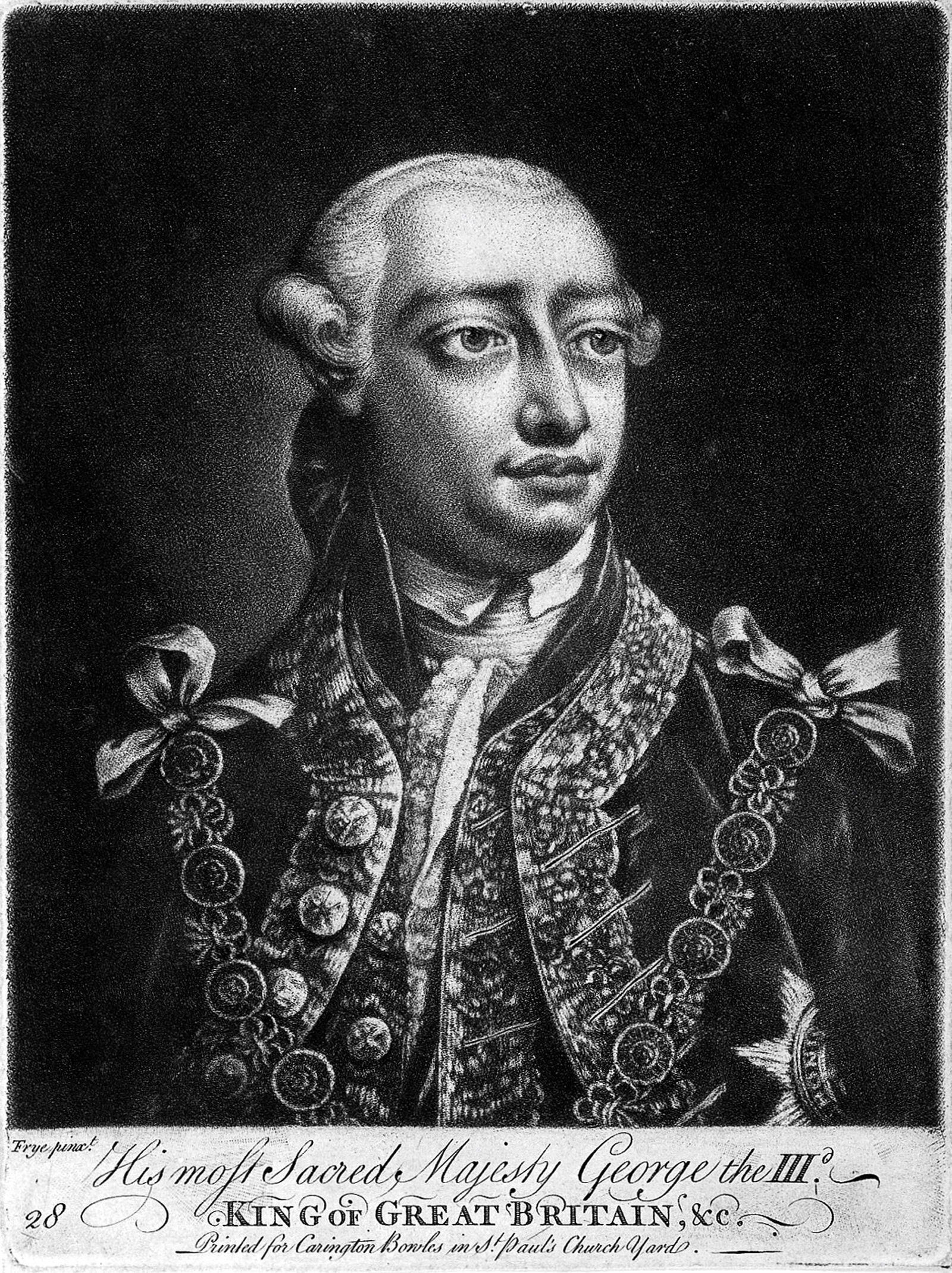
Primary source
King George III, Mezzotint after Thomas Frye
Thomas Frye · not later than 1762
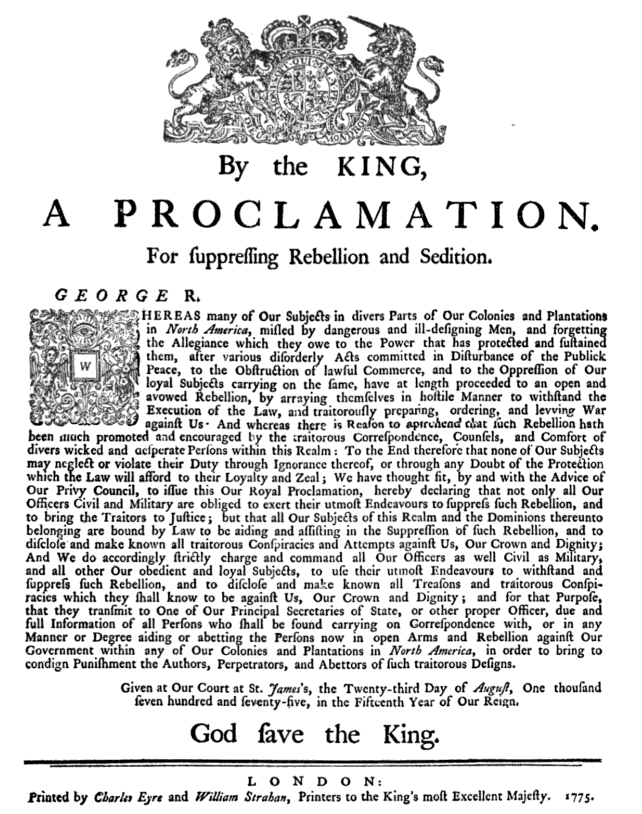 Document
Primary source
Proclamation of Rebellion
George III of Great Britain · 23 August 1775
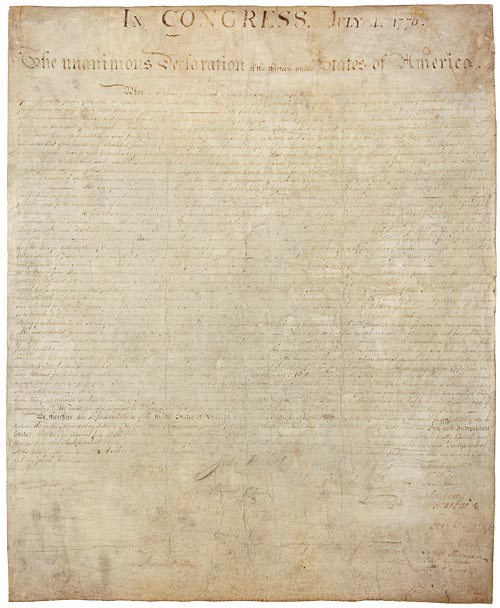 Document
Primary source
Declaration of Independence
Continental Congress (drafted by Thomas Jefferson) · 1776
Ready when you are
Start chatting with George III now.
20 messages free · No credit card · Available in 50+ languages.