


Primary sourceArtifact1566
Büyükçekmece Caravanserai
1566
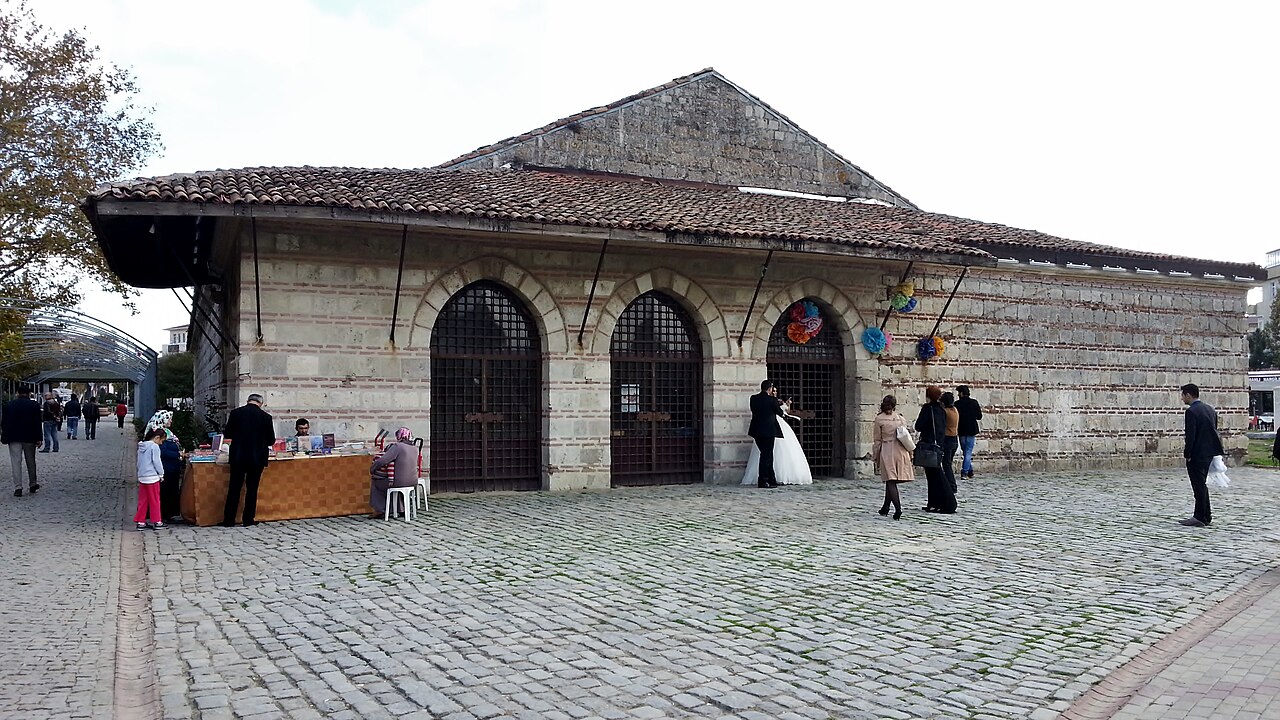
A stone caravanserai built near the end of Suleiman's reign on the road toward Europe, used to shelter travellers and support logistics.
Built on Suleiman's order near the end of his reign, this caravanserai shows his support for travel and military logistics.
About this source
What it is
The Büyükçekmece Caravanserai is a stone building with a tiled roof and large arched gates, built in 1566 on a major route leading out of Istanbul toward Europe. Caravanserais like this one provided shelter and supplies for travellers, merchants, and soldiers.
Why it matters
Commissioned under Suleiman the Magnificent near the end of his long reign, the caravanserai shows how the Ottoman state supported trade, communication, and military movement across its territory. Such buildings were essential for keeping roads safe and functional for both commerce and the army.
Look closer
- What does the location of this building, on a road to Europe, tell you about Ottoman priorities?
- Why would a ruler invest in roadside buildings rather than only palaces or mosques?
- What can the modern photograph of people gathered outside tell us about how the building is used today, compared to its original purpose?
This artifact is part of the curated material that grounds the AI version of Suleiman the Magnificent on Humy.ai — when students ask about related events, the AI can quote it and cite it.
More Suleiman the Magnificent sources
Meet the AI Suleiman the Magnificent →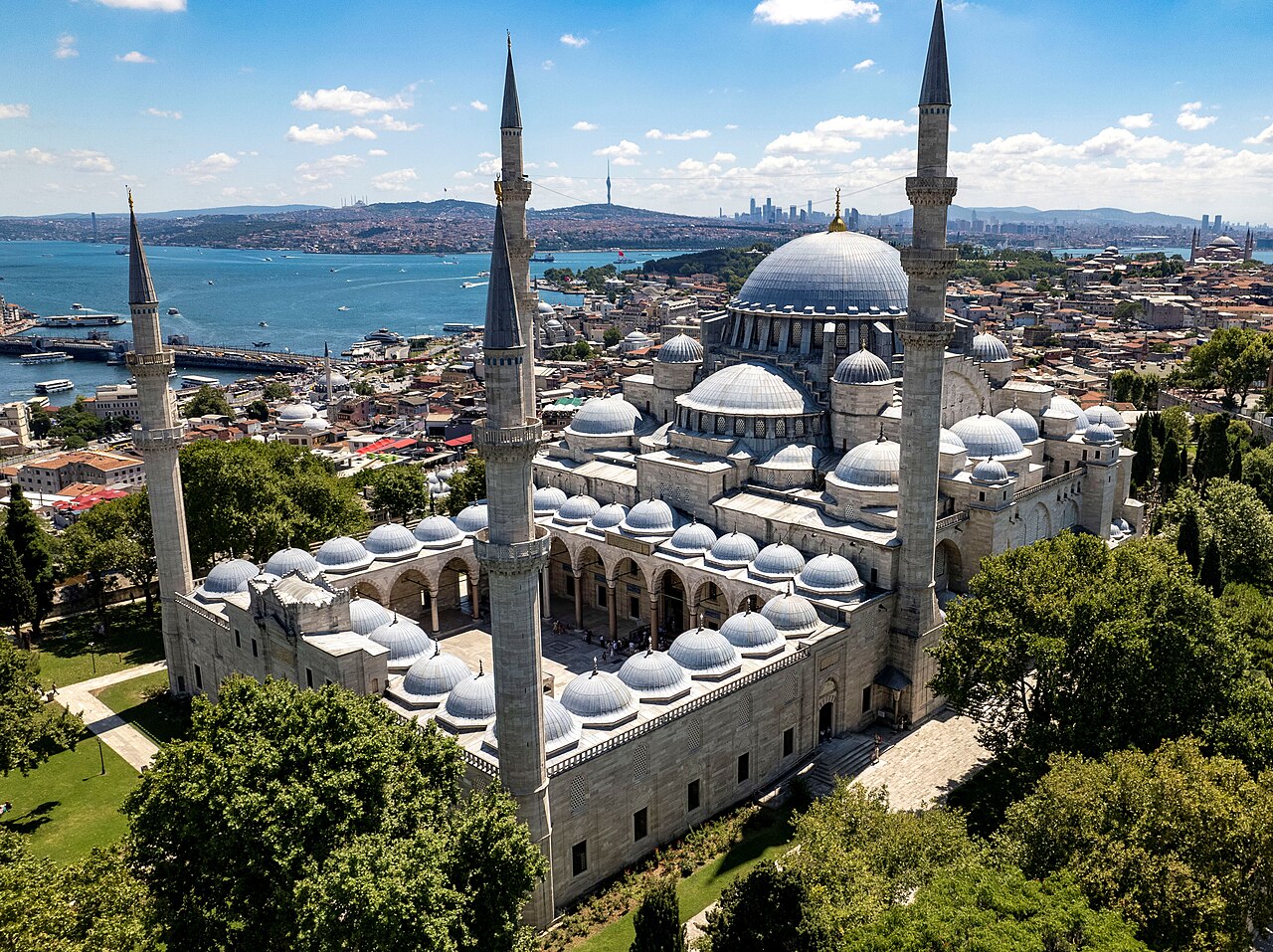 Artifact
Primary source
Süleymaniye Mosque
Mimar Sinan · 1550-1557
 Letter
Primary source
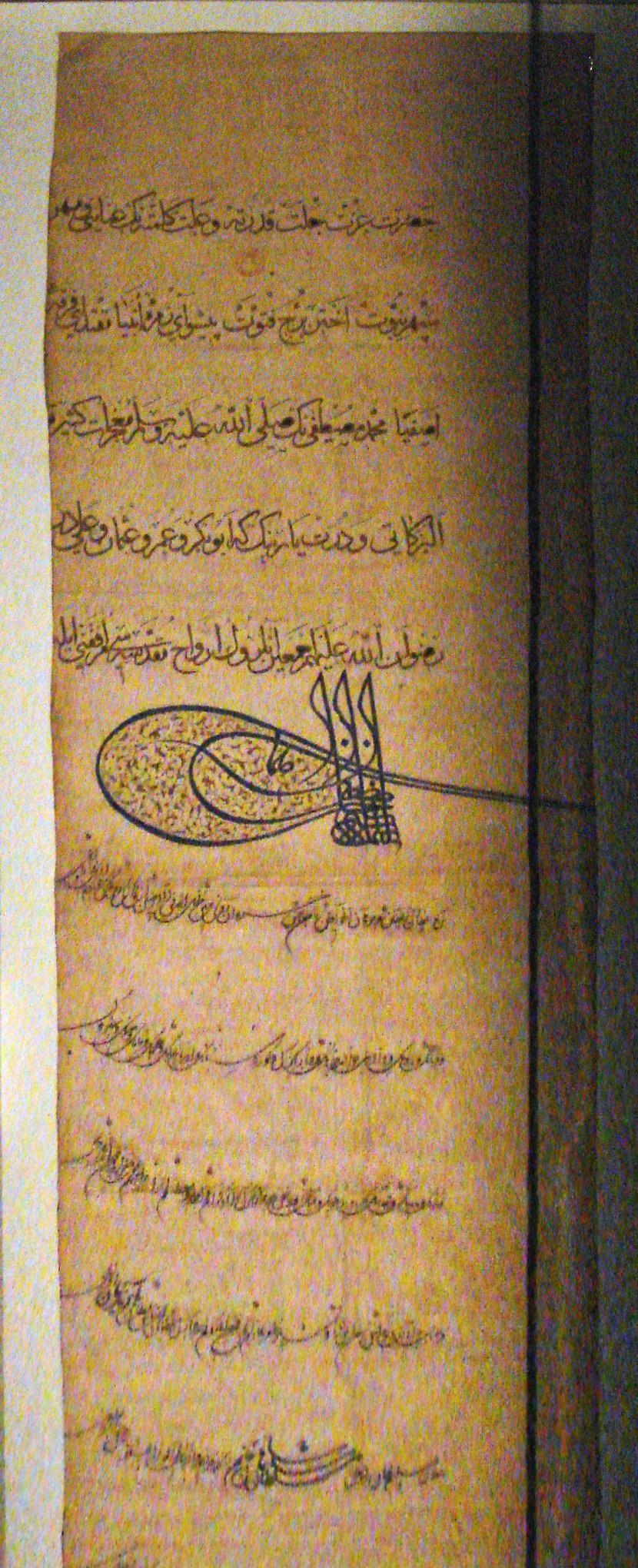
Letter to the King of France
Suleiman the Magnificent · 1526
 Painting
Primary source
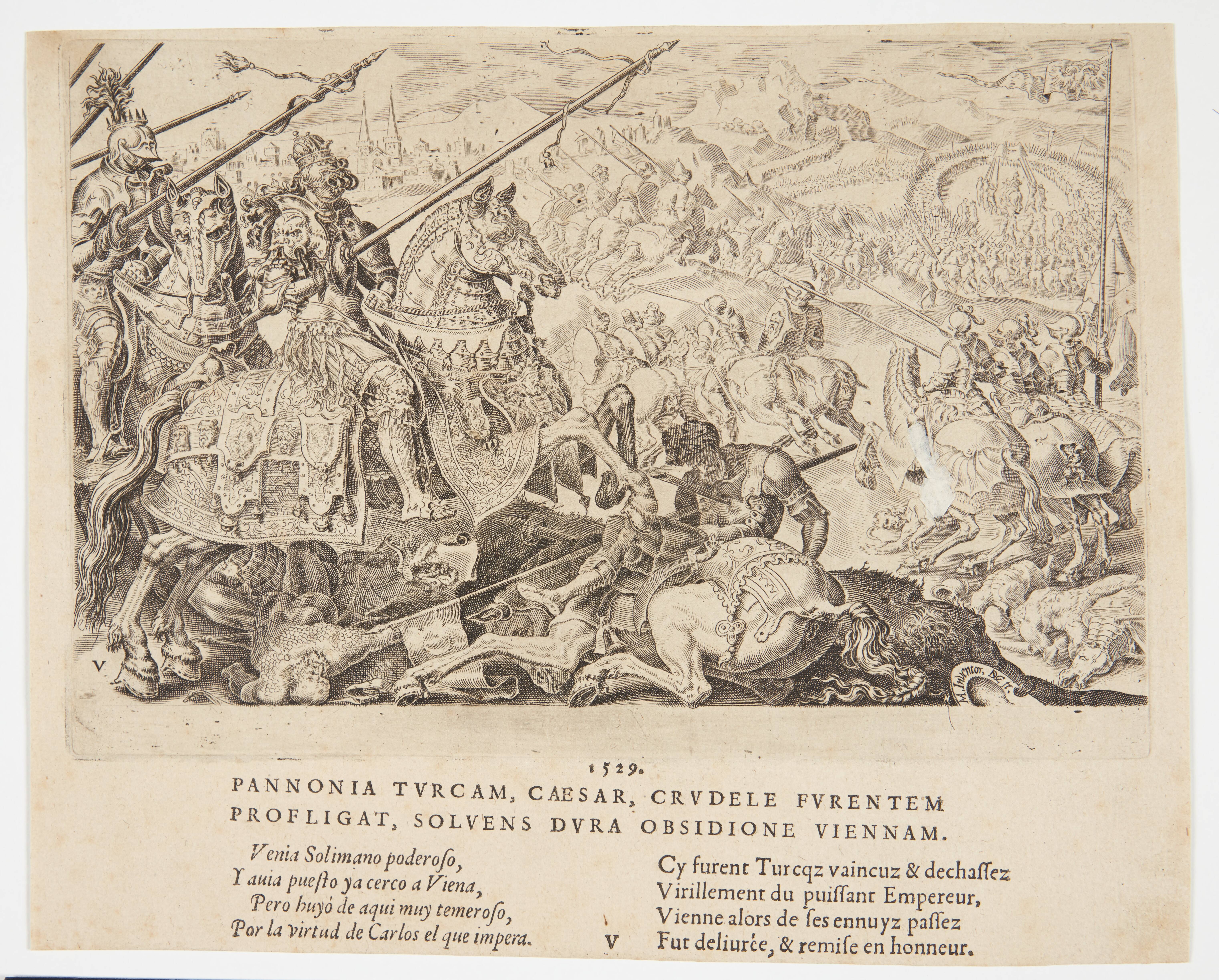
Suleiman the Magnificent Forced to Raise the Siege of Vienna
1555
 Painting
Secondary source
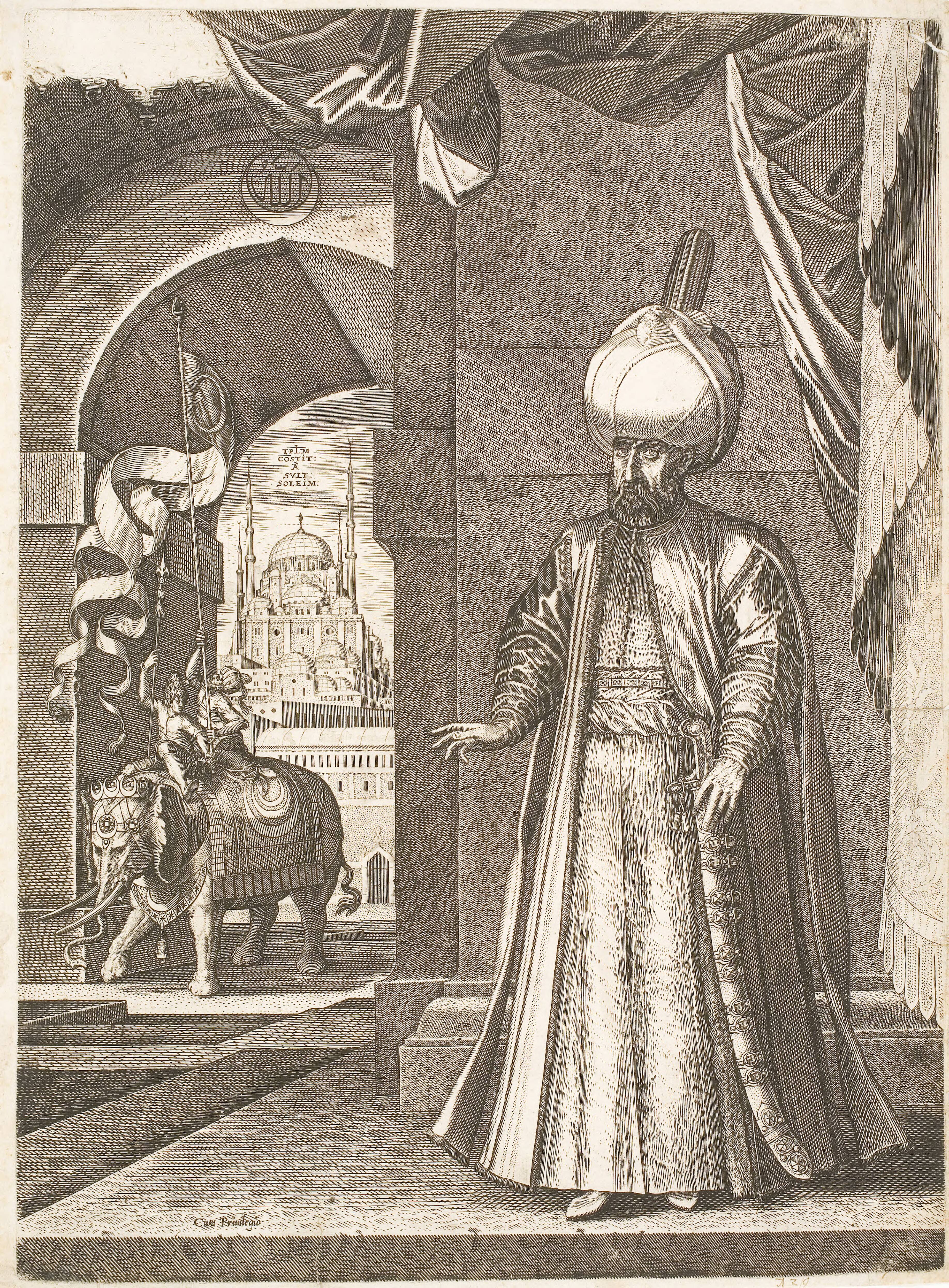
Standing Portrait of Sultan Suleiman the Magnificent
1574
 Artifact
Primary source
Tughra of Suleiman the Magnificent
Ready when you are
Start chatting with Suleiman the Magnificent now.
20 messages free · No credit card · Available in 50+ languages.