


Secondary sourceBook1632
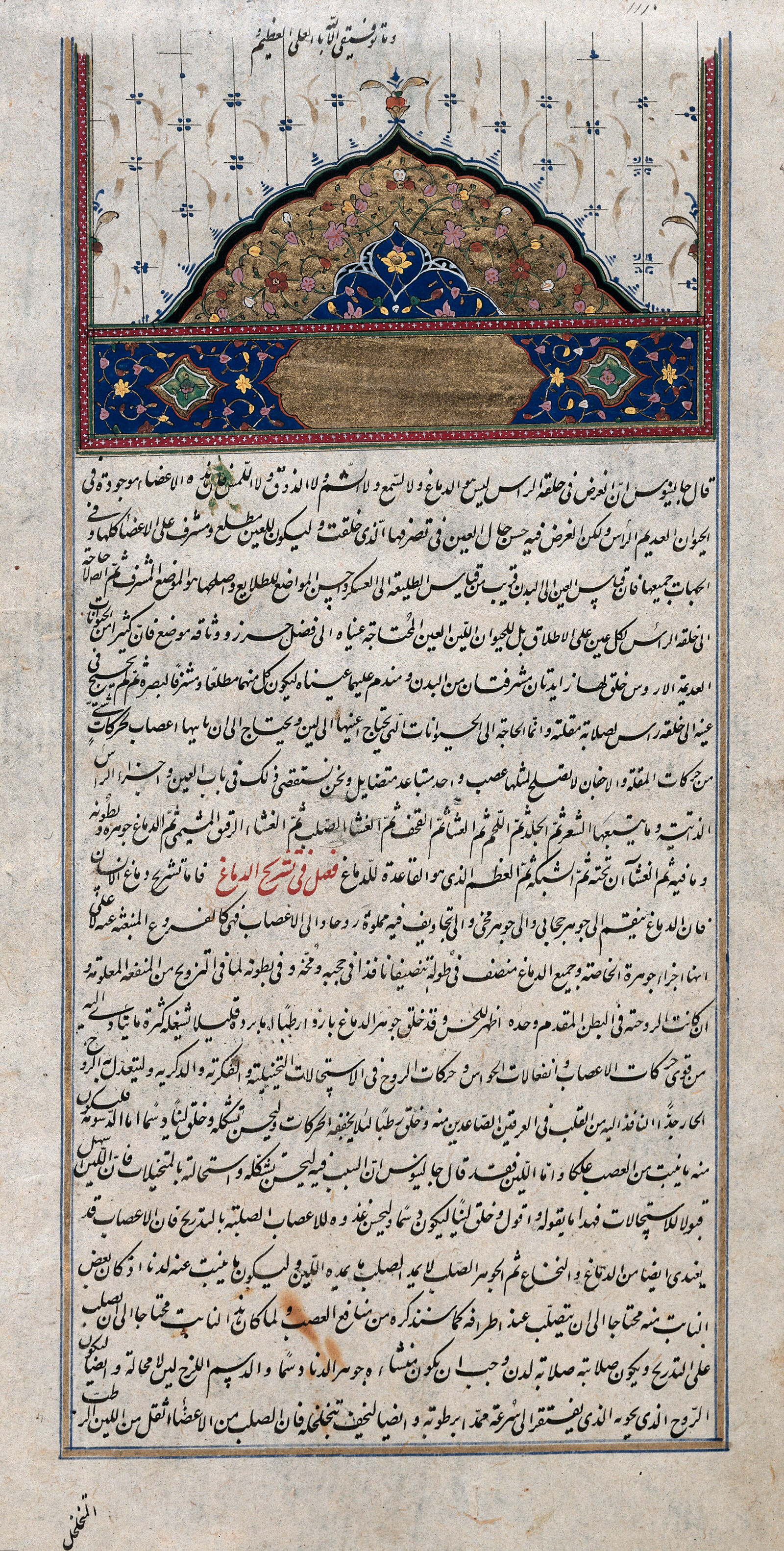
Canon of Medicine, Third Book, Isfahan Manuscript
1632
A 1632 manuscript copy of Avicenna's Canon of Medicine, opening the section on diseases of the brain.
A later copy of Avicenna's own medical encyclopedia, showing how his text was transmitted long after his death.
About this source
What it is
This is a manuscript page from a 1632 copy of Avicenna's Canon of Medicine, made in Isfahan. It shows the start of the third book, which deals with diseases of the brain. The page is written in Arabic script and decorated with an illuminated gold, blue, green and red arched frame. It is held by the Wellcome Collection in London.
Why it matters
The Canon of Medicine was written by Avicenna, the Persian physician and philosopher, and became one of the most influential medical textbooks in both the Islamic world and Europe for centuries. This copy, made about six hundred years after Avicenna's death, shows how his work continued to be carefully copied and studied long after his lifetime.
Look closer
- What does the decoration at the top of the page tell you about how this book was valued?
- Why might scribes continue copying a medical text centuries after it was first written?
- What does the red-ink heading suggest about how readers found information in the book?
This book is part of the curated material that grounds the AI version of Avicenna on Humy.ai — when students ask about related events, the AI can quote it and cite it.
More Avicenna sources
Meet the AI Avicenna →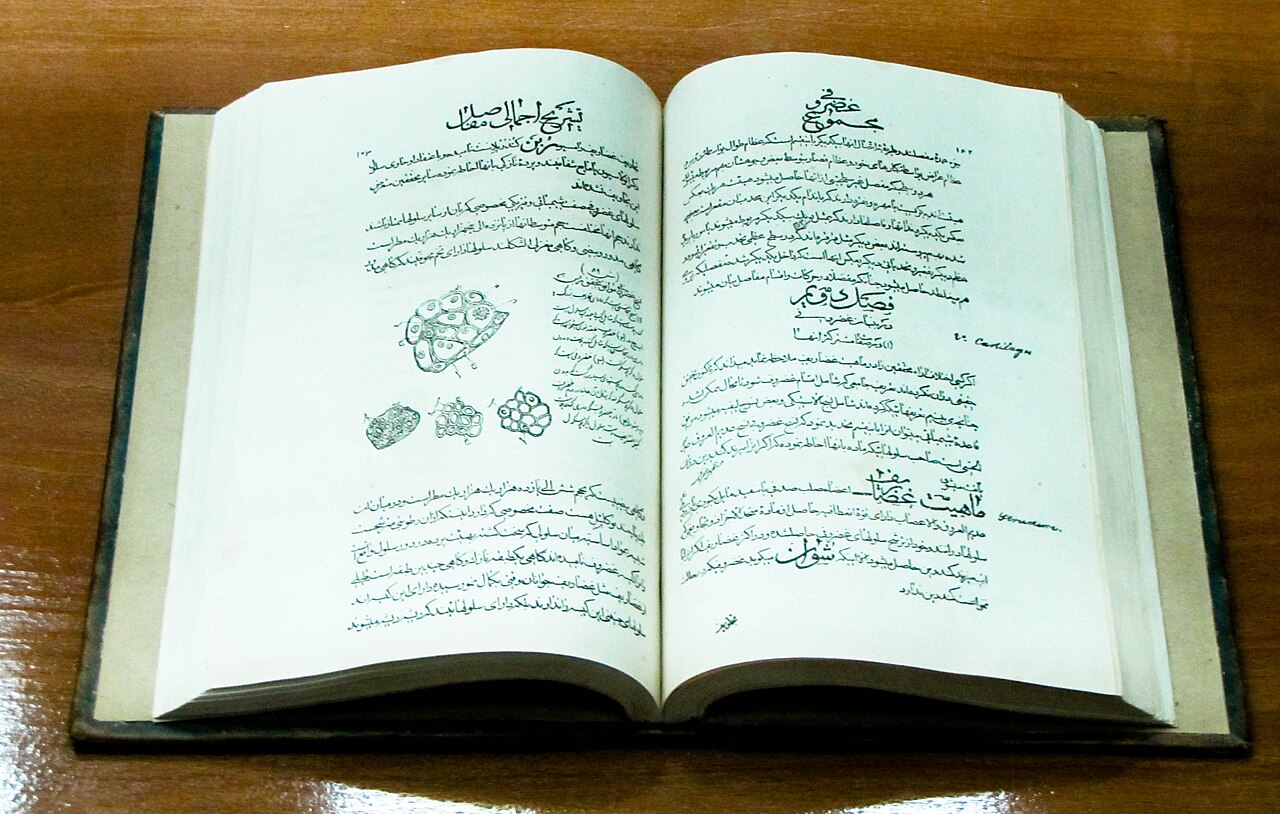 Book
Secondary source
Canon of Medicine
Avicenna · 1025
 Book
Primary source
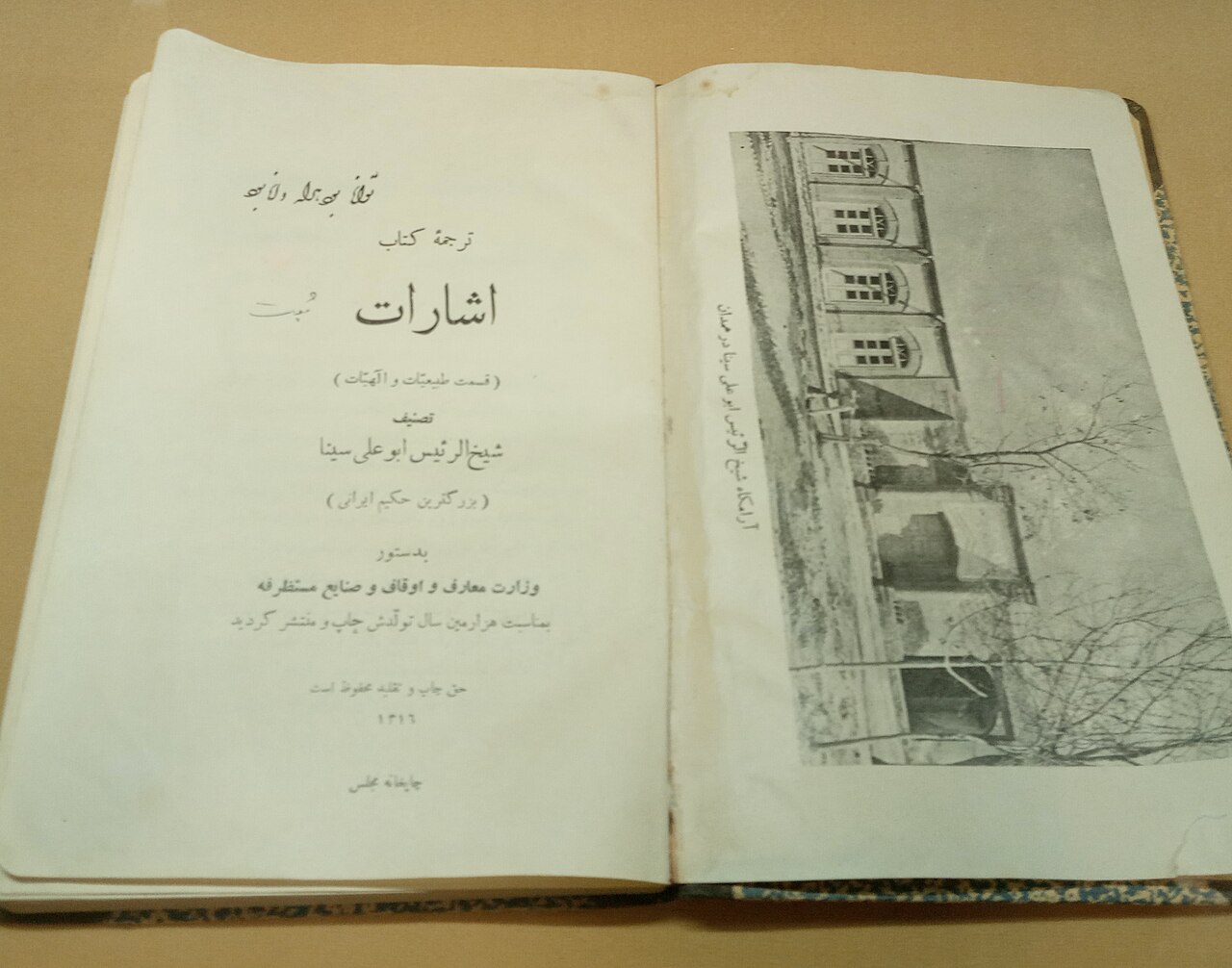
Al-Isharat wa al-Tanbihat
Avicenna
Secondary source
Commentary on Anatomy in Avicenna's Canon
Ibn al-Nafis · 13th century
 Painting
Secondary source
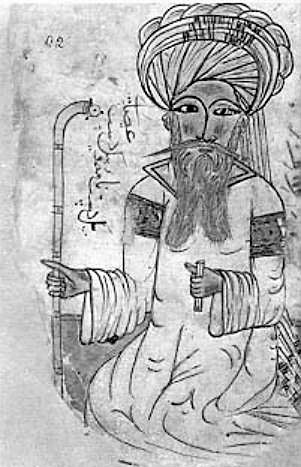
Avicenna (Subtilties of Truth manuscript image)
Beckwith · 1271
 Painting
Secondary source
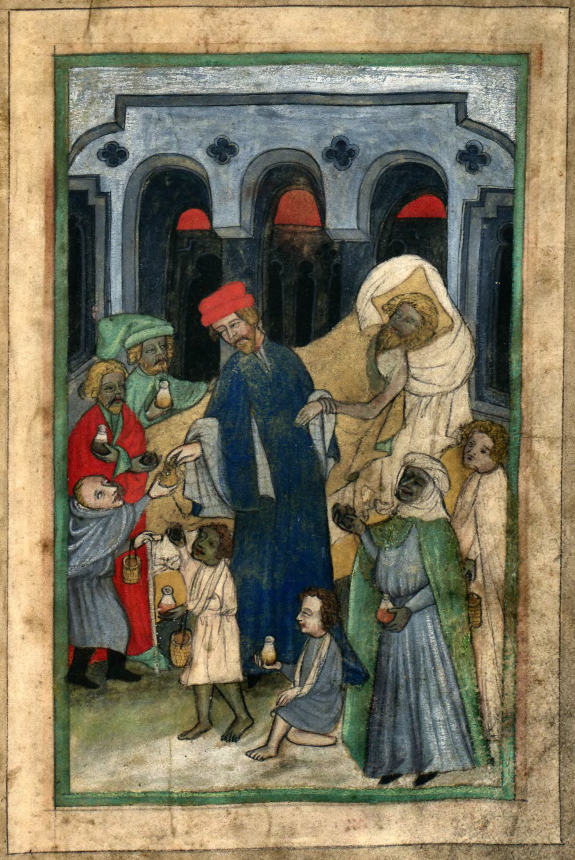
Avicenna at the Sickbed
Walenty z Pilzna · c. 1479-1480
Ready when you are
Start chatting with Avicenna now.
20 messages free · No credit card · Available in 50+ languages.