


Primary sourceBook17th century (published 1854 edition)
Capitolo in biasimo della toga
Galileo Galilei · 17th century (published 1854 edition)
A satirical Italian poem attributed to Galileo criticizing the wearing of the toga, in an 1854 printed edition.
Attributed to Galileo, this poem is another edition of his satirical verse mocking academic dress and pretension.
About this source
What it is
This is a satirical poem in Italian verse attributed to Galileo Galilei, printed in an 1854 edition by the Società editrice fiorentina. It is closely related to another version of the same type of poem, also attributed to him.
The verses criticize scholars who wear the toga and claim deep wisdom while, the poem suggests, missing the point entirely.
Why it matters
Having two different printed versions of this satirical poem shows how Galileo's informal writings were copied, edited, and reprinted over centuries by scholars interested in every side of his character, not just his scientific achievements.
Look closer
- Compare this poem to the other version — what differences do you notice in wording?
- Why might editors in the 1800s be interested in printing Galileo's satirical poems?
- What does this poem suggest about Galileo's relationship with formal academic culture?
This book is part of the curated material that grounds the AI version of Galileo Galilei on Humy.ai — when students ask about related events, the AI can quote it and cite it.
More Galileo Galilei sources
Meet the AI Galileo Galilei →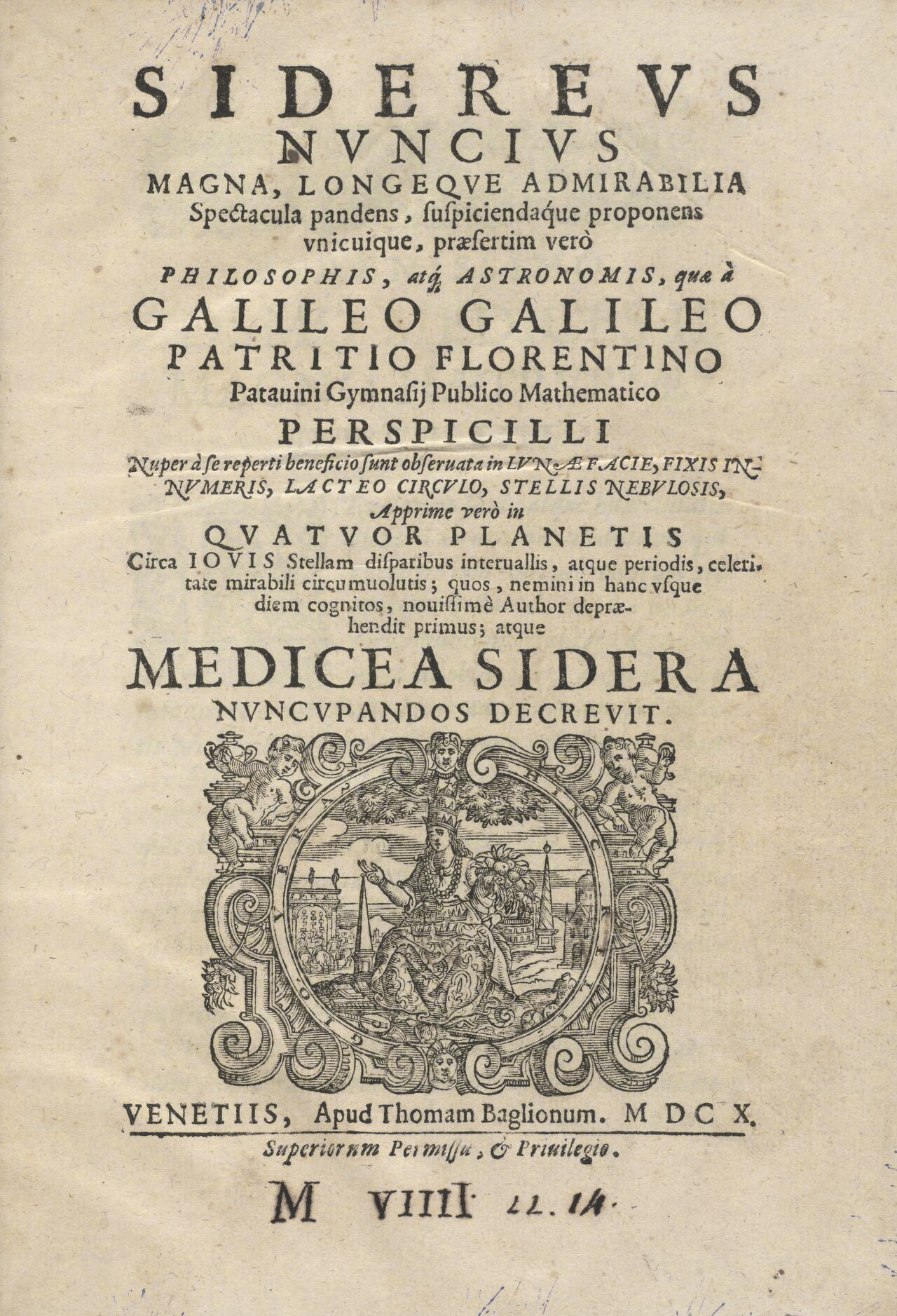 Book
Primary source
Sidereus Nuncius
Galileo Galilei · 1610
 Painting
Primary source
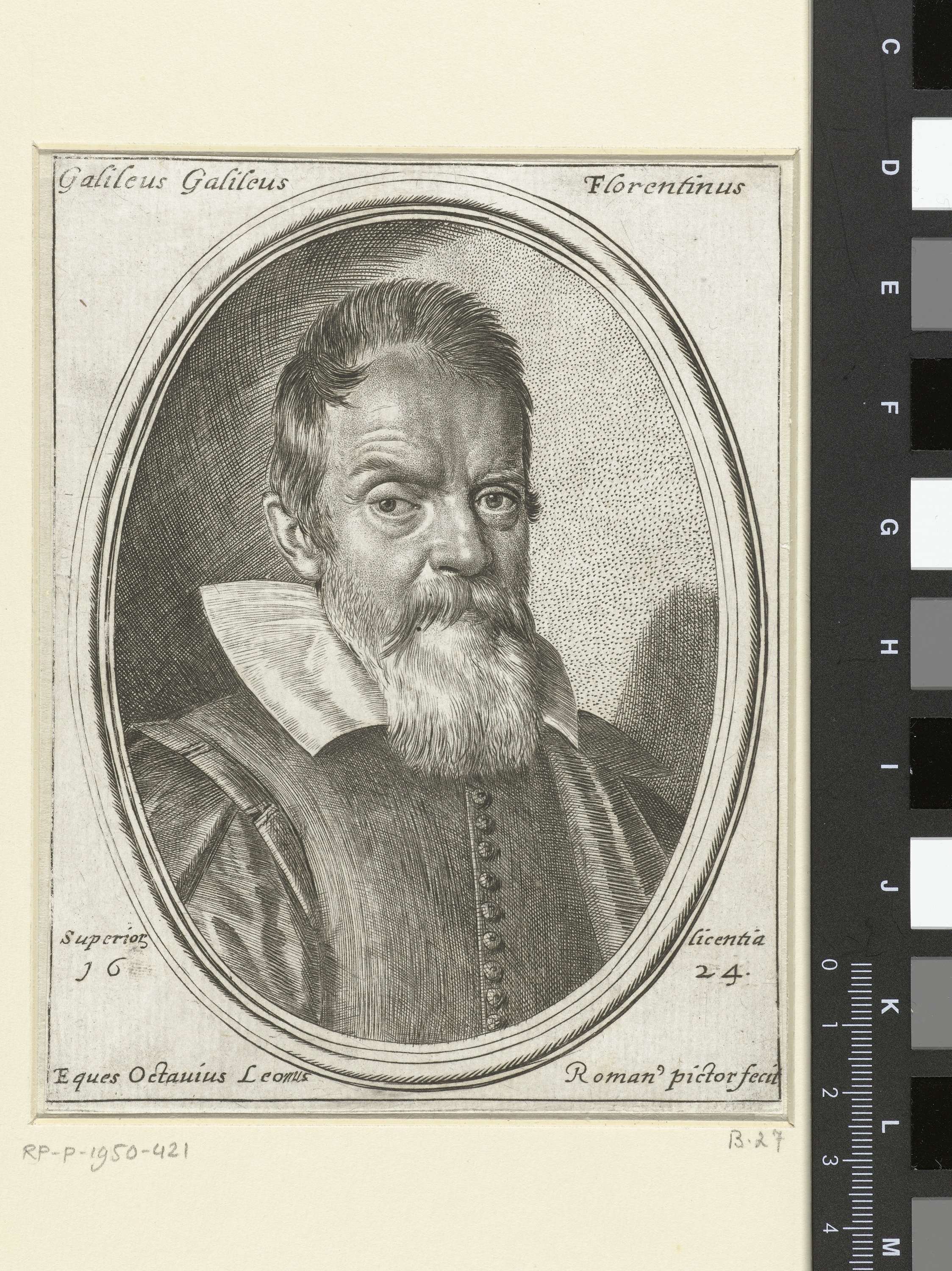
Portrait of Galileo Galilei (1624 print)
1624
 Painting
Primary source
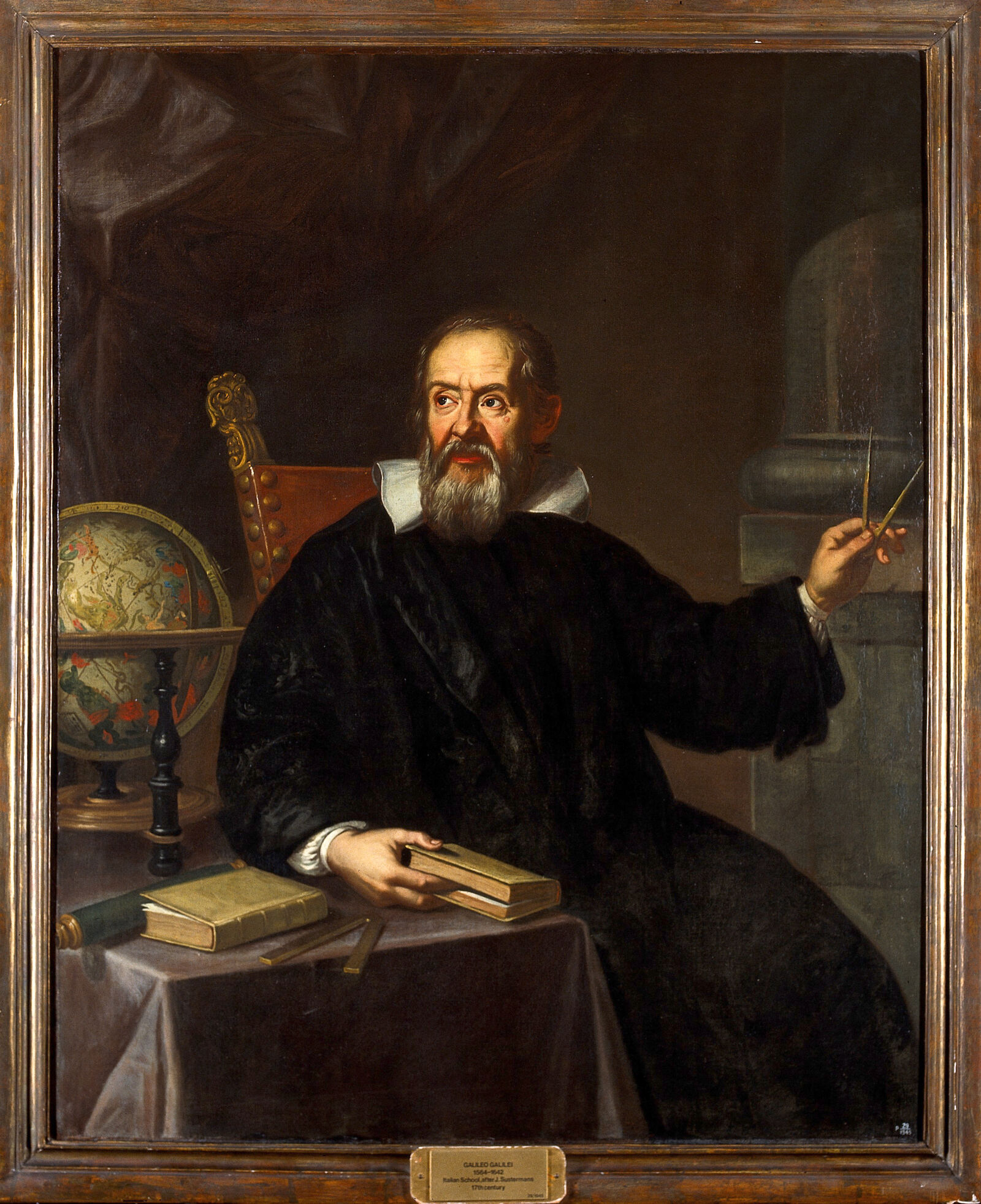
Oil Portrait of Galileo in His Study
Unknown Italian painter · 18th century (?)
 Painting
Primary source
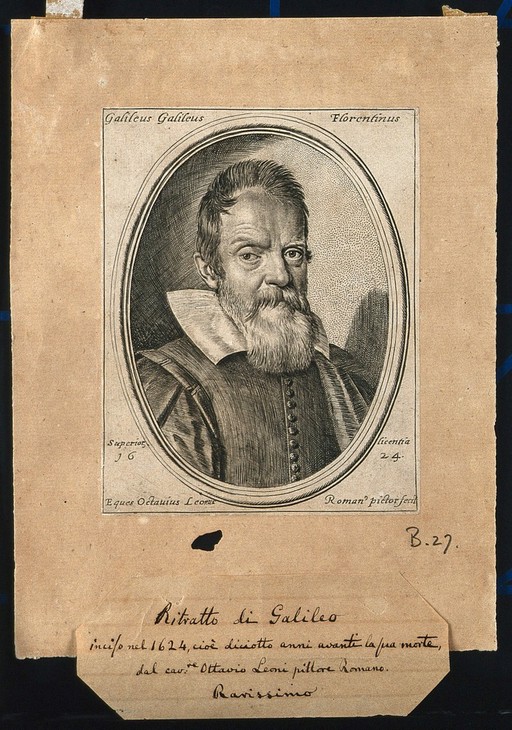
Galileo Galilei, line engraving by Ottavio Leoni
Ottavio Leoni · 1624
 Book
Primary source
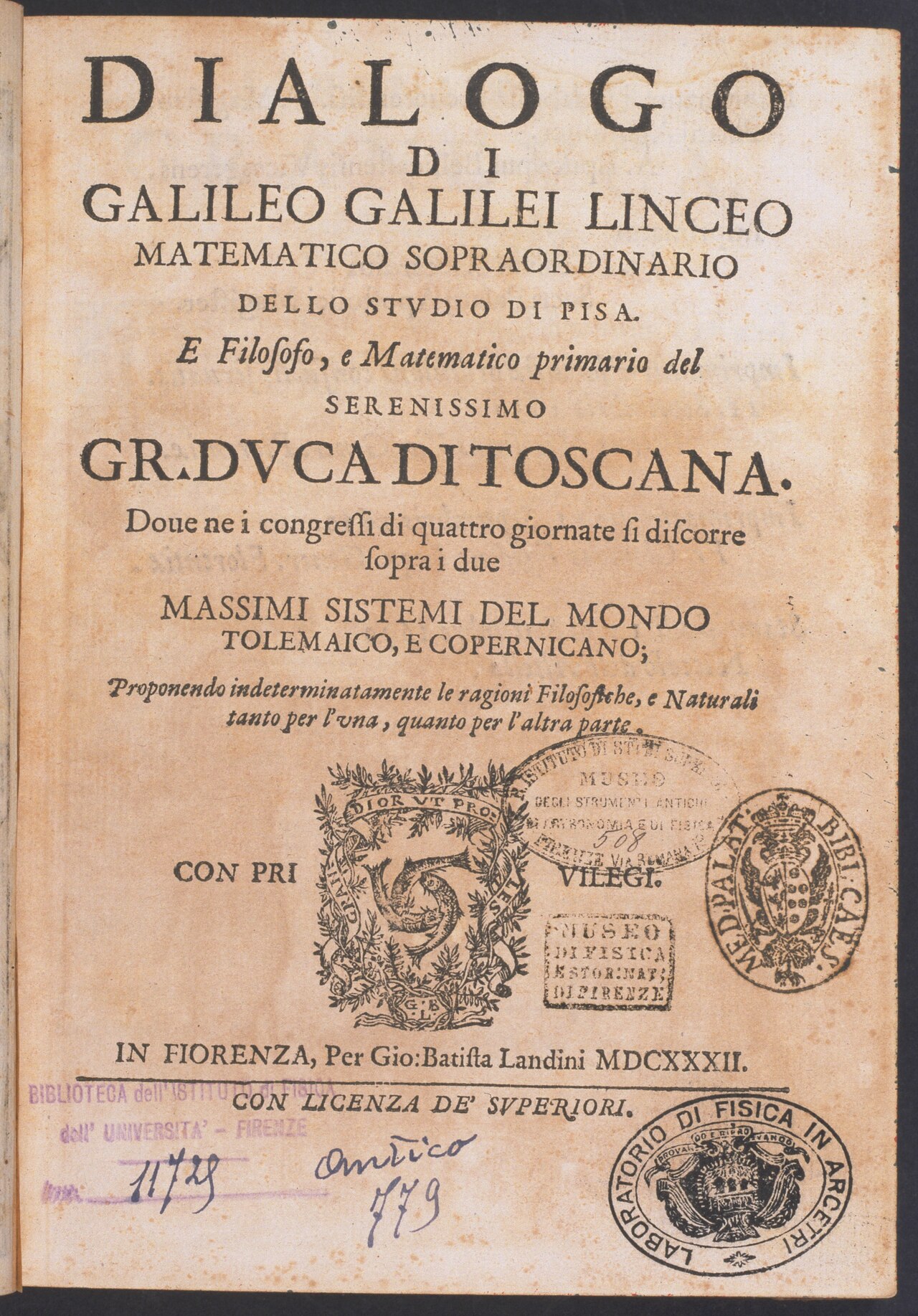
Dialogue Concerning the Two Chief World Systems
Galileo Galilei · 1632
Ready when you are
Start chatting with Galileo Galilei now.
20 messages free · No credit card · Available in 50+ languages.