


Primary sourceArtifactmid-16th century (1550-1600)
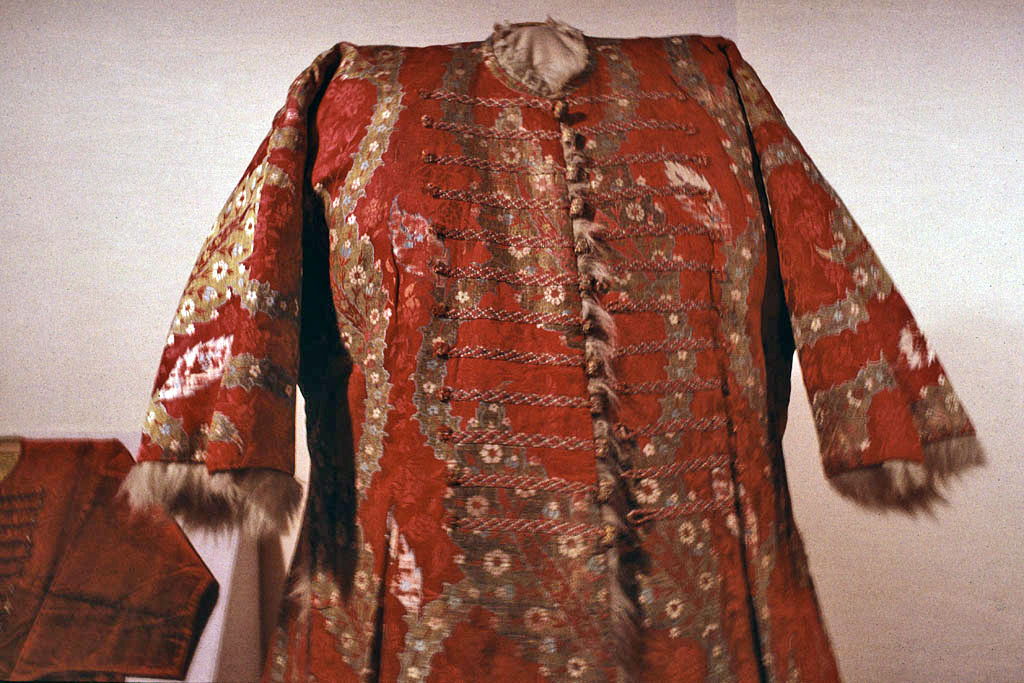
Ceremonial Kaftan from the Ottoman Imperial Treasury
Ottoman imperial workshops · mid-16th century (1550-1600)
A richly brocaded silk kaftan from the Ottoman court, preserved in the palace treasury among garments linked to Suleiman and his family.
This kaftan comes from Suleiman's palace treasury and reflects the luxury dress of his court and family.
About this source
What it is
This is a ceremonial winter kaftan made of silk and gold-thread brocade known as kemha, decorated with twisting branches and large leaves and lined with fur. It was made by Ottoman imperial workshops in the mid-16th century and is kept today in the Topkapı Palace Museum treasury. The museum notes it may have belonged to a son of Suleiman the Magnificent.
Why it matters
Garments like this reveal the luxury and ritual surrounding the Ottoman court. The stiff, heavy brocade was deliberately hard to move in, which gave wearers a dignified, rigid bearing expected of sultans and princes. When a sultan or prince died, such robes entered the palace treasury, which is why so many survive today.
Look closer
- What does the choice of heavy, stiff fabric suggest about how rulers were expected to behave in public?
- Why might the palace have kept clothing so carefully after its owner's death?
- What questions remain about exactly whose kaftan this was?
This artifact is part of the curated material that grounds the AI version of Suleiman the Magnificent on Humy.ai — when students ask about related events, the AI can quote it and cite it.
More Suleiman the Magnificent sources
Meet the AI Suleiman the Magnificent →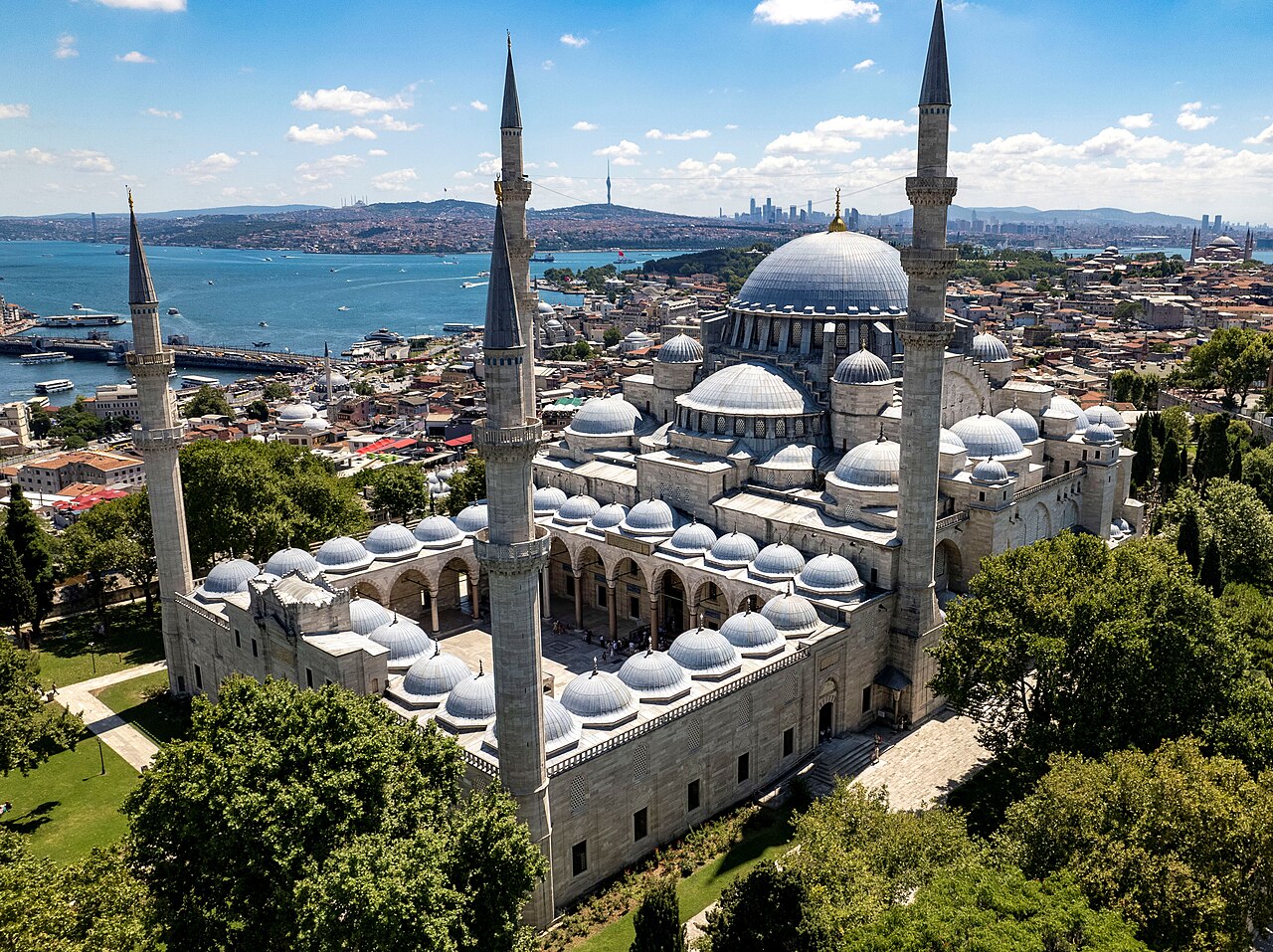 Artifact
Primary source
Süleymaniye Mosque
Mimar Sinan · 1550-1557
 Letter
Primary source
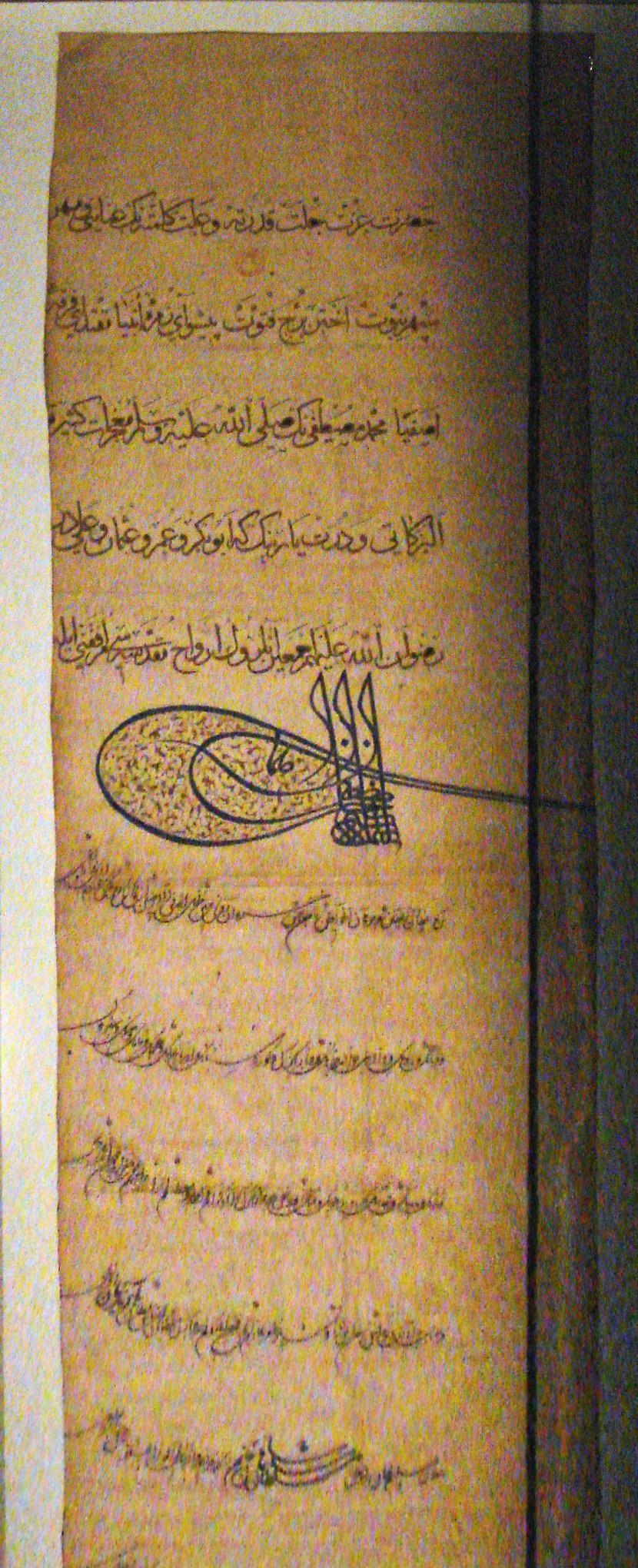
Letter to the King of France
Suleiman the Magnificent · 1526
 Painting
Primary source
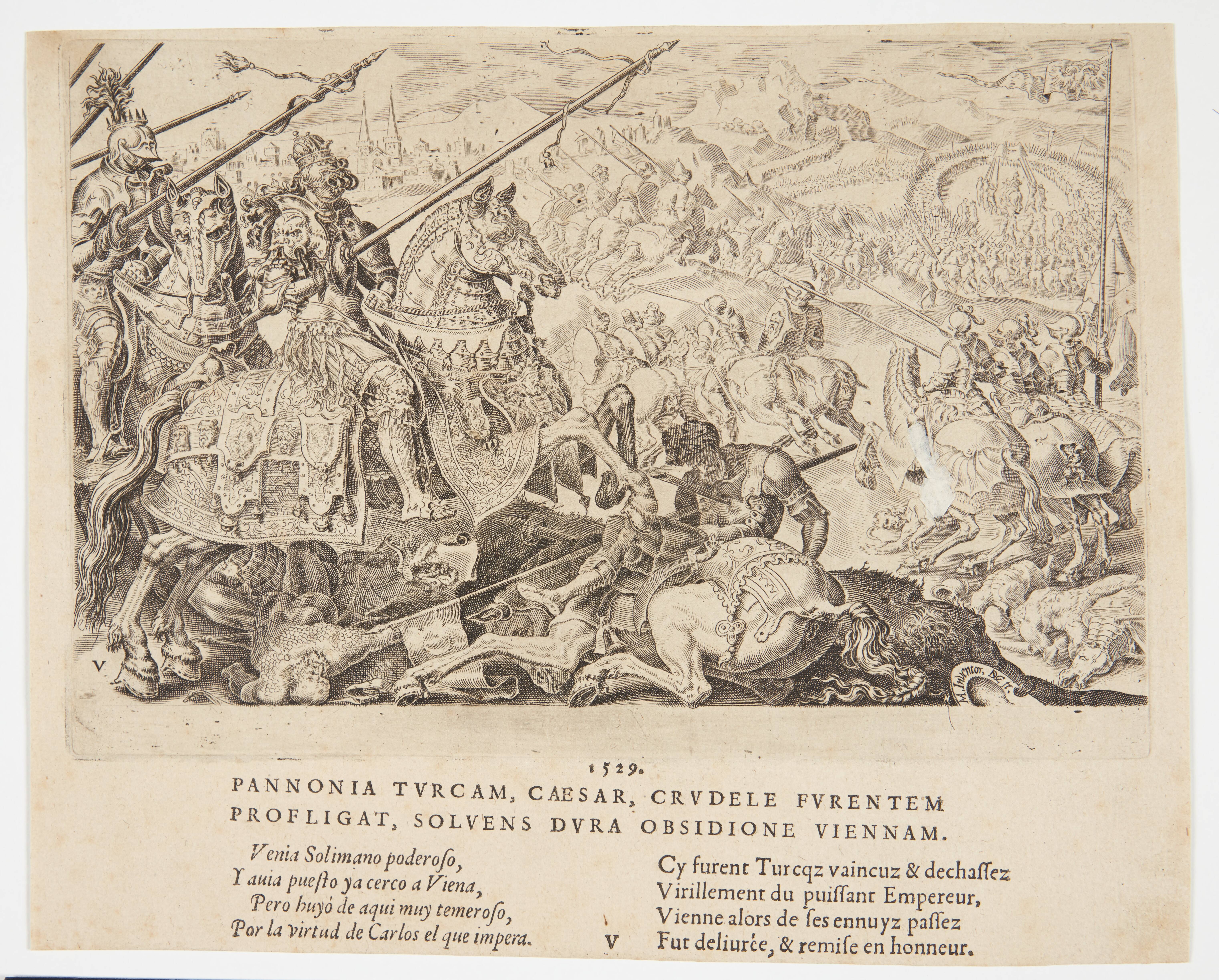
Suleiman the Magnificent Forced to Raise the Siege of Vienna
1555
 Painting
Secondary source
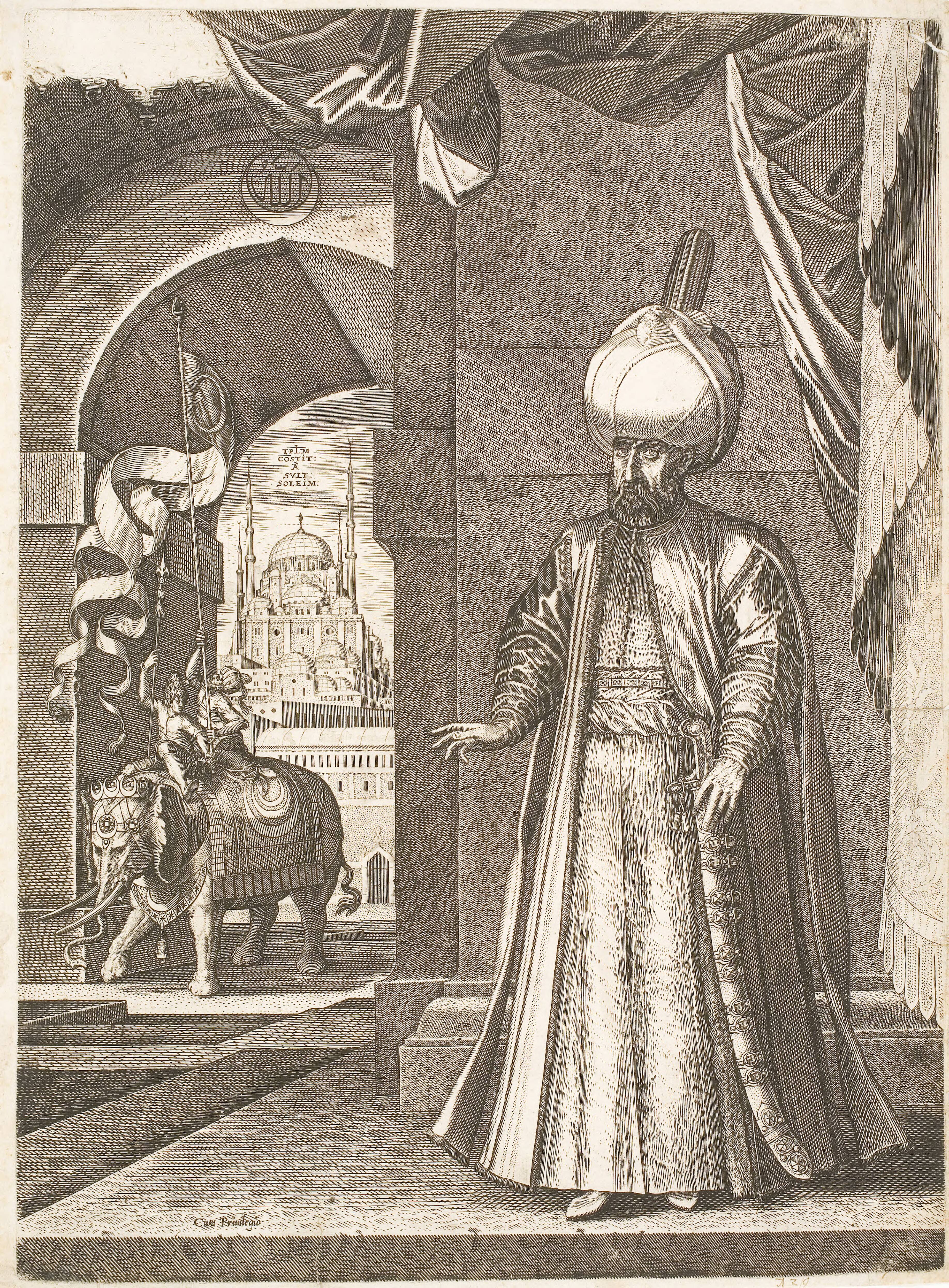
Standing Portrait of Sultan Suleiman the Magnificent
1574
 Artifact
Primary source
Tughra of Suleiman the Magnificent
Ready when you are
Start chatting with Suleiman the Magnificent now.
20 messages free · No credit card · Available in 50+ languages.