


Secondary sourcePainting1794
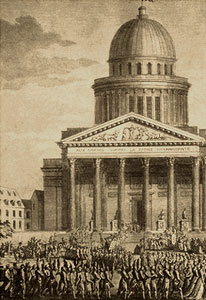
Ceremony of the Transfer of Rousseau's Ashes to the Panthéon
Unknown · 1794
An engraving showing the 1794 ceremony that moved Rousseau's remains to the Panthéon, where the Revolution claimed him as its philosopher.
This 1794 engraving depicts the Revolution ceremonially claiming Rousseau's remains as a symbol of its own ideals.
About this source
What it is
This sepia-toned engraving shows the neoclassical Panthéon in Paris during the 1794 ceremony that transferred Jean-Jacques Rousseau's ashes there. A large crowd fills the square before the domed building with its columned portico.
Why it matters
Rousseau died in 1778, well before the French Revolution, but revolutionary leaders later honored him as one of their intellectual forebears. Moving his remains to the Panthéon, a monument built to celebrate great citizens, shows how the Revolution used his memory to support its own ideas about liberty and the people.
Look closer
- Why might revolutionaries want to associate themselves with a philosopher who had died years earlier?
- What does the size of the crowd suggest about how important this ceremony was considered?
- What is missing from this image that might tell us more about what Rousseau himself believed?
This painting is part of the curated material that grounds the AI version of Jean-Jacques Rousseau on Humy.ai — when students ask about related events, the AI can quote it and cite it.
More Jean-Jacques Rousseau sources
Browse all 79 →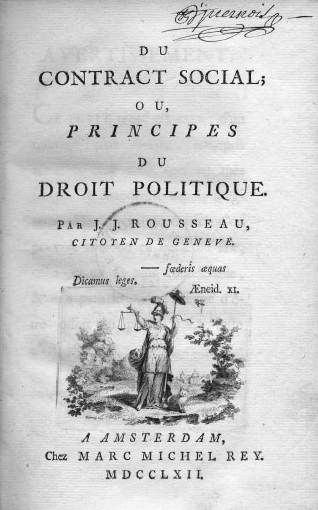 Book
Primary source
The Social Contract
Jean-Jacques Rousseau · 1762
 Painting
Primary source
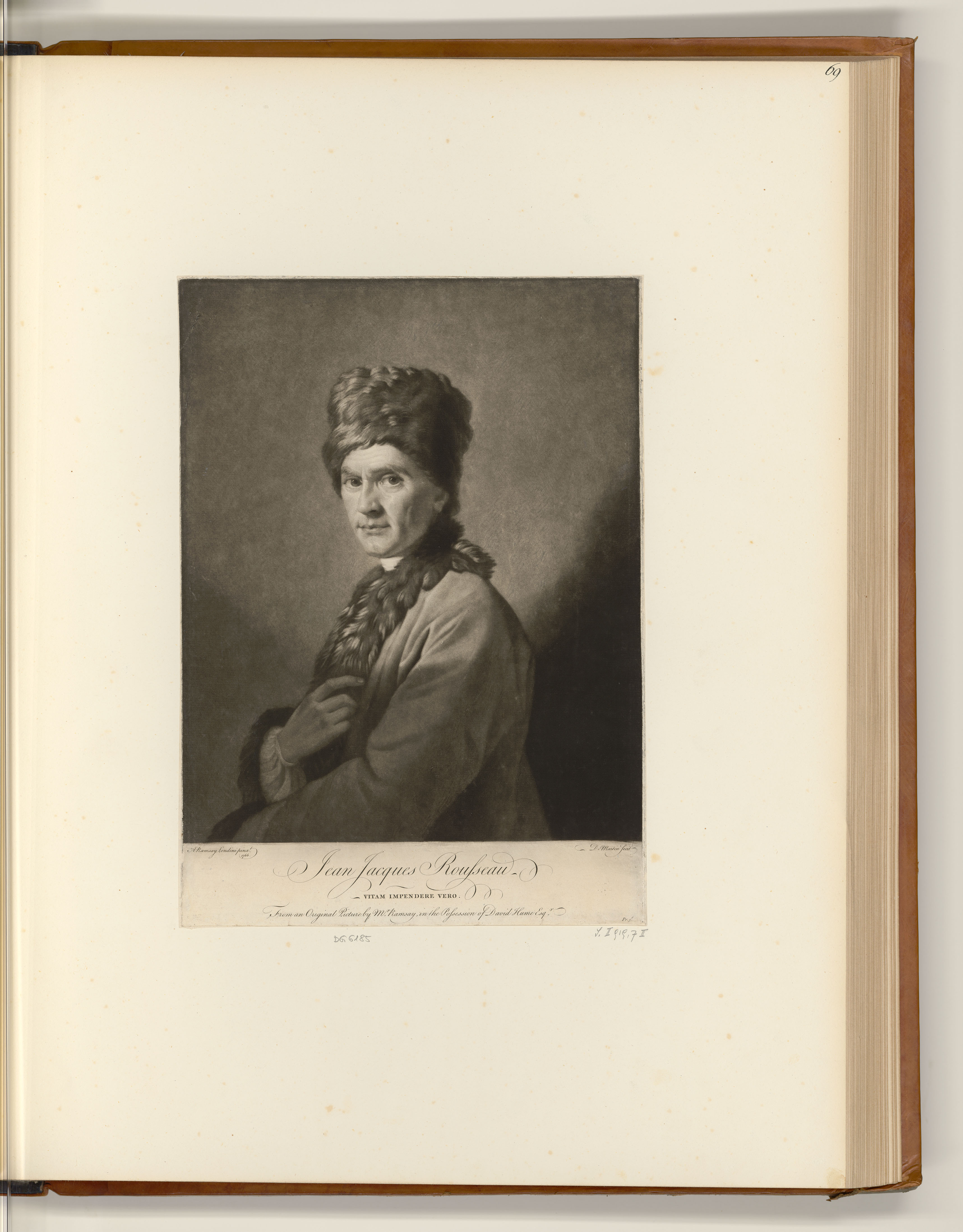
Portrait of Jean Jacques Rousseau
David Martin · 1766
 Book
Primary source
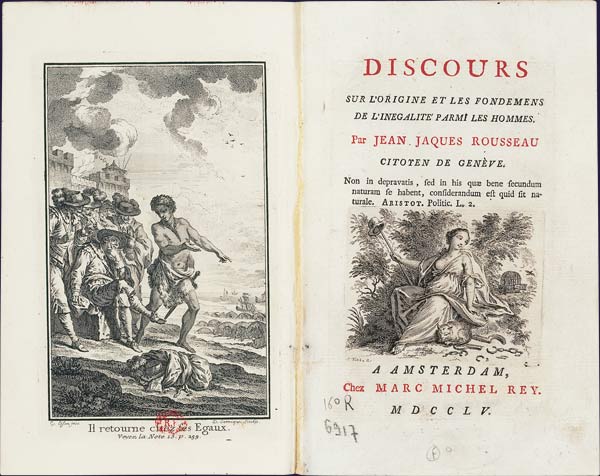
Discourse on Inequality
Jean-Jacques Rousseau · 1754 (published 1755)
 Painting
Secondary source
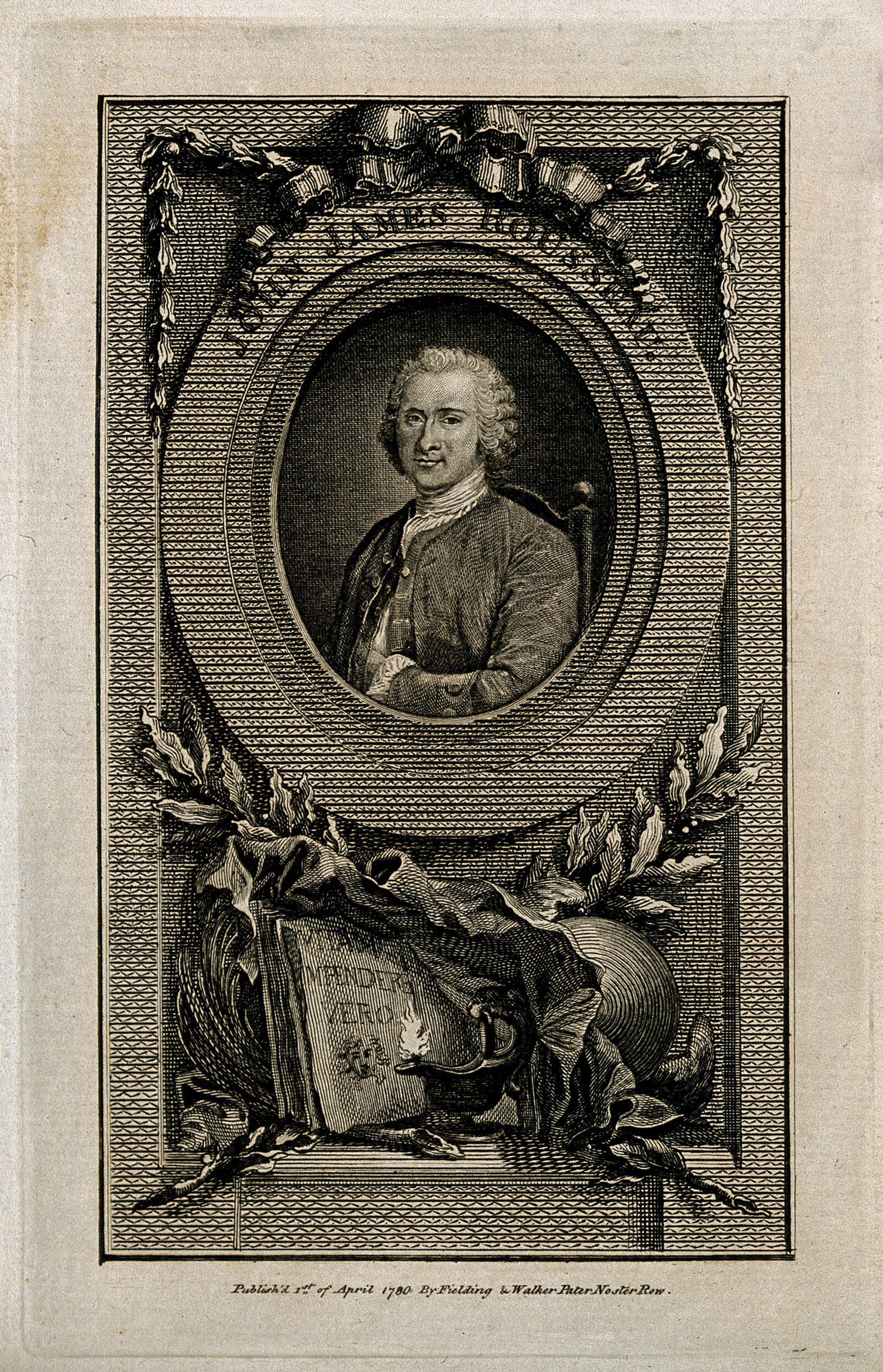
Engraving of Rousseau after La Tour's Portrait
E. Ficquet, after Maurice Quentin de La Tour · 1780
Free account
Read every Jean-Jacques Rousseau source
Sign up free →
Ready when you are
Start chatting with Jean-Jacques Rousseau now.
20 messages free · No credit card · Available in 50+ languages.