


Primary sourceBook1754 (published 1755)
Discourse on Inequality
Jean-Jacques Rousseau · 1754 (published 1755)
Rousseau's 1755 treatise arguing that private property and civil society, not nature, are the source of human inequality.
Rousseau's own treatise setting out his theory that society, not nature, creates inequality among people.
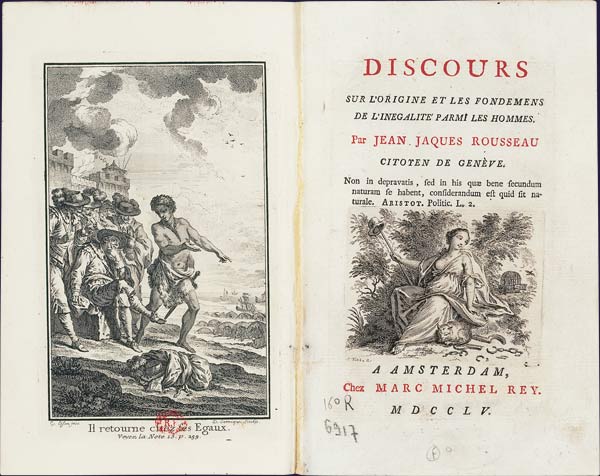
About this source
What it is
This is the title page of Rousseau's Discourse on the Origin and Basis of Inequality Among Men, written in 1754 for a competition held by the Academy of Dijon and published in 1755 in Amsterdam.
Why it matters
Rousseau argues that natural inequality between bodies is not the problem; instead, moral inequality—differences in wealth, rank and power—was created by civil society and especially by the invention of private property. The work directly challenges earlier thinkers like Hobbes and Locke on what humans were like before society existed, and shaped later revolutionary ideas about equality.
Look closer
- Why do you think Rousseau dedicated this work to the Republic of Geneva, his home city?
- What does Rousseau mean by distinguishing 'natural' inequality from inequality created by society?
- How might Rousseau's ideas about a 'natural man' be used to question the fairness of 18th-century society?
This book is part of the curated material that grounds the AI version of Jean-Jacques Rousseau on Humy.ai — when students ask about related events, the AI can quote it and cite it.
More Jean-Jacques Rousseau sources
Meet the AI Jean-Jacques Rousseau →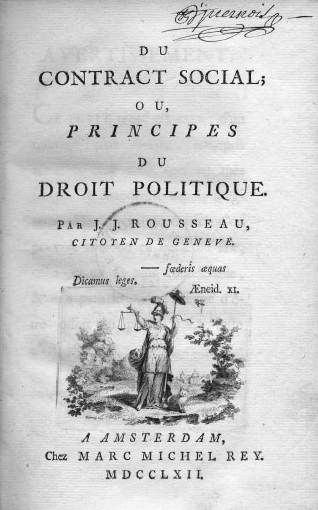 Book
Primary source
The Social Contract
Jean-Jacques Rousseau · 1762
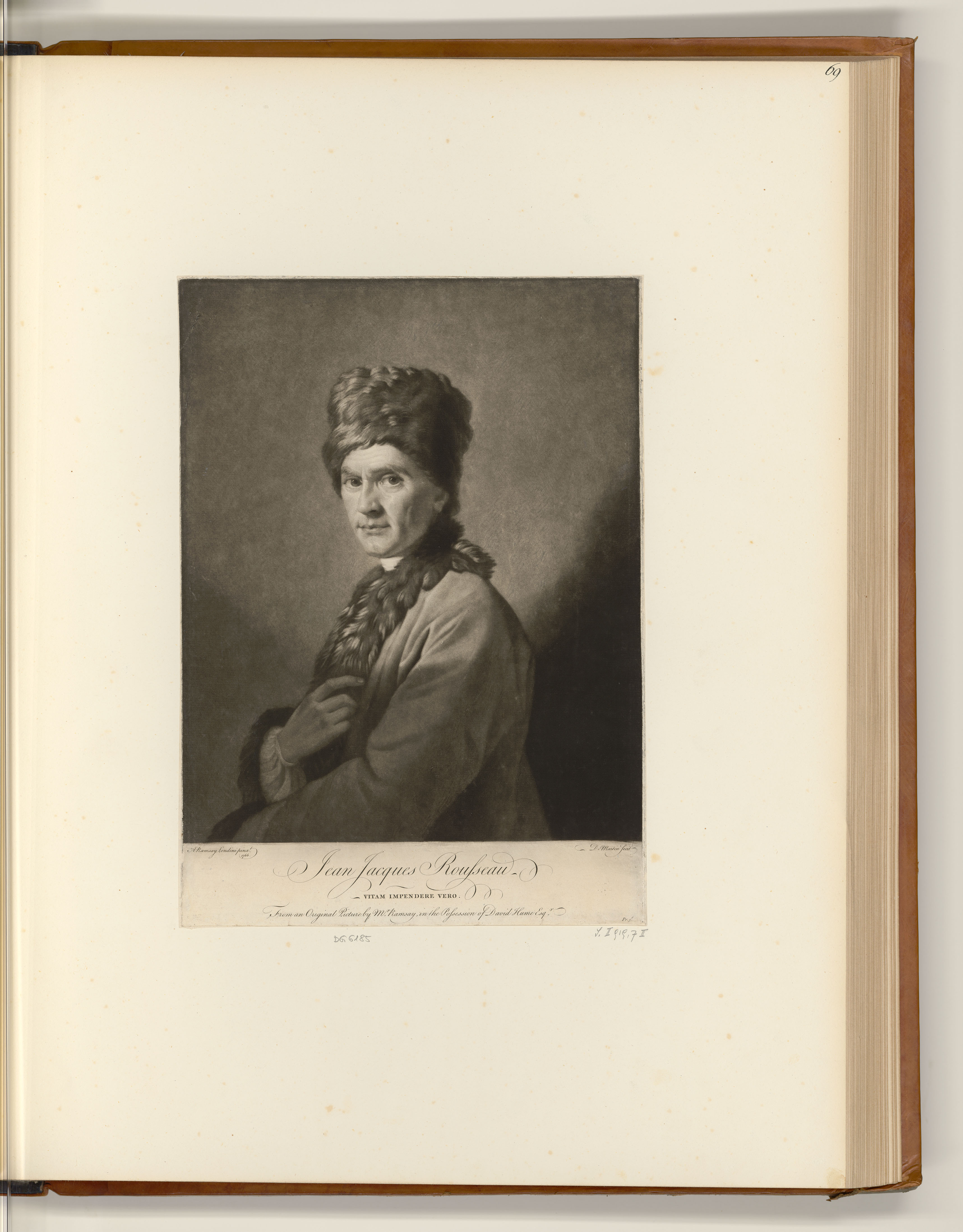 Painting
Primary source
Portrait of Jean Jacques Rousseau
David Martin · 1766
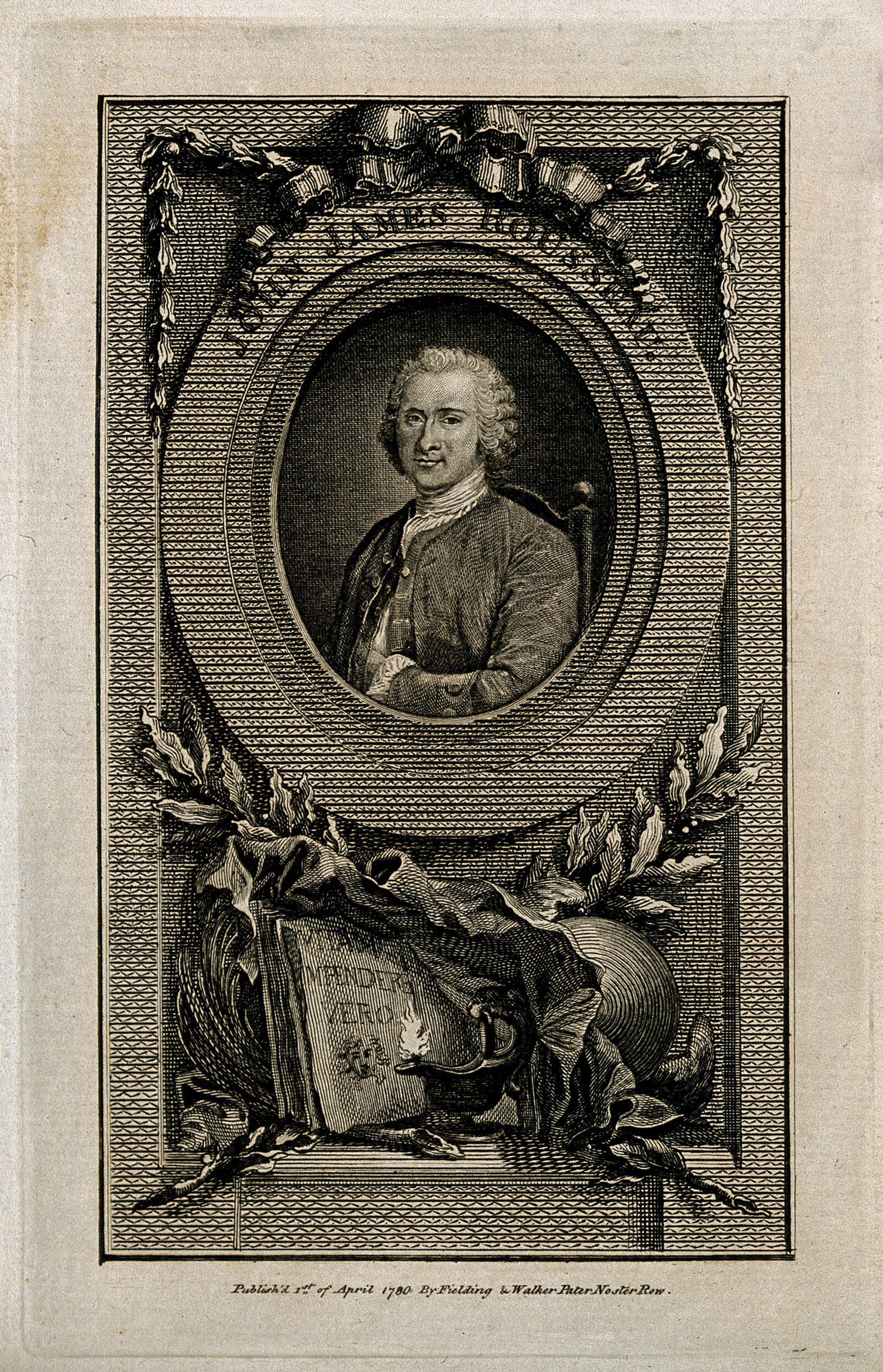 Painting
Secondary source
Engraving of Rousseau after La Tour's Portrait
E. Ficquet, after Maurice Quentin de La Tour · 1780
 Book
Primary source
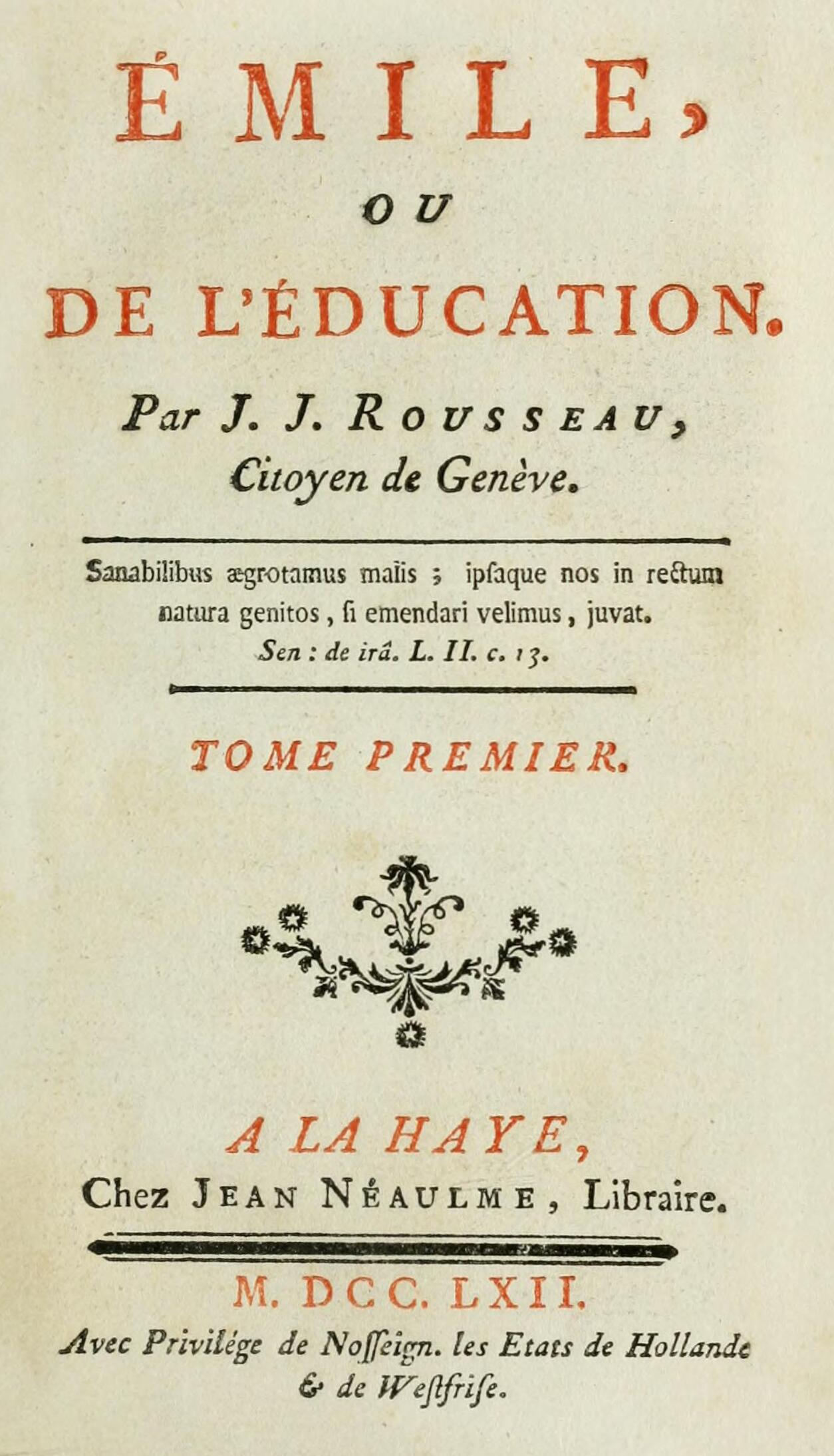
Emile, or On Education
Jean-Jacques Rousseau · 1762
 Painting
Primary source
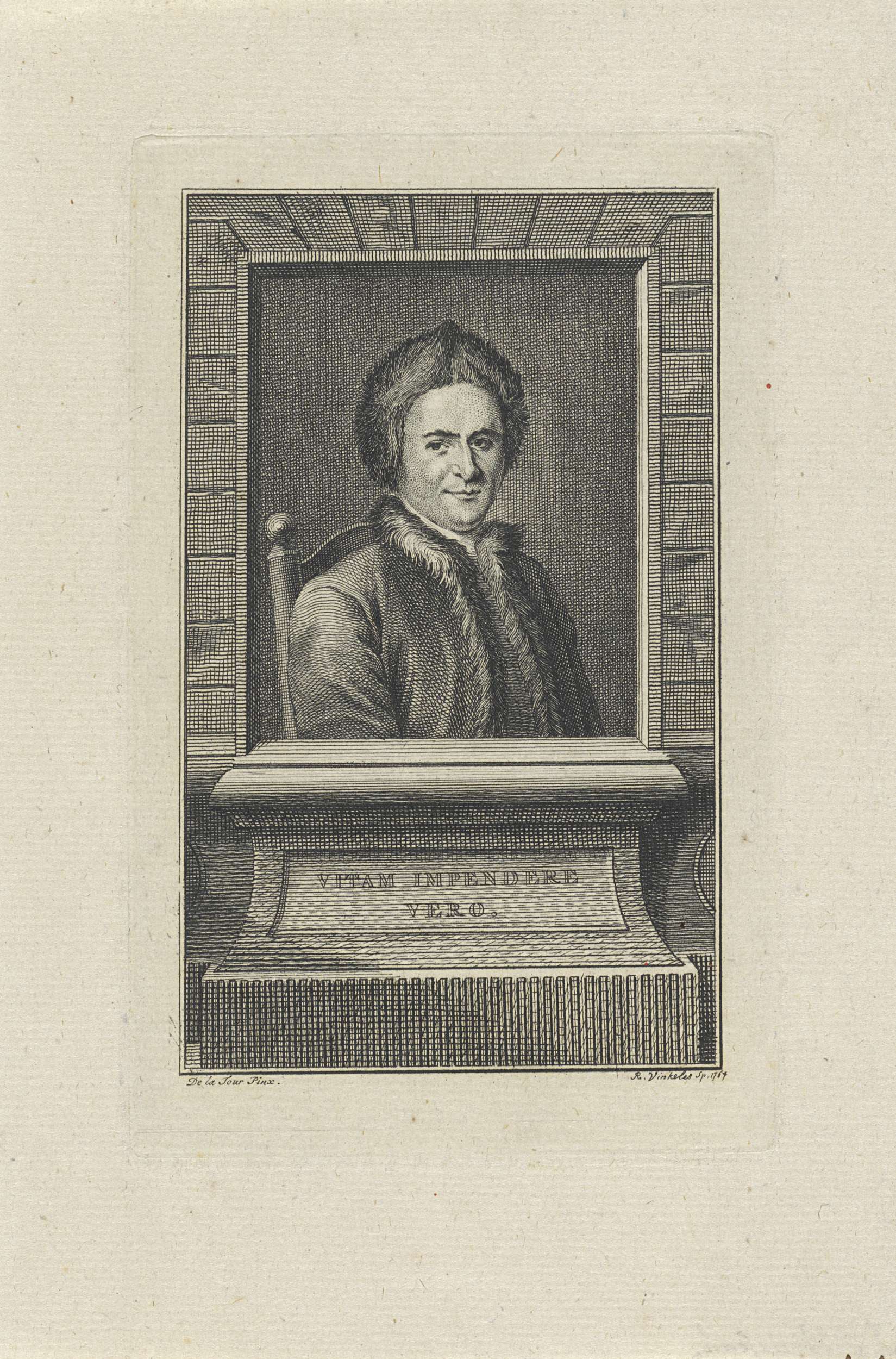
Portrait of the French Writer Jean-Jacques Rousseau
R. Vinkeles, after Maurice Quentin de La Tour · 1764
Ready when you are
Start chatting with Jean-Jacques Rousseau now.
20 messages free · No credit card · Available in 50+ languages.