


Primary sourceBook1762
The Social Contract
Jean-Jacques Rousseau · 1762
Rousseau's 1762 political treatise arguing for popular sovereignty and the 'general will', containing the famous line 'Man is born free, and everywhere he is in chains.'
Rousseau's own central political treatise, laying out his theory of popular sovereignty and the general will.
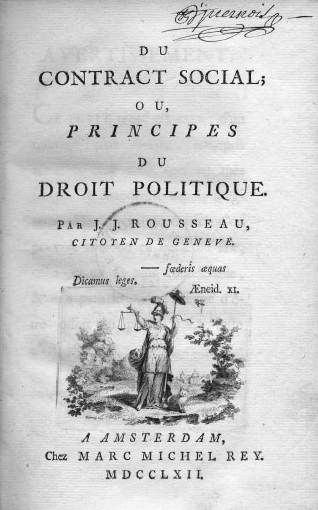
About this source
What it is
This is the title page of Du Contrat Social, Jean-Jacques Rousseau's 1762 book on political philosophy, printed in Amsterdam. The book asks how political authority can be legitimate while respecting individual freedom.
Why it matters
Rousseau argues that only the 'general will' of the people has the right to make laws, rejecting the idea that monarchs rule by divine right. The book later inspired political reformers and revolutionaries, especially in France, making it one of the most influential works of political thought in history.
Look closer
- Why might a printer in Amsterdam, rather than Paris, have published this book?
- What does the opening line about man being 'born free' yet 'in chains' suggest about Rousseau's view of society?
- How might a king or government official have reacted to reading this book?
This book is part of the curated material that grounds the AI version of Jean-Jacques Rousseau on Humy.ai — when students ask about related events, the AI can quote it and cite it.
More Jean-Jacques Rousseau sources
Meet the AI Jean-Jacques Rousseau →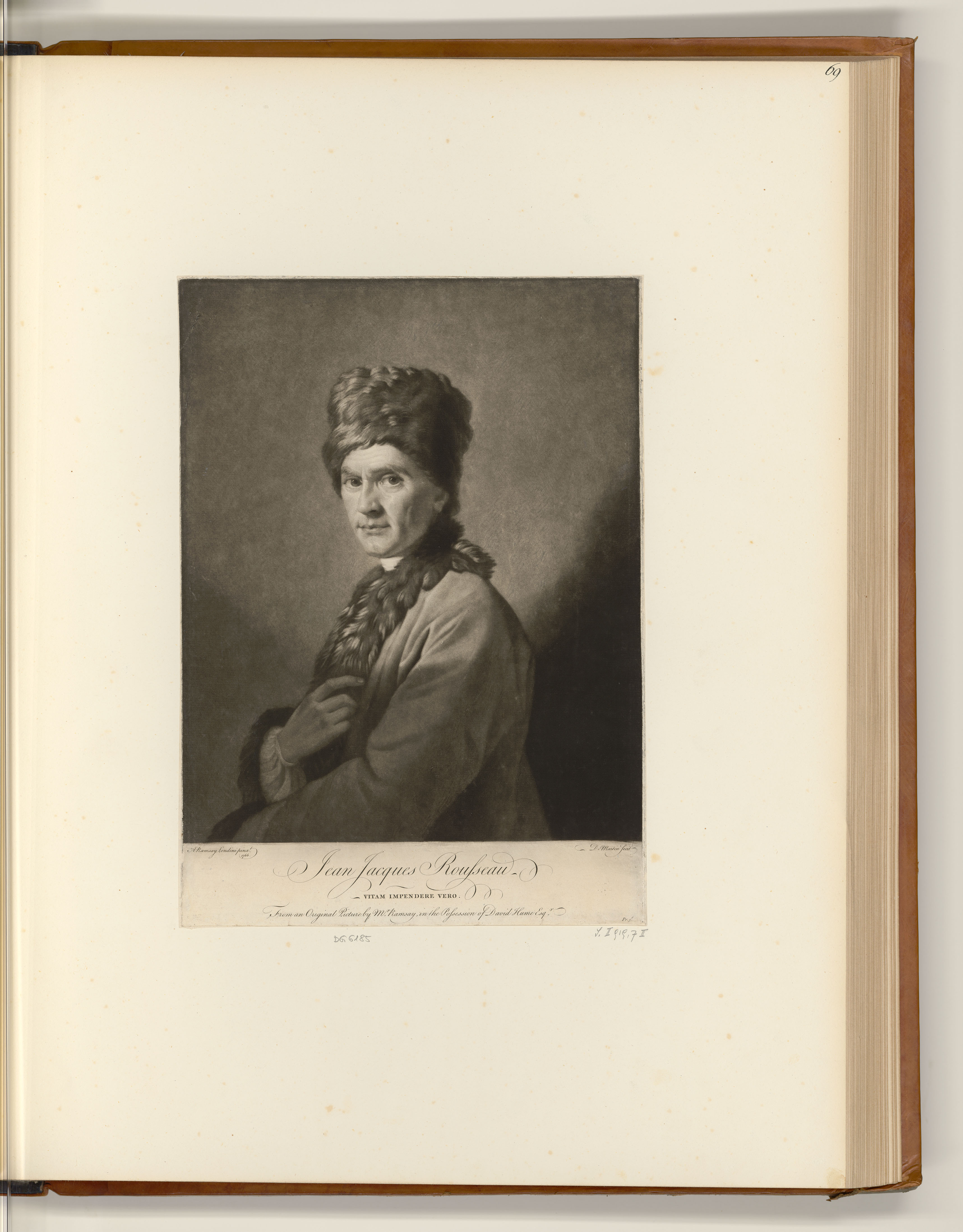 Painting
Primary source
Portrait of Jean Jacques Rousseau
David Martin · 1766
 Book
Primary source
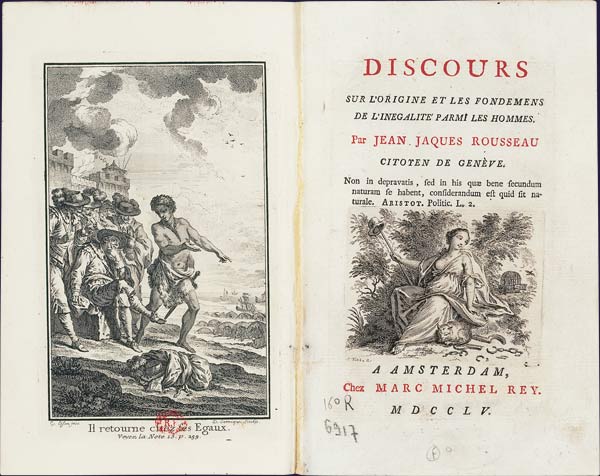
Discourse on Inequality
Jean-Jacques Rousseau · 1754 (published 1755)
 Painting
Secondary source
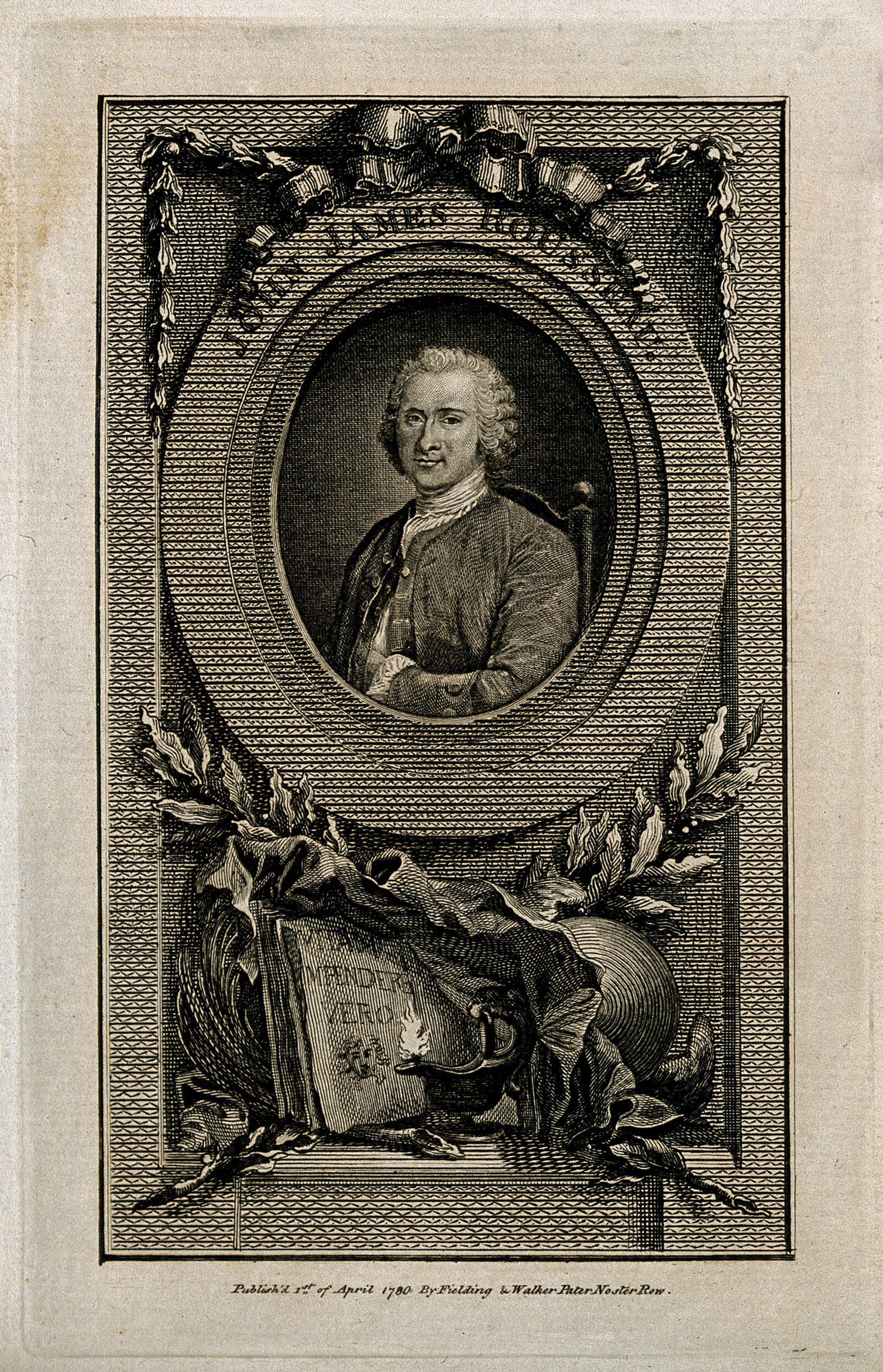
Engraving of Rousseau after La Tour's Portrait
E. Ficquet, after Maurice Quentin de La Tour · 1780
 Book
Primary source
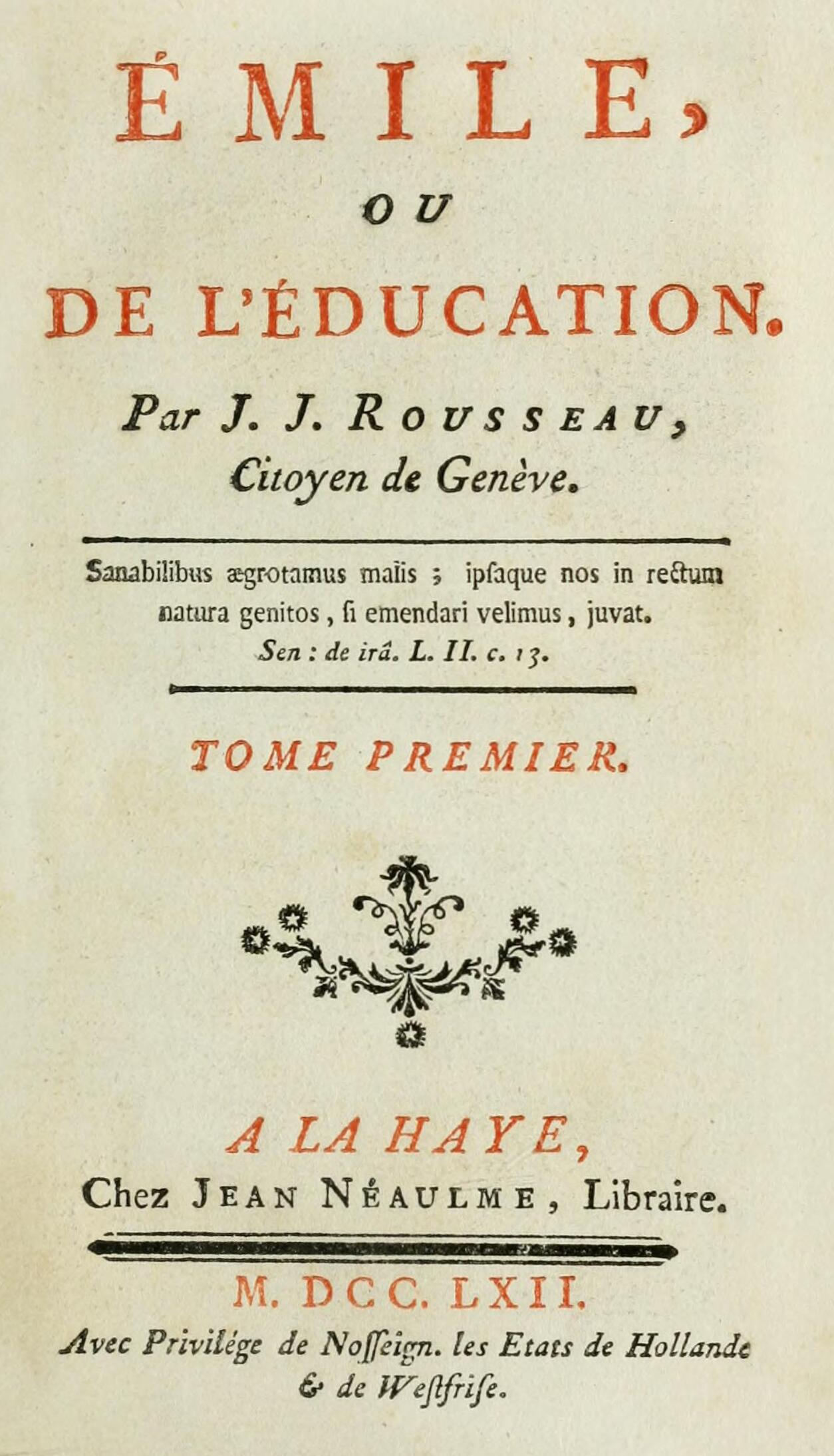
Emile, or On Education
Jean-Jacques Rousseau · 1762
 Painting
Primary source
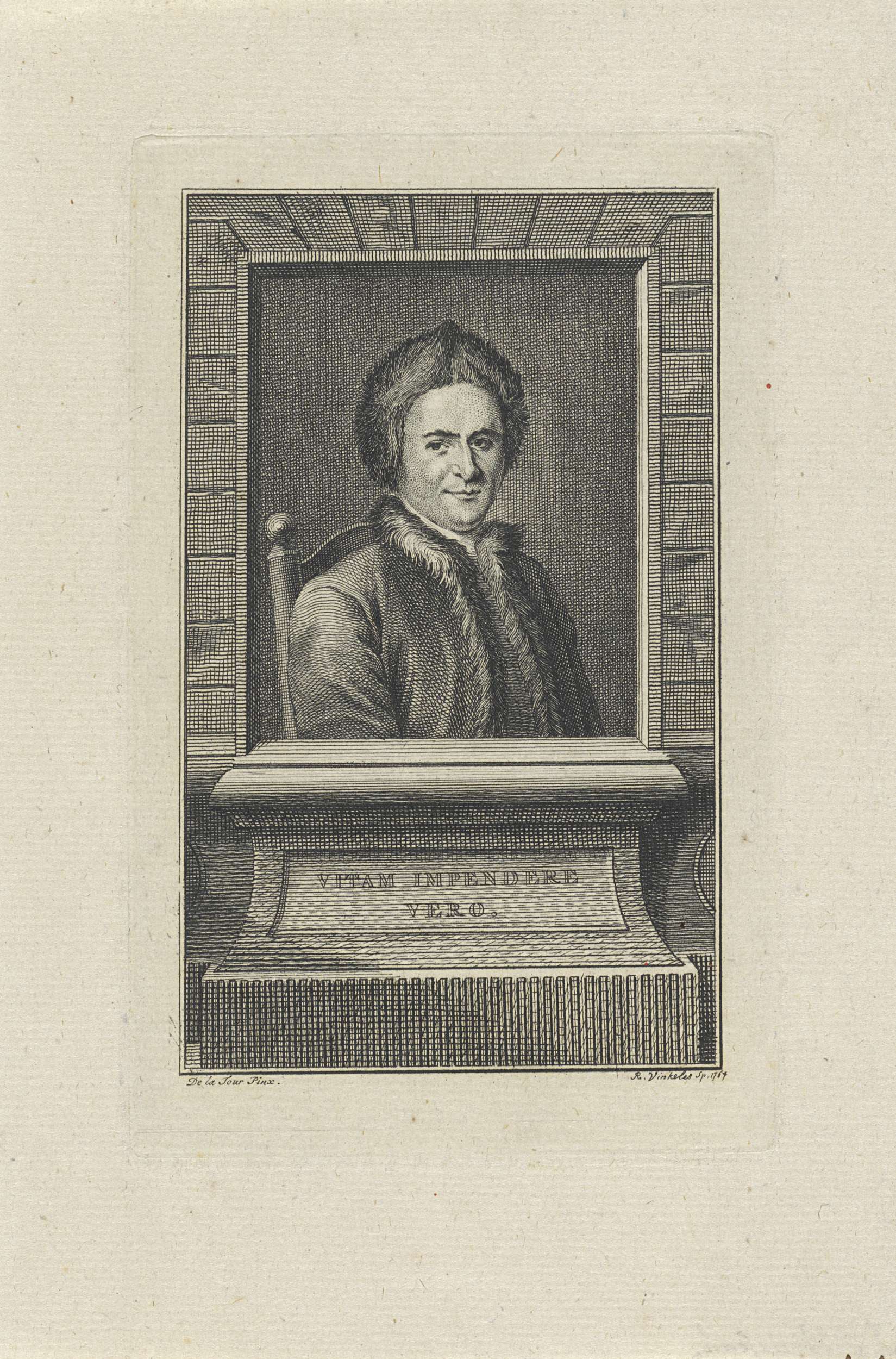
Portrait of the French Writer Jean-Jacques Rousseau
R. Vinkeles, after Maurice Quentin de La Tour · 1764
Ready when you are
Start chatting with Jean-Jacques Rousseau now.
20 messages free · No credit card · Available in 50+ languages.