


Primary sourceBook1762
Emile, or On Education
Jean-Jacques Rousseau · 1762
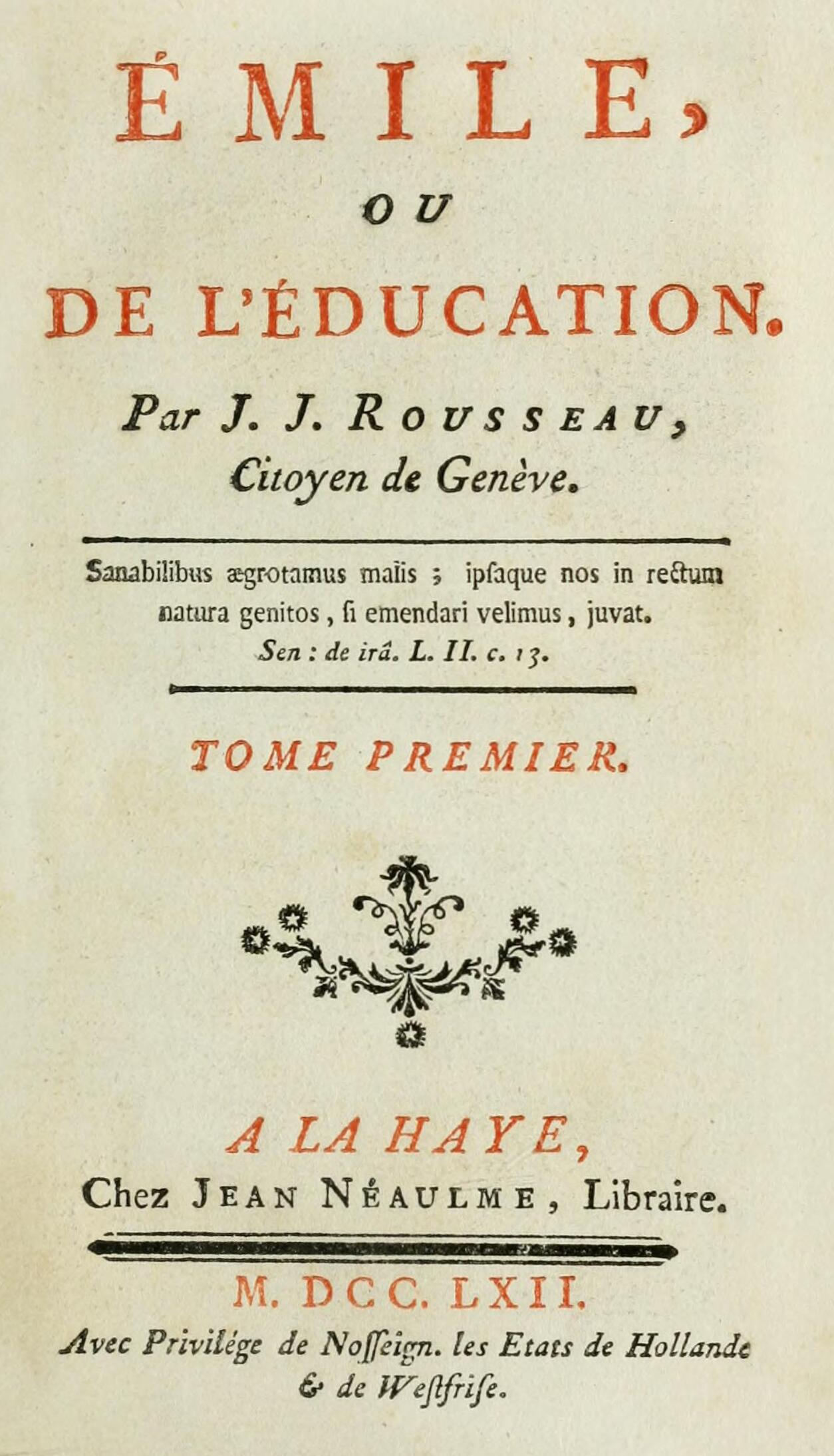
Rousseau's 1762 treatise on natural education, which was banned and publicly burned in Paris and Geneva the year it appeared.
Rousseau's own foundational work on education, condemned and burned shortly after he wrote it.
About this source
What it is
This is the title page of the first edition of Emile, or On Education, a treatise by Jean-Jacques Rousseau published in 1762 in The Hague, using the story of a boy and his tutor to describe an ideal natural education.
Why it matters
Rousseau believed children should learn through experience and nature rather than books and discipline, an idea that influenced modern education. A section on religion, the 'Profession of Faith of the Savoyard Vicar', led the Catholic Church to ban the book and authorities in Paris and Geneva to burn it, showing how dangerous Rousseau's ideas were seen to be at the time.
Look closer
- Why might a book about raising children have been seen as politically or religiously dangerous?
- What does the opening line, that everything 'degenerates in the hands of man', suggest about Rousseau's view of society?
- Rousseau outlines different education for the boy Emile and the girl Sophie—what might that tell us about 18th-century views of gender?
This book is part of the curated material that grounds the AI version of Jean-Jacques Rousseau and Mary Wollstonecraft on Humy.ai — when students ask about related events, the AI can quote it and cite it.
More Jean-Jacques Rousseau sources
Meet the AI Jean-Jacques Rousseau →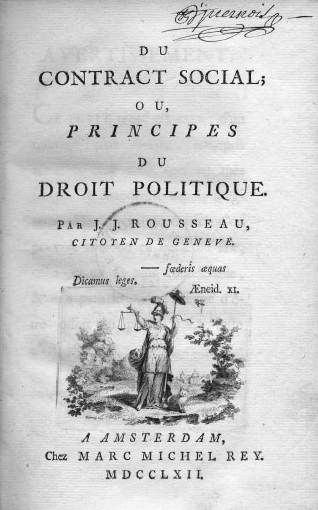 Book
Primary source
The Social Contract
Jean-Jacques Rousseau · 1762
 Painting
Primary source
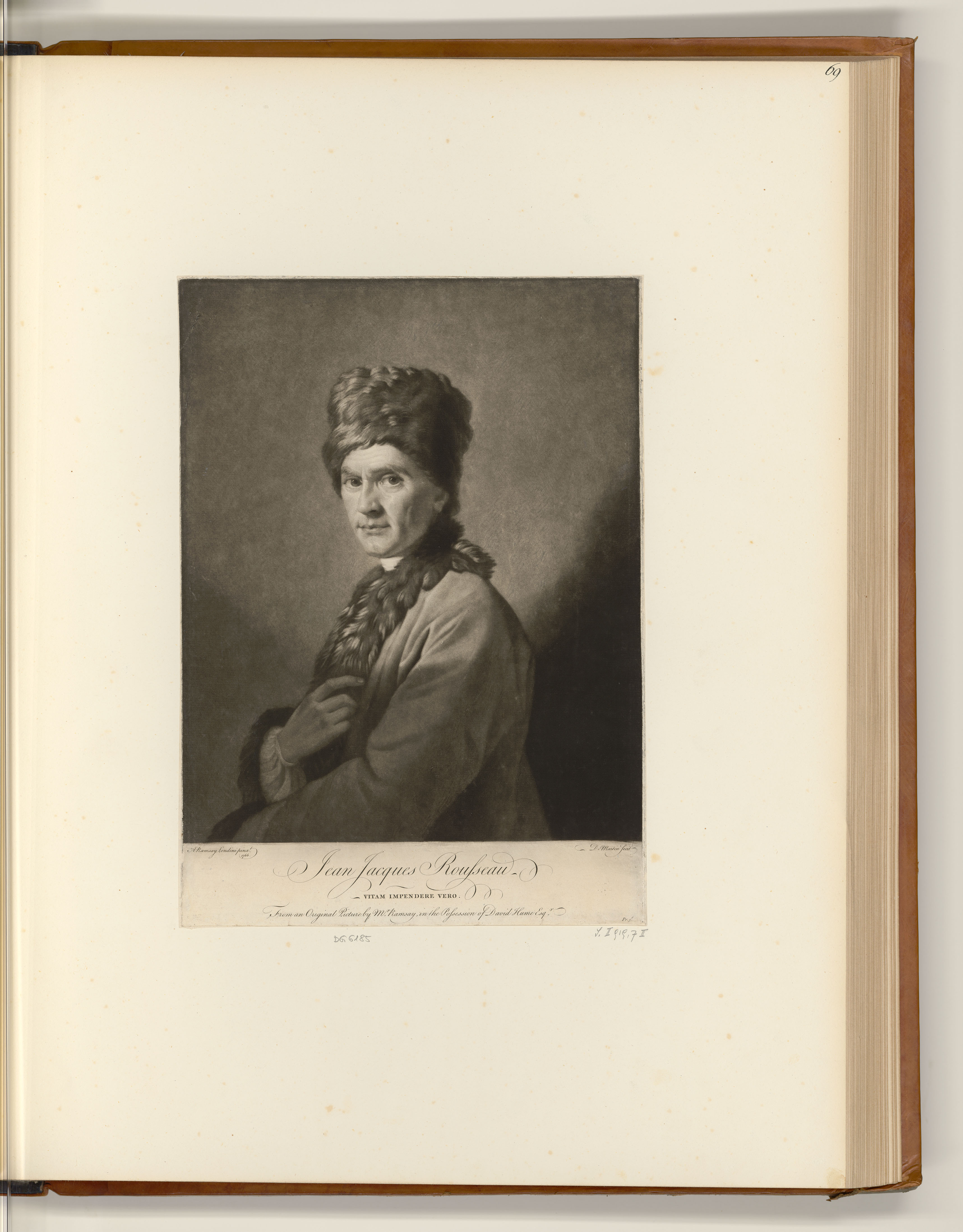
Portrait of Jean Jacques Rousseau
David Martin · 1766
 Book
Primary source
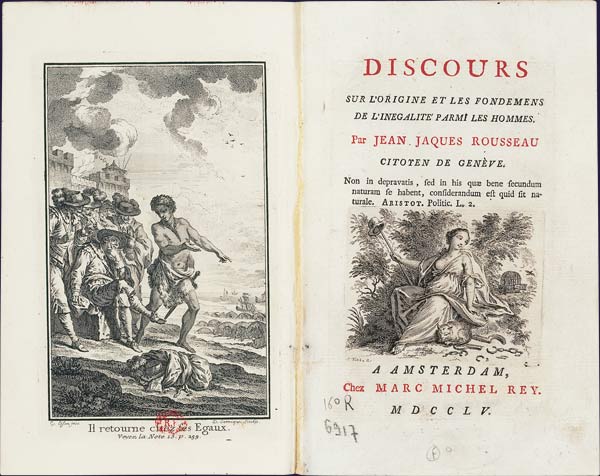
Discourse on Inequality
Jean-Jacques Rousseau · 1754 (published 1755)
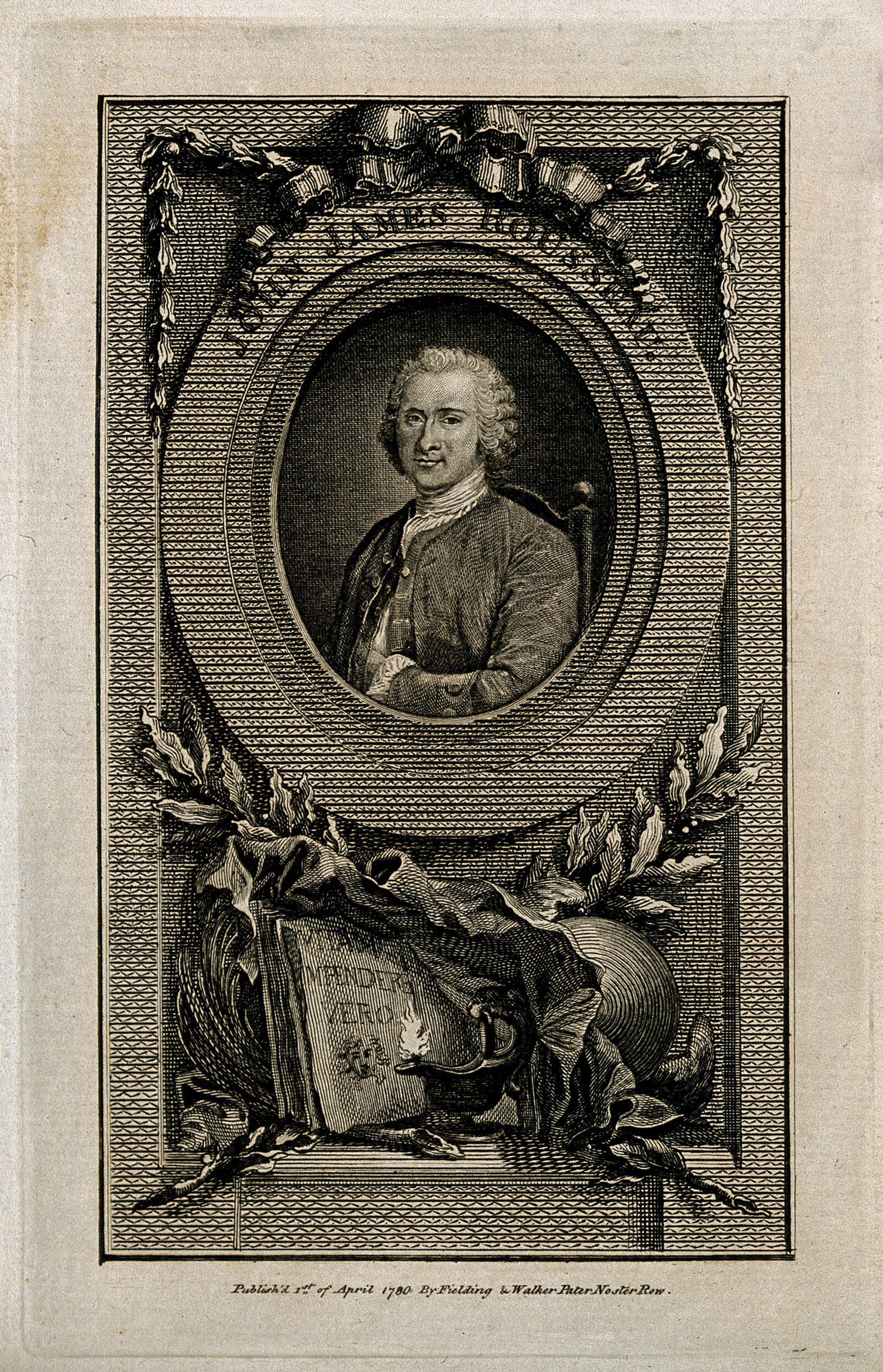 Painting
Secondary source
Engraving of Rousseau after La Tour's Portrait
E. Ficquet, after Maurice Quentin de La Tour · 1780
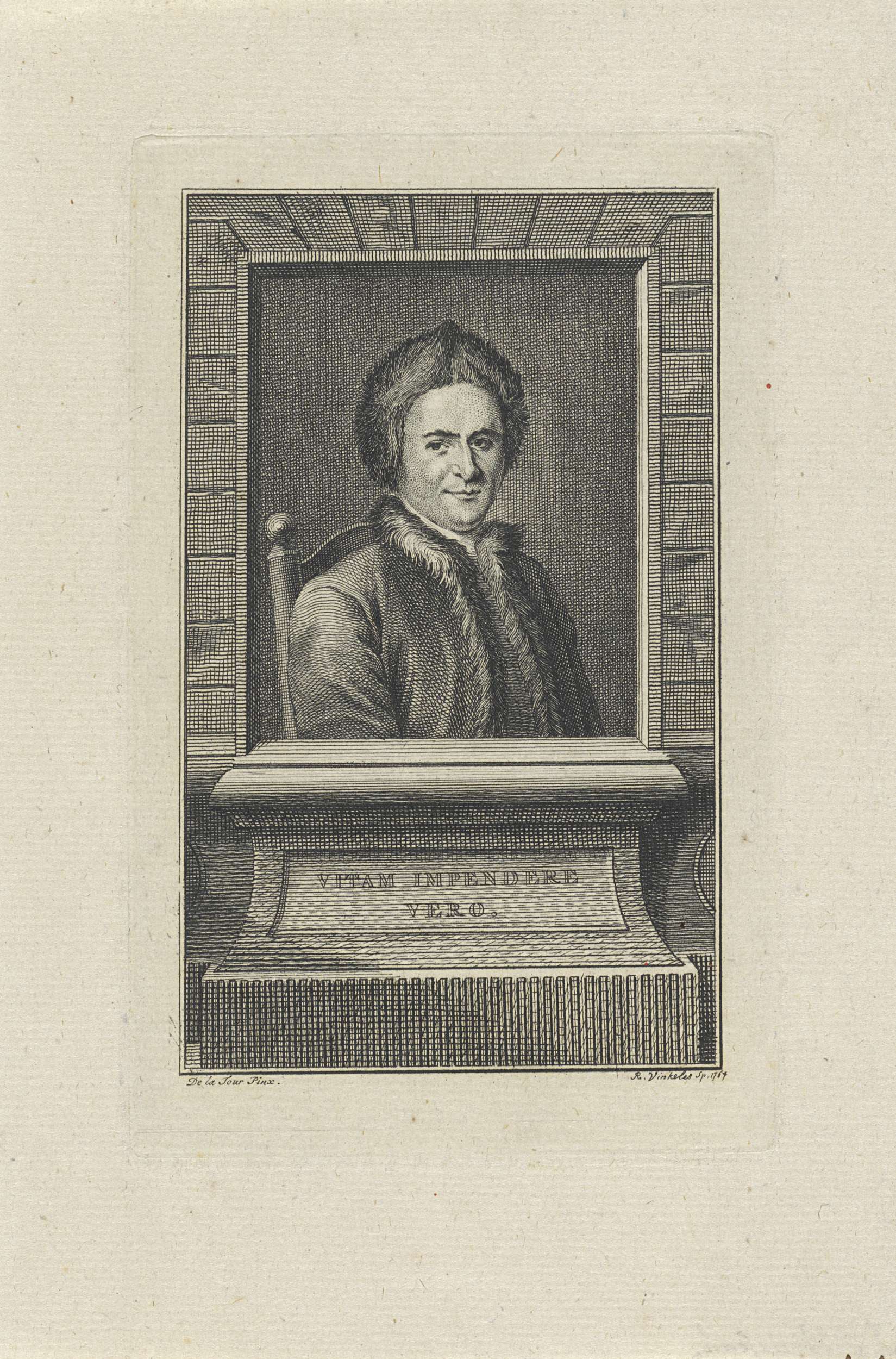 Painting
Primary source
Portrait of the French Writer Jean-Jacques Rousseau
R. Vinkeles, after Maurice Quentin de La Tour · 1764
Ready when you are
Start chatting with Jean-Jacques Rousseau now.
20 messages free · No credit card · Available in 50+ languages.