


Primary sourceArtifact6th century AD
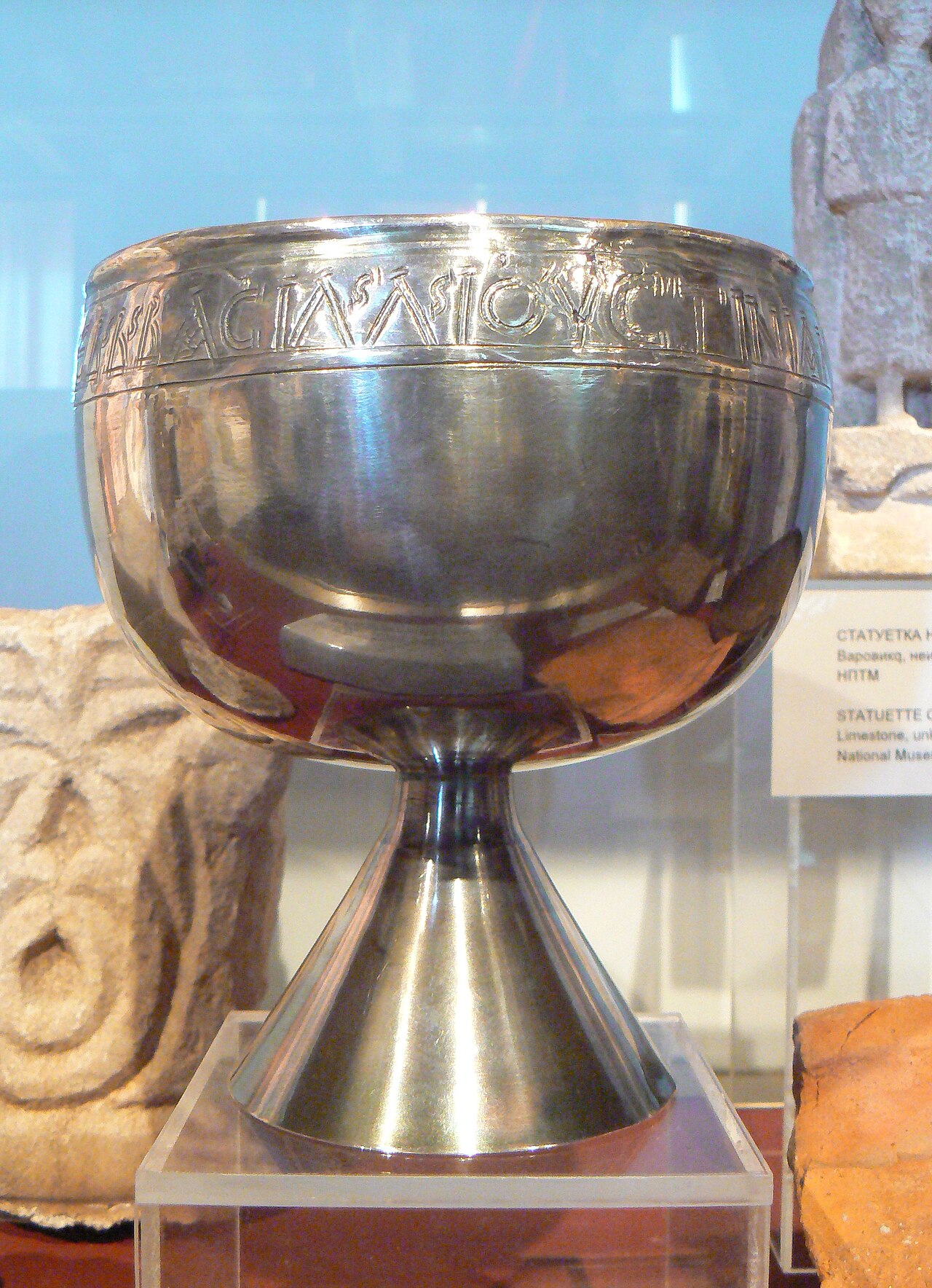
Chalice with Donation Inscription of Justinian I and Theodora
6th century AD
A silver chalice found near Nova Nadezhda bearing a donation inscription naming Emperor Justinian and Empress Theodora.
This chalice bears a donation inscription naming Justinian alongside Theodora, evidence of his gifts to the church.
About this source
What it is
This is a silver chalice dated to the 6th century AD, found near the village of Nova Nadezhda in Bulgaria. It bears an inscription recording its donation by Emperor Justinian I and Empress Theodora. The original is held in the Haskovo History Museum; the item shown here is a replica displayed at the National History Museum of Bulgaria.
Why it matters
Objects like this chalice show how Justinian and Theodora gave gifts to churches as part of imperial religious patronage. Its inscription directly names both the emperor and empress, making it a rare physical link to their personal involvement with the church, beyond written histories.
Look closer
- What does naming both Justinian and Theodora on the chalice suggest about their joint role in religious life?
- Why might rulers donate valuable objects like this to churches?
- How does seeing a replica, rather than the original, change what we can learn from this object?
This artifact is part of the curated material that grounds the AI version of Justinian I on Humy.ai — when students ask about related events, the AI can quote it and cite it.
More Justinian I sources
Meet the AI Justinian I →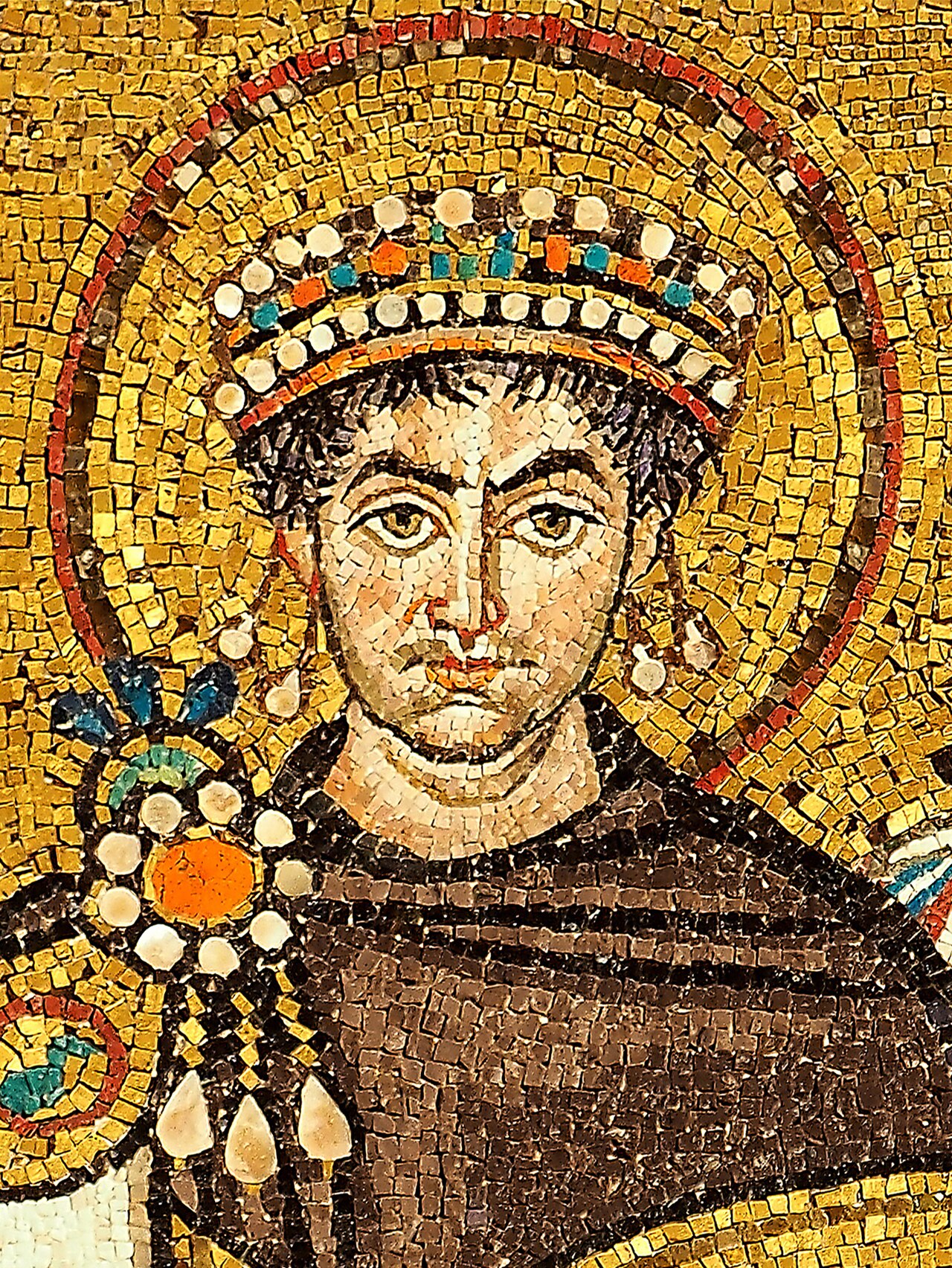 Artifact
Primary source
Portrait of Justinian I, San Vitale Mosaic
Byzantine mosaicists · c. 547
 Painting
Secondary source
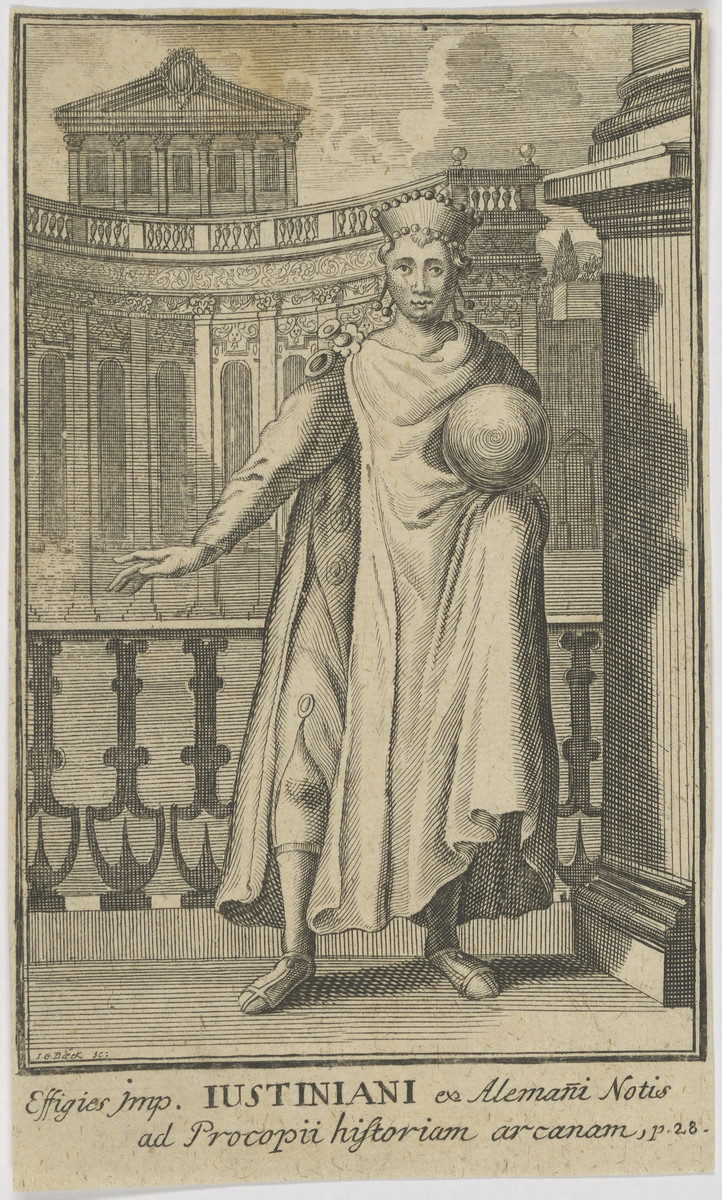
Portrait of Emperor Justinian
Johann Friedrich Böck
 Document
Primary source
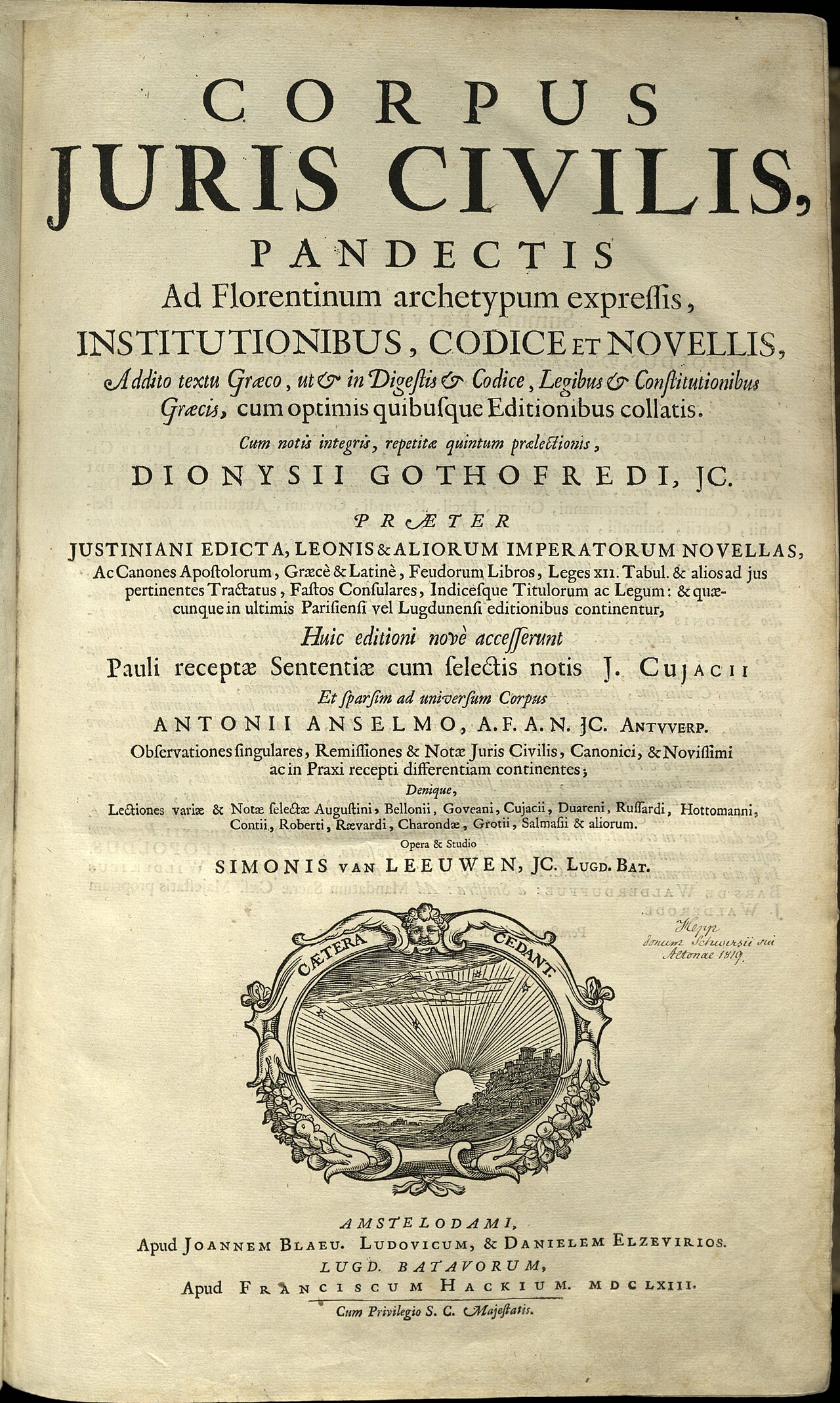
Corpus Juris Civilis
Tribonian · 528-534
 Artifact
Primary source
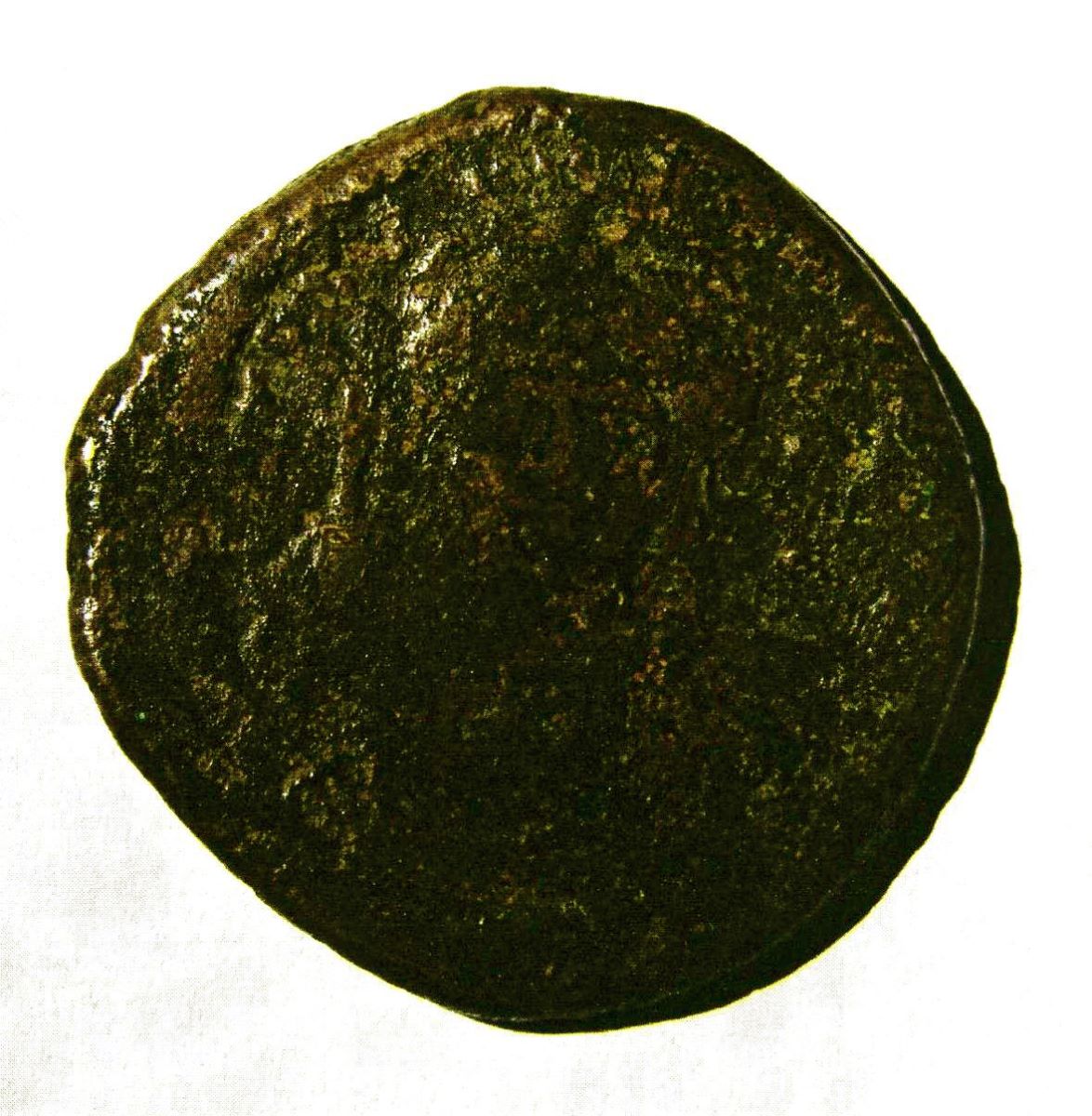
Bronze Follis of Justinian I with Globus Cruciger
 Artifact
Secondary source
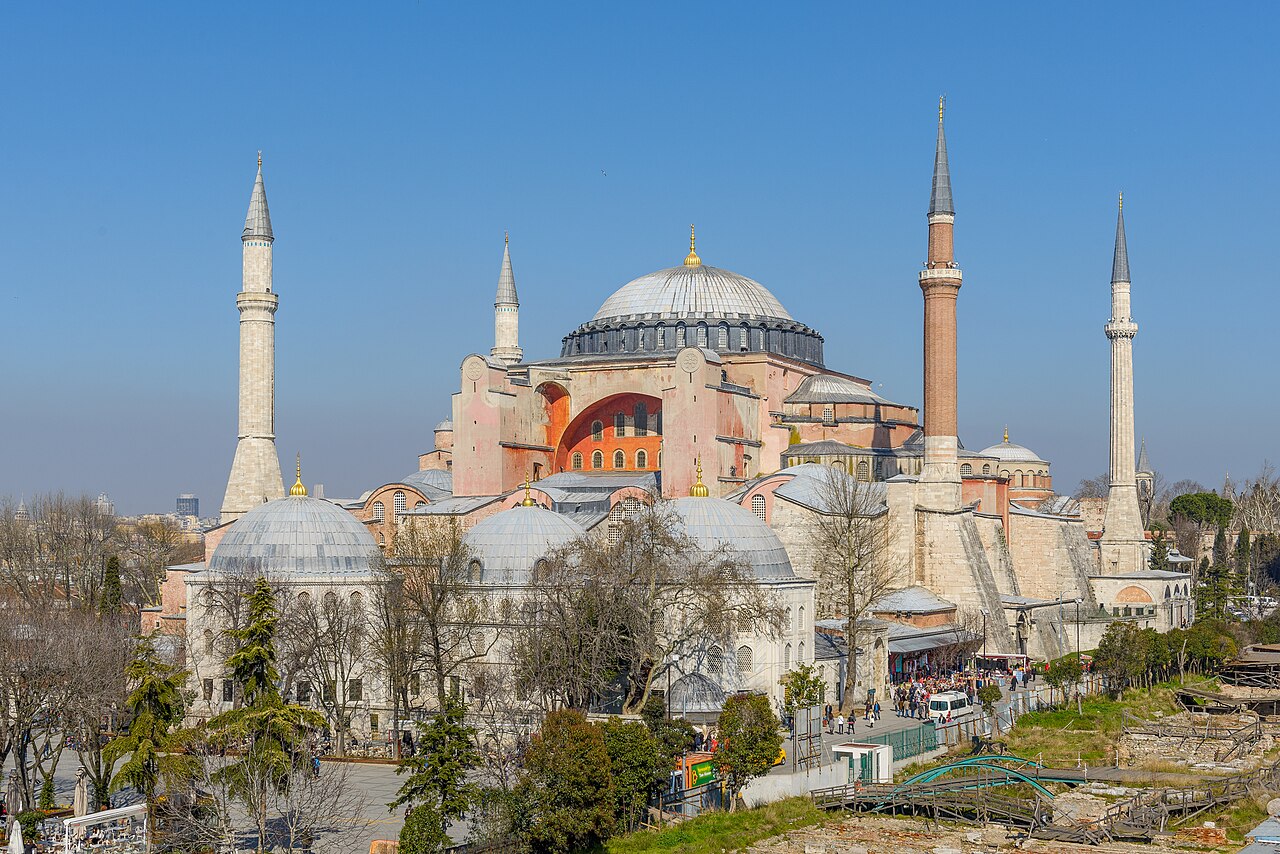
Hagia Sophia
Isidore of Miletus and Anthemius of Tralles · 532-537 CE
Ready when you are
Start chatting with Justinian I now.
20 messages free · No credit card · Available in 50+ languages.