


Secondary sourceSculpture1915
Champlain Statue, Nepean Point
Hamilton MacCarthy · 1915
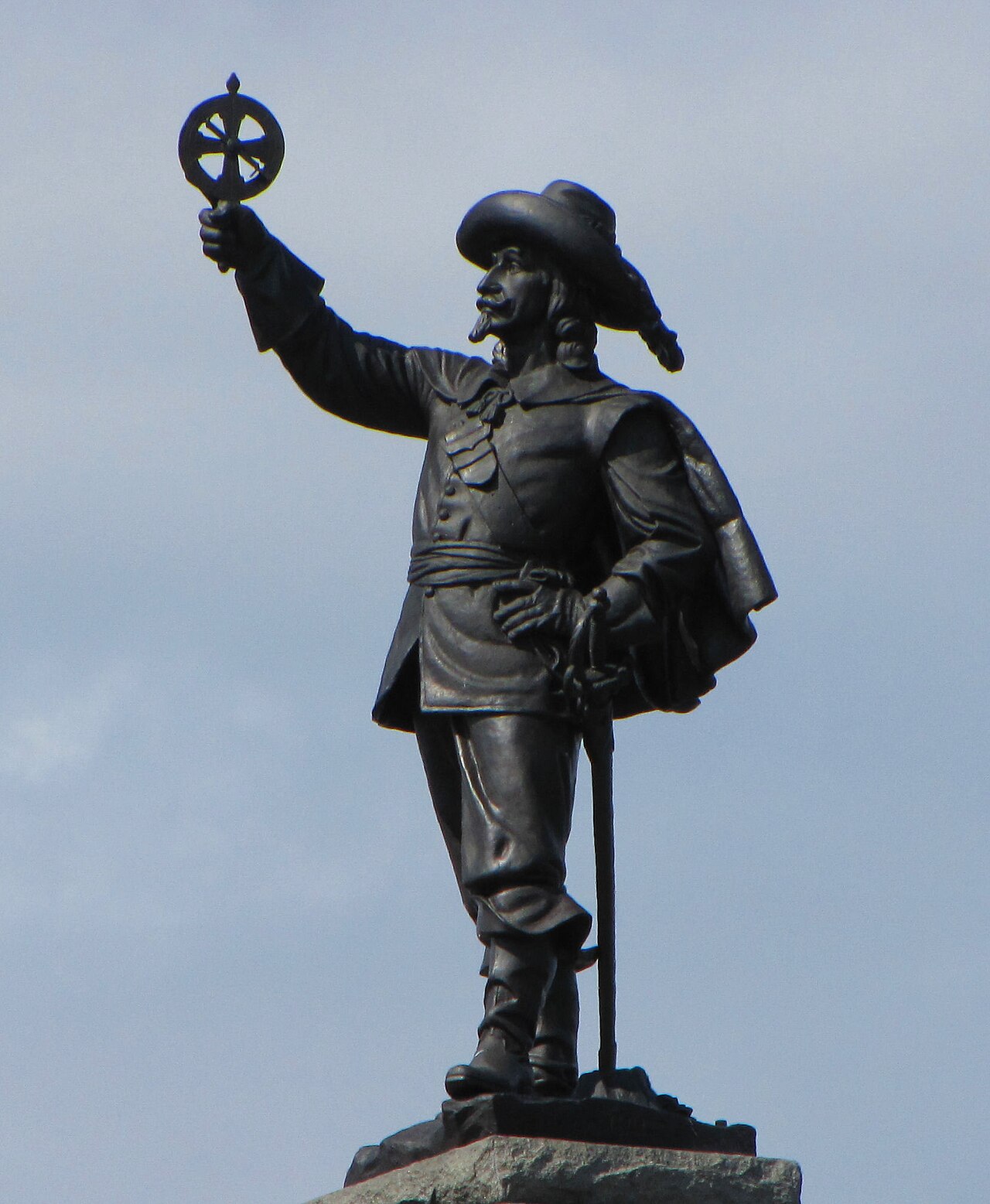
A 1915 bronze statue of Samuel de Champlain in Ottawa, notable for showing him holding his astrolabe upside down.
This statue commemorates Champlain as explorer, famously depicting him holding his astrolabe upside down.
About this source
What it is
This bronze statue of Samuel de Champlain was made by sculptor Hamilton MacCarthy in 1915 and stands at Nepean Point in Ottawa, overlooking the Ottawa River. It shows Champlain holding an astrolabe, a navigational instrument, raised in his hand.
Why it matters
The statue reflects how Canadians in the early 20th century celebrated Champlain as a national founding figure and explorer. A famous detail is that the astrolabe is held upside down, an error that has become well known and is often discussed as an example of how historical monuments can get details wrong even while shaping national memory.
Look closer
- Why do you think the sculptor included the astrolabe as Champlain's defining object?
- What might the upside-down astrolabe tell us about how monuments are researched and made?
- What story about Champlain is this statue trying to tell, and what does it leave out?
This sculpture is part of the curated material that grounds the AI version of Samuel de Champlain on Humy.ai — when students ask about related events, the AI can quote it and cite it.
More Samuel de Champlain sources
Meet the AI Samuel de Champlain →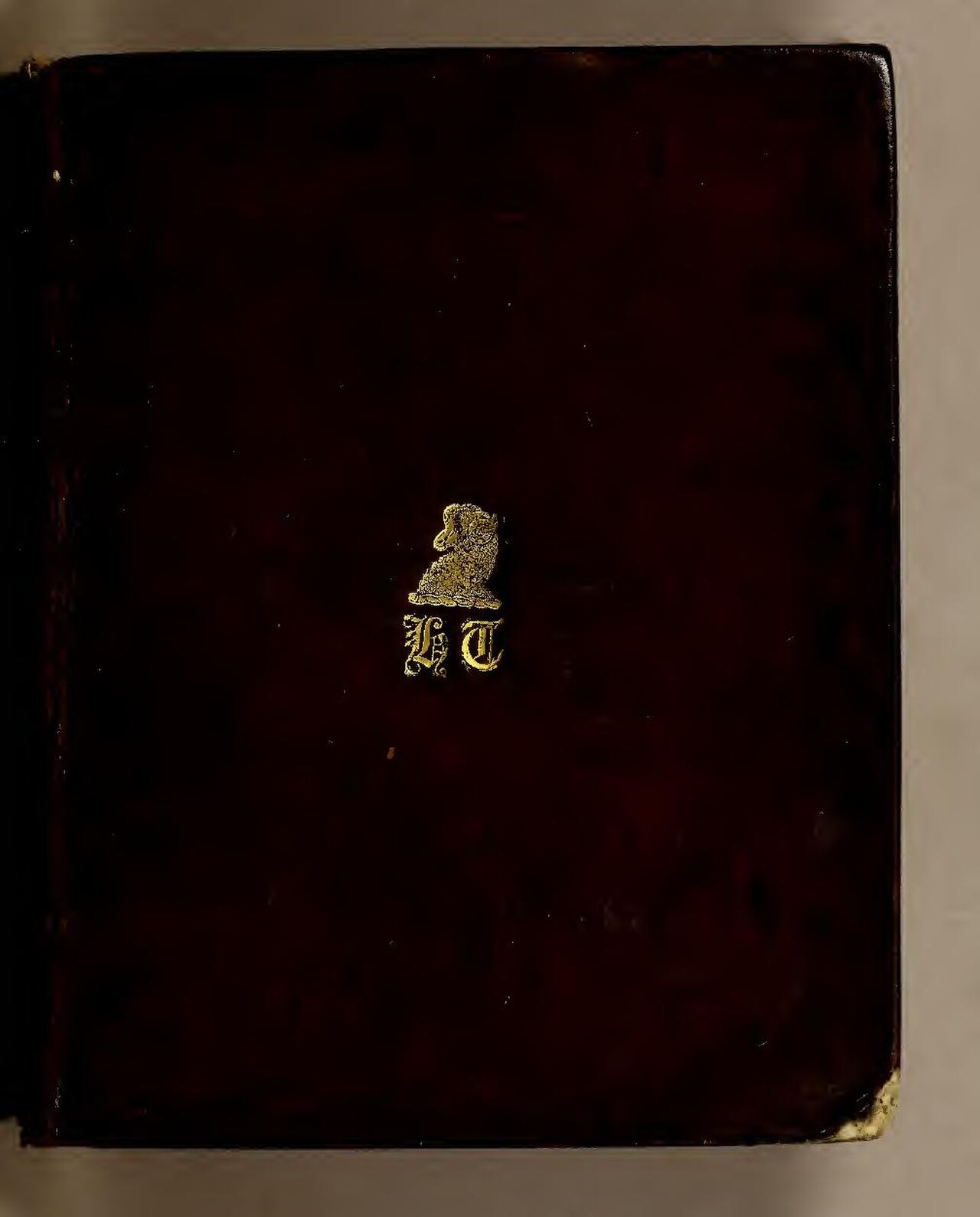 Book
Primary source
Les Voyages du sieur de Champlain
Samuel de Champlain · 1613
 Document
Primary source
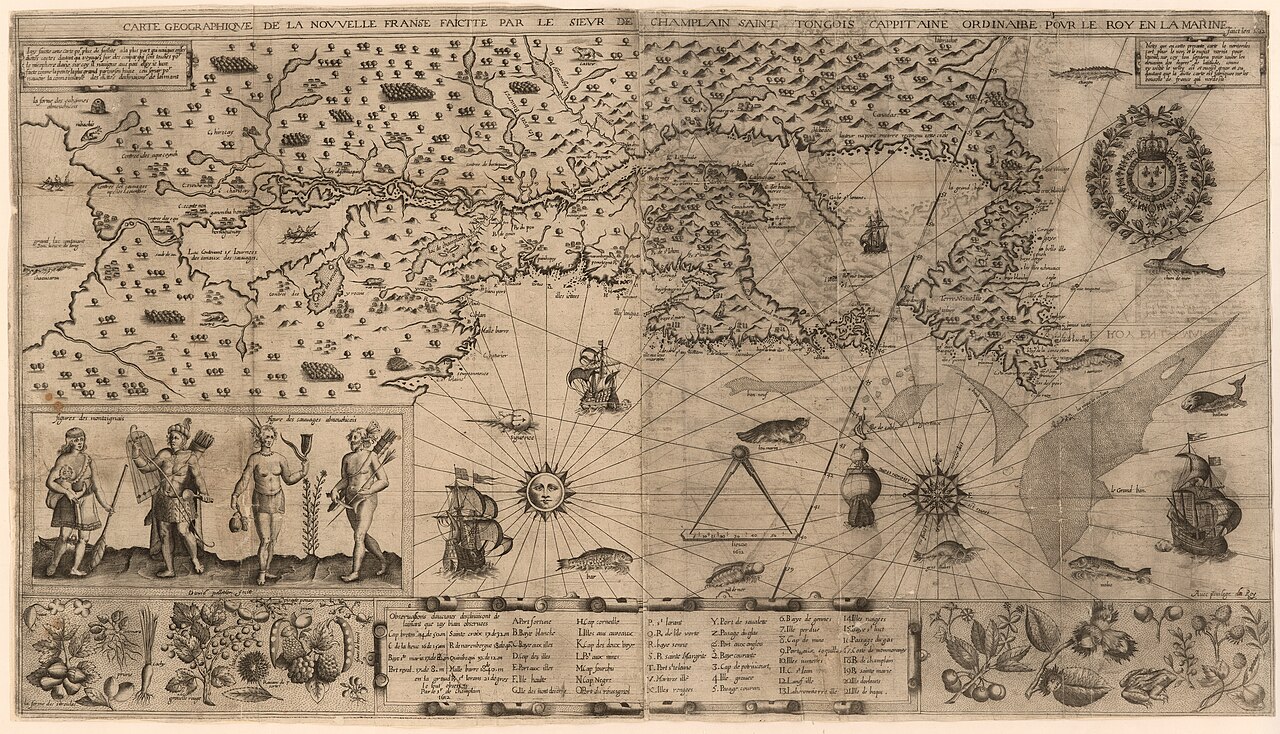
Carte geographique de la Nouvelle Franse
Samuel de Champlain · 1612
 Book
Primary source
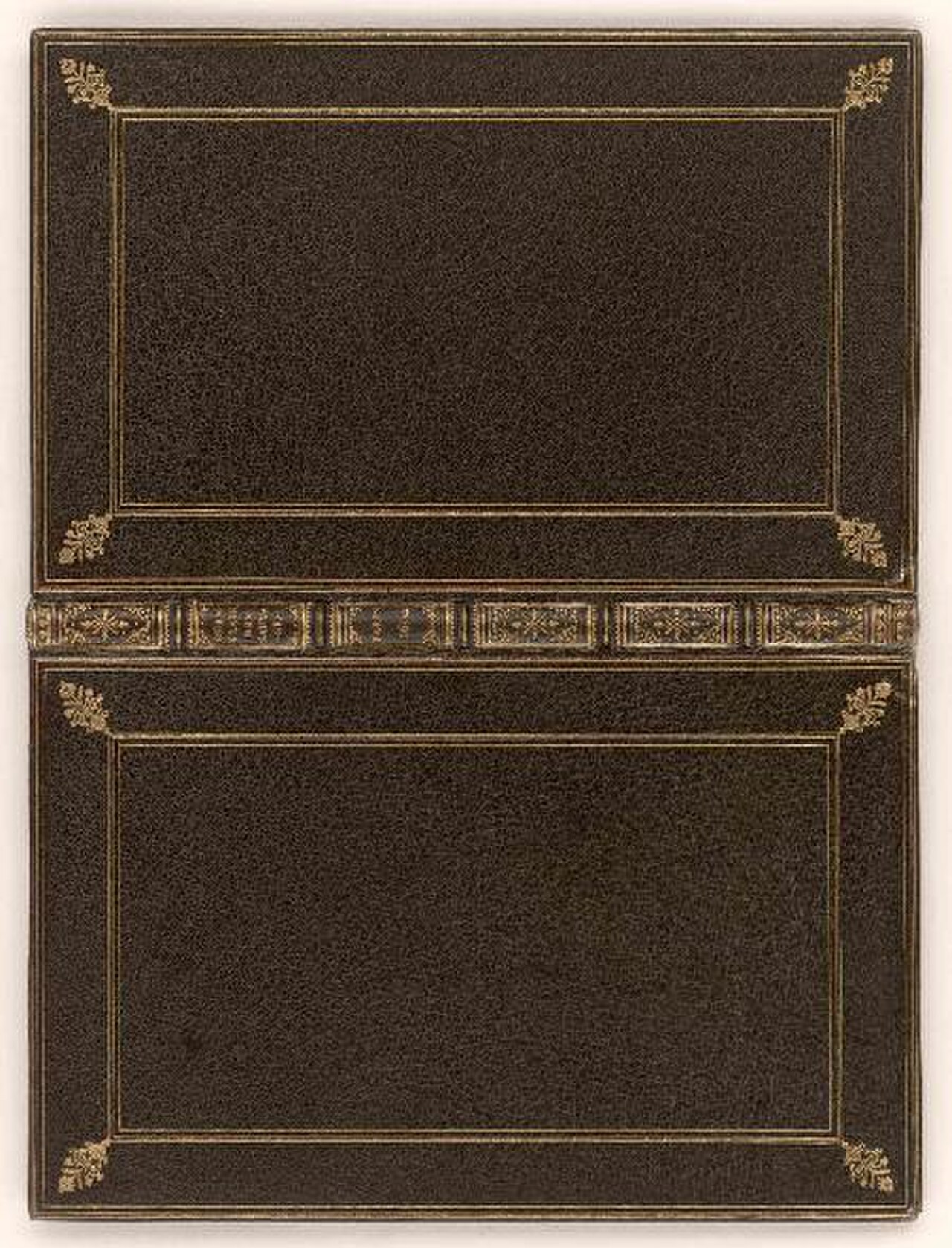
Des Sauvages, ou voyage de Samuel Champlain
Samuel de Champlain · 1603
 Document
Primary source
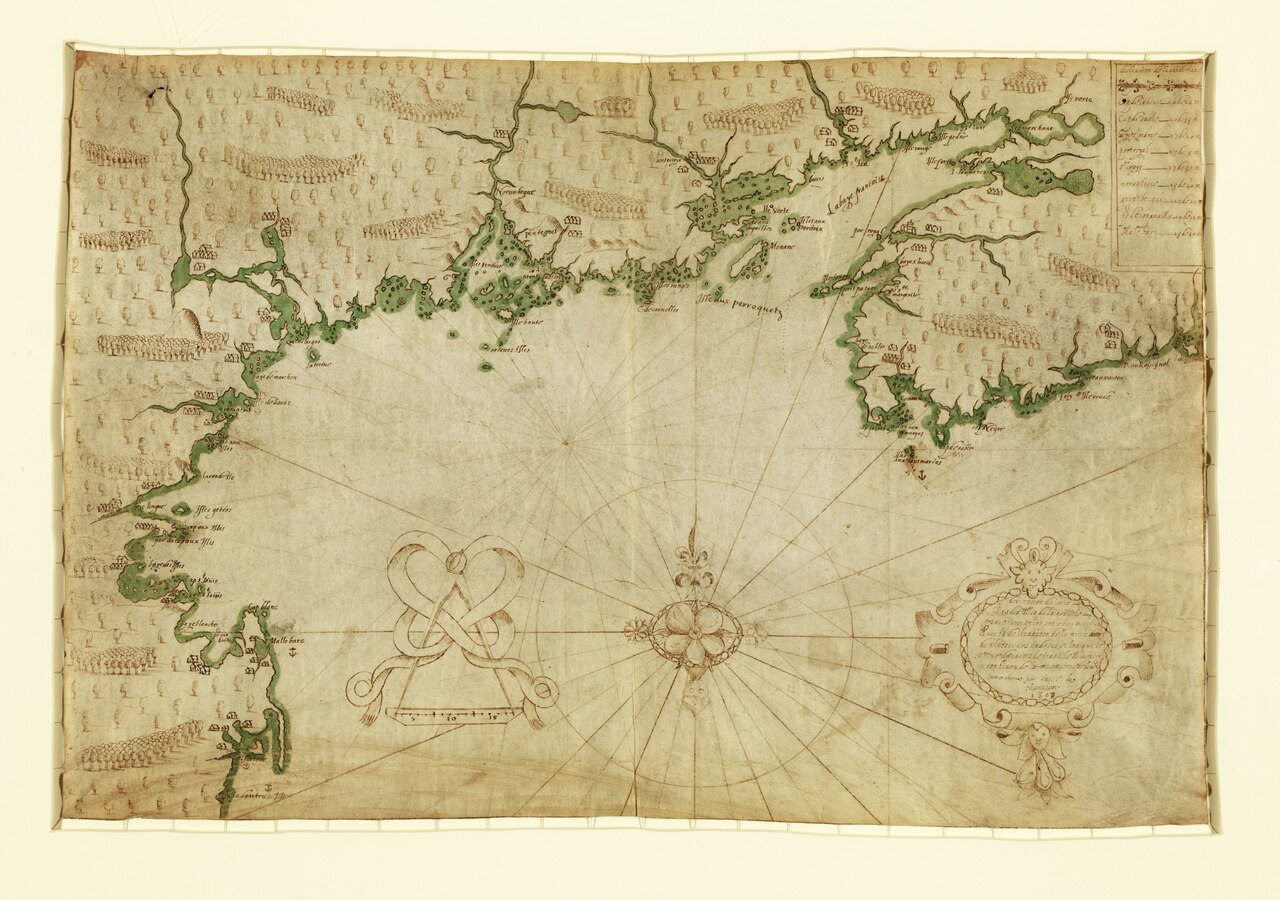
Descripsion des costs, pts., rades, Illes de la Nouuele France
Samuel de Champlain · 1607
 Document
Primary source
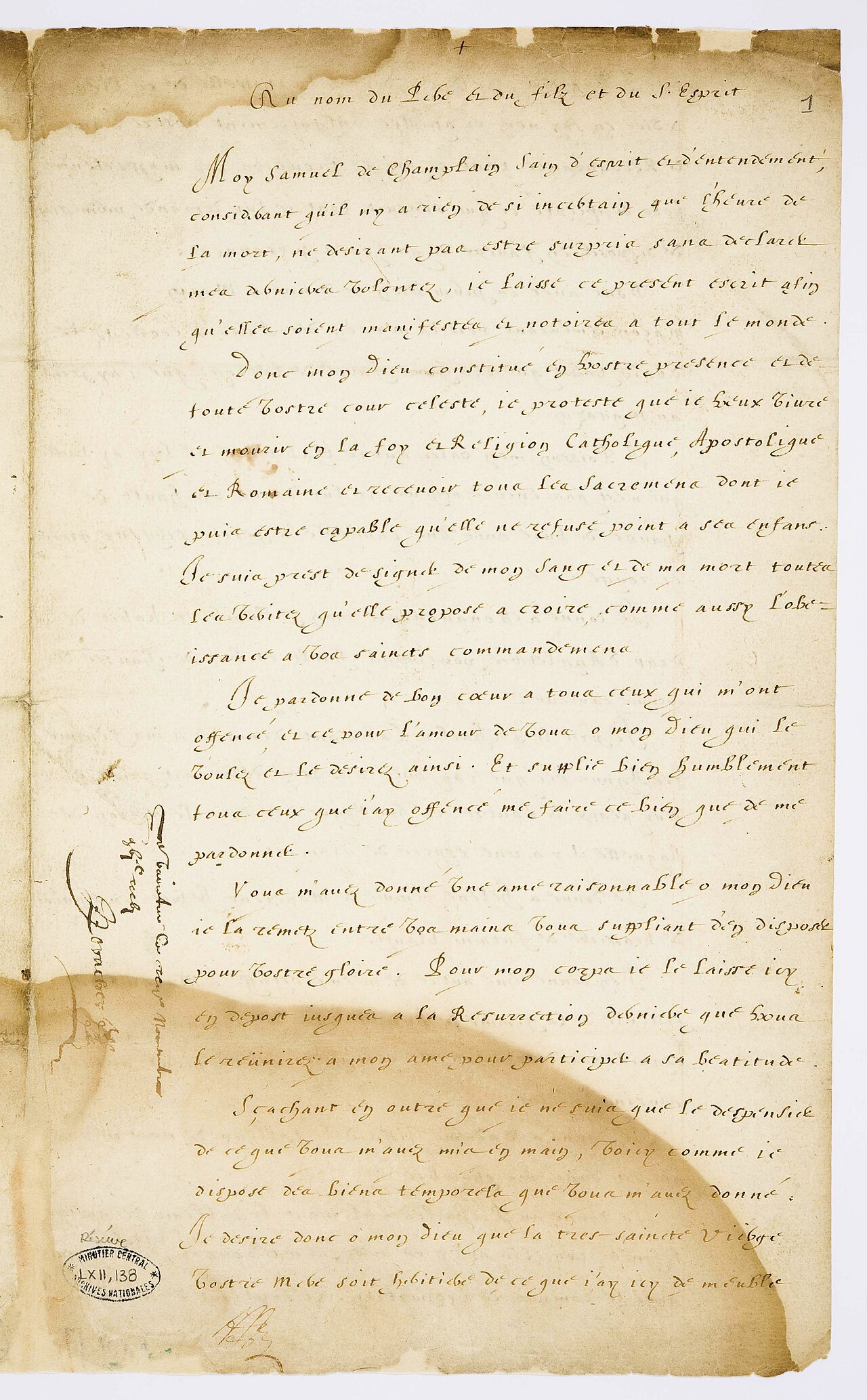
Testament de Samuel Champlain
Samuel de Champlain · 17 November 1635
Ready when you are
Start chatting with Samuel de Champlain now.
20 messages free · No credit card · Available in 50+ languages.