


Primary sourceArtifact1409–1427
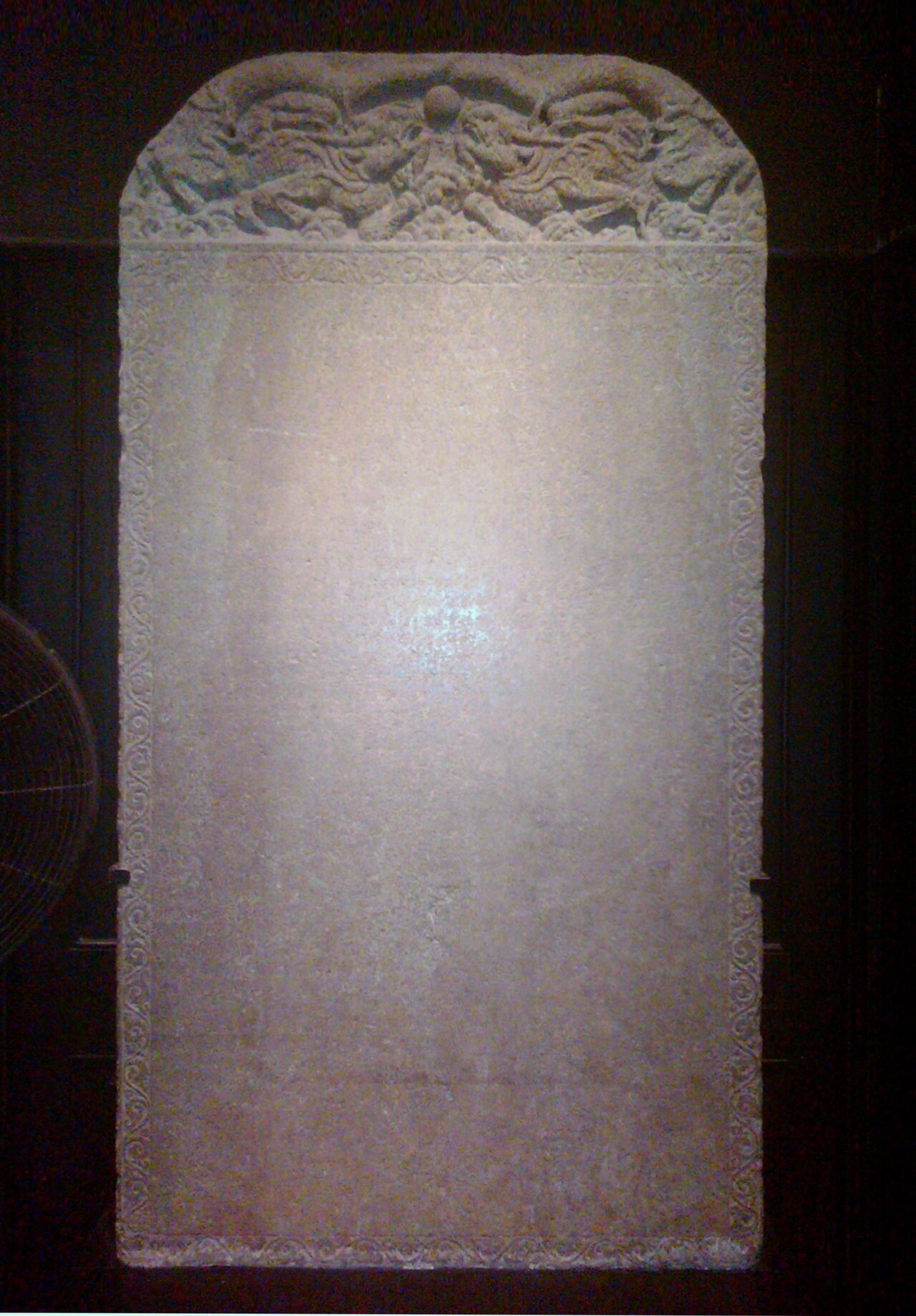
Changling Mausoleum
Ming imperial builders · 1409–1427
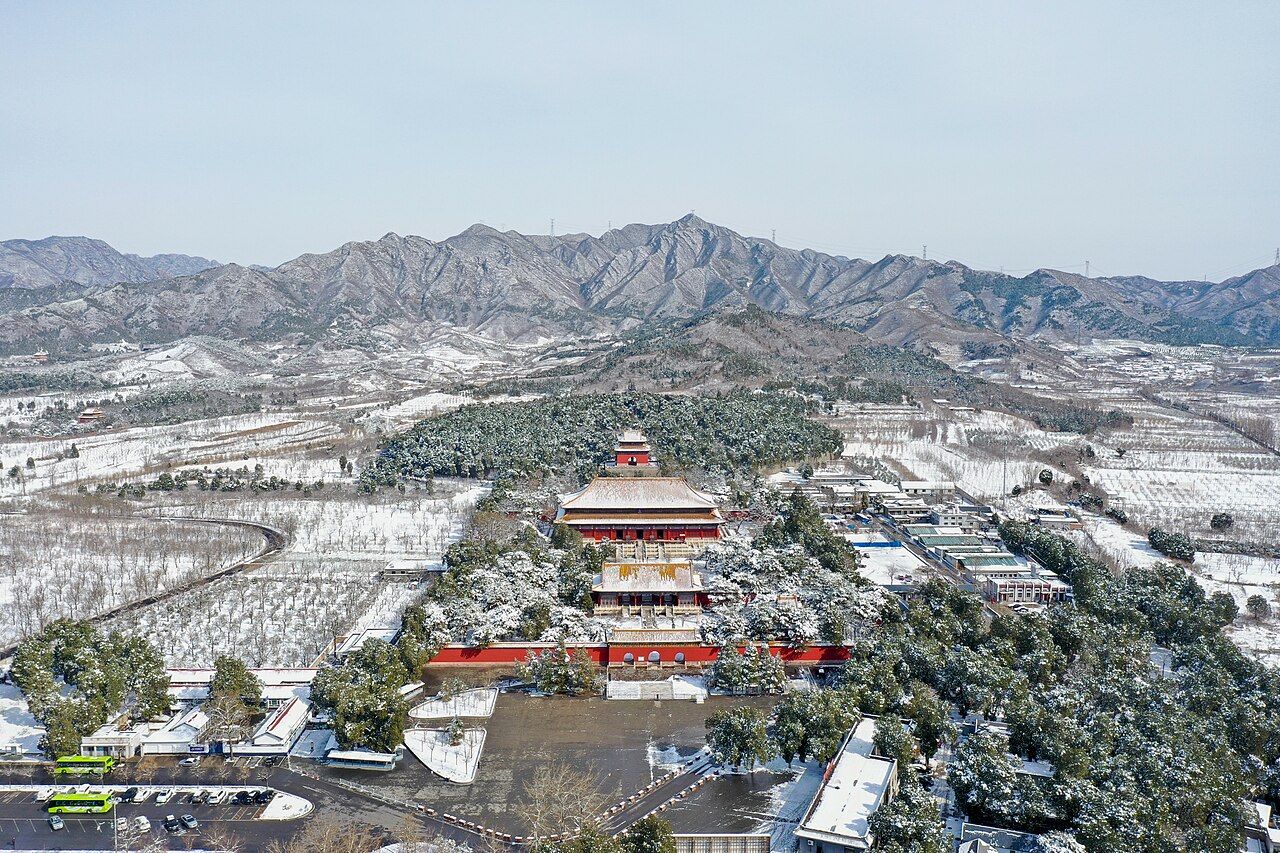
The tomb of the Yongle Emperor, the largest and oldest of the Ming Tombs, begun in 1409 to found the imperial necropolis north of Beijing.
His tomb, the largest and oldest of the Ming Tombs, founded the dynastic necropolis and displays his dynastic self-commemoration.
About this source
What it is
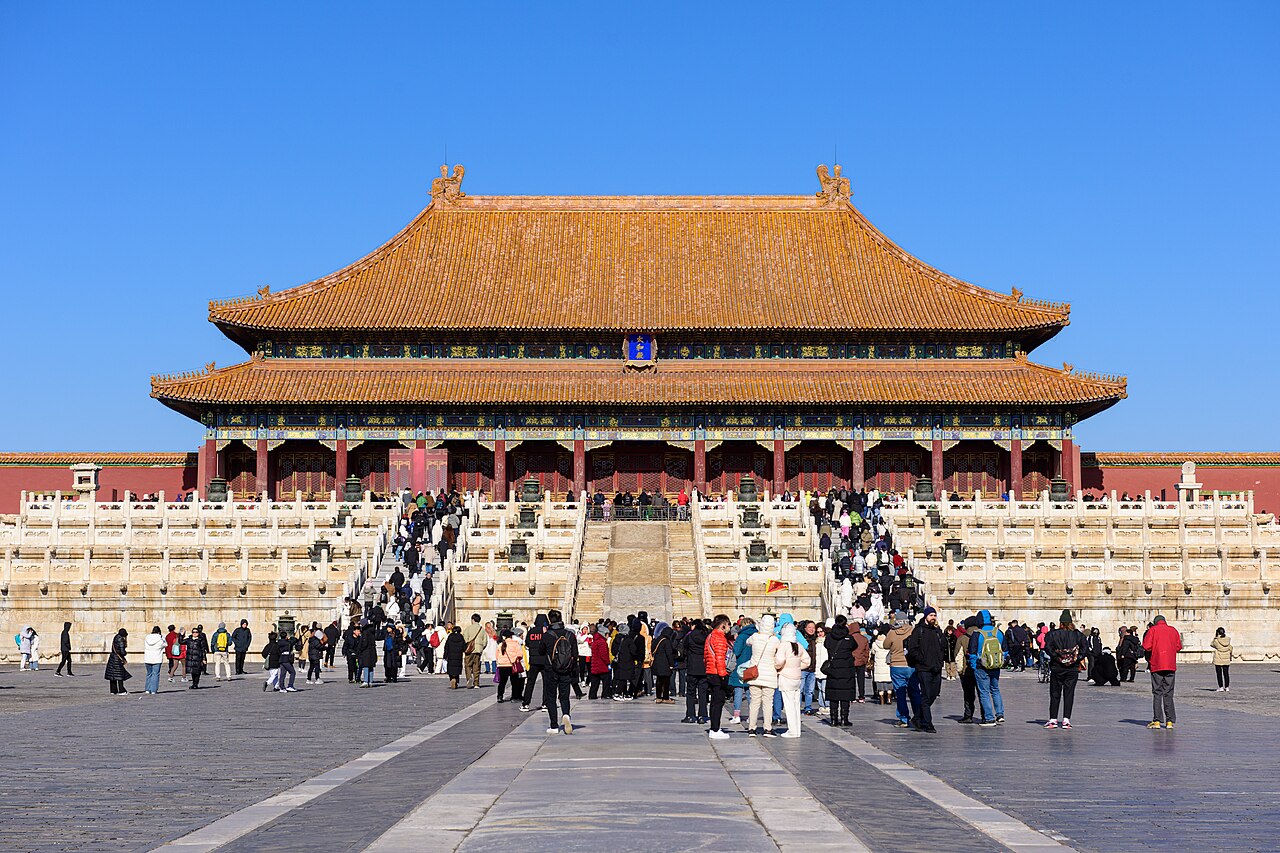
Changling is the tomb complex built for the Yongle Emperor, constructed by Ming imperial builders between 1409 and 1427. It is located among the Ming Tombs near Beijing and is the largest and oldest of them, including the Hall of Eminent Favour, or Ling'en Hall.
Why it matters
As the first tomb in this necropolis, Changling set the pattern that later Ming emperors followed, and its scale reflects how the emperor wanted to be remembered. It shows how rulers used grand architecture to project power even after death, shaping the landscape north of their capital for centuries.
Look closer
- Why might an emperor plan his tomb and choose its location years before his death?
- What does the scale of the building suggest about how he wanted future generations to see him?
- How might later excavation or restoration of the site have changed what we see today compared to the original?
This artifact is part of the curated material that grounds the AI version of Yongle Emperor on Humy.ai — when students ask about related events, the AI can quote it and cite it.
More Yongle Emperor sources
Meet the AI Yongle Emperor →
Ready when you are
Start chatting with Yongle Emperor now.
20 messages free · No credit card · Available in 50+ languages.