


Primary sourceArtifactc. 1470 BCE
Chapel of Anubis, Mortuary Temple of Hatshepsut
Commissioned by Hatshepsut · c. 1470 BCE
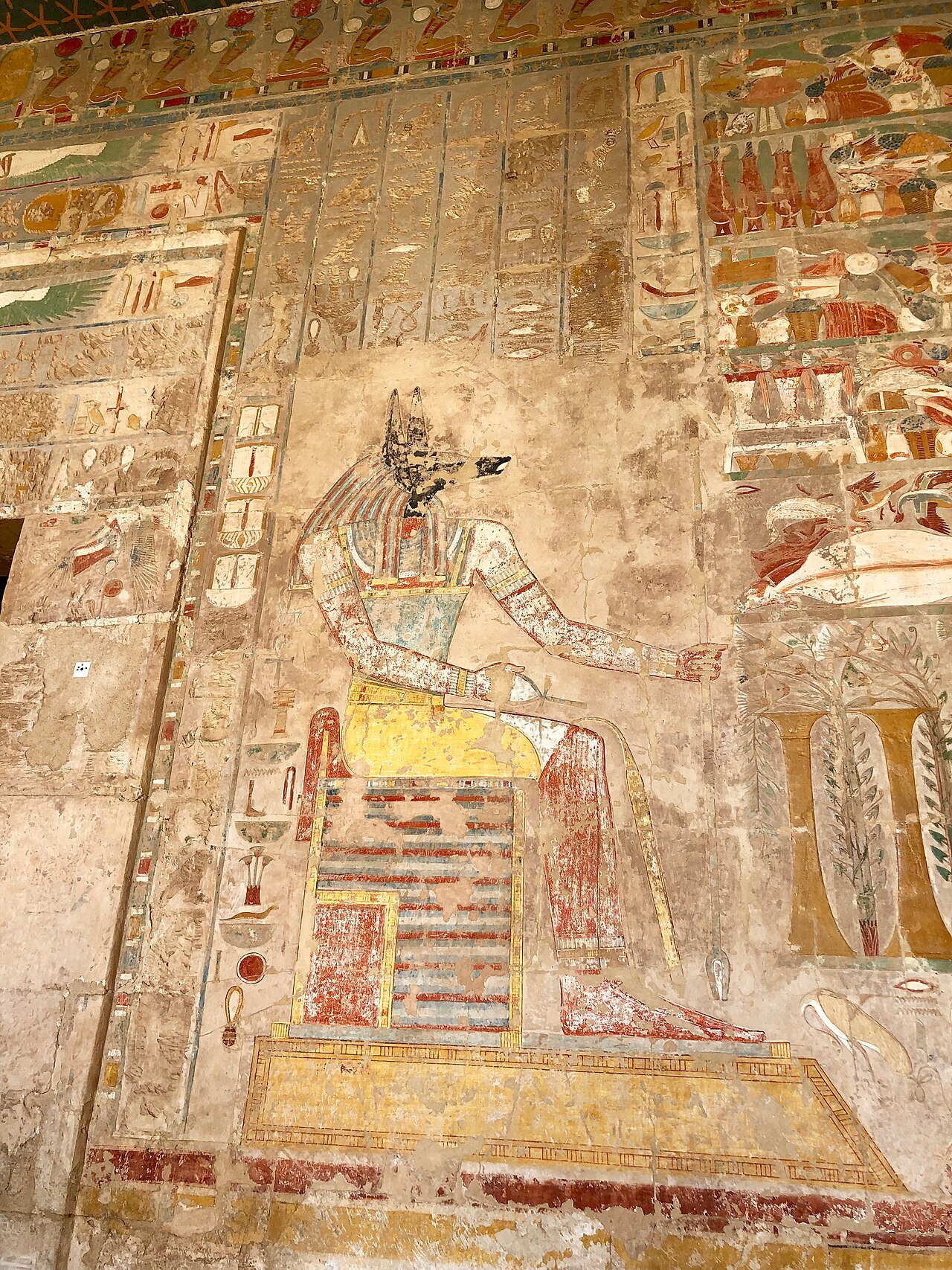
A chapel in Hatshepsut's mortuary temple with painted reliefs showing her offering to the god Anubis, though her image was later erased.
Hatshepsut commissioned this chapel and was depicted here, though her image was later erased.
About this source
What it is
This chapel sits on the north side of the middle terrace of Hatshepsut's mortuary temple at Deir el-Bahari, commissioned by Hatshepsut around 1470 BCE. It remains in its original location. The well-preserved painted reliefs show the jackal-headed god Anubis receiving offerings.
Why it matters
The temple was designed under Hatshepsut's reign and dedicated to her and the god Amun. Her figure in these reliefs was later erased, a sign of how later rulers tried to remove her from the record. The surviving bright colours let students see how vivid these temples originally looked.
Look closer
- Why do you think Hatshepsut's image was erased here while other parts of the scene survive?
- What does the choice of Anubis, god of death and mummification, in a mortuary temple tell you about its purpose?
- What do the colours and hieroglyphs suggest about how much effort went into decorating this chapel?
This artifact is part of the curated material that grounds the AI version of Hatshepsut on Humy.ai — when students ask about related events, the AI can quote it and cite it.
More Hatshepsut sources
Meet the AI Hatshepsut →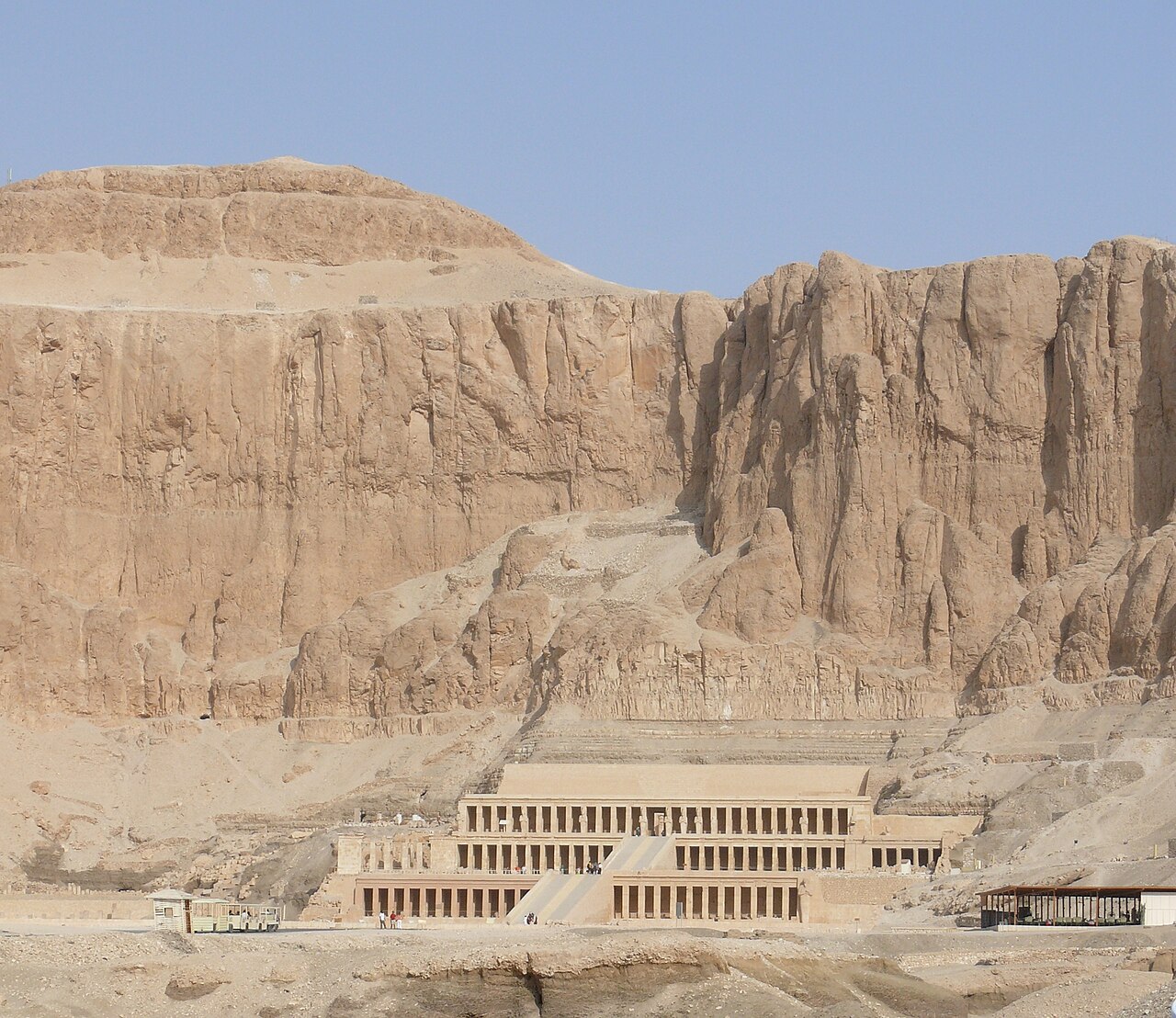 Artifact
Primary source
Mortuary Temple of Hatshepsut
Senenmut and/or Hapuseneb (attributed) · c. 1479–1458 BCE
 Photograph
Secondary source
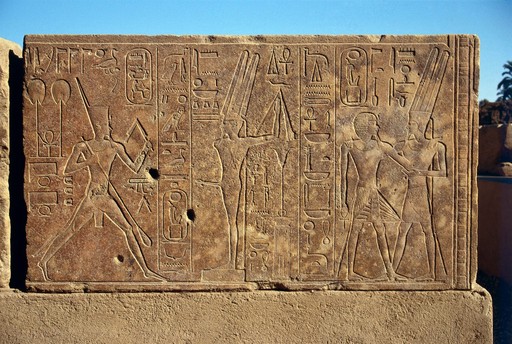
Hatshepsut Dancing Before Min, Karnak Relief
Carole Reeves · 1989
 Sculpture
Primary source
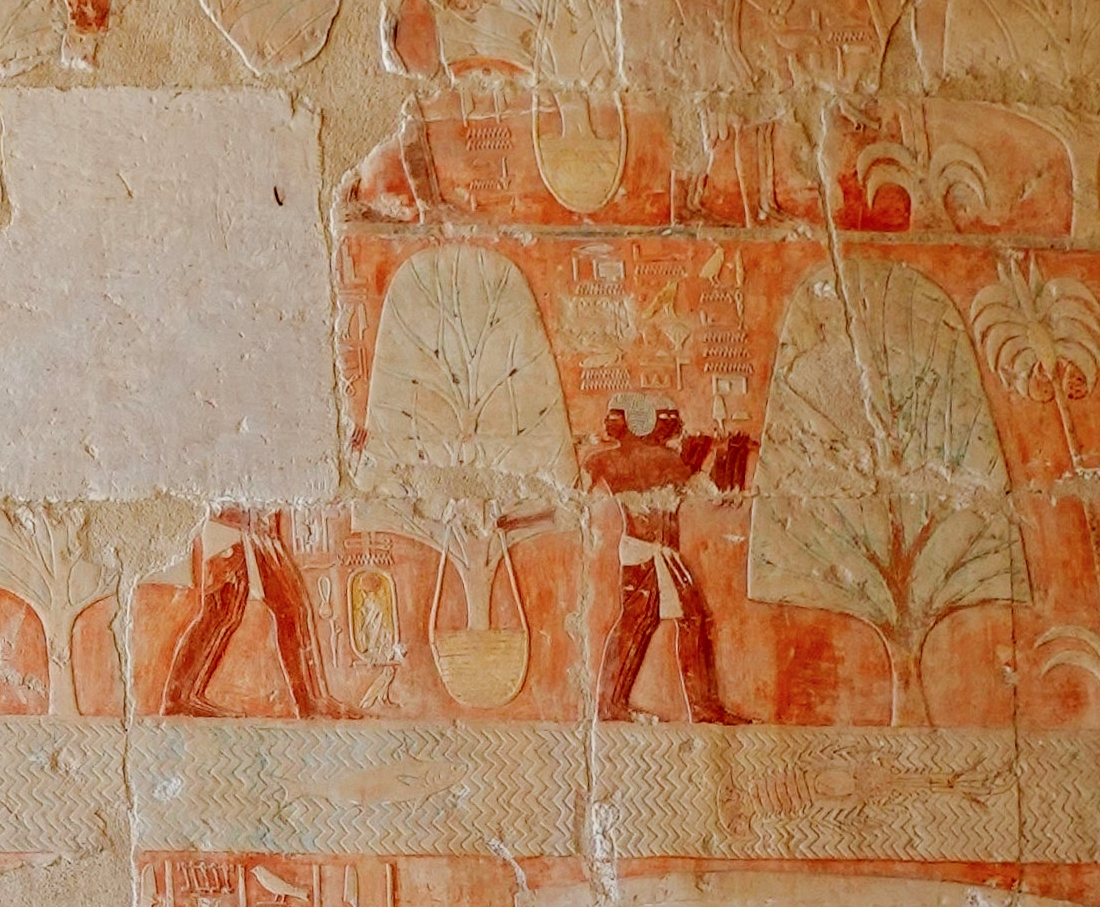
Punt Expedition Reliefs
Royal workshops of Hatshepsut · c. 1470 BCE
 Sculpture
Primary source
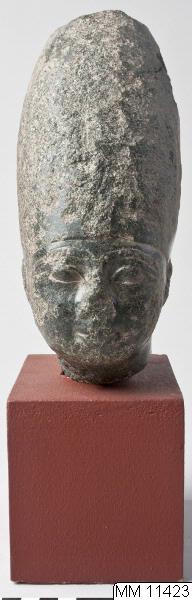
Sculpture Head Probably of Hatshepsut
 Sculpture
Primary source
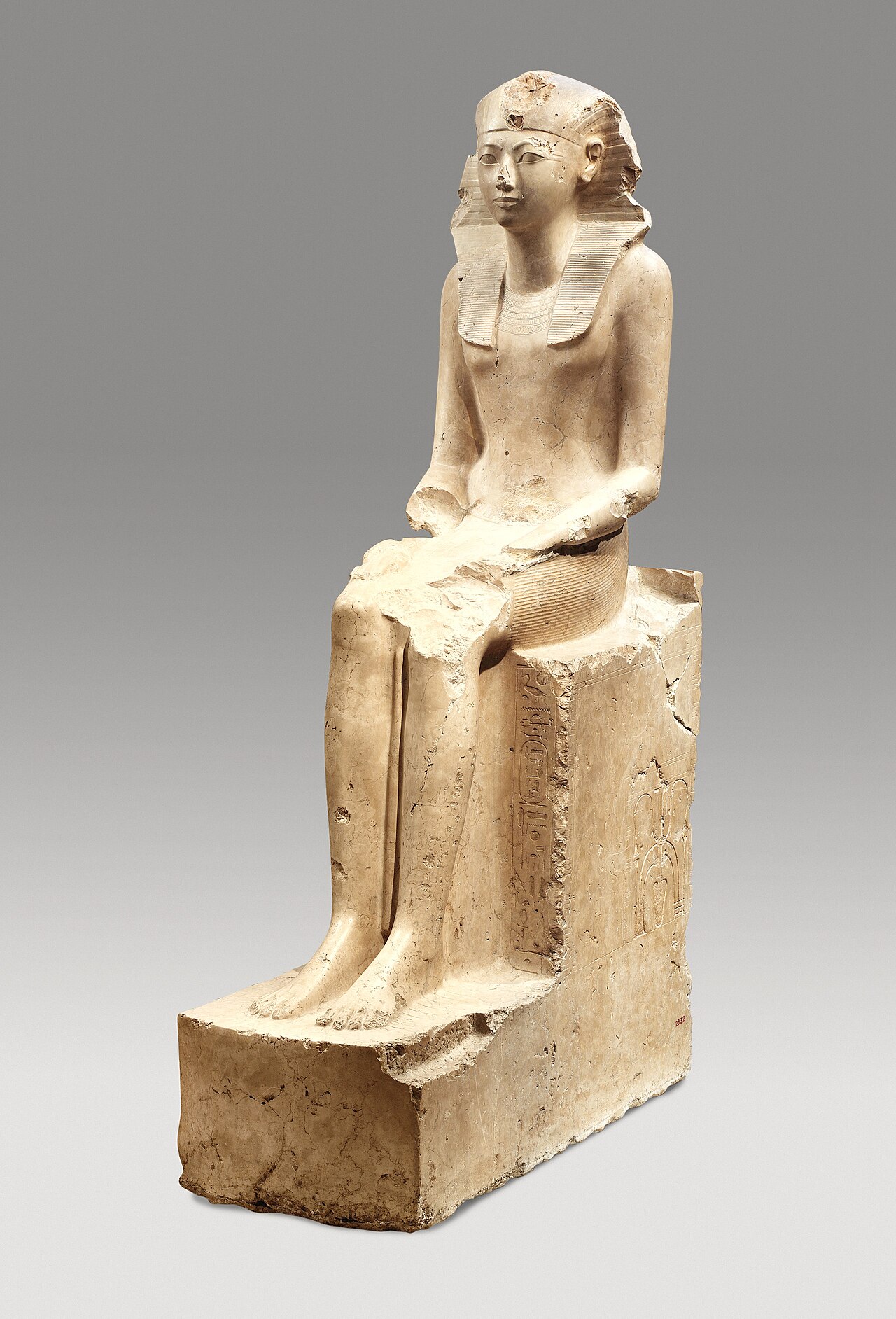
Seated Statue of Hatshepsut
c. 1466 BCE
Ready when you are
Start chatting with Hatshepsut now.
20 messages free · No credit card · Available in 50+ languages.