


Primary sourceSculpturec. 1470 BCE
Punt Expedition Reliefs
Royal workshops of Hatshepsut · c. 1470 BCE
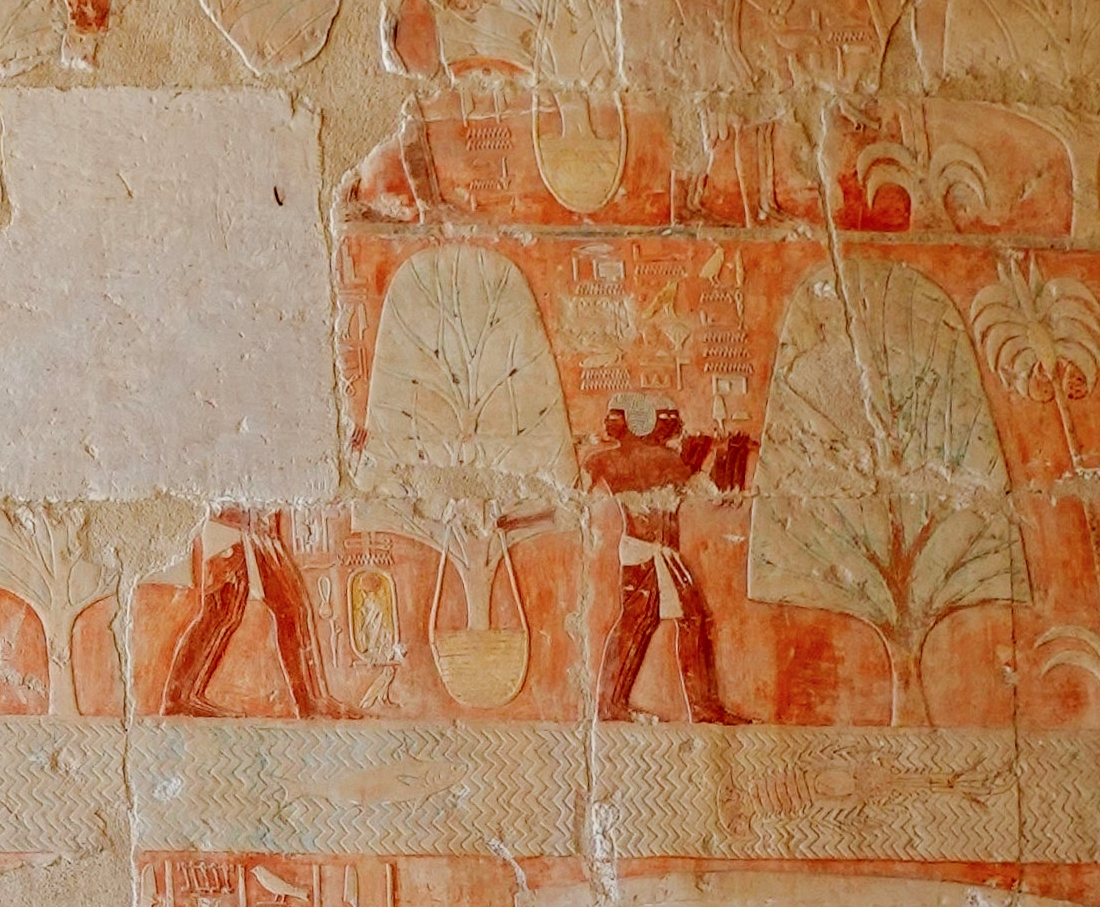
Carved and painted scenes on Hatshepsut's temple walls showing her trading expedition to the land of Punt, including its queen Ati.
Hatshepsut commissioned these reliefs to record and celebrate her own trading expedition to Punt.
About this source
What it is
These painted stone reliefs were carved for Hatshepsut's royal workshops around 1470 BCE and remain on the walls of her mortuary temple at Deir el-Bahari, with one block now in the Egyptian Museum in Cairo. They record a sea voyage of five ships sent far south to the land of Punt.
Why it matters
The reliefs show goods such as myrrh trees being carried, along with the Puntite queen Ati. They reveal how Hatshepsut used trade, not war, as proof of her success as ruler, and how Egyptian artists depicted foreign peoples and goods.
Look closer
- What activities and people do you notice in the scene?
- Why might Hatshepsut want this voyage shown on her temple walls?
- What does the image NOT tell us about the voyage or the people met?
This sculpture is part of the curated material that grounds the AI version of Hatshepsut on Humy.ai — when students ask about related events, the AI can quote it and cite it.
More Hatshepsut sources
Meet the AI Hatshepsut →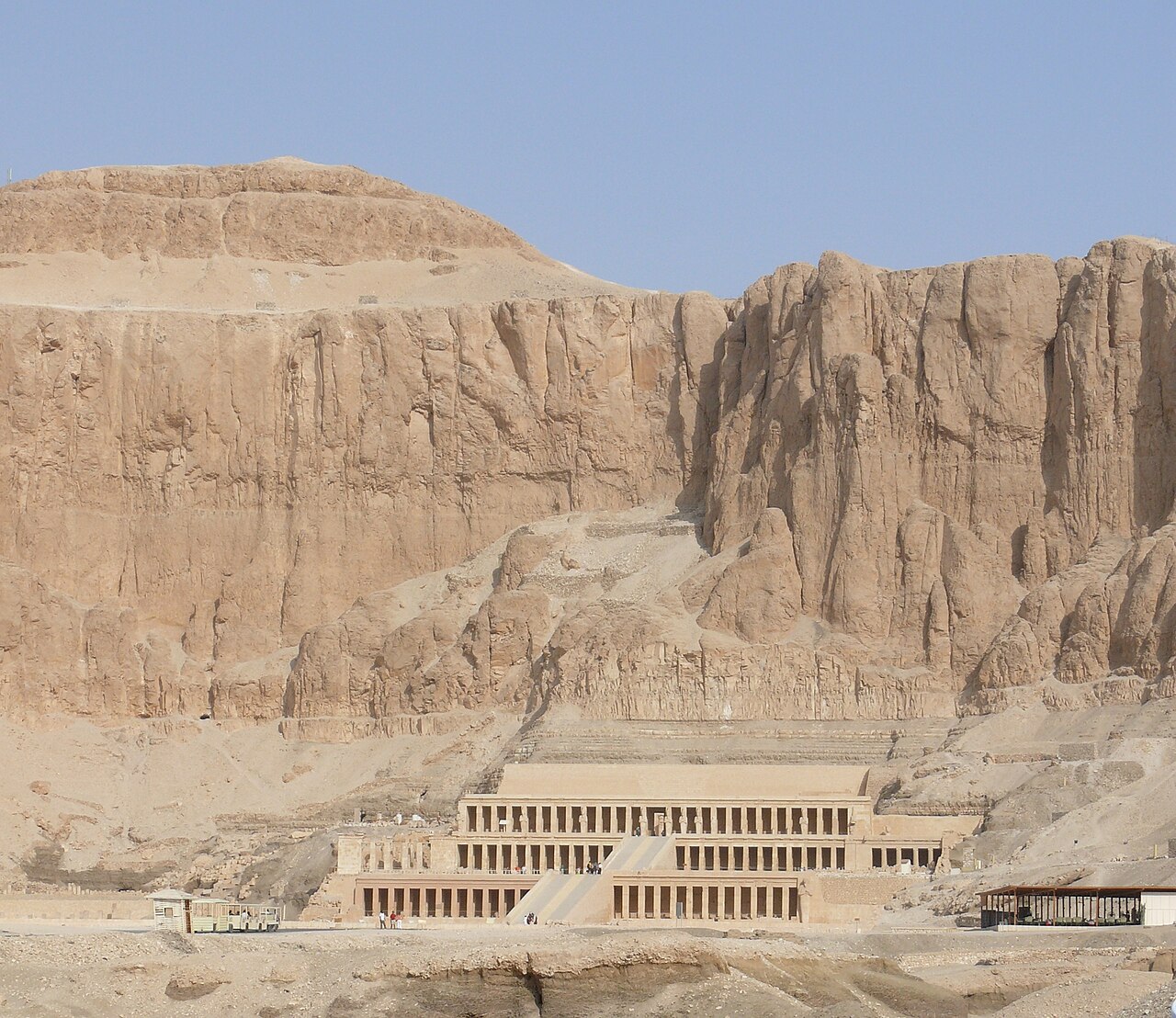 Artifact
Primary source
Mortuary Temple of Hatshepsut
Senenmut and/or Hapuseneb (attributed) · c. 1479–1458 BCE
 Photograph
Secondary source
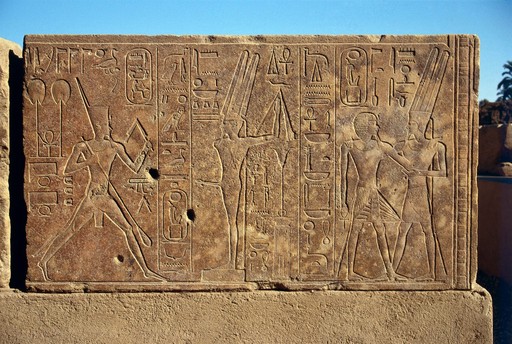
Hatshepsut Dancing Before Min, Karnak Relief
Carole Reeves · 1989
 Sculpture
Primary source
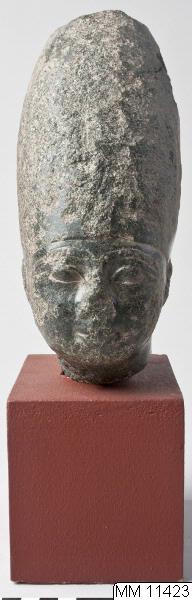
Sculpture Head Probably of Hatshepsut
 Sculpture
Primary source
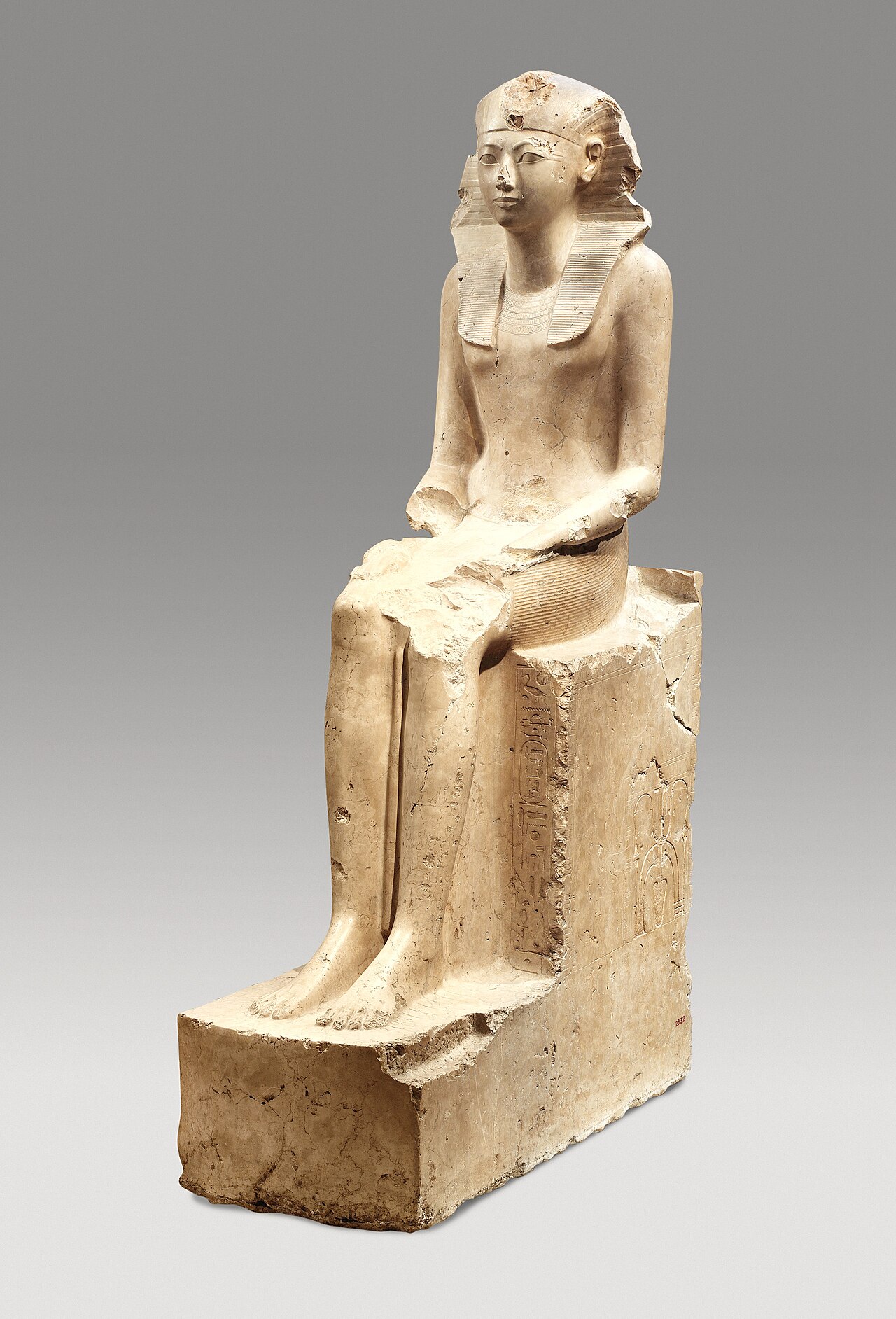
Seated Statue of Hatshepsut
c. 1466 BCE
 Artifact
Primary source
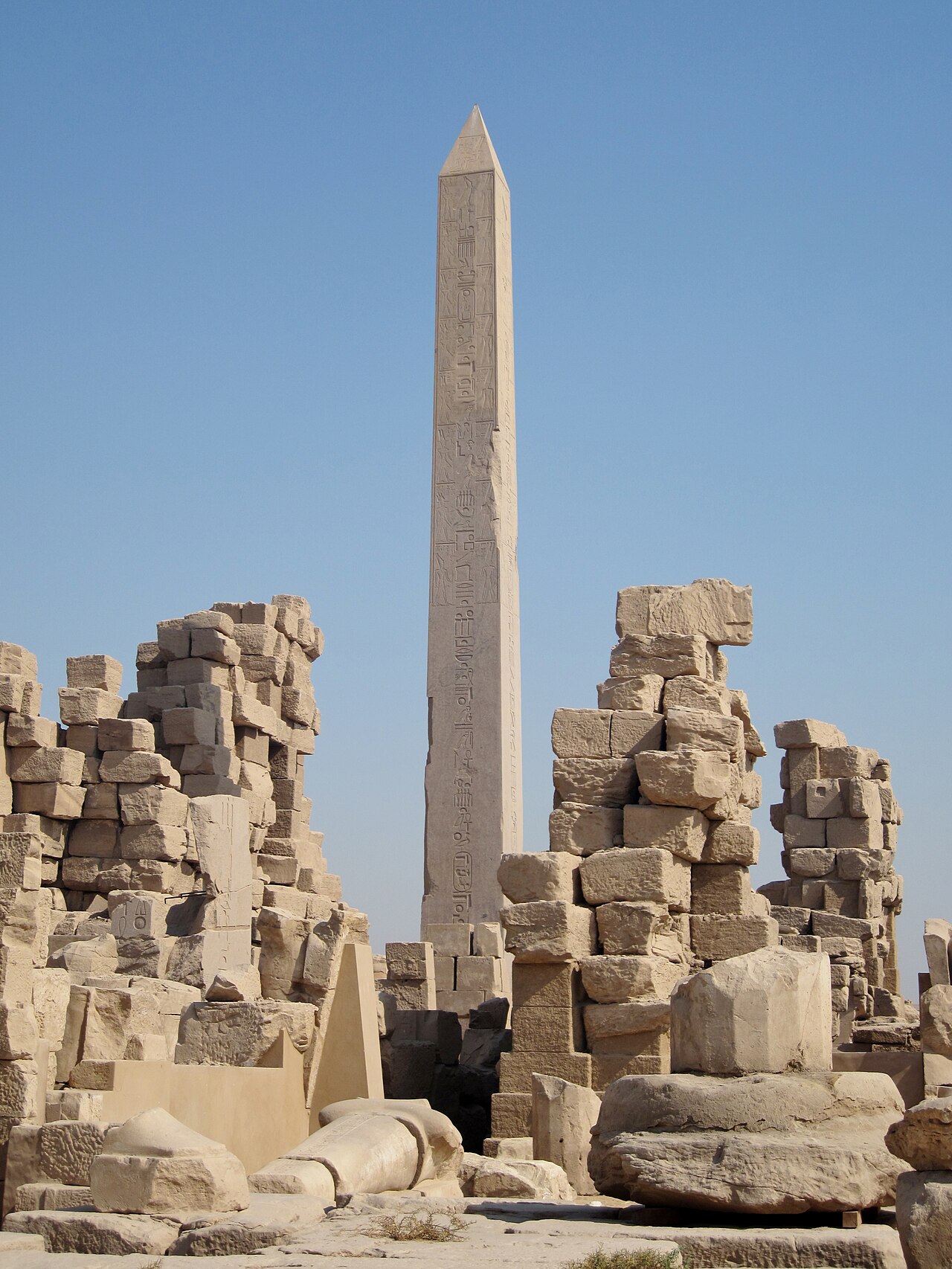
Obelisk of Hatshepsut
c. 1500 BCE
Ready when you are
Start chatting with Hatshepsut now.
20 messages free · No credit card · Available in 50+ languages.