


Primary sourceArtifactc. 1500 BCE
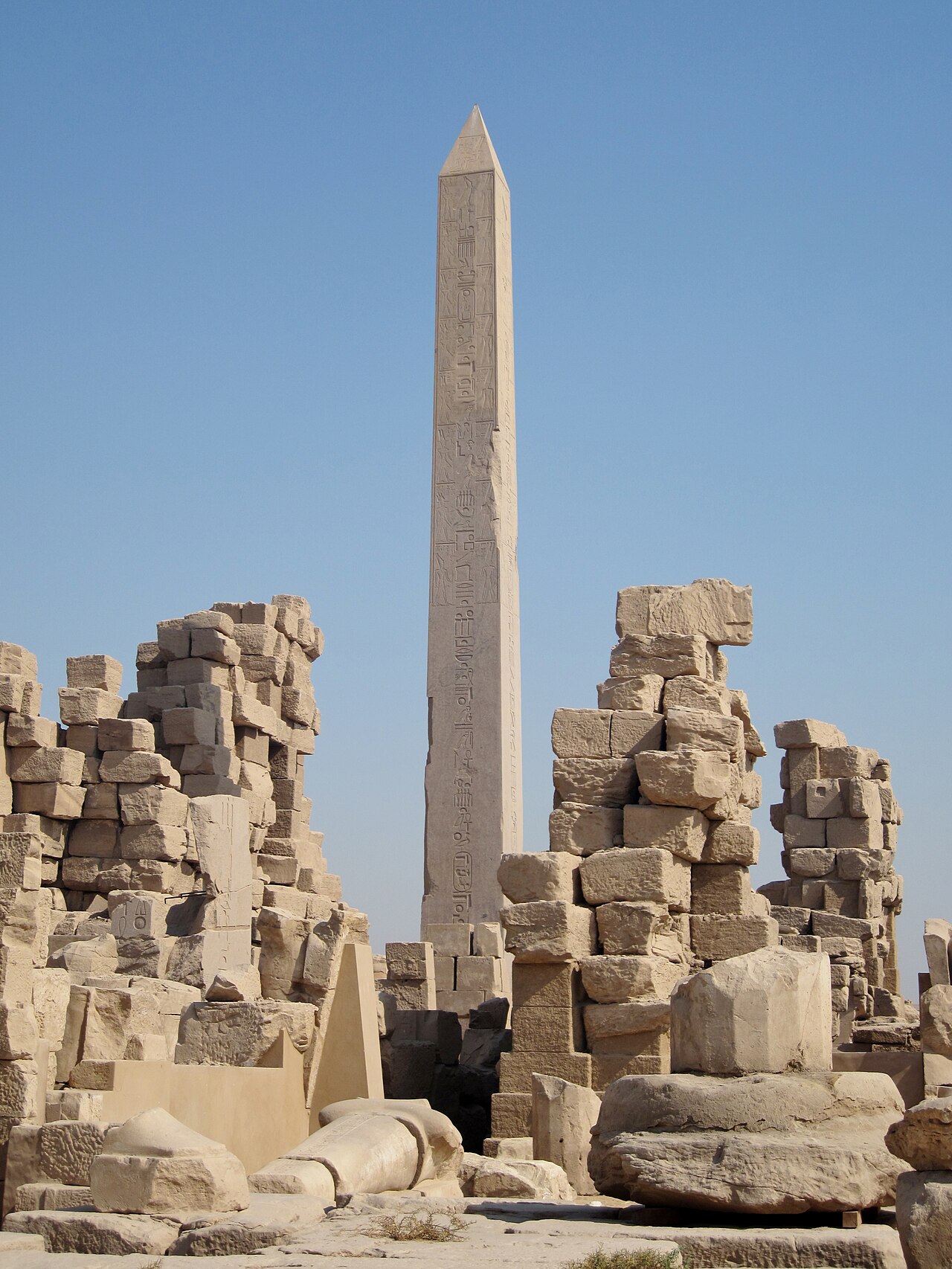
Obelisk of Hatshepsut
c. 1500 BCE
A towering granite obelisk at Karnak Temple, commissioned by Hatshepsut and inscribed with her own words of devotion.
Hatshepsut commissioned this obelisk and its inscription speaks in her own voice about her devotion and legacy.
About this source
What it is
This standing granite obelisk at the Karnak Temple Complex was commissioned by Hatshepsut around 1500 BCE. It was among the tallest obelisks ever erected in ancient Egypt.
Why it matters
The base of the obelisk carries an inscription in Hatshepsut's own voice, expressing devotion to the god Amun and concern about how people would judge her. It shows a ruler directly addressing her legacy and defending her rule through monumental building.
Look closer
- Why would a ruler carve personal words onto such a huge monument?
- What does the choice of material and height tell you about the goals of the project?
- What does the inscription suggest Hatshepsut was worried about?
This artifact is part of the curated material that grounds the AI version of Hatshepsut on Humy.ai — when students ask about related events, the AI can quote it and cite it.
More Hatshepsut sources
Meet the AI Hatshepsut →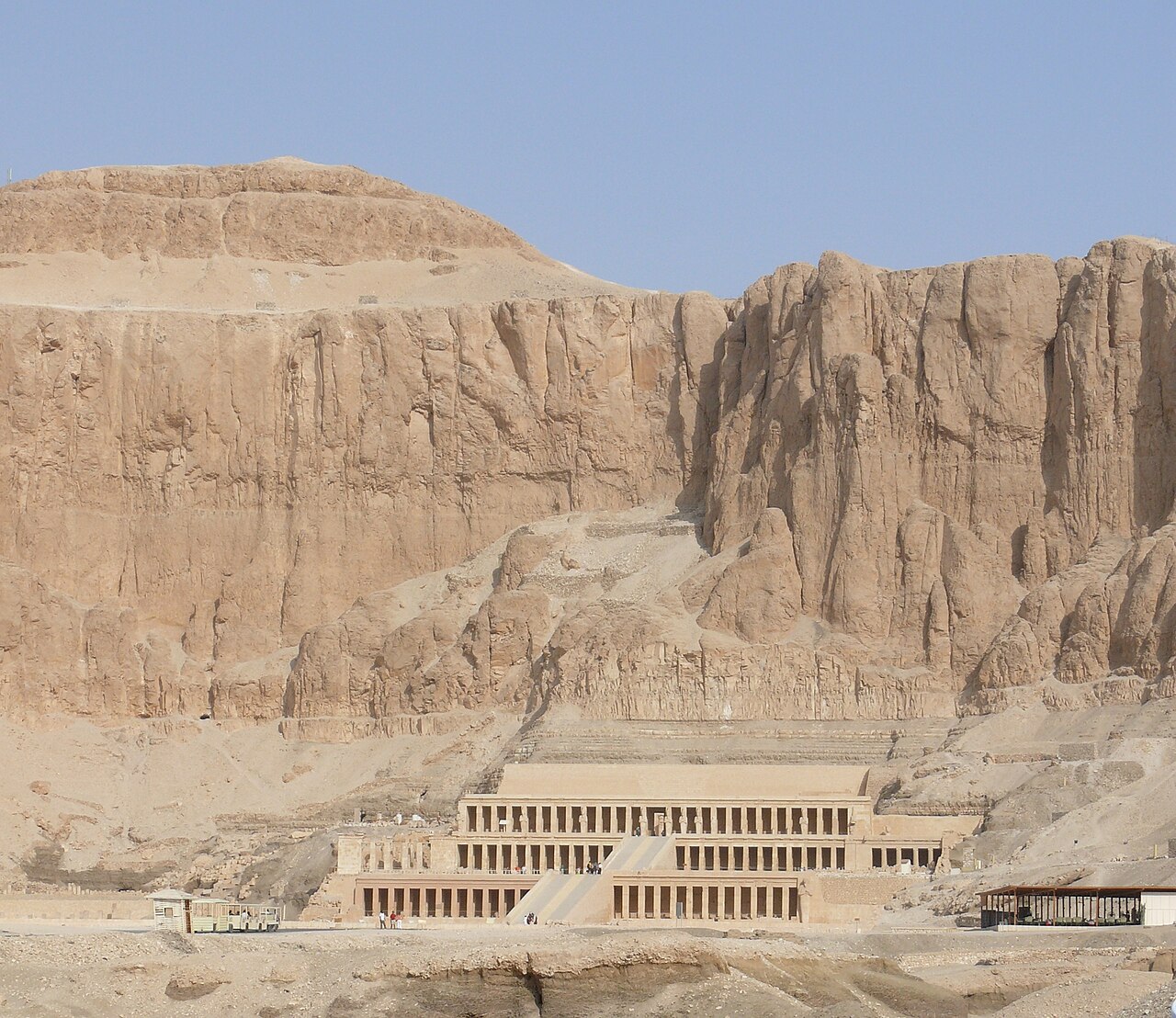 Artifact
Primary source
Mortuary Temple of Hatshepsut
Senenmut and/or Hapuseneb (attributed) · c. 1479–1458 BCE
 Photograph
Secondary source
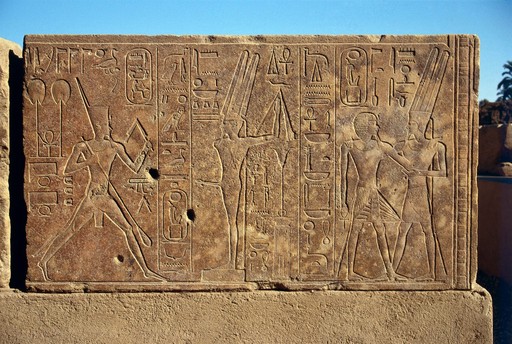
Hatshepsut Dancing Before Min, Karnak Relief
Carole Reeves · 1989
 Sculpture
Primary source
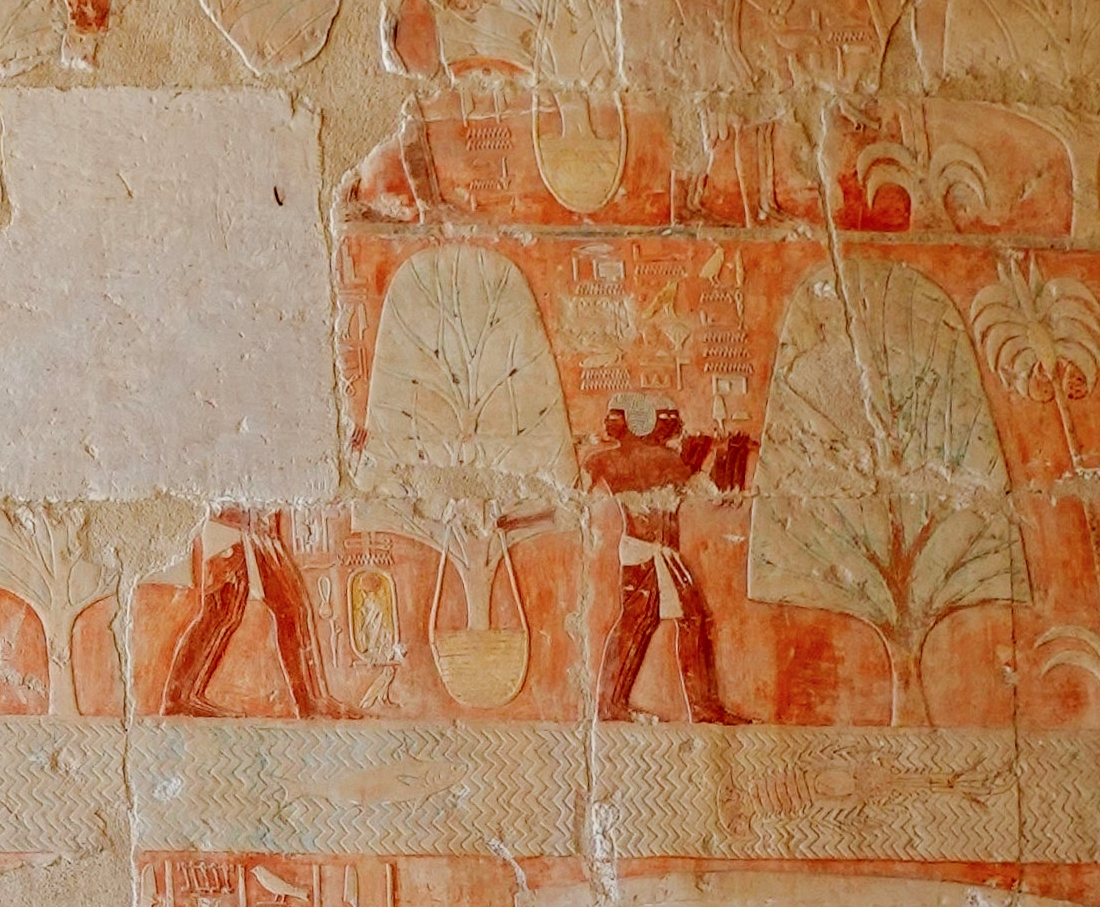
Punt Expedition Reliefs
Royal workshops of Hatshepsut · c. 1470 BCE
 Sculpture
Primary source
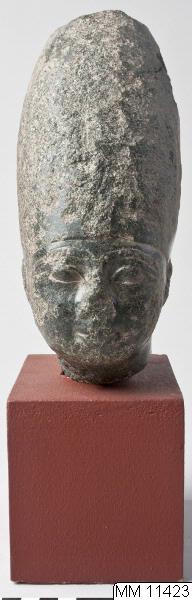
Sculpture Head Probably of Hatshepsut
 Sculpture
Primary source
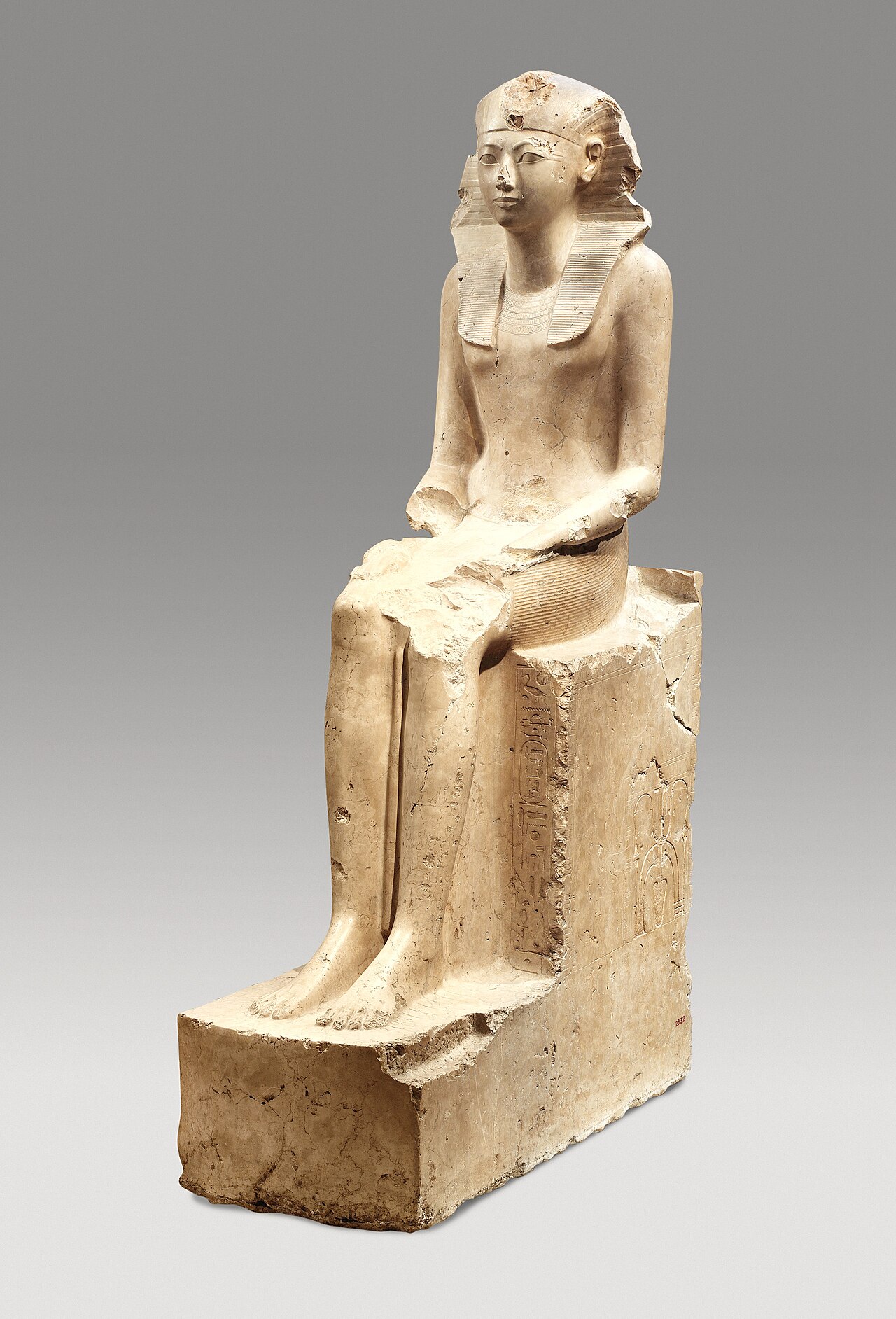
Seated Statue of Hatshepsut
c. 1466 BCE
Ready when you are
Start chatting with Hatshepsut now.
20 messages free · No credit card · Available in 50+ languages.