


Primary sourceArtifactc. 1479–1458 BCE
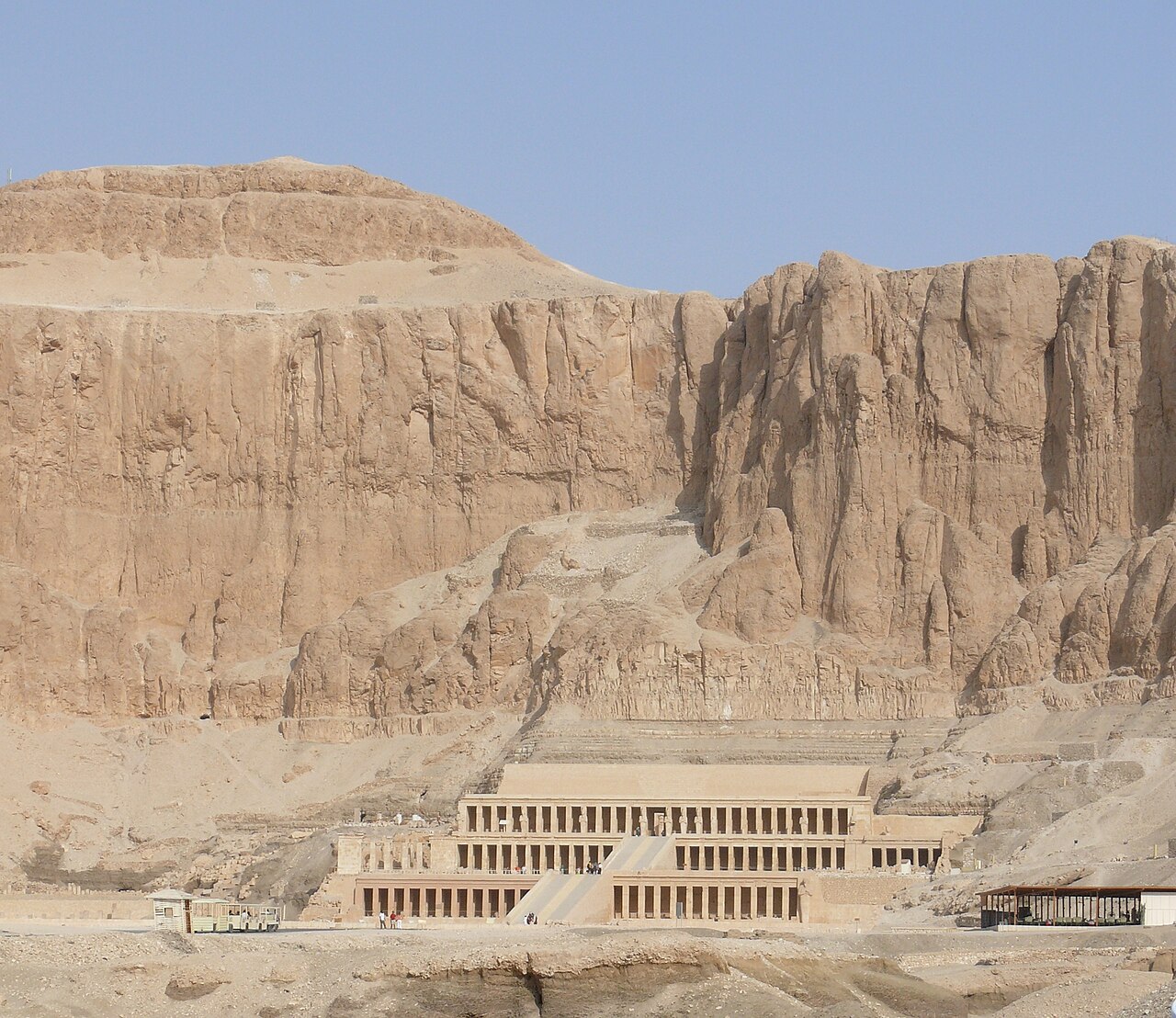
Mortuary Temple of Hatshepsut
Senenmut and/or Hapuseneb (attributed) · c. 1479–1458 BCE
A grand tiered temple built into the cliffs at Deir el-Bahari, commissioned by Hatshepsut as her monument to the gods and to her own rule.
This temple was commissioned by Hatshepsut as her own monument and main statement of royal power.
About this source
What it is
This is a huge stone temple built into the limestone cliffs at Deir el-Bahari on the west bank of the Nile. It was commissioned by Hatshepsut and is traditionally linked to officials such as Senenmut and Hapuseneb. It still stands in its original location today.
Why it matters
The temple was Hatshepsut's main architectural project and a way to show her power as ruler. Its terraces and colonnades carried carved scenes defending her right to be king, even though kingship was normally a man's role. It tells us how rulers used buildings to shape how people saw them.
Look closer
- Why might a ruler build such a large temple instead of just a tomb?
- What does the setting against the cliffs suggest about the builders' goals?
- What parts of the story does a building like this leave out?
This artifact is part of the curated material that grounds the AI version of Hatshepsut on Humy.ai — when students ask about related events, the AI can quote it and cite it.
More Hatshepsut sources
Meet the AI Hatshepsut →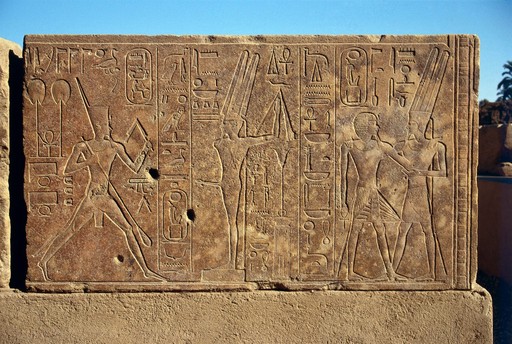 Photograph
Secondary source
Hatshepsut Dancing Before Min, Karnak Relief
Carole Reeves · 1989
 Sculpture
Primary source
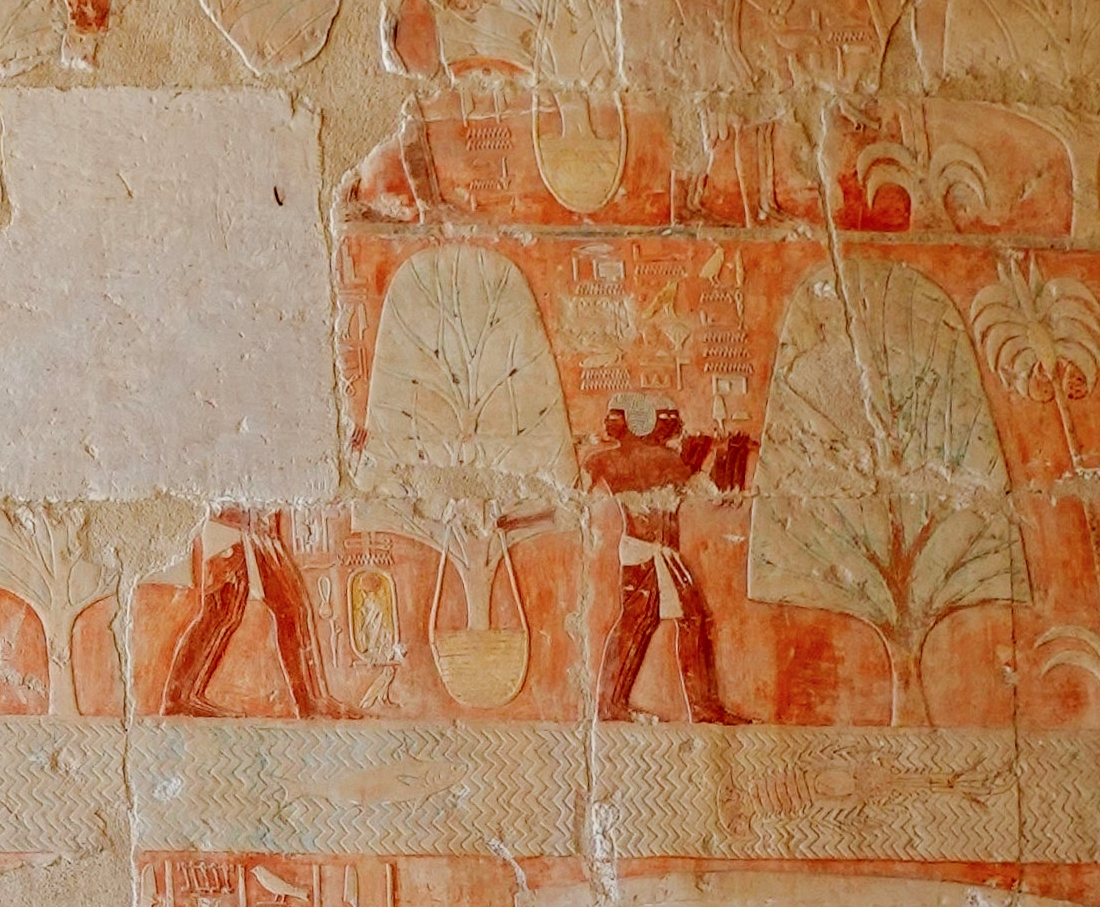
Punt Expedition Reliefs
Royal workshops of Hatshepsut · c. 1470 BCE
 Sculpture
Primary source
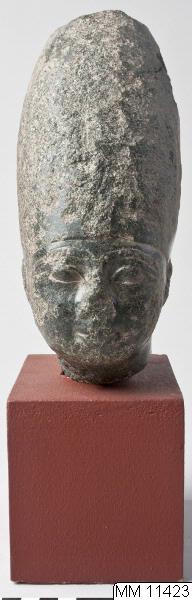
Sculpture Head Probably of Hatshepsut
 Sculpture
Primary source
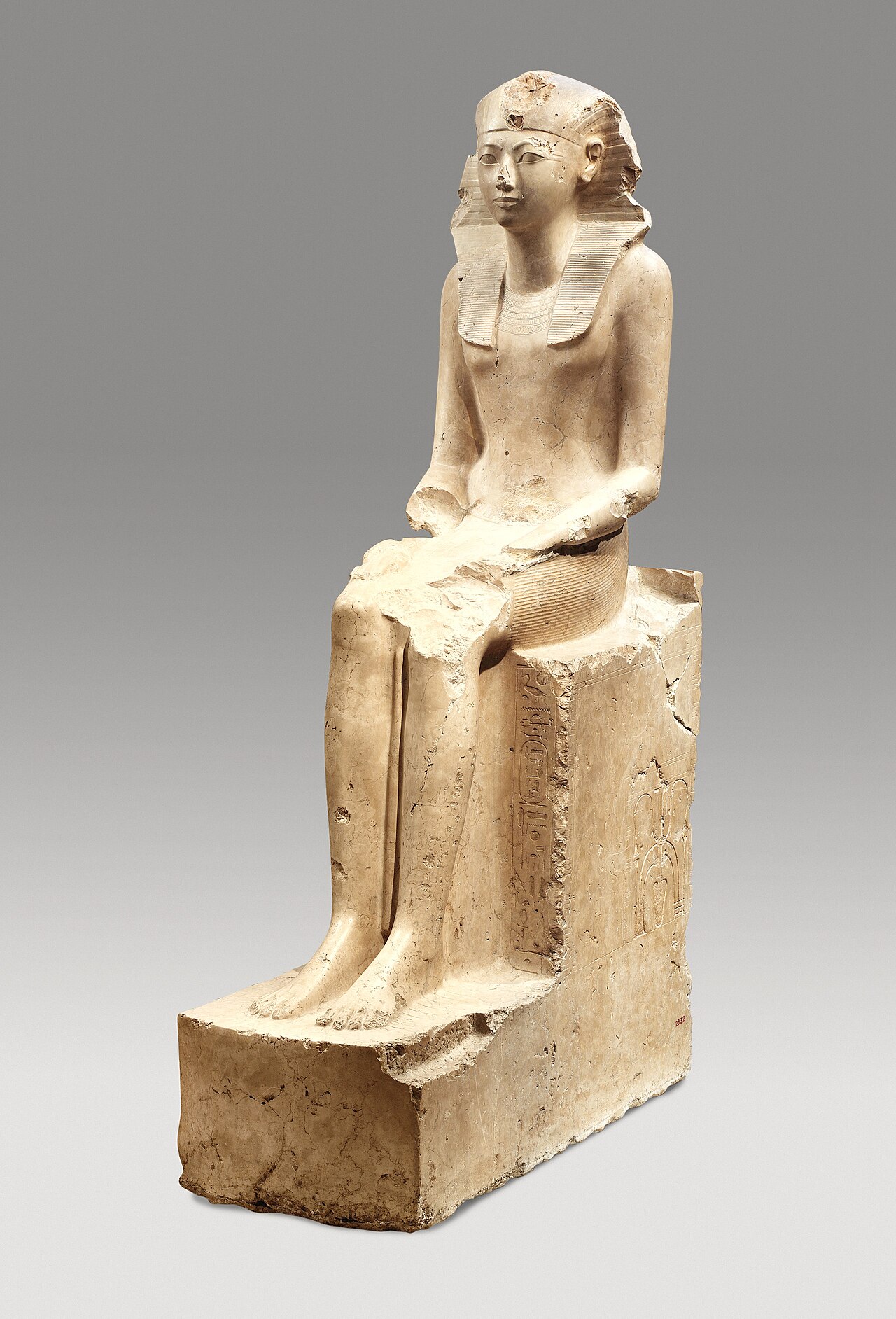
Seated Statue of Hatshepsut
c. 1466 BCE
 Artifact
Primary source
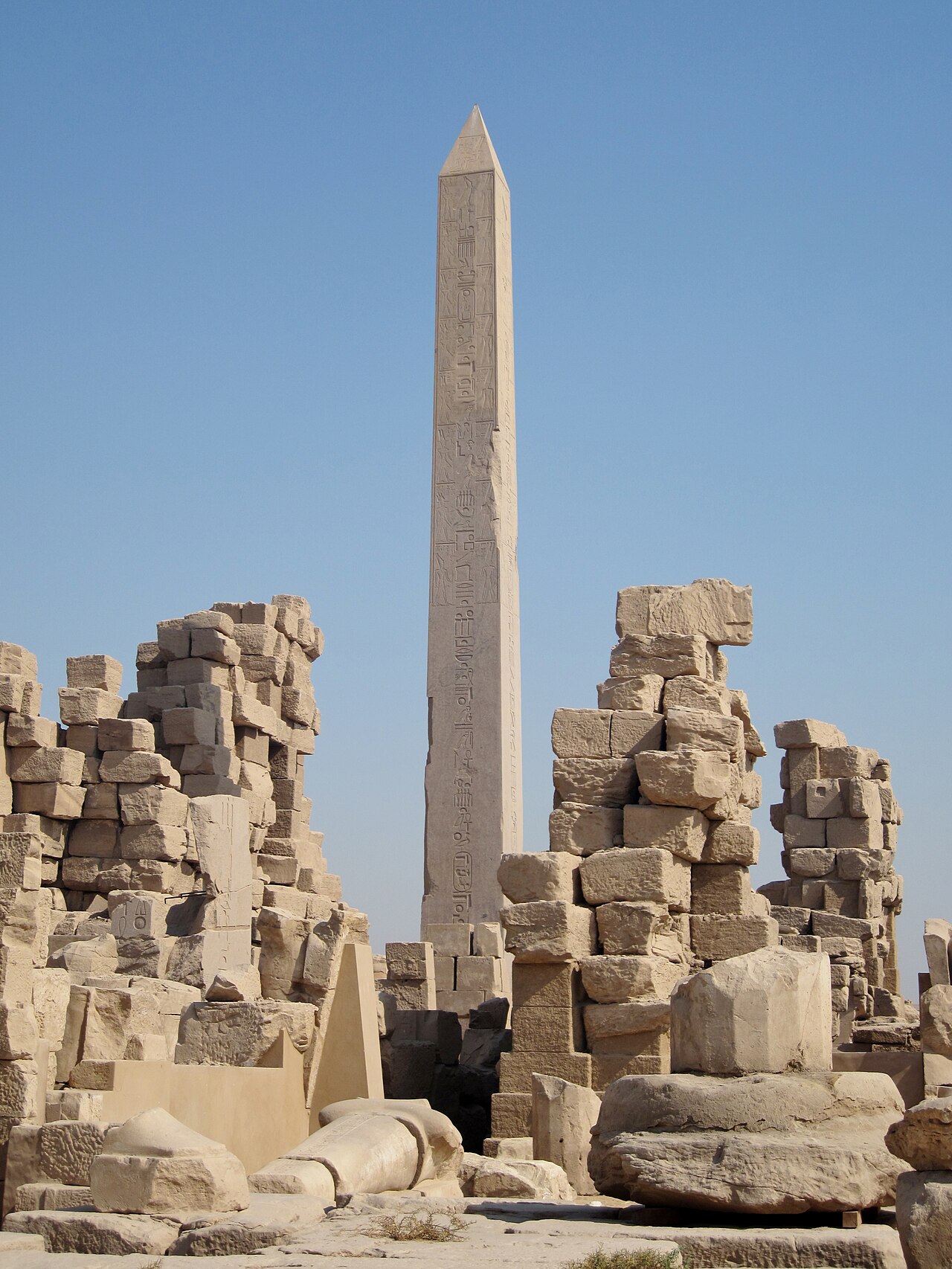
Obelisk of Hatshepsut
c. 1500 BCE
Ready when you are
Start chatting with Hatshepsut now.
20 messages free · No credit card · Available in 50+ languages.