


Primary sourcePainting1859
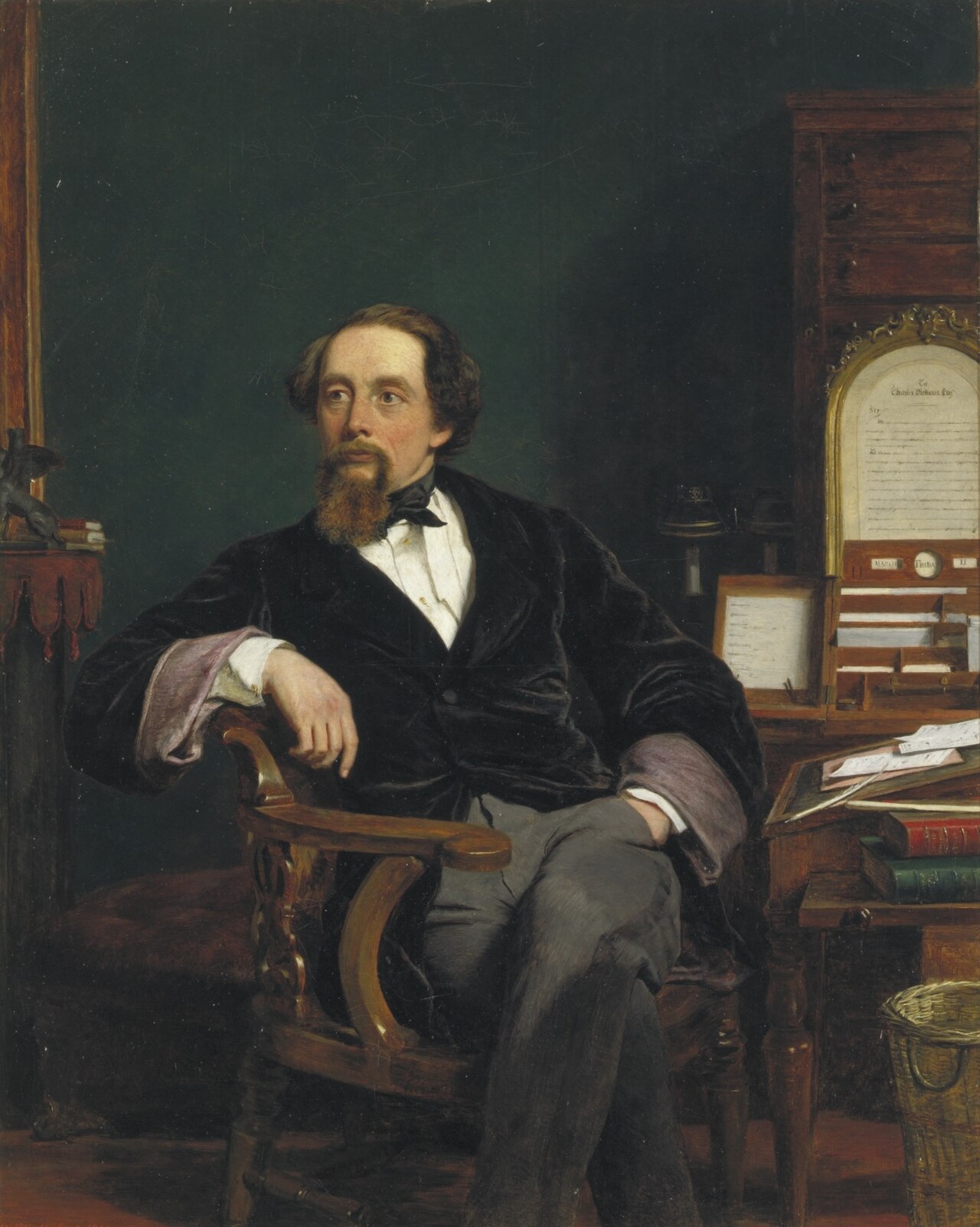
Charles Dickens in His Study
William Powell Frith · 1859
An 1859 oil portrait of Charles Dickens seated at his writing desk, painted at the height of his fame but reportedly disliked by Dickens himself.
This portrait depicts Dickens at his desk at the height of his fame, though he himself disliked how it portrayed him.
About this source
What it is
This oil painting by William Powell Frith, signed and dated 1859, shows Charles Dickens seated in his study. It was commissioned by his friend and biographer John Forster and is now held at the Victoria and Albert Museum in London.
Why it matters
The portrait was made when Dickens was at the peak of his fame, and it shows him surrounded by his writing tools, with pages from his novel A Tale of Two Cities visible on the desk. Interestingly, Dickens disliked the finished painting, feeling it made him look hostile, while Forster who commissioned it was pleased. The disagreement reveals how differently a subject and an admirer can see the same portrait.
Look closer
- Why might Dickens have felt his expression looked unfriendly, while Frith and Forster were satisfied?
- What do the papers and books on the desk tell you about Dickens as a working writer?
- Why might a biographer want a portrait made of his subject, rather than relying on photographs?
This painting is part of the curated material that grounds the AI version of Charles Dickens on Humy.ai — when students ask about related events, the AI can quote it and cite it.
More Charles Dickens sources
Meet the AI Charles Dickens →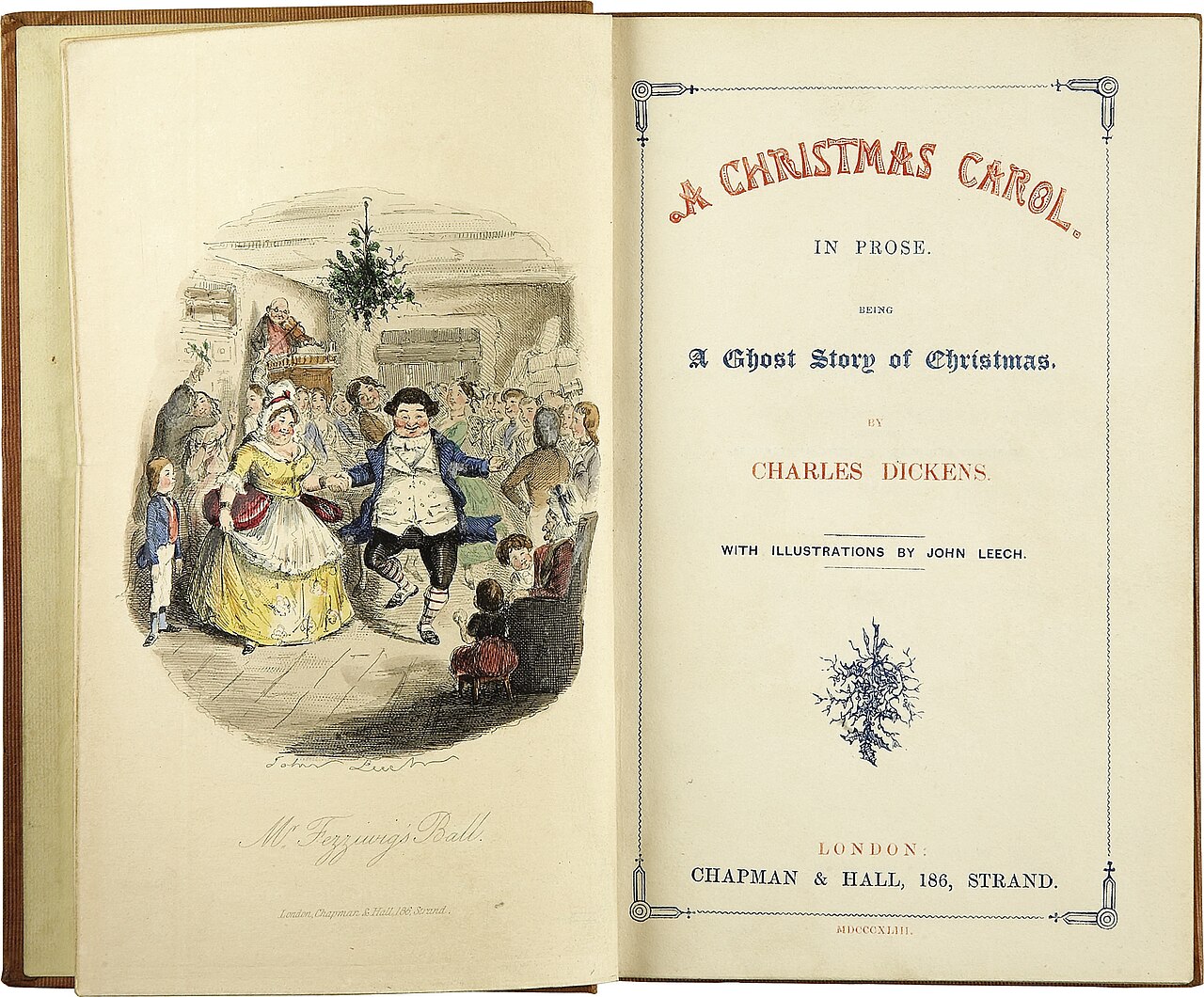 Book
Primary source
A Christmas Carol
Charles Dickens · 1843
 Book
Primary source
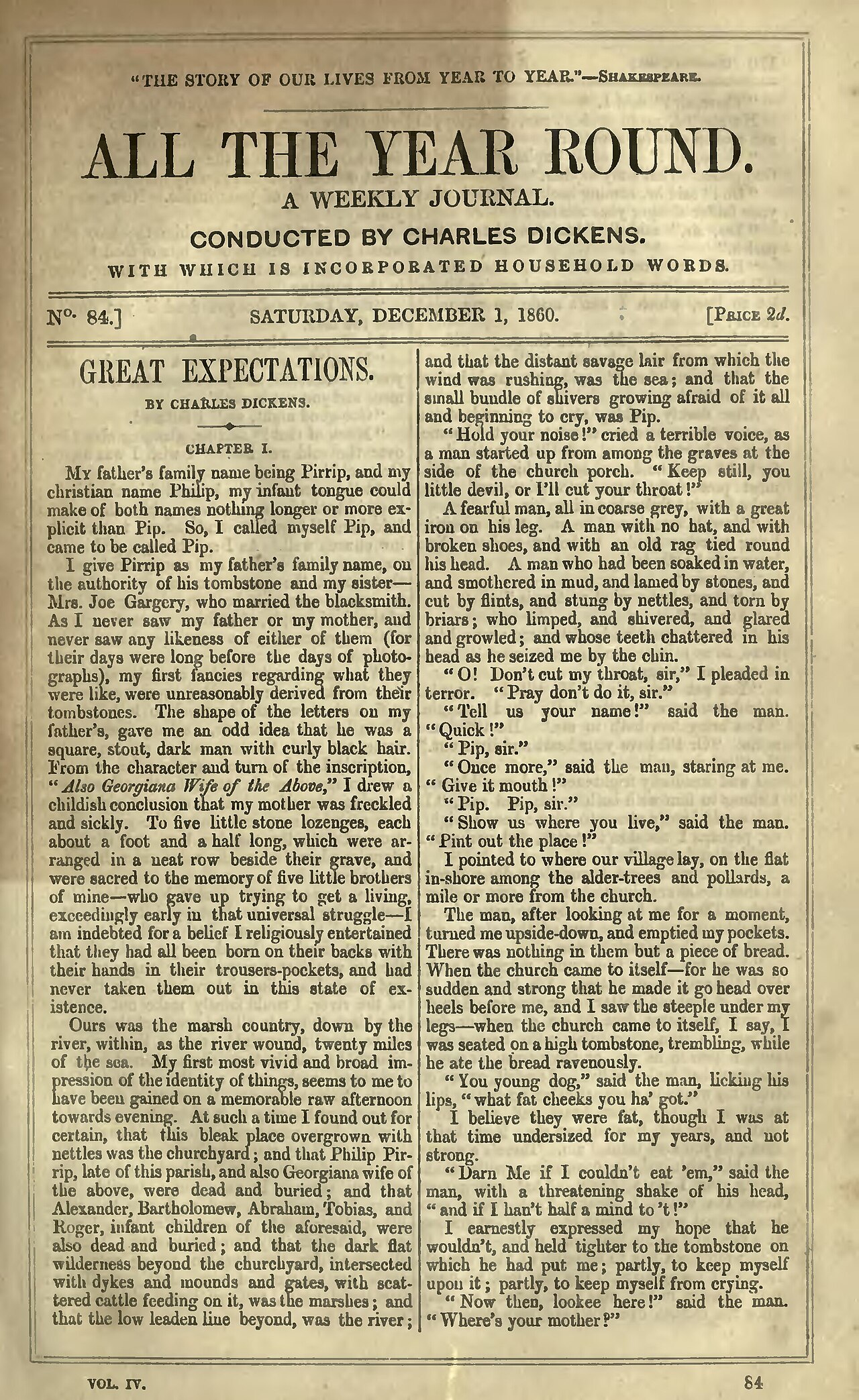
Great Expectations
Charles Dickens · 1860–1861
 Book
Primary source
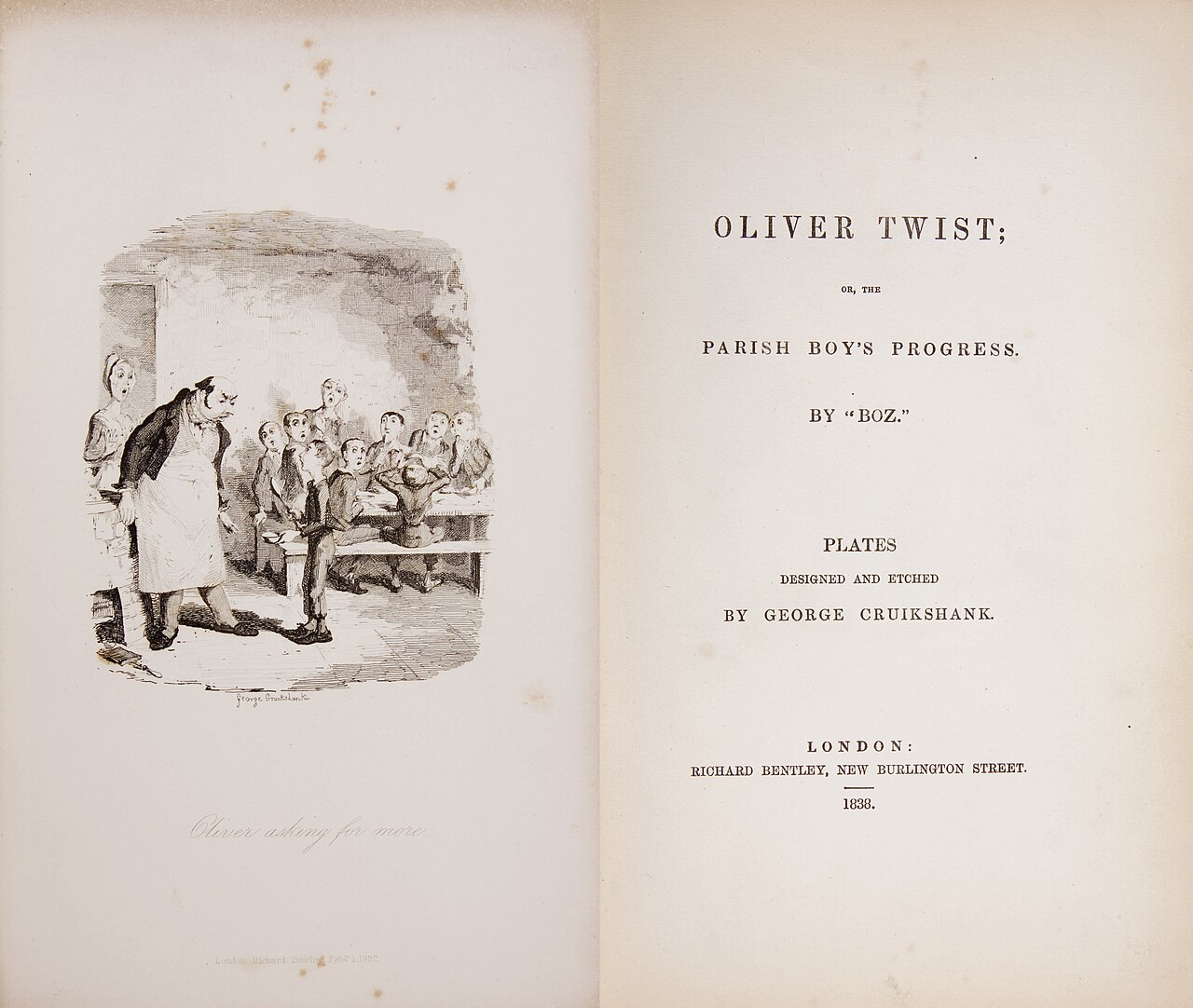
Oliver Twist
Charles Dickens · 1838 (serialised 1837–1839)
 Book
Primary source
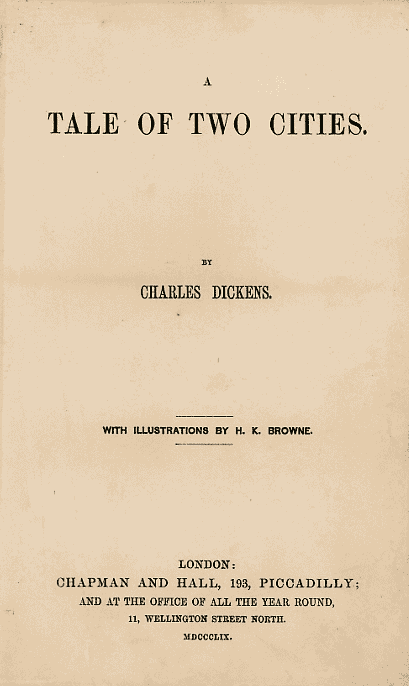
A Tale of Two Cities
Charles Dickens · 1859
 Book
Primary source
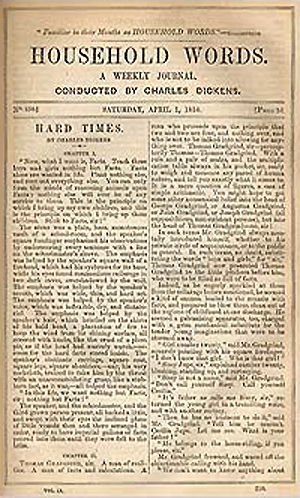
Hard Times: For These Times
Charles Dickens · 1854
Ready when you are
Start chatting with Charles Dickens now.
20 messages free · No credit card · Available in 50+ languages.