


Secondary sourceArtifact
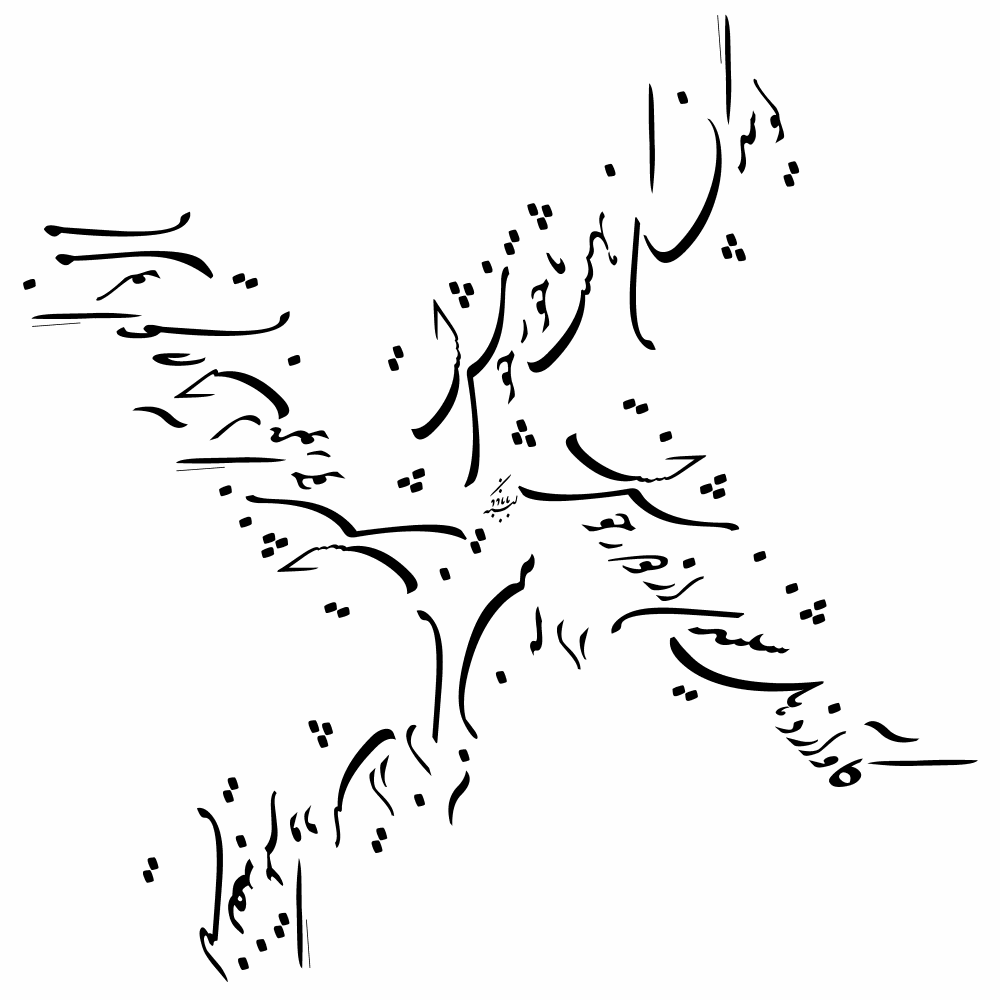
Chayyam guyand kasan behescht ba hur chosch ast
Baba66
A photograph of a Persian calligraphic rendering of a quatrain attributed to Omar Khayyam, written in flowing Schekaste script about paradise and its houris.
A calligraphic copy of a verse attributed to Khayyam, showing how his poetry was preserved in decorative Persian script.
About this source
What it is
This photograph shows a calligraphic version of a four-line verse (a quatrain) attributed to Omar Khayyam, written in Schekaste, a flowing, cursive style of Persian script. The text runs diagonally, starting at the upper right and reading counterclockwise.
Why it matters
Khayyam's quatrains were passed down and copied for centuries, often in beautiful calligraphy like this. This image shows how his poetry was preserved and admired not just for its words but as a visual art form across the Persian-speaking world.
Look closer
- Can you trace the direction the text is meant to be read in?
- Why might a calligrapher choose a flowing, decorative script rather than plain writing for a poem?
- What does the care put into writing this verse suggest about how people valued Khayyam's poetry?
This artifact is part of the curated material that grounds the AI version of Omar Khayyam on Humy.ai — when students ask about related events, the AI can quote it and cite it.
More Omar Khayyam sources
Meet the AI Omar Khayyam →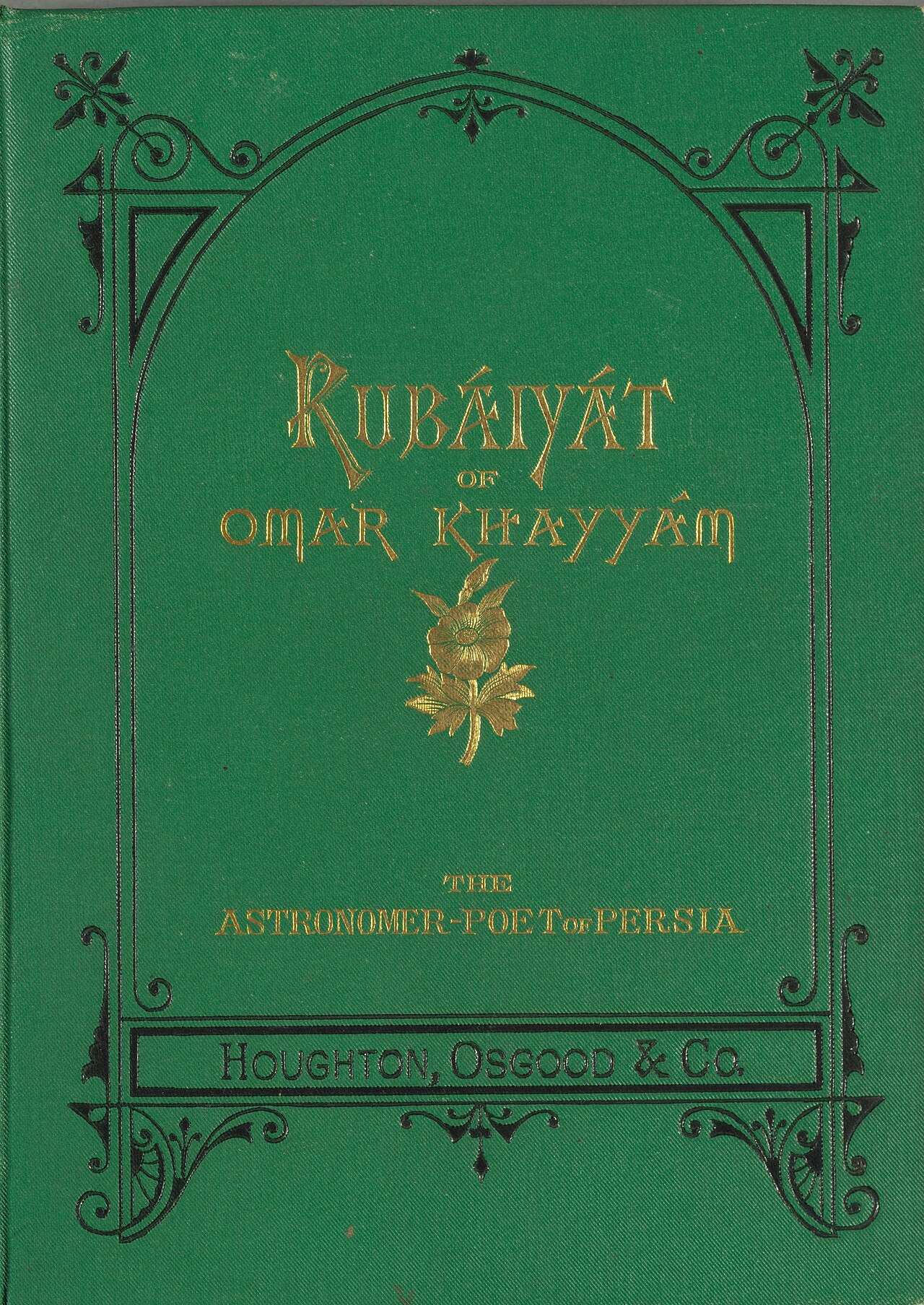 Book
Secondary source
Rubáiyát of Omar Khayyám
Edward FitzGerald · 1878
 Document
Primary source
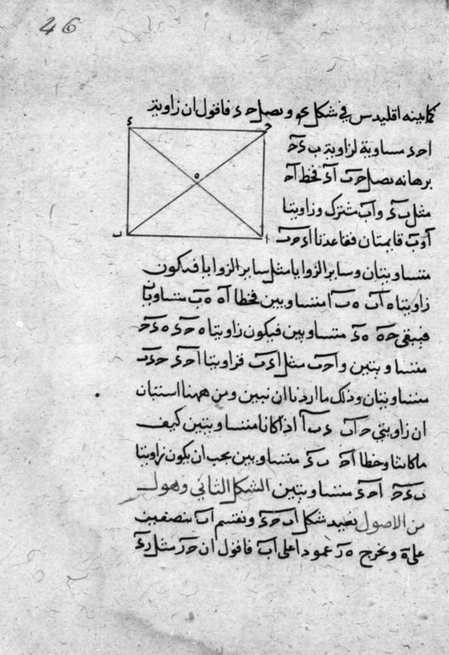
Khayyam Geometry Manuscript
Omar Khayyám
Secondary source
The Rubaiyat of Omar Khayyam (First Edition)
Edward FitzGerald · 1859
 Book
Secondary source
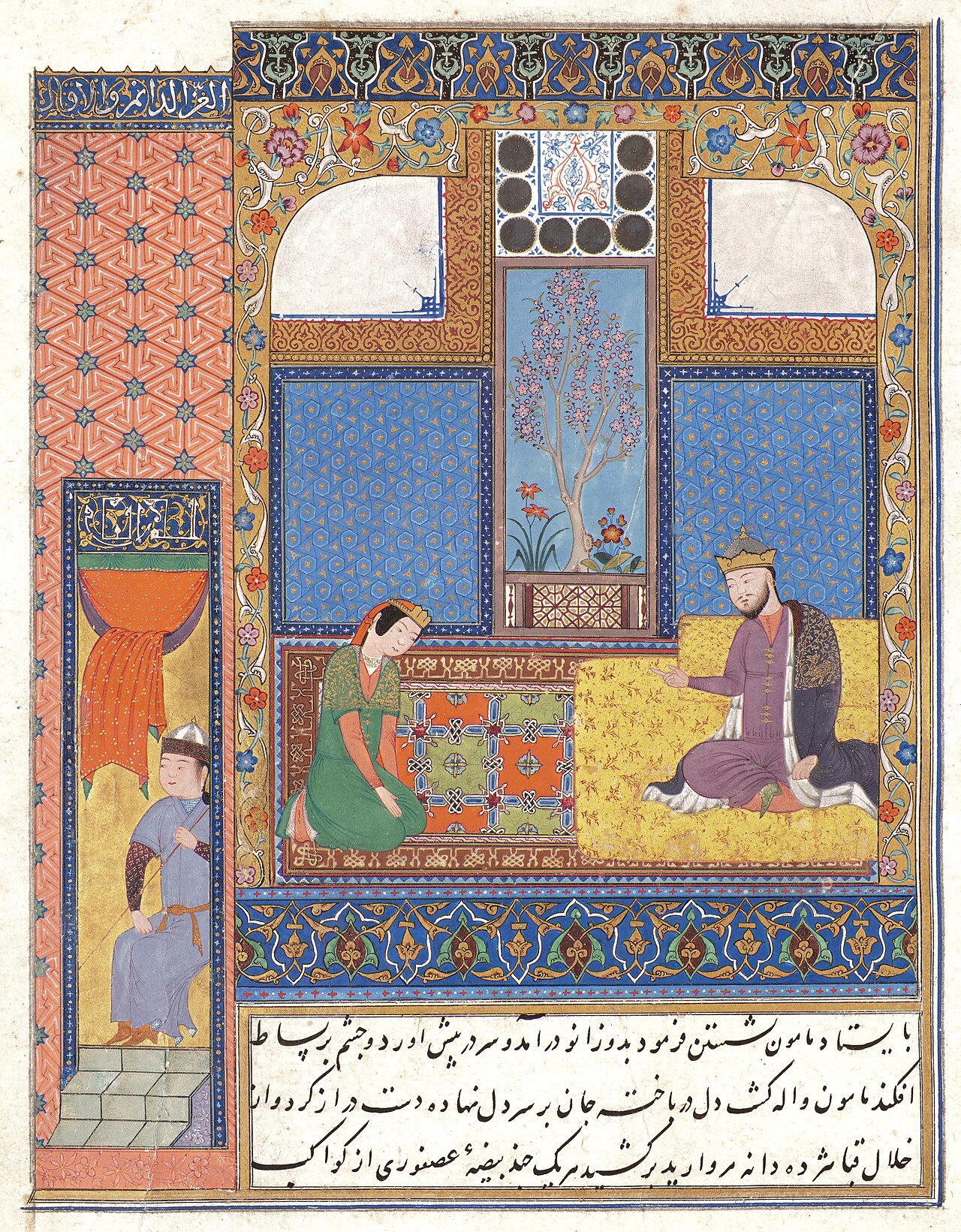
Chahar Maqala
Nizami Aruzi · 1155–1157
 Artifact
Secondary source
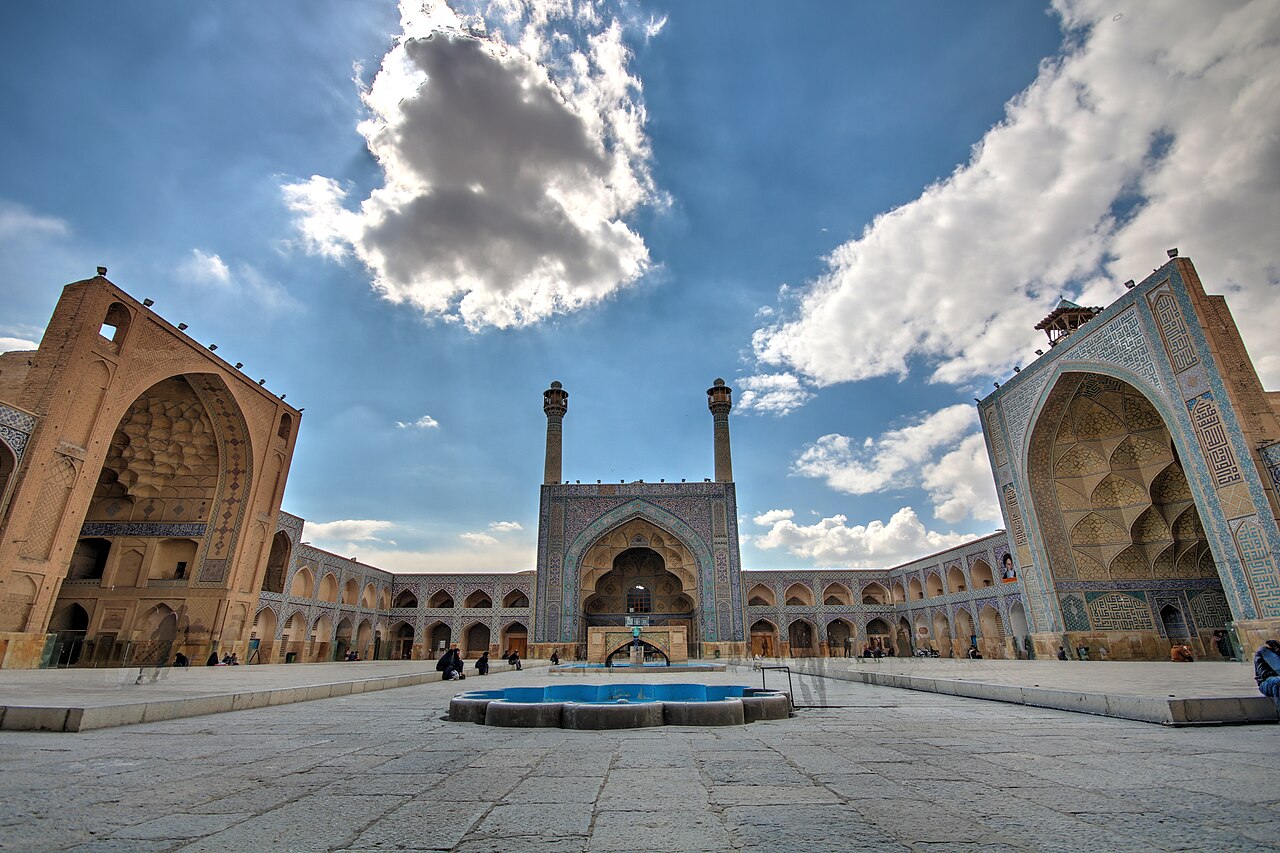
Jameh Mosque of Isfahan
841 (rebuilt 1086-1089 under Khayyám's patrons)
Ready when you are
Start chatting with Omar Khayyam now.
20 messages free · No credit card · Available in 50+ languages.