


Secondary sourceSculpturec. 44–30 BC
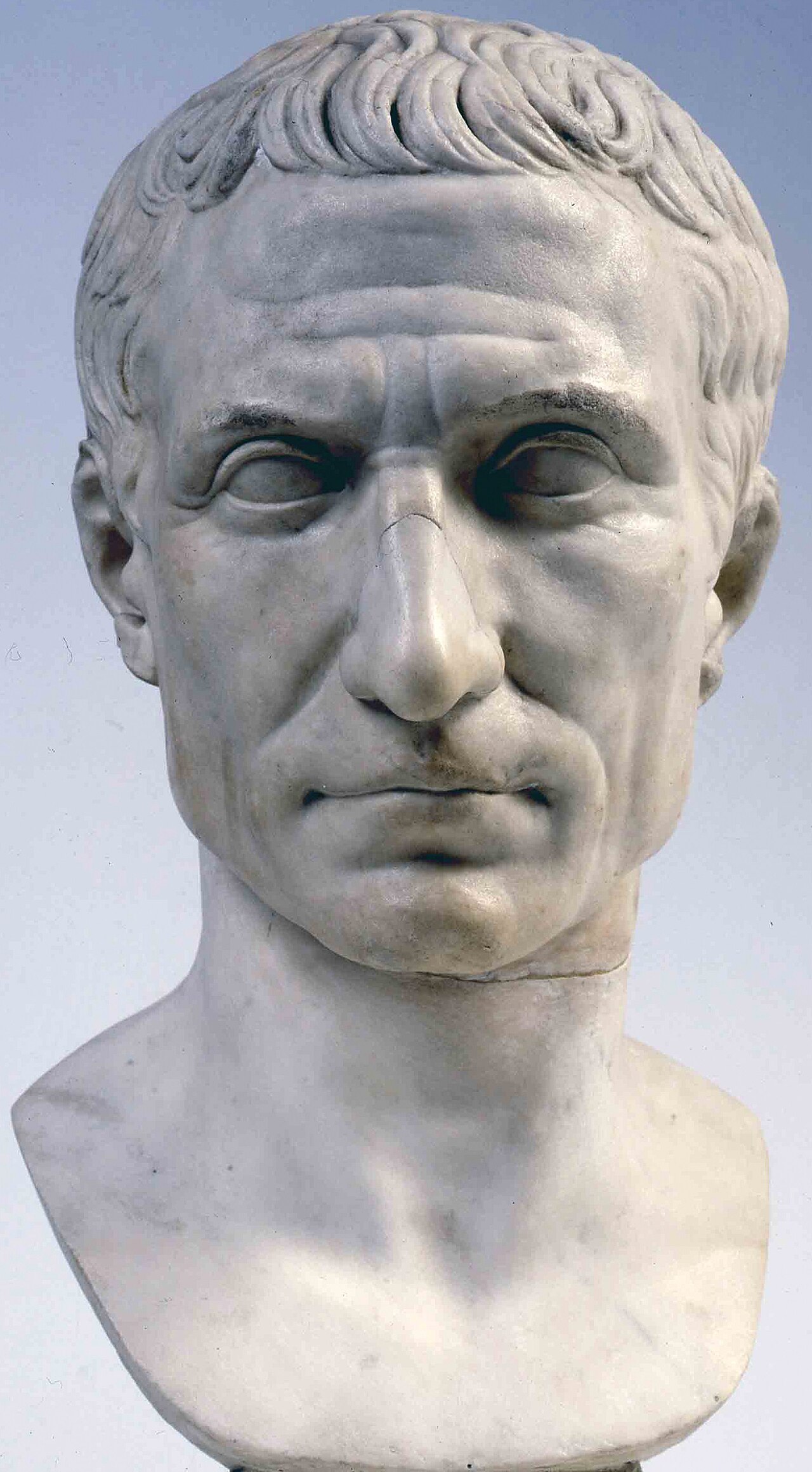
Chiaramonti Caesar
Unknown Roman sculptor · c. 44–30 BC
A posthumous marble portrait bust of Julius Caesar, now in the Vatican Museums, one of the most reproduced images of his likeness.
This bust is a posthumous sculpted likeness of Caesar, shaping how his face has been remembered ever since.
About this source
What it is
This marble bust, made by an unknown Roman sculptor around 44-30 BC, portrays Julius Caesar. It is held today in the Vatican Museums' Museo Chiaramonti.
Why it matters
Made after Caesar's death, the bust shows how his image was fixed and idealised for later generations. Because it has been reproduced so often, it has become one of the standard faces people picture when they think of Caesar, even though it was created after he died and reflects how Romans wanted to remember him rather than a photograph-like record.
Look closer
- What expression and features has the sculptor given Caesar, and what impression do they create?
- Why might a portrait made after someone's death differ from one made during their life?
- Who might have wanted this image made, and for what purpose?
This sculpture is part of the curated material that grounds the AI version of Julius Caesar on Humy.ai — when students ask about related events, the AI can quote it and cite it.
More Julius Caesar sources
Meet the AI Julius Caesar →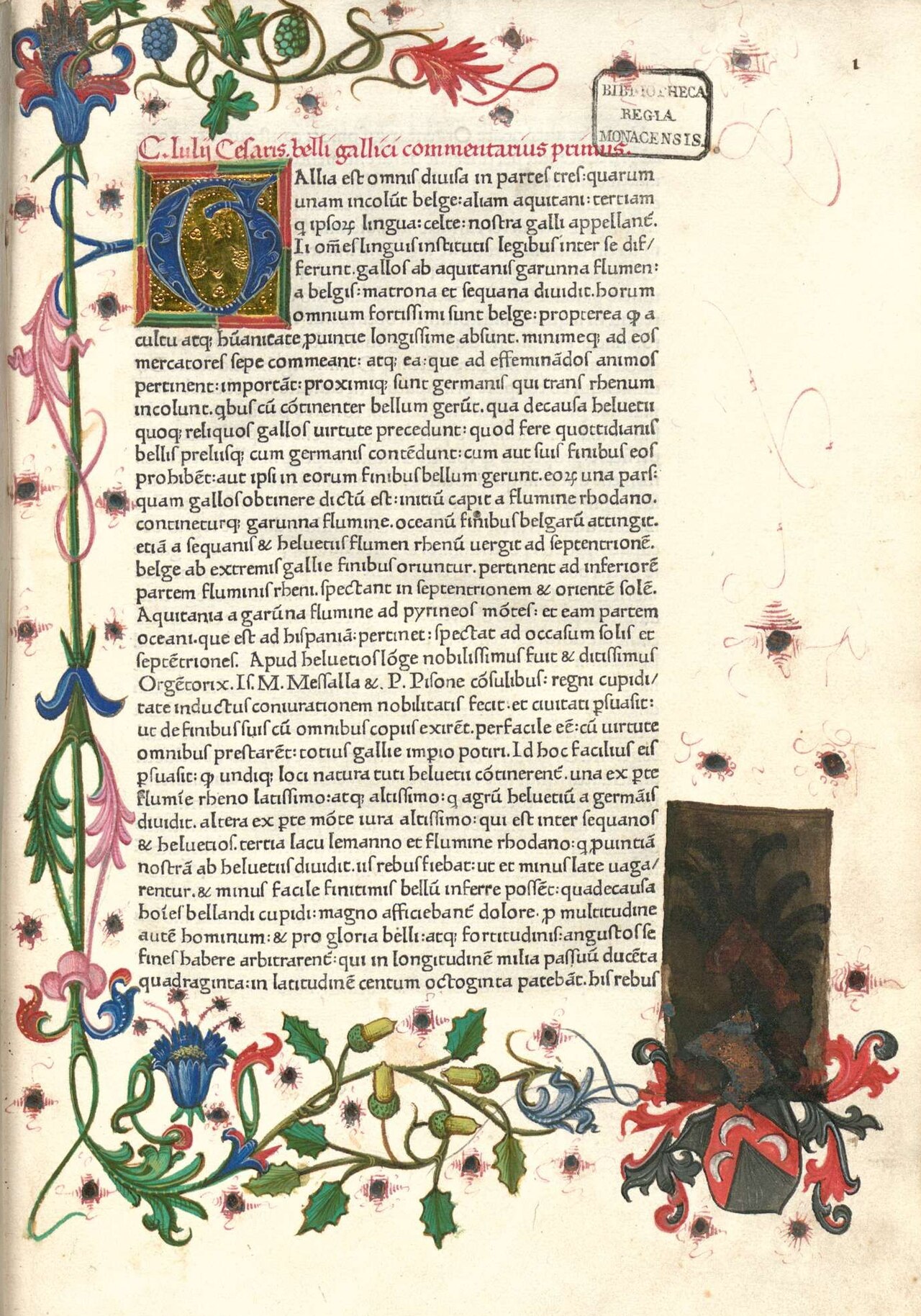 Book
Primary source
Commentarii de Bello Gallico
Julius Caesar · c. 58-50 BCE (this copy 1469)
 Painting
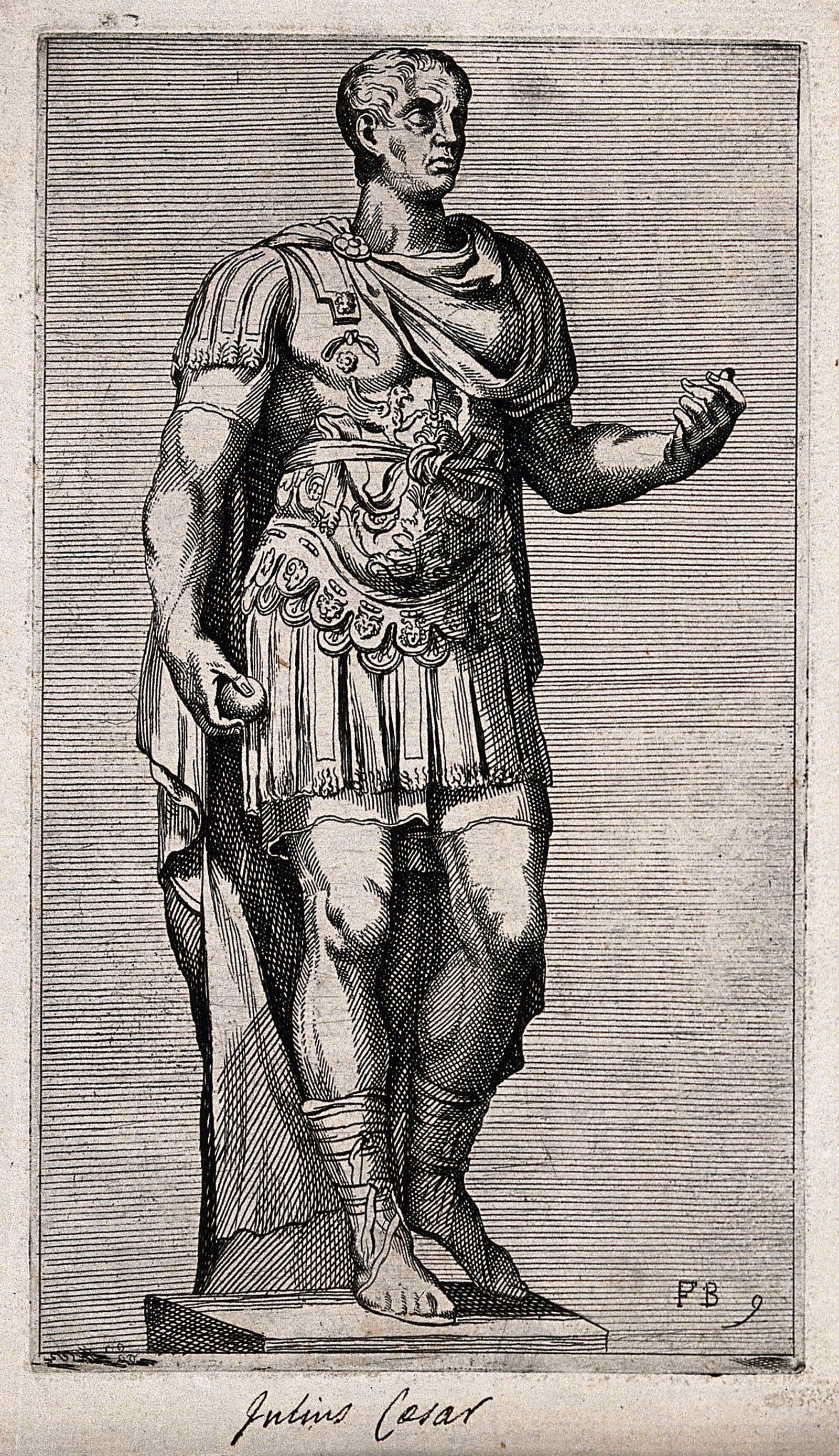
Secondary source
Etched Portrait of Julius Caesar
F. Perrier
 Painting
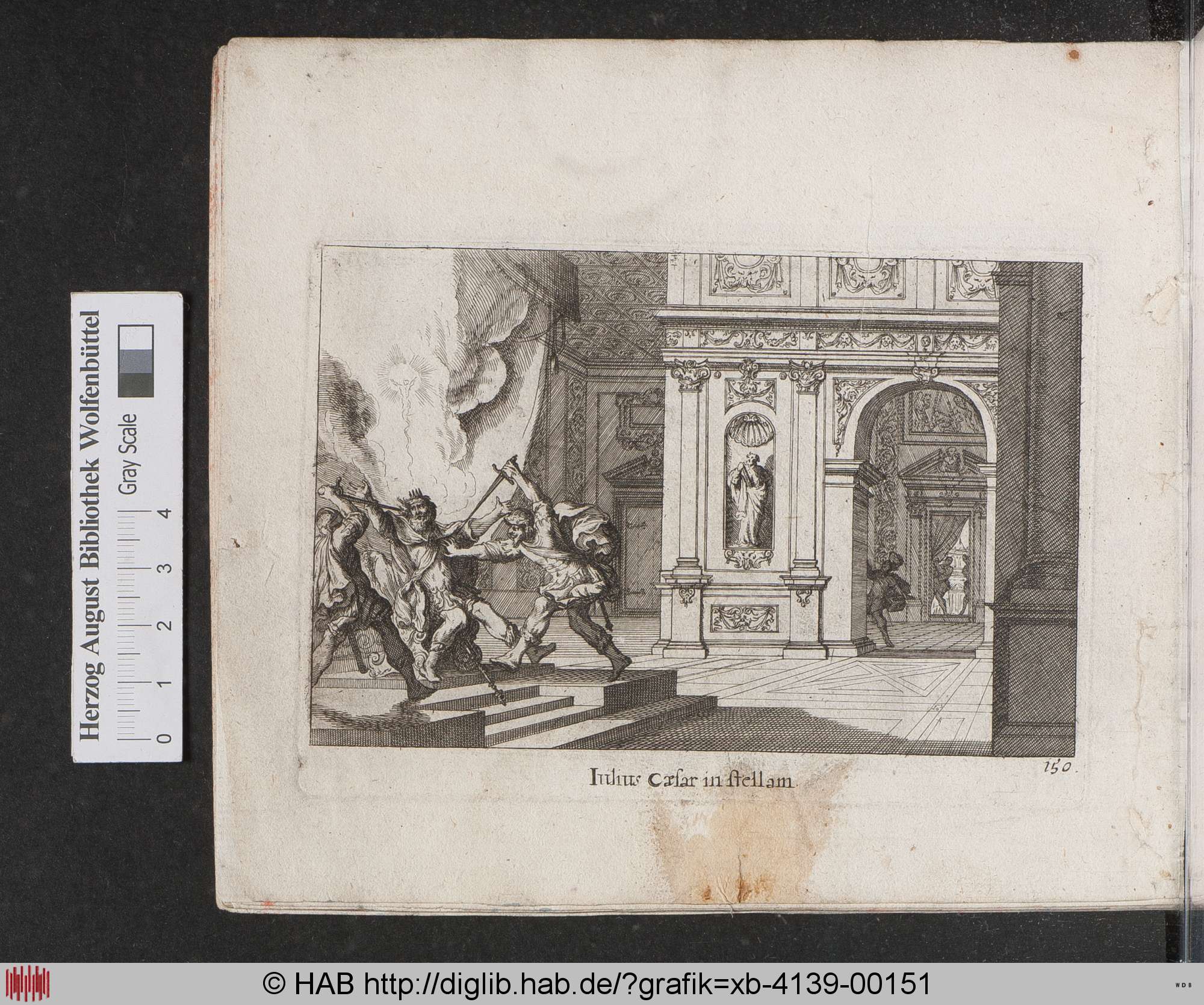
Secondary source
Murder of Julius Caesar in the Senate
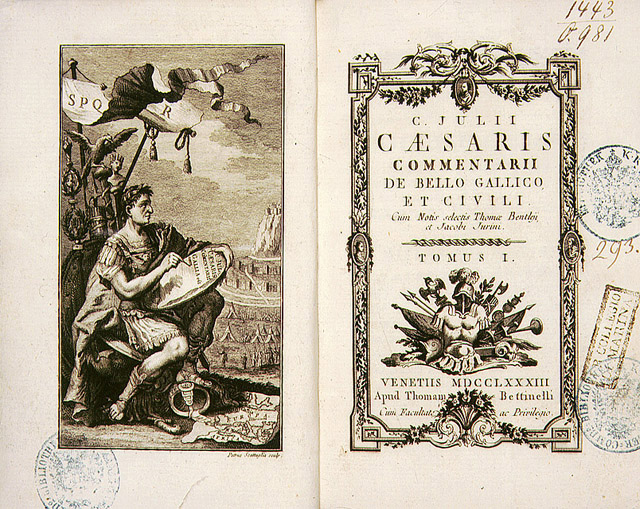 Book
Primary source
Commentarii de Bello Civili
Julius Caesar · 49-48 BCE
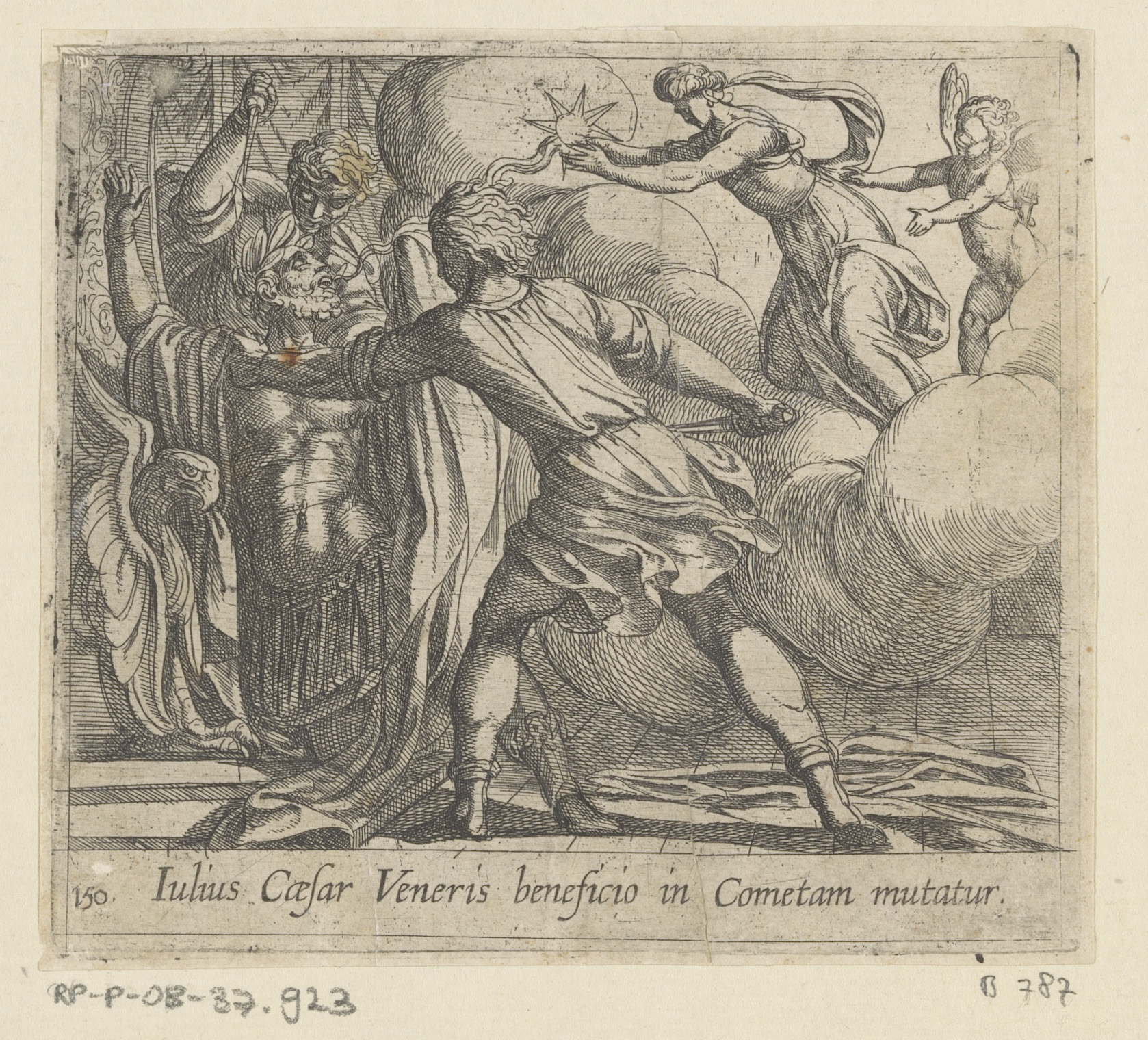 Painting
Secondary source
The Murder of Julius Caesar
1606
Ready when you are
Start chatting with Julius Caesar now.
20 messages free · No credit card · Available in 50+ languages.