


Primary sourceBook1812
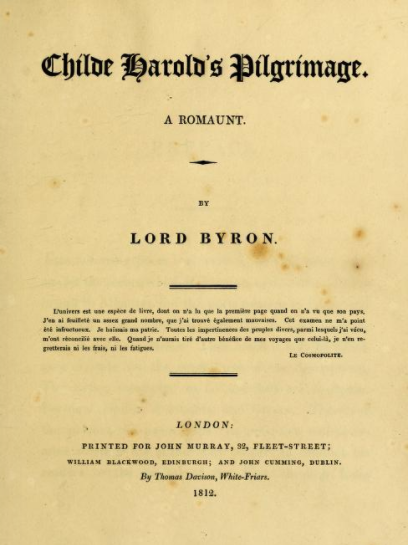
Childe Harold's Pilgrimage
Lord Byron · 1812
Lord Byron's narrative poem, which opens and closes with an address to his infant daughter Ada, shaping her public identity from birth.
Byron addresses his infant daughter Ada in this poem, publicly shaping her identity before she had any career of her own.
About this source
What it is
Childe Harold's Pilgrimage is a long narrative poem by Lord Byron, published in parts between 1812 and 1818. It follows a disillusioned young traveller through Europe and became hugely influential in Romantic literature.
Why it matters
Byron addresses his infant daughter Ada directly in the poem, calling her 'sole daughter of my house and heart'. Since Byron left England and separated from Ada's mother shortly after her birth, this public address became one of the few direct connections between father and daughter, and shaped how the public saw her from a very young age, long before she became known for her own work.
Look closer
- Why might a famous poet choose to address his daughter in a published poem rather than in a private letter?
- What does it suggest about Ada's early life that her father's words to her were public before any of her own writing was?
- How might being introduced to the public this way have shaped expectations placed on her?
This book is part of the curated material that grounds the AI version of Ada Lovelace on Humy.ai — when students ask about related events, the AI can quote it and cite it.
More Ada Lovelace sources
Meet the AI Ada Lovelace →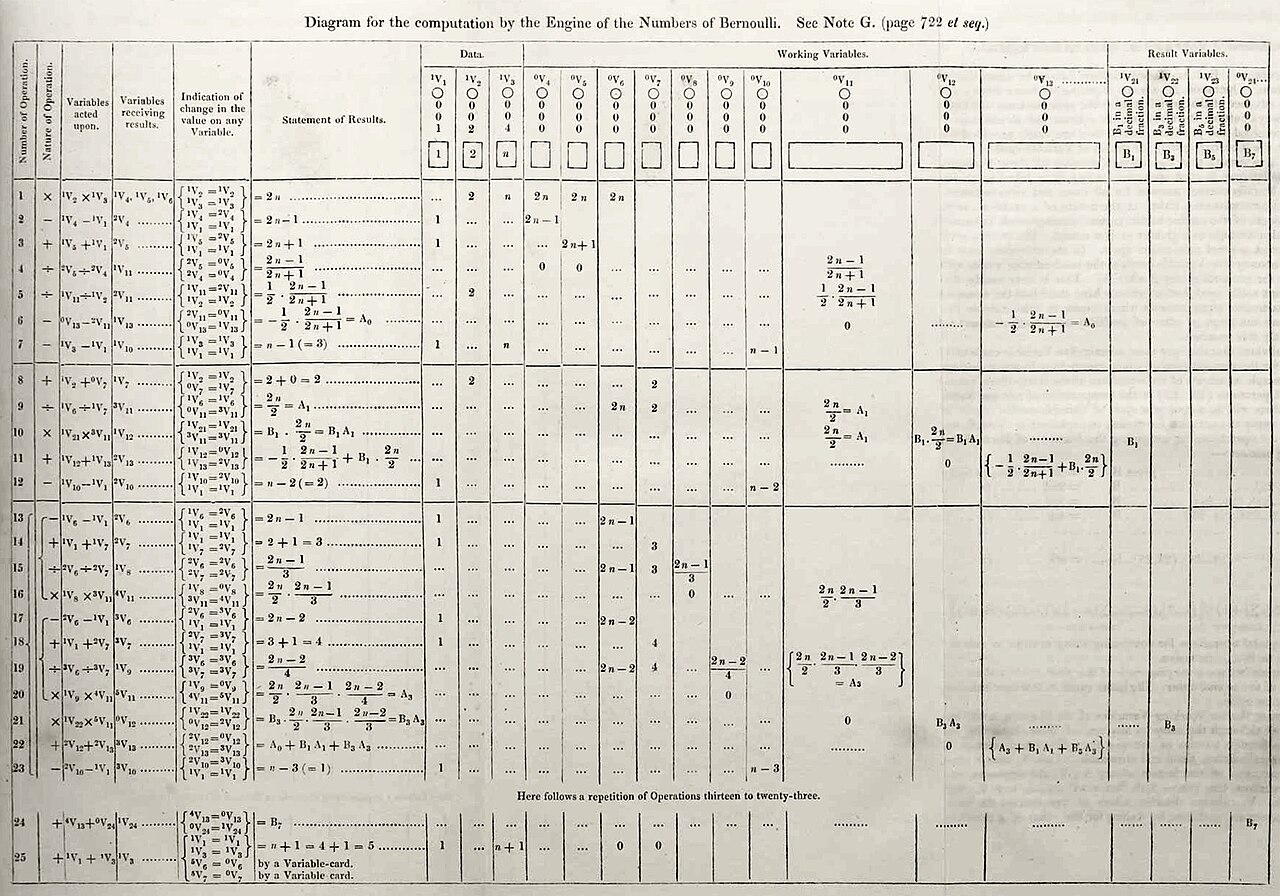 Document
Primary source
Note G
Ada Lovelace · 1843
 Painting
Primary source
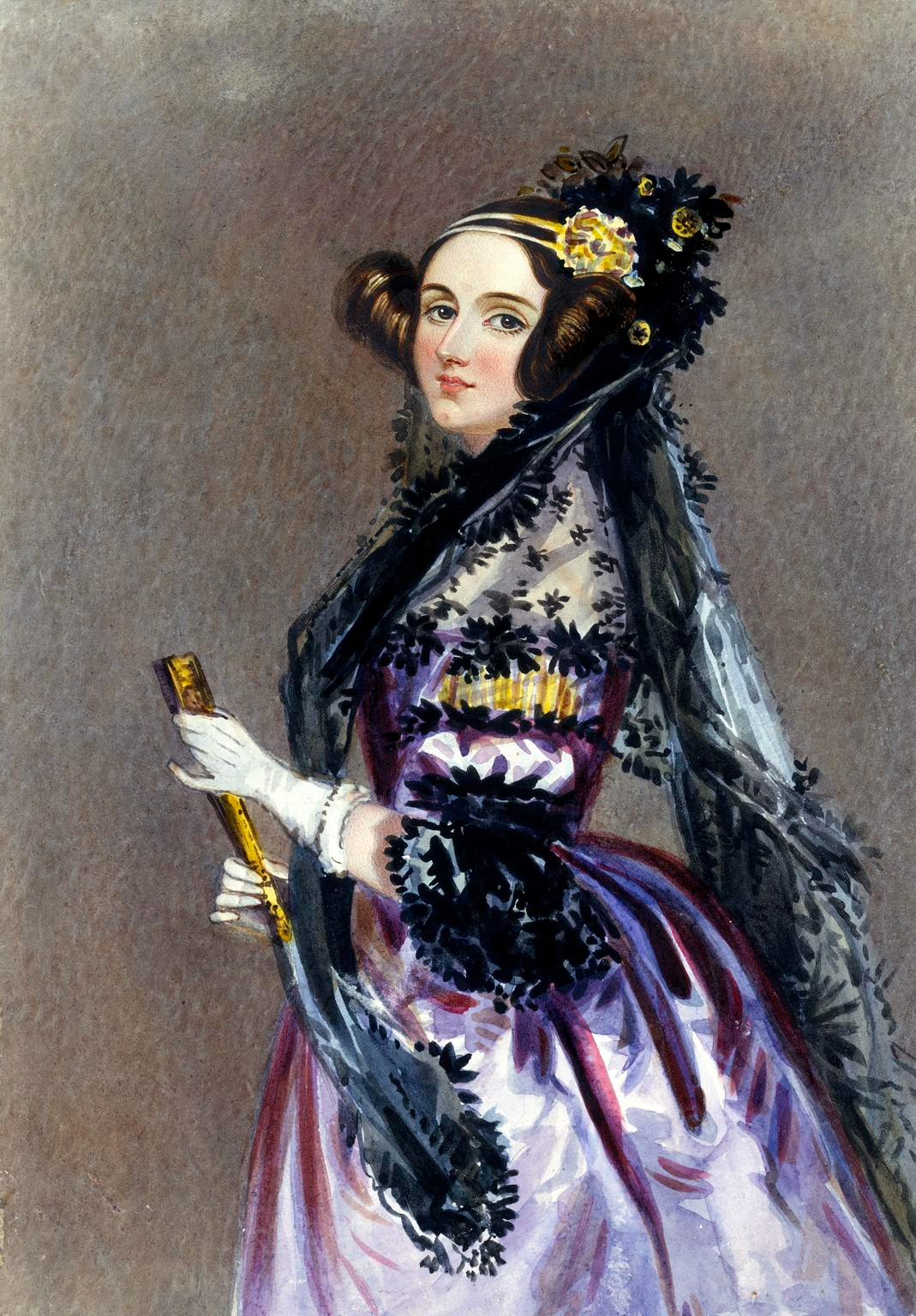
Watercolour Portrait of Ada Lovelace
Alfred Edward Chalon · c. 1840
 Painting
Primary source
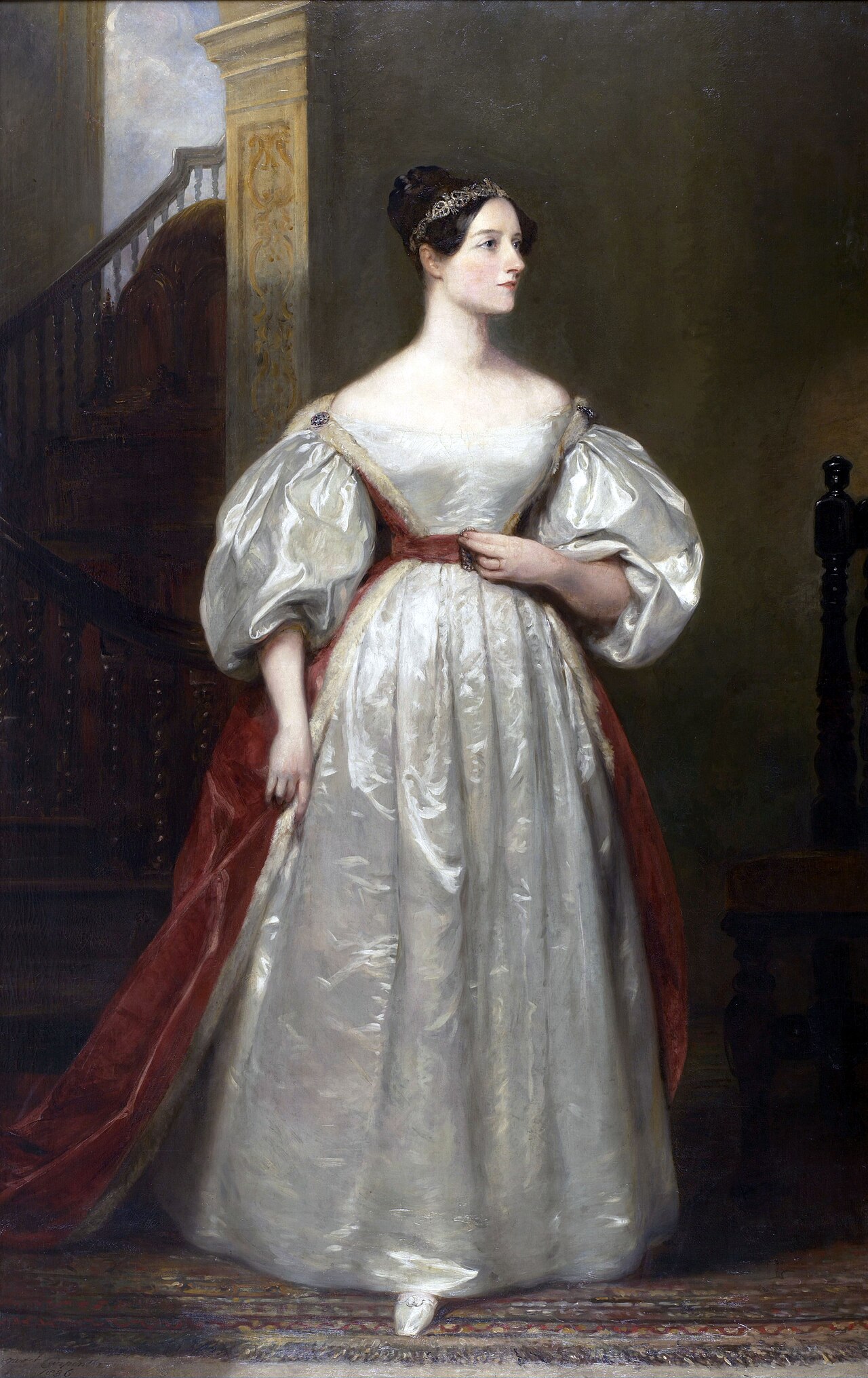
Portrait of Ada Lovelace by Margaret Carpenter
Margaret Sarah Carpenter · 1836
Primary source
Notions sur la machine analytique de M. Charles Babbage
Luigi Federico Menabrea · 1842
 Artifact
Secondary source
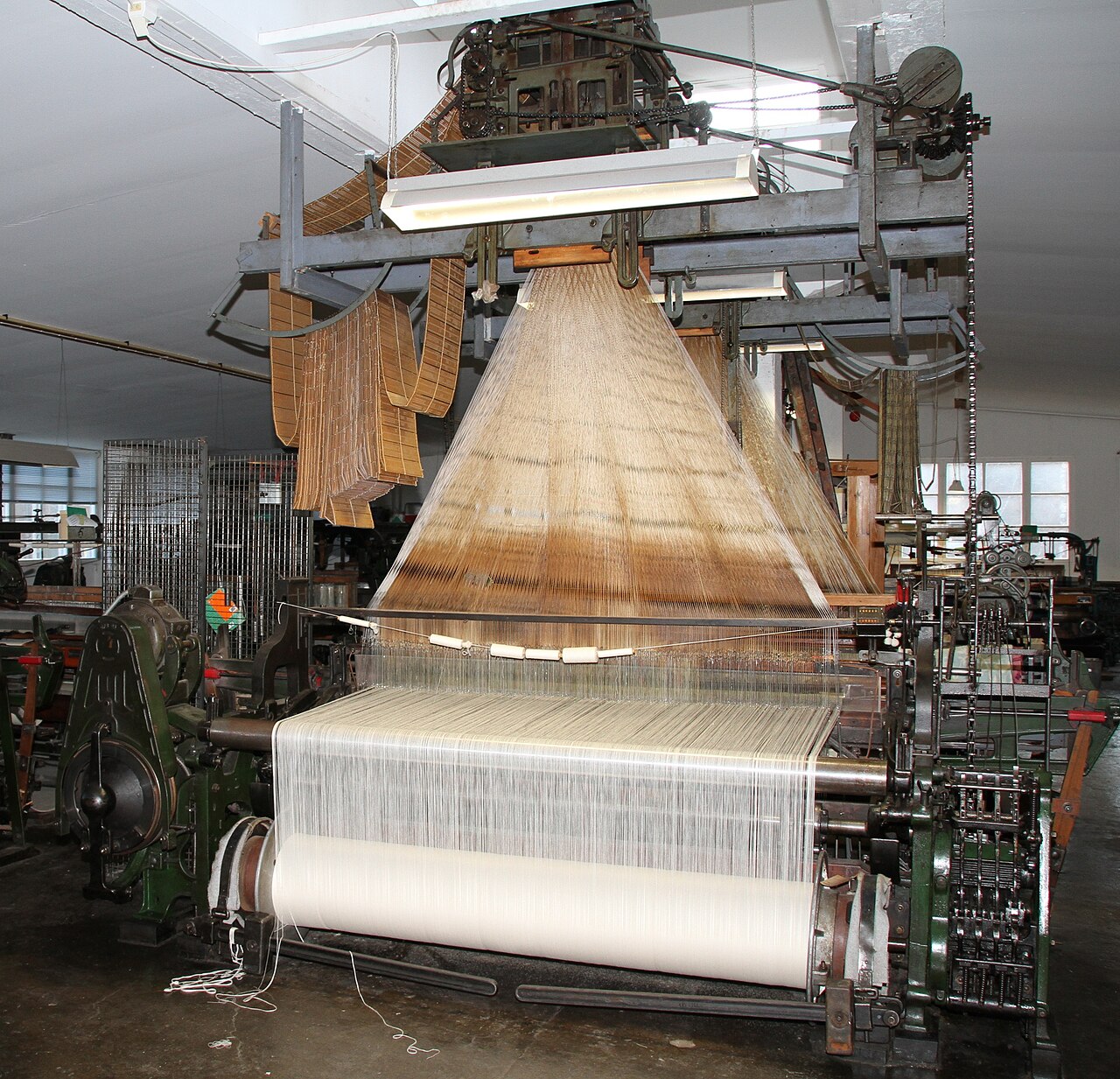
Jacquard Loom
Joseph Marie Jacquard · 1801
Ready when you are
Start chatting with Ada Lovelace now.
20 messages free · No credit card · Available in 50+ languages.