


Secondary sourcePainting4th century
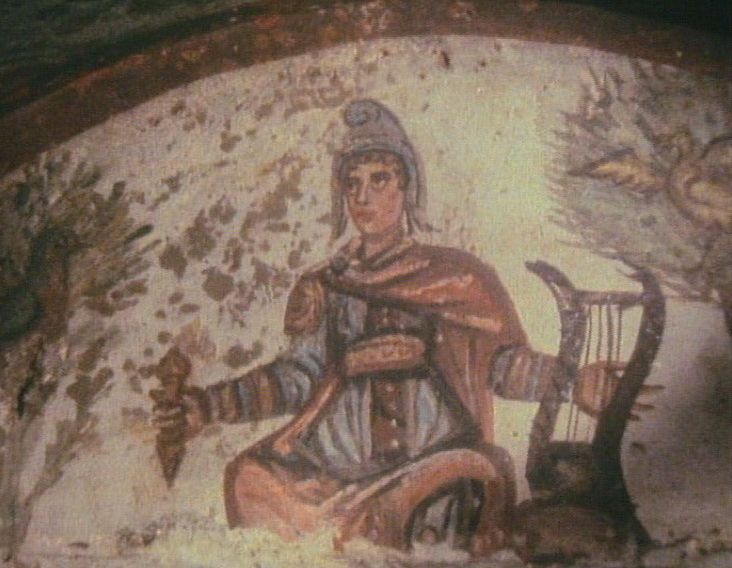
Christ as Orpheus
Unknown · 4th century
A faded 4th-century fresco from a Roman catacomb showing Christ portrayed as the mythic musician Orpheus, taming animals with his lyre.
This early fresco depicts Jesus symbolically as Orpheus, showing how early Christians visually represented him.
About this source
What it is
This is a wall painting from the Catacomb of Santi Marcellino e Pietro in Rome, made by an unknown artist in the 4th century. It shows a seated figure in a cap and cloak holding a lyre and staff, surrounded by trees and animals.
Why it matters
Early Christians often borrowed familiar pagan images to express new ideas. Here the Greek hero Orpheus, who calmed wild beasts with music, stands in for Christ, suggesting his peaceful power over the world. It shows how early believers adapted existing art to explain their faith.
Look closer
- Why might early Christians have chosen a pagan myth to represent Christ?
- What details link this figure to Orpheus rather than to later, more familiar images of Christ?
- What does the fresco's condition tell you about its age?
This painting is part of the curated material that grounds the AI version of Jesus Christ on Humy.ai — when students ask about related events, the AI can quote it and cite it.
More Jesus Christ sources
Meet the AI Jesus Christ →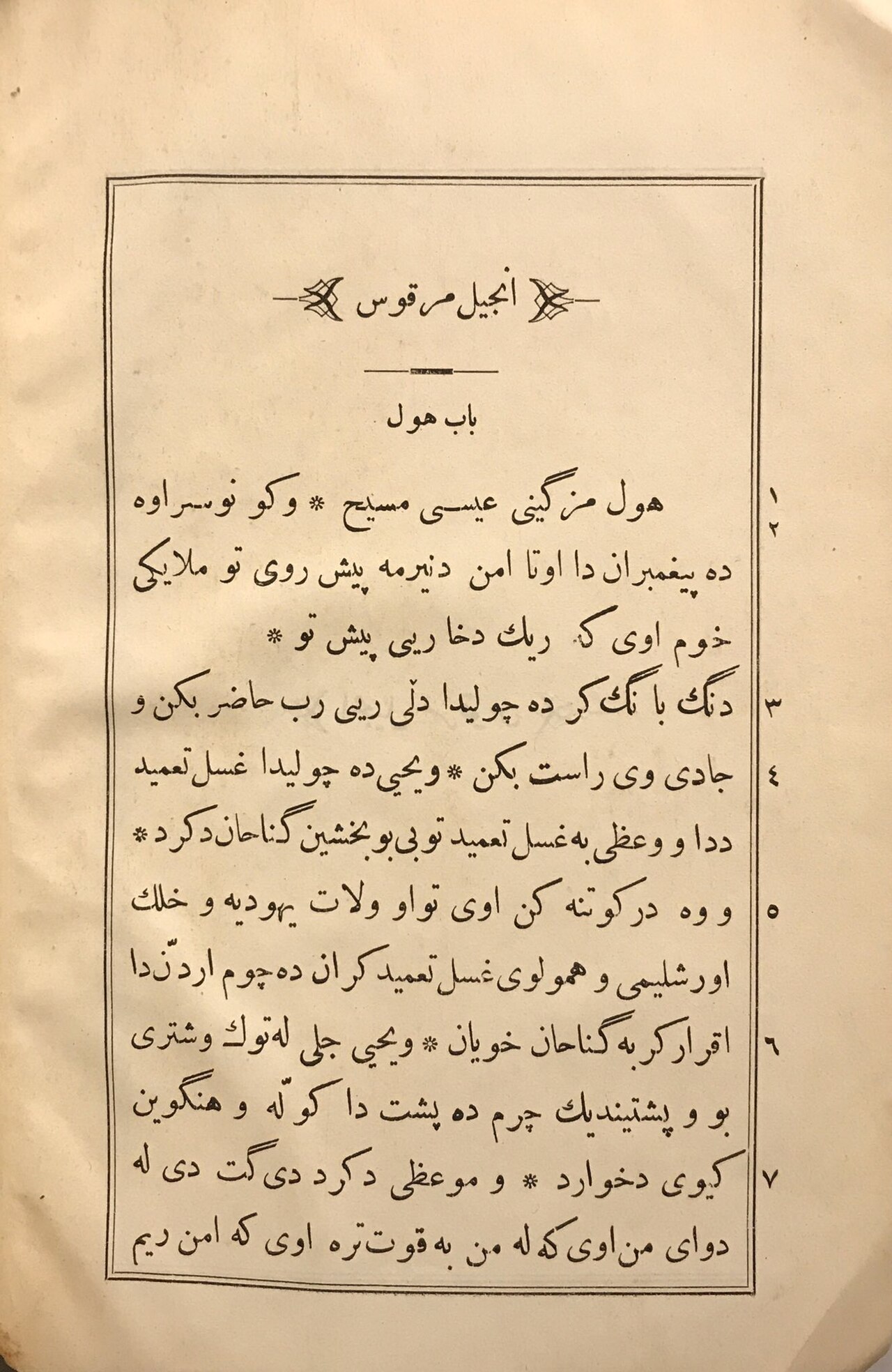 Book
Secondary source
Gospel of Mark
Mark the Evangelist · c. AD 66-75
 Artifact
Secondary source
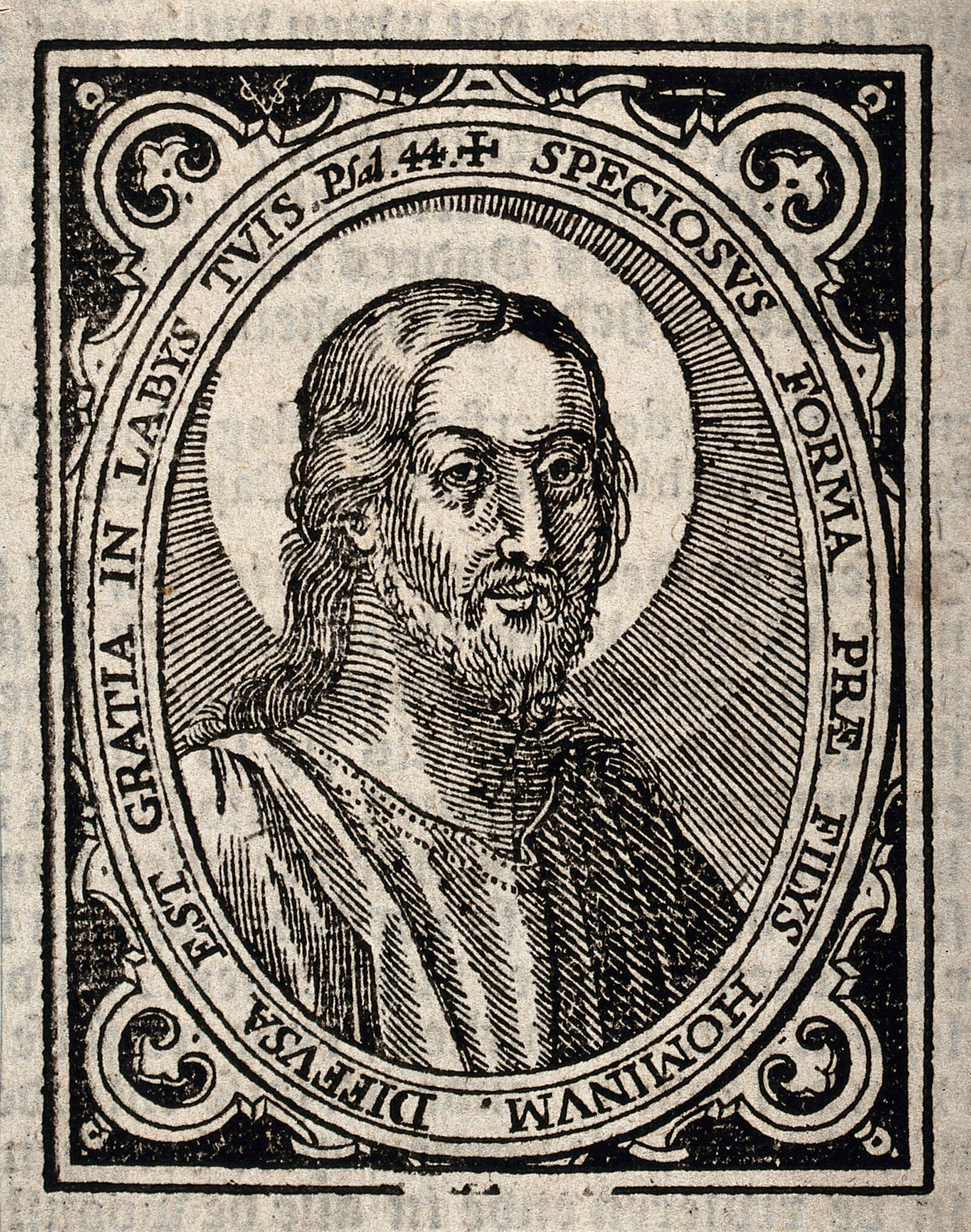
Jesus Christ, woodcut by Christoffel van Sichem III
Christoffel van Sichem III · c. 1645
 Book
Secondary source
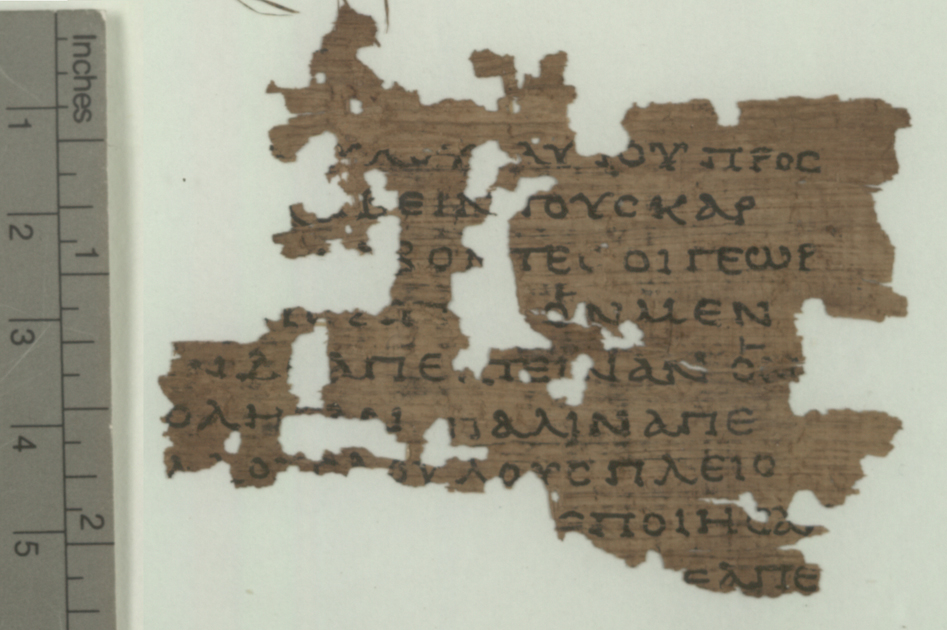
Gospel of Matthew
Matthew the Apostle · late 1st century AD
 Painting
Secondary source
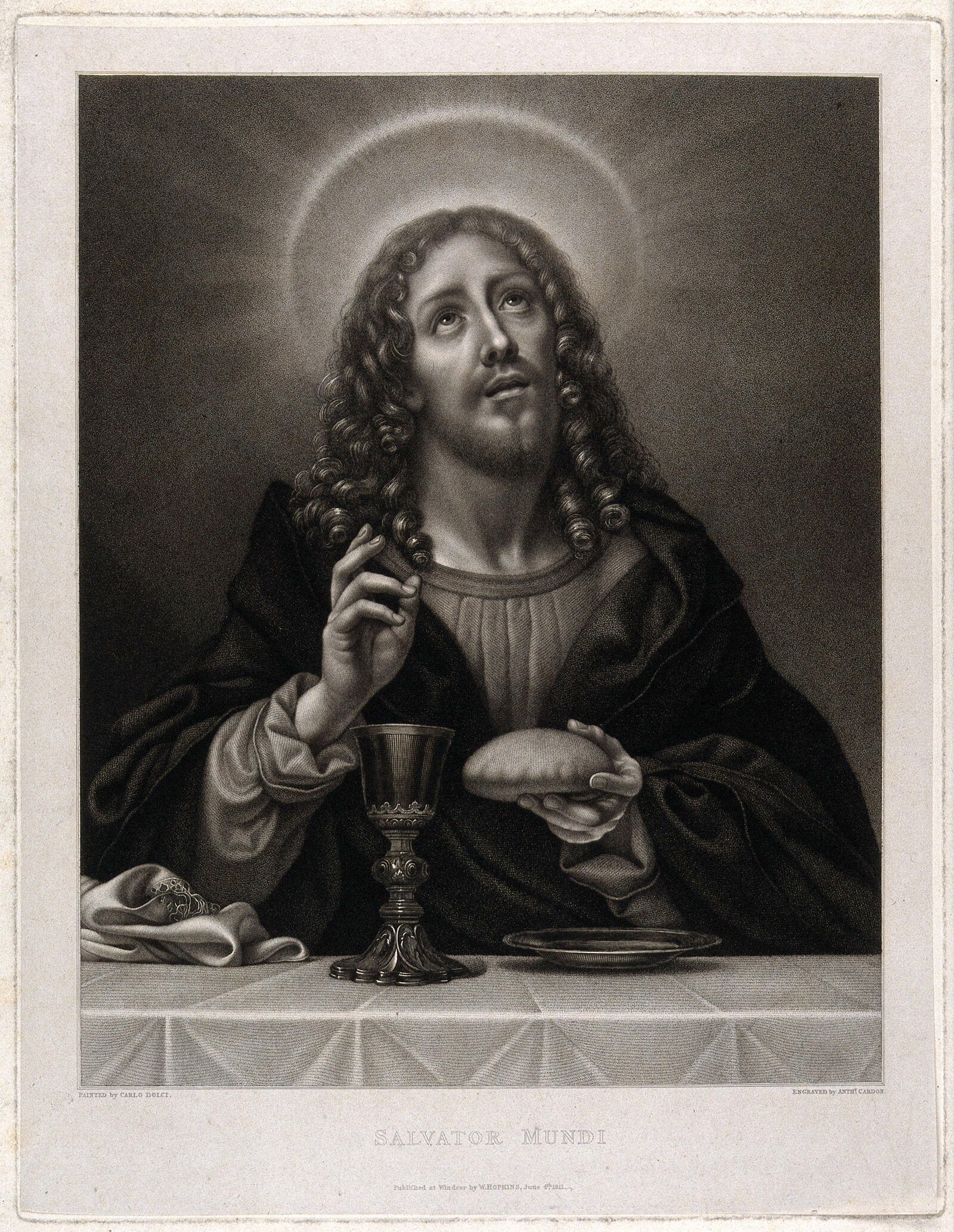
Jesus Christ blessing the Host
Carlo Dolci (painting); Anth. Cardon (engraving) · 4 June 1811
 Painting
Secondary source
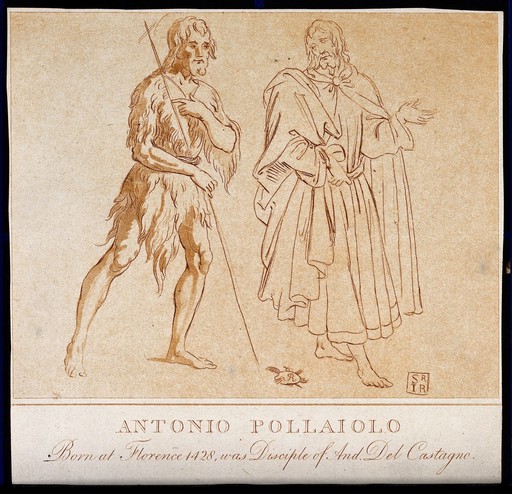
John the Baptist Meets Jesus Christ
Antonio Pollaiuolo
Ready when you are
Start chatting with Jesus Christ now.
20 messages free · No credit card · Available in 50+ languages.