


Secondary sourcePainting1849-1850
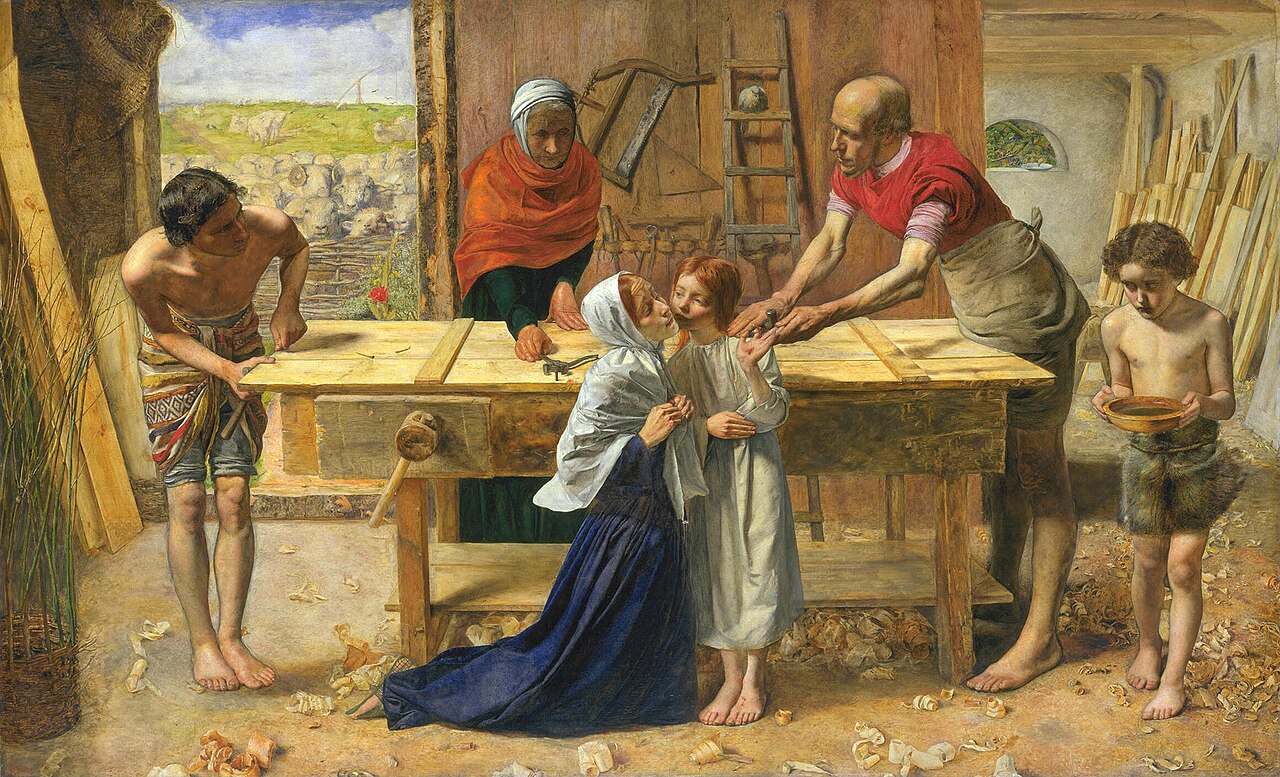
Christ in the House of His Parents
John Everett Millais · 1849-1850
Millais's controversial 1849 painting showing the boy Jesus injured in Joseph's carpentry workshop, foreshadowing the crucifixion.
Depicts the boy Jesus injured in Joseph's workshop, a rare imagined scene of his hidden childhood.
About this source
What it is
This painting by John Everett Millais, made 1849–50, shows the young Jesus in Saint Joseph's workshop after cutting his hand on a nail. It is now at Tate Britain in London.
Why it matters
Jesus's wound and the blood on his foot symbolically foreshadow the crucifixion, while figures such as Mary, Joseph, Anne, and the young John the Baptist surround him with symbolic objects referring to Christian belief. The painting caused a scandal for its realistic, unidealised depiction of the Holy Family, with critic Charles Dickens attacking it harshly. The controversy made the Pre-Raphaelite Brotherhood famous and sparked debate about realism in religious art.
Look closer
- What symbols can you find in the background, and what might they represent?
- Why do you think critics were upset by how ordinary and realistic the figures look?
- How does this image of Jesus's childhood differ from other paintings of him?
This painting is part of the curated material that grounds the AI version of Jesus Christ on Humy.ai — when students ask about related events, the AI can quote it and cite it.
More Jesus Christ sources
Meet the AI Jesus Christ →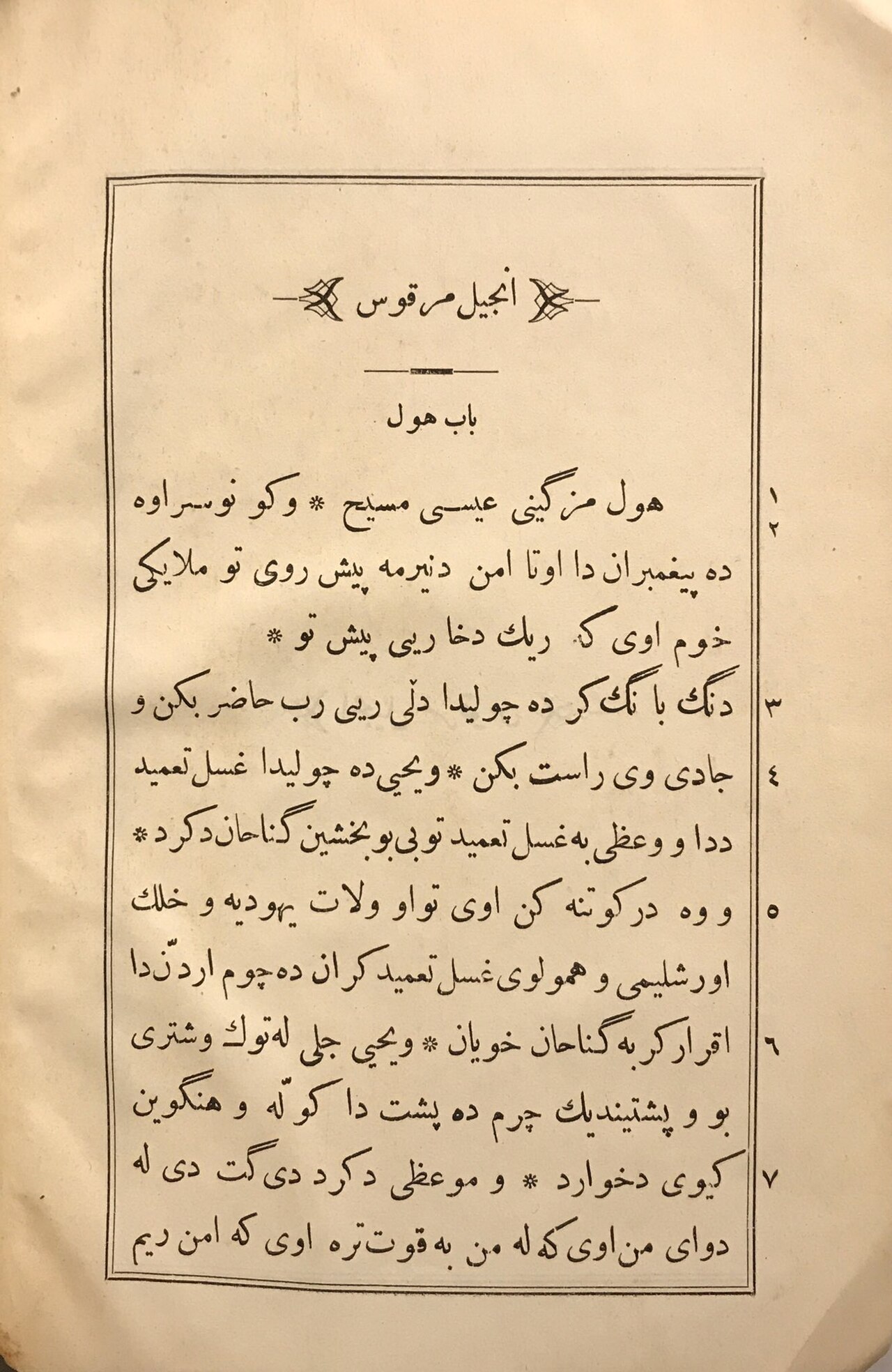 Book
Secondary source
Gospel of Mark
Mark the Evangelist · c. AD 66-75
 Artifact
Secondary source
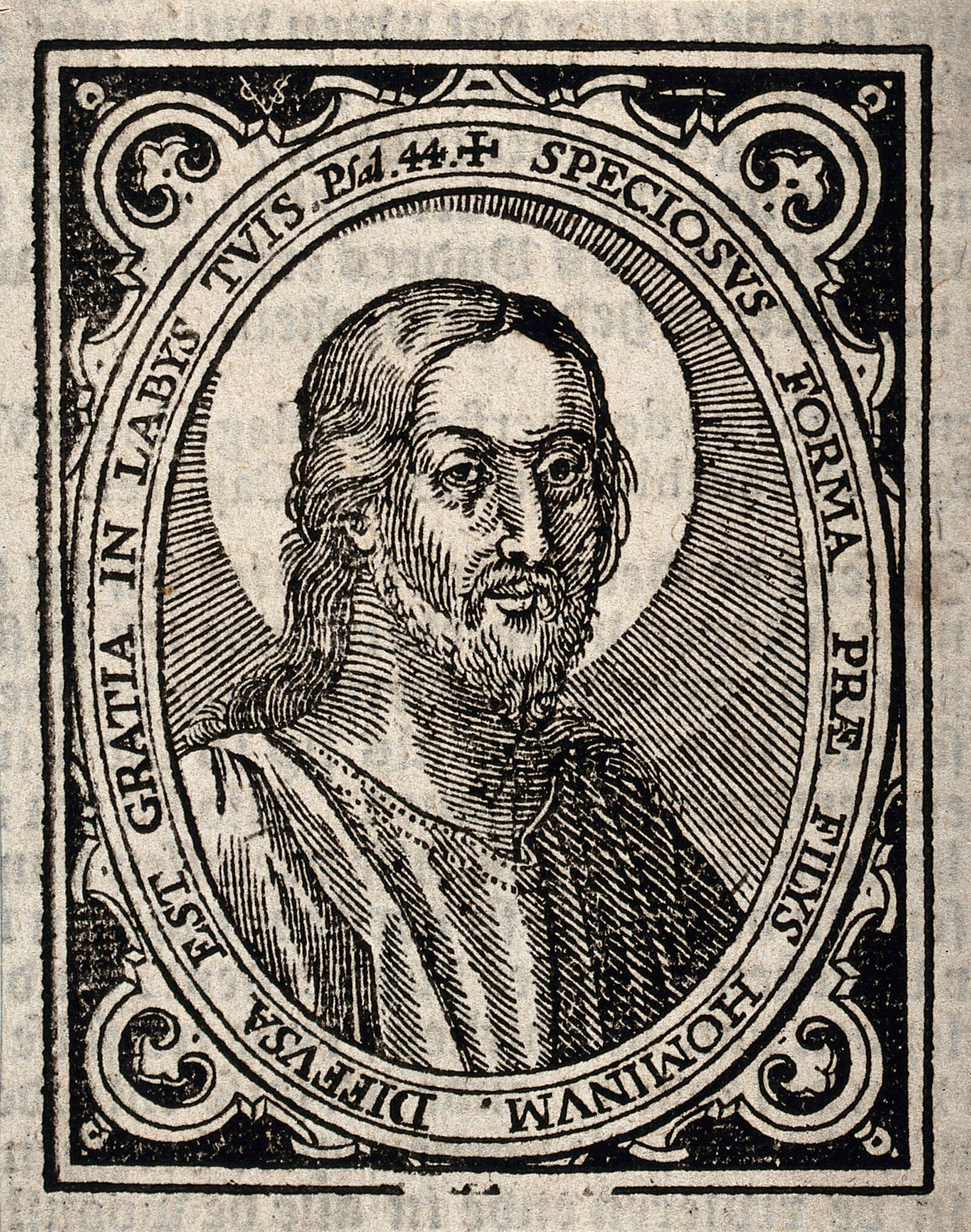
Jesus Christ, woodcut by Christoffel van Sichem III
Christoffel van Sichem III · c. 1645
 Book
Secondary source
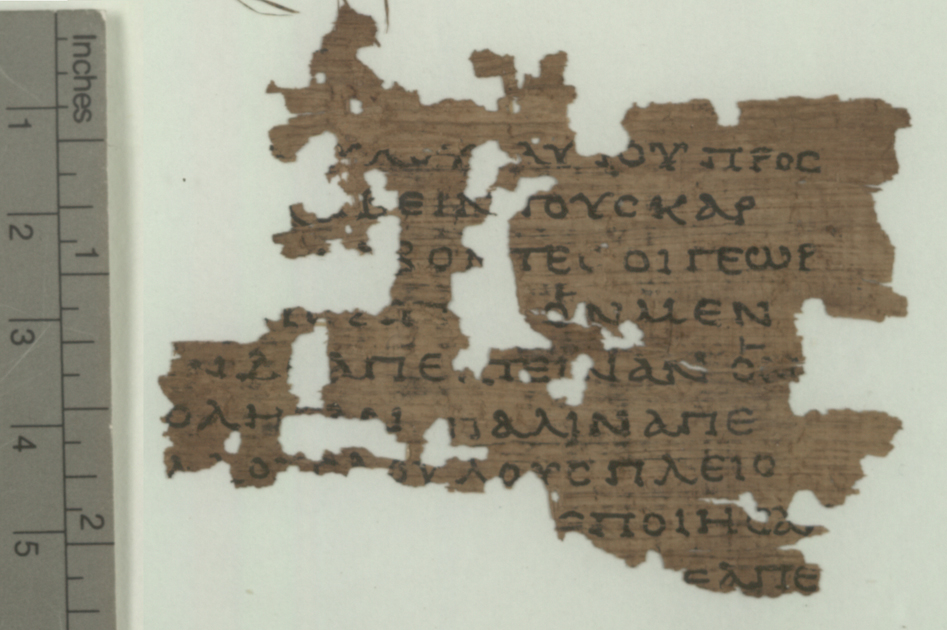
Gospel of Matthew
Matthew the Apostle · late 1st century AD
 Painting
Secondary source
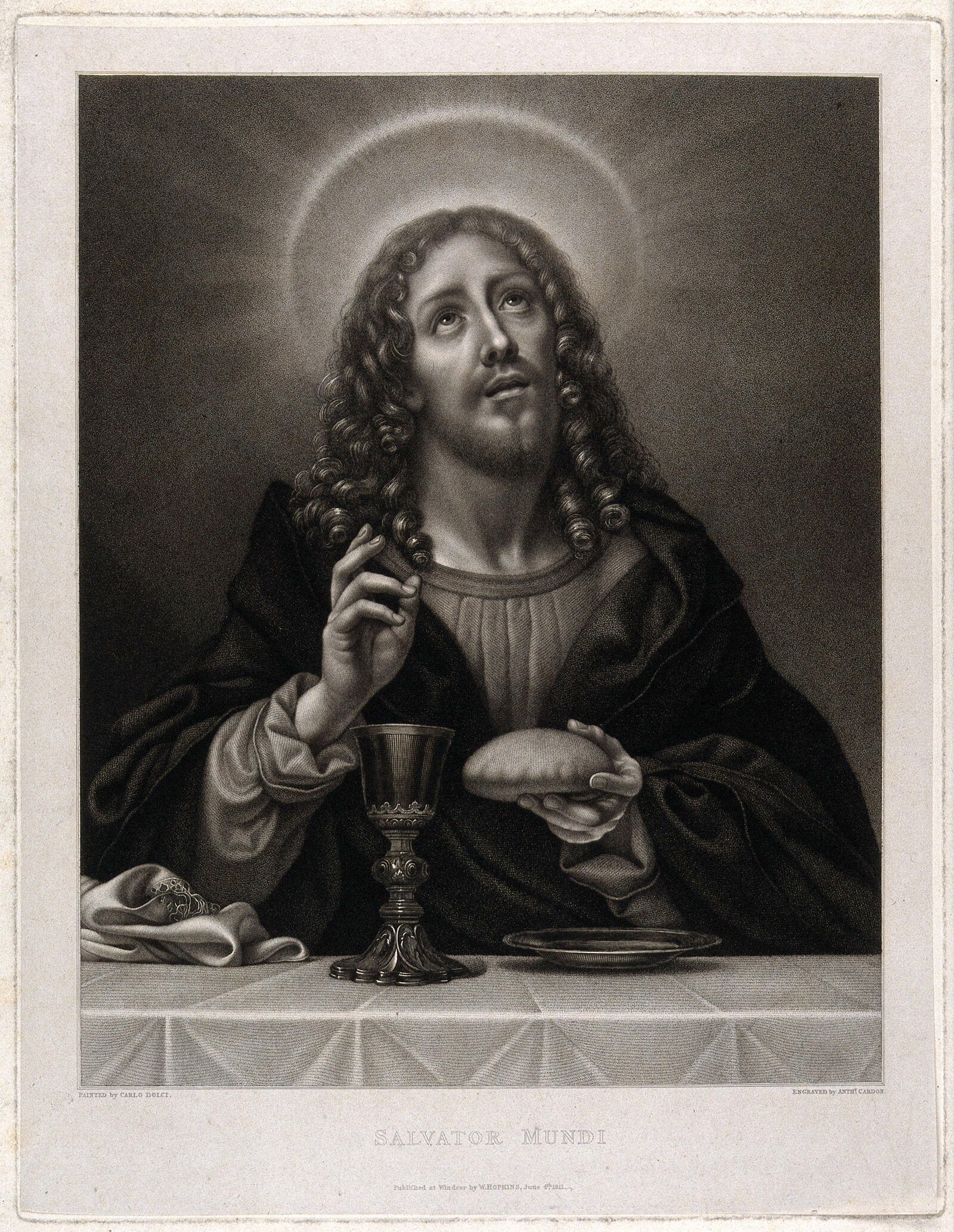
Jesus Christ blessing the Host
Carlo Dolci (painting); Anth. Cardon (engraving) · 4 June 1811
 Painting
Secondary source
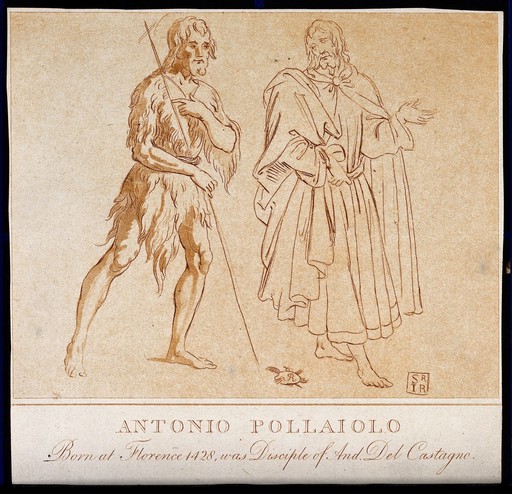
John the Baptist Meets Jesus Christ
Antonio Pollaiuolo
Ready when you are
Start chatting with Jesus Christ now.
20 messages free · No credit card · Available in 50+ languages.