


Secondary sourcePaintingc. 6th century AD
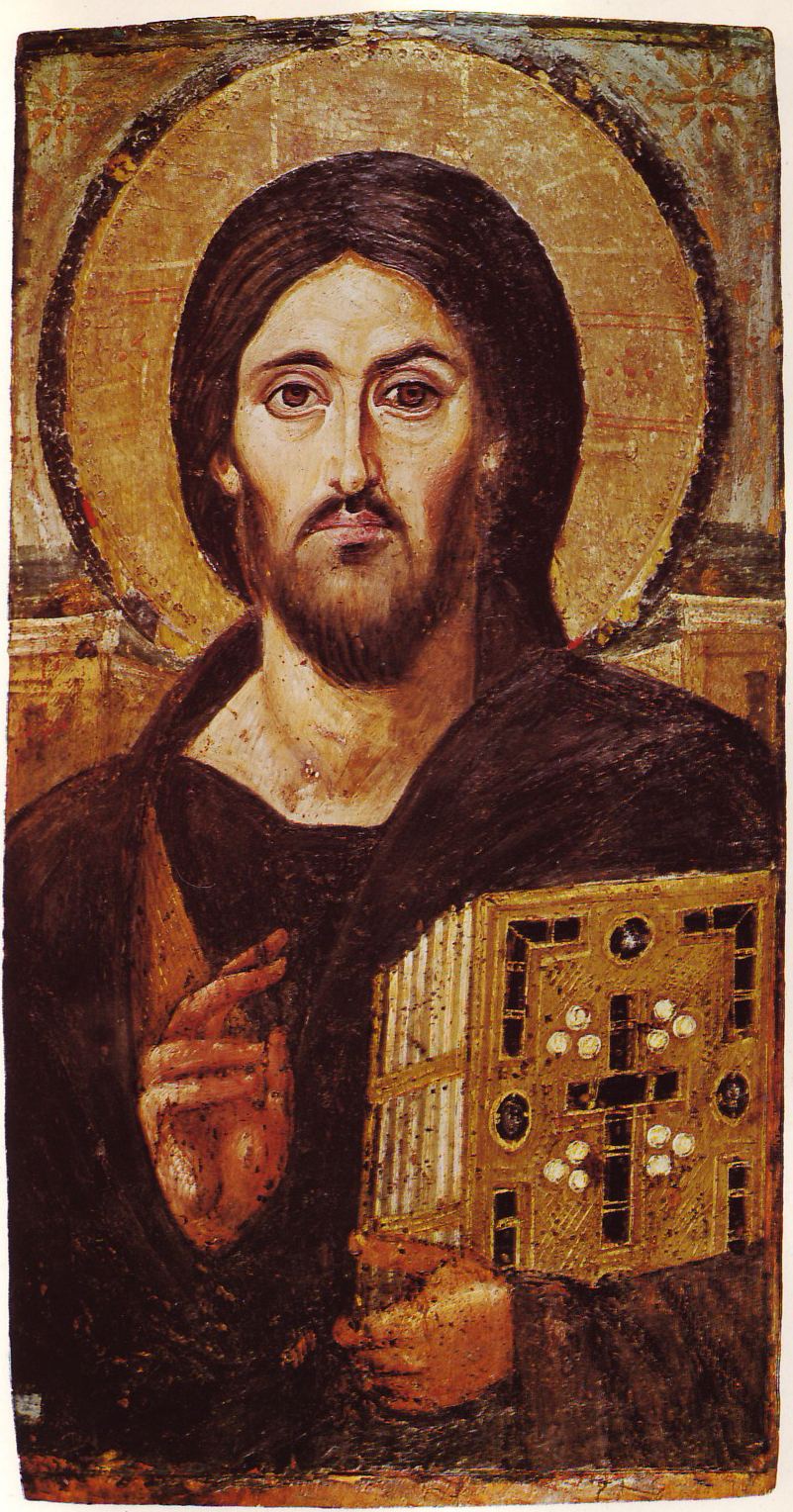
Christ Pantocrator (Sinai)
c. 6th century AD
One of the oldest surviving icons of Jesus, painted around the 6th century, which fixed the bearded image of Christ as both human and divine.
This icon is one of the earliest surviving images of Jesus, establishing the visual type later Christian art followed.
About this source
What it is
This icon, kept at Saint Catherine's Monastery in the Sinai Peninsula, shows Jesus as Pantocrator, or 'ruler of all'. Painted in encaustic wax around the 6th century, likely in Constantinople, it is the earliest known surviving image of Christ in this pose, raising his right hand in blessing while holding a jewelled Gospel book in his left.
Why it matters
Art historians see the icon's slightly asymmetrical face as a deliberate way of showing Jesus's two natures, divine and human, a question much debated by Christian councils in the centuries before it was painted. Because Sinai was far from the conflicts over religious images that destroyed many icons elsewhere, this painting survived to become a model for how Christ was later shown in Christian art for centuries.
Look closer
- What details in the face and gestures might signal 'divine' versus 'human' to a viewer?
- Why do you think this image survived while so many similar early icons did not?
- How does this painted image differ from how the Gospels themselves describe Jesus's appearance?
This painting is part of the curated material that grounds the AI version of Jesus Christ on Humy.ai — when students ask about related events, the AI can quote it and cite it.
More Jesus Christ sources
Meet the AI Jesus Christ → Book
Secondary source
Gospel of Mark
Mark the Evangelist · c. AD 66-75
 Artifact
Secondary source
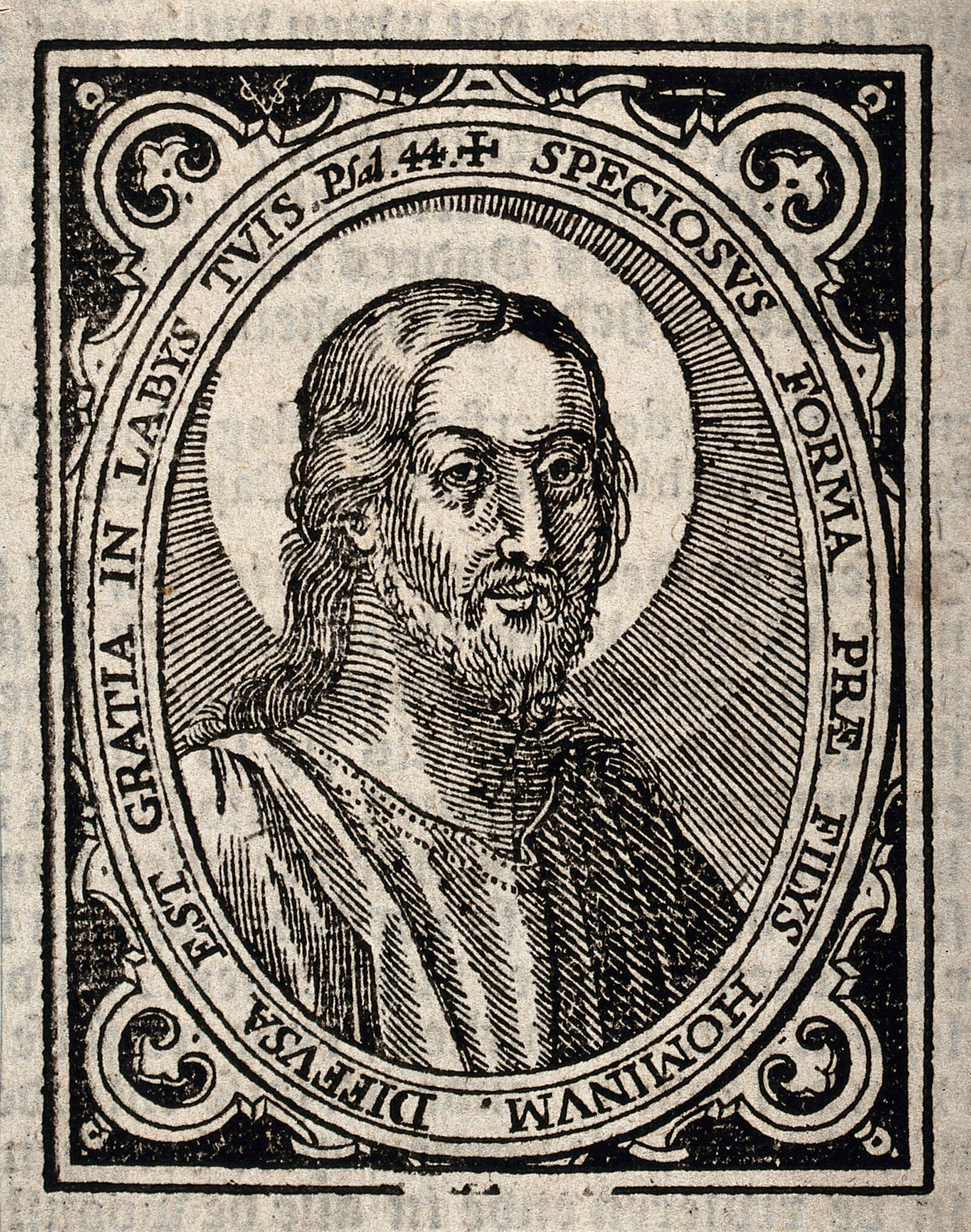
Jesus Christ, woodcut by Christoffel van Sichem III
Christoffel van Sichem III · c. 1645
 Book
Secondary source
Gospel of Matthew
Matthew the Apostle · late 1st century AD
 Painting
Secondary source
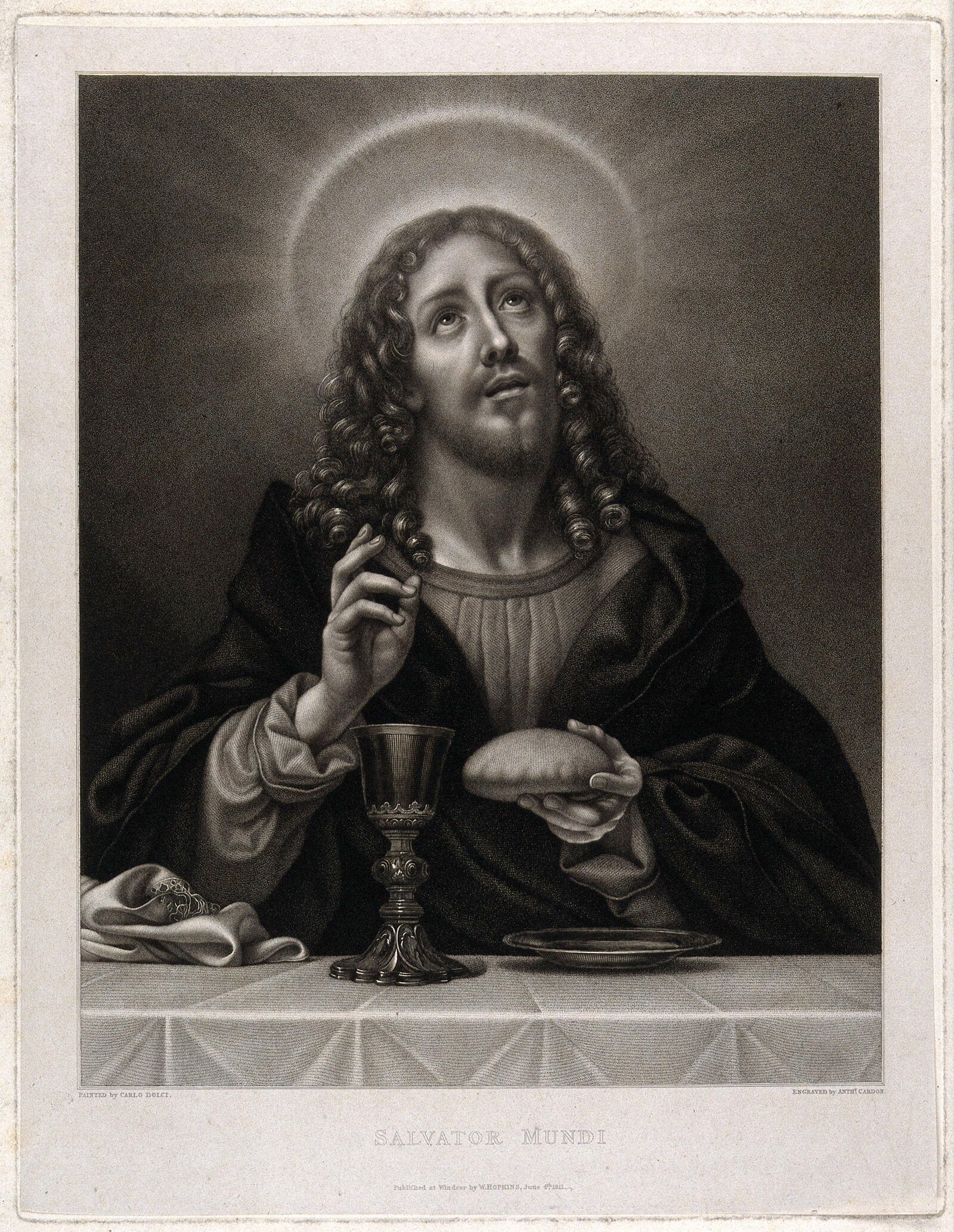
Jesus Christ blessing the Host
Carlo Dolci (painting); Anth. Cardon (engraving) · 4 June 1811
 Painting
Secondary source
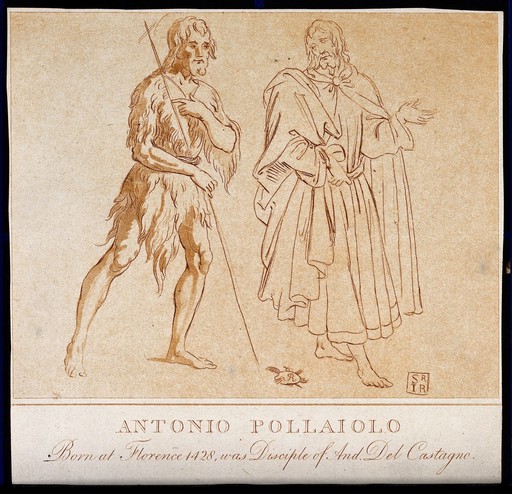
John the Baptist Meets Jesus Christ
Antonio Pollaiuolo
Ready when you are
Start chatting with Jesus Christ now.
20 messages free · No credit card · Available in 50+ languages.