


Secondary sourceArtifact501
Church of the Holy Apostles
Anthemius of Tralles and Isidorus of Miletus · 501
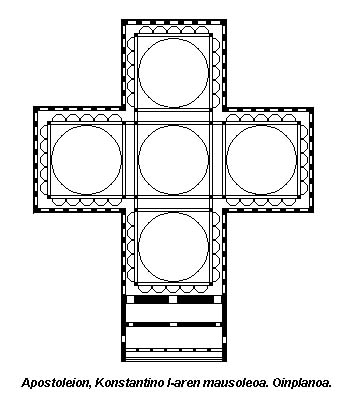
The imperial burial church Justinian rebuilt in Constantinople, where he was entombed in 565.
Justinian rebuilt this church as his family's mausoleum and was buried there in 565.
About this source
What it is
The Church of the Holy Apostles was a Byzantine church in Constantinople, originally built by Constantine the Great and rebuilt under Justinian I. It was designed by Anthemius of Tralles and Isidorus of Miletus, the same architects who rebuilt Hagia Sophia, and consecrated in 550.
Why it matters
Justinian rebuilt this church as the empire's imperial mausoleum, and he was buried there after his death in 565. Its cruciform design influenced later buildings, including St Mark's Basilica in Venice. The church was demolished after the Ottoman conquest of Constantinople in 1453, so it survives only through descriptions and plans.
Look closer
- Why might an emperor want to be buried in a church he rebuilt himself?
- What does the copying of its design in St Mark's Basilica suggest about Byzantine influence on other cultures?
- What is lost when a building like this survives only as a floor plan rather than standing architecture?
This artifact is part of the curated material that grounds the AI version of Justinian I on Humy.ai — when students ask about related events, the AI can quote it and cite it.
More Justinian I sources
Meet the AI Justinian I →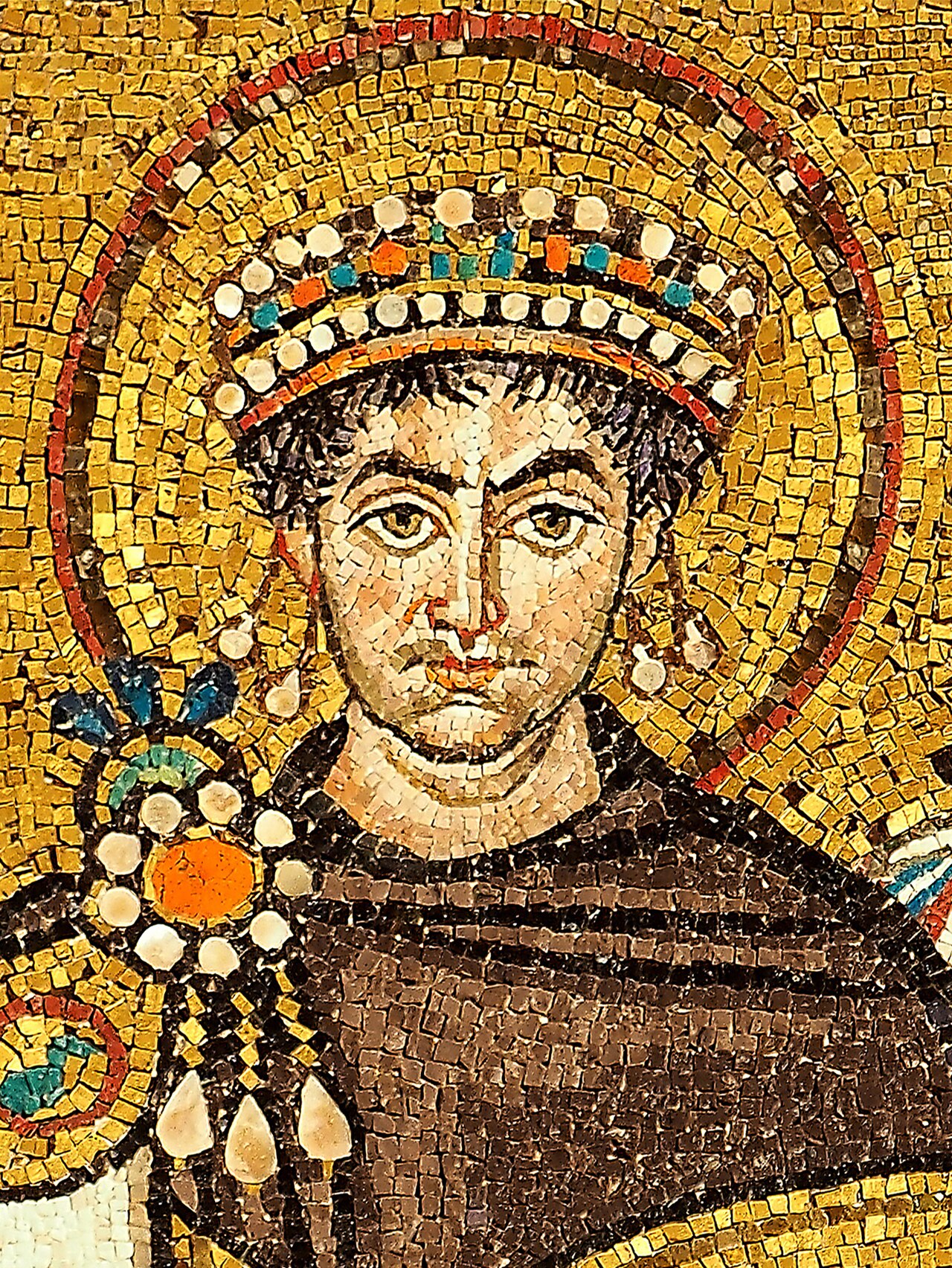 Artifact
Primary source
Portrait of Justinian I, San Vitale Mosaic
Byzantine mosaicists · c. 547
 Painting
Secondary source
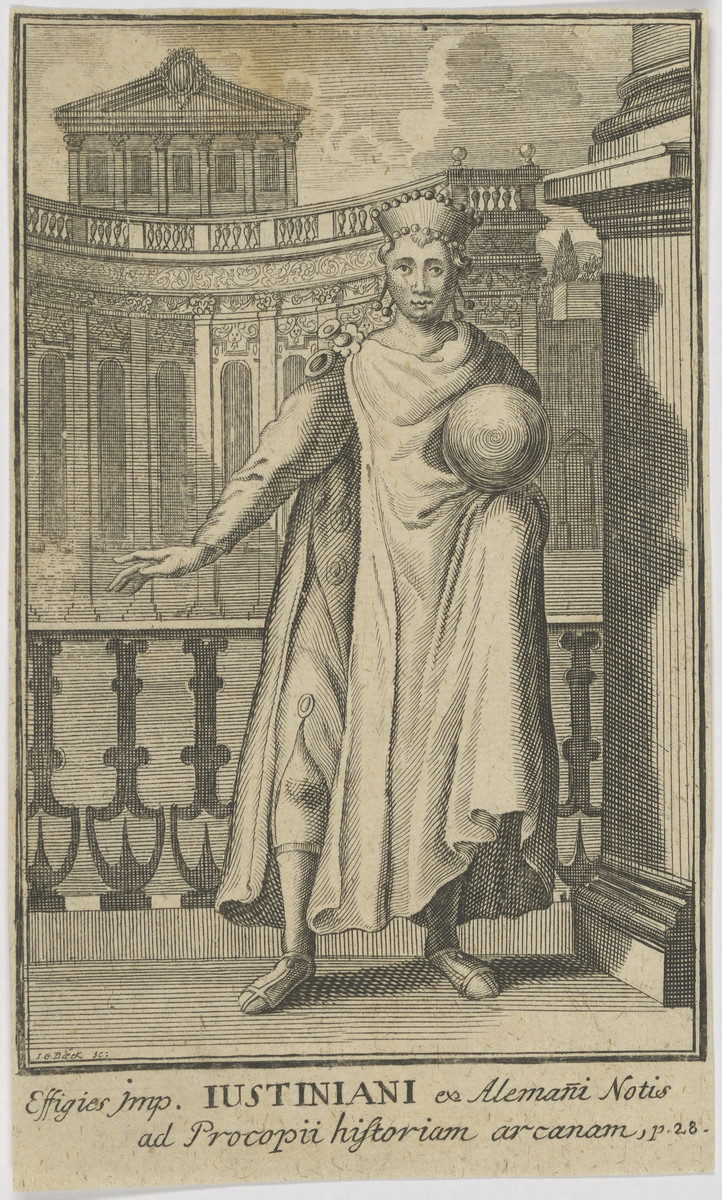
Portrait of Emperor Justinian
Johann Friedrich Böck
 Document
Primary source
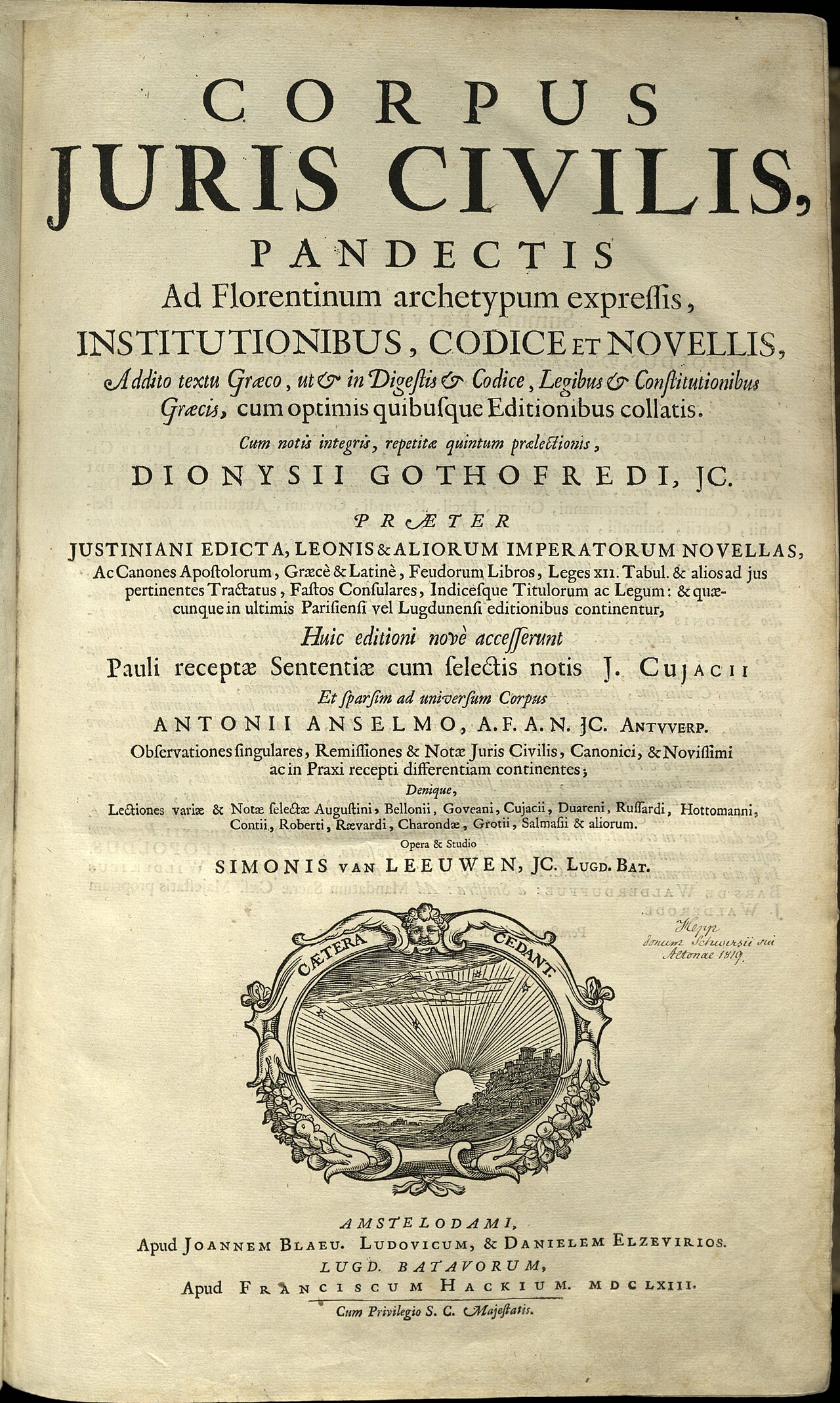
Corpus Juris Civilis
Tribonian · 528-534
 Artifact
Primary source
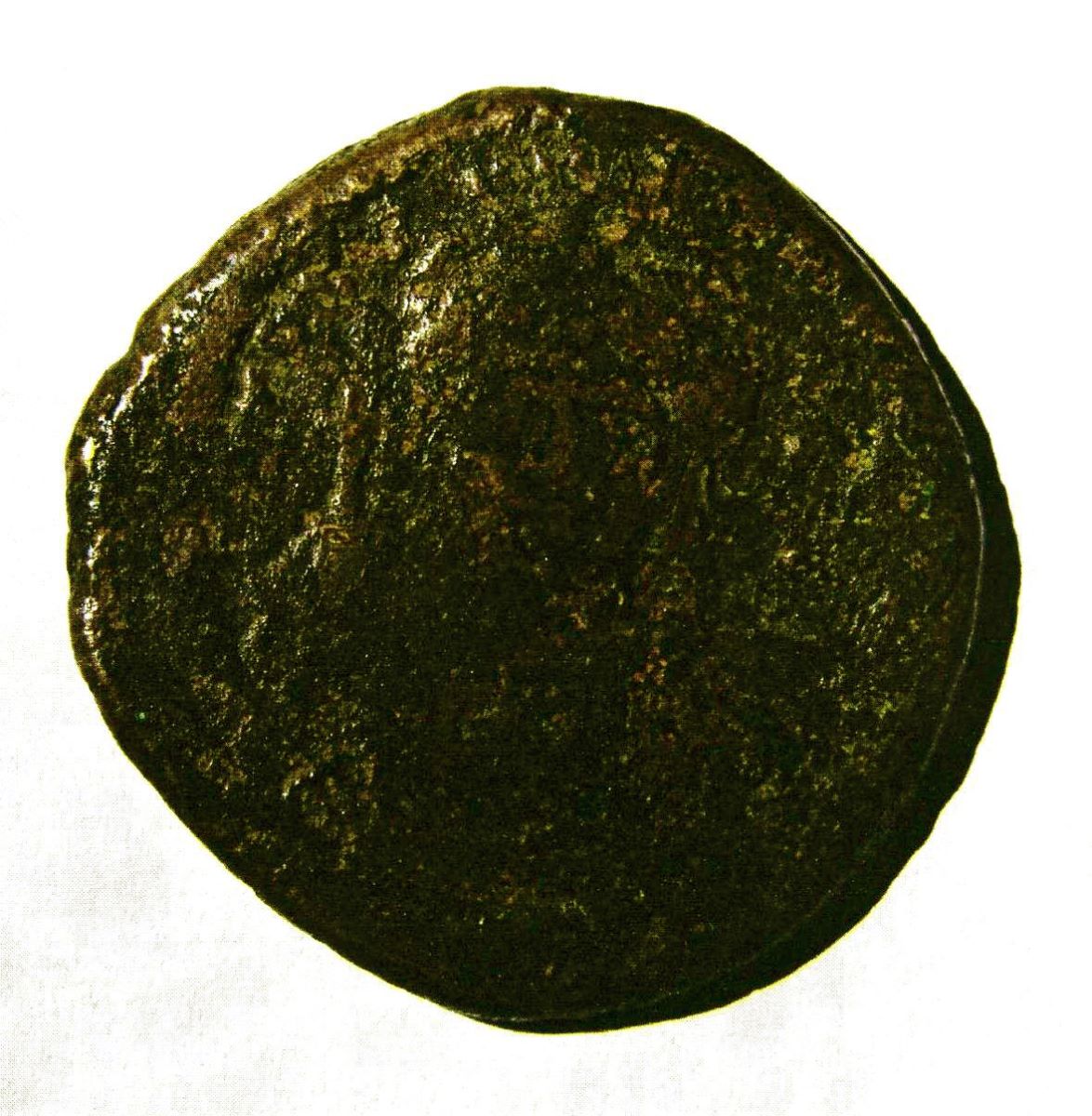
Bronze Follis of Justinian I with Globus Cruciger
 Artifact
Secondary source
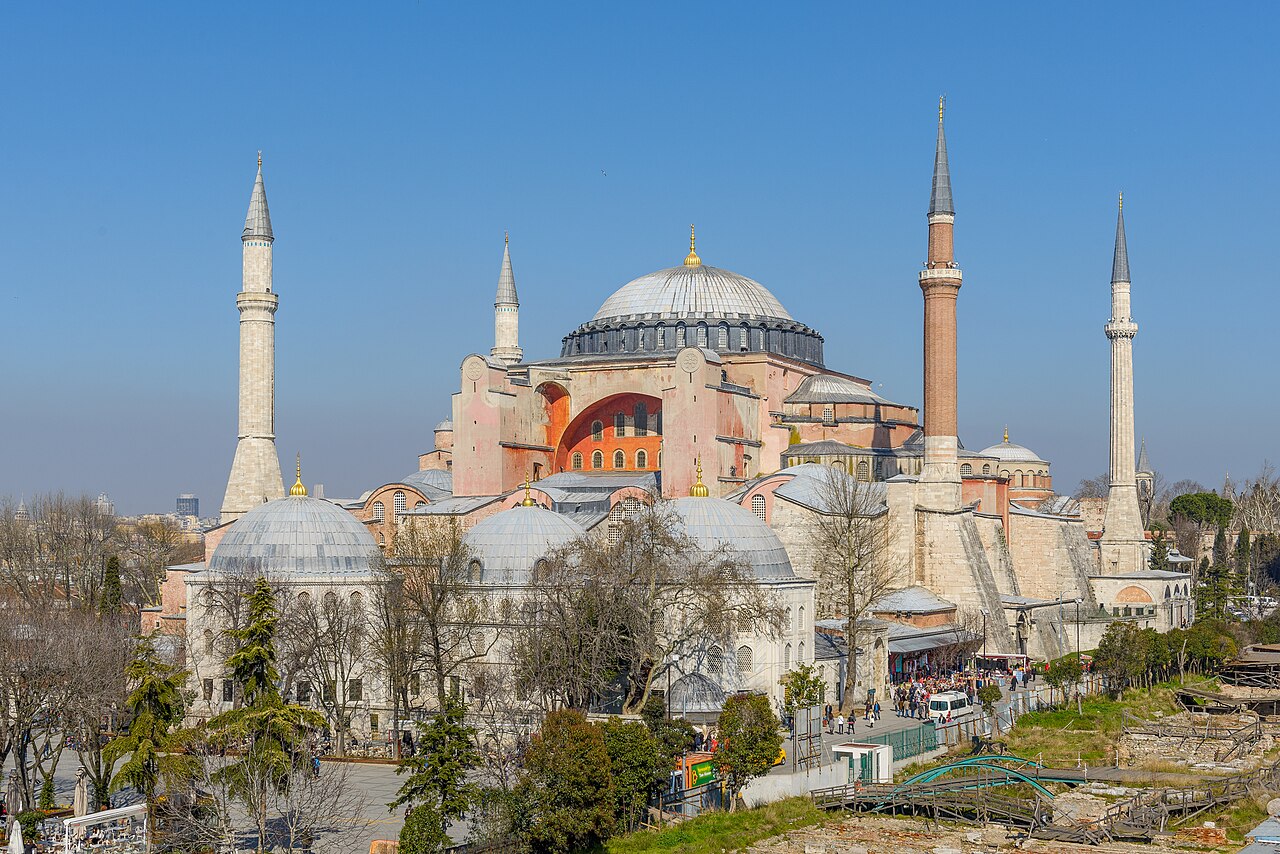
Hagia Sophia
Isidore of Miletus and Anthemius of Tralles · 532-537 CE
Ready when you are
Start chatting with Justinian I now.
20 messages free · No credit card · Available in 50+ languages.