


Secondary sourceDocument
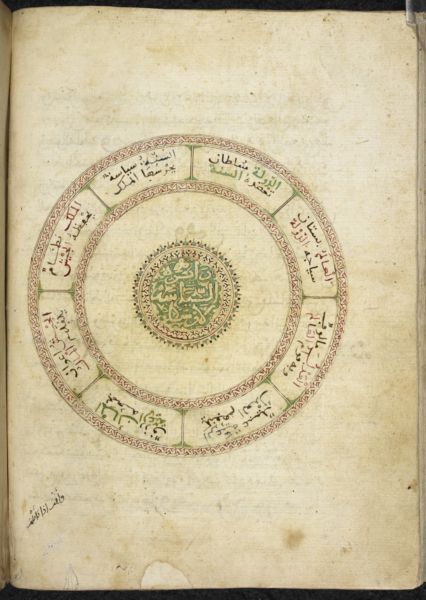
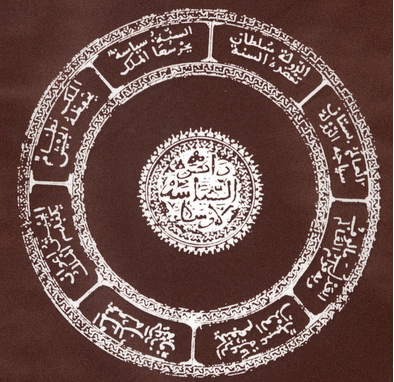
Circle of Policy Diagram in the Muqaddimah
A circular diagram copied into a manuscript of Ibn Khaldun's Muqaddimah, showing his idea of how ruler, army, wealth and subjects depend on one another.
This diagram, copied from Ibn Khaldun's Muqaddimah, illustrates his theory of the interdependence of ruler, army, wealth and subjects.
About this source
What it is
This page comes from a manuscript of Ibn Khaldun's Muqaddimah held by the British Library (Add. 9574). It contains a circular diagram, often called the 'Circle of Justice' or 'Circle of Policy,' which was copied into the text by a scribe to illustrate Ibn Khaldun's ideas.
Why it matters
The diagram visualises one of Ibn Khaldun's central arguments: that a ruler needs an army, an army needs wealth, wealth comes from subjects, and subjects need justice from the ruler to prosper — a cycle that keeps a state stable. This idea, drawn from older political thought, shows how Ibn Khaldun connected governance, economics and social order in his historical theory.
Look closer
- What do the different rings and segments of the circle seem to represent?
- Why might a scribe have added a diagram rather than just writing out the idea in words?
- What might this diagram simplify or leave out about how real states actually worked?
This document is part of the curated material that grounds the AI version of Ibn Khaldun on Humy.ai — when students ask about related events, the AI can quote it and cite it.
More Ibn Khaldun sources
Browse all 56 →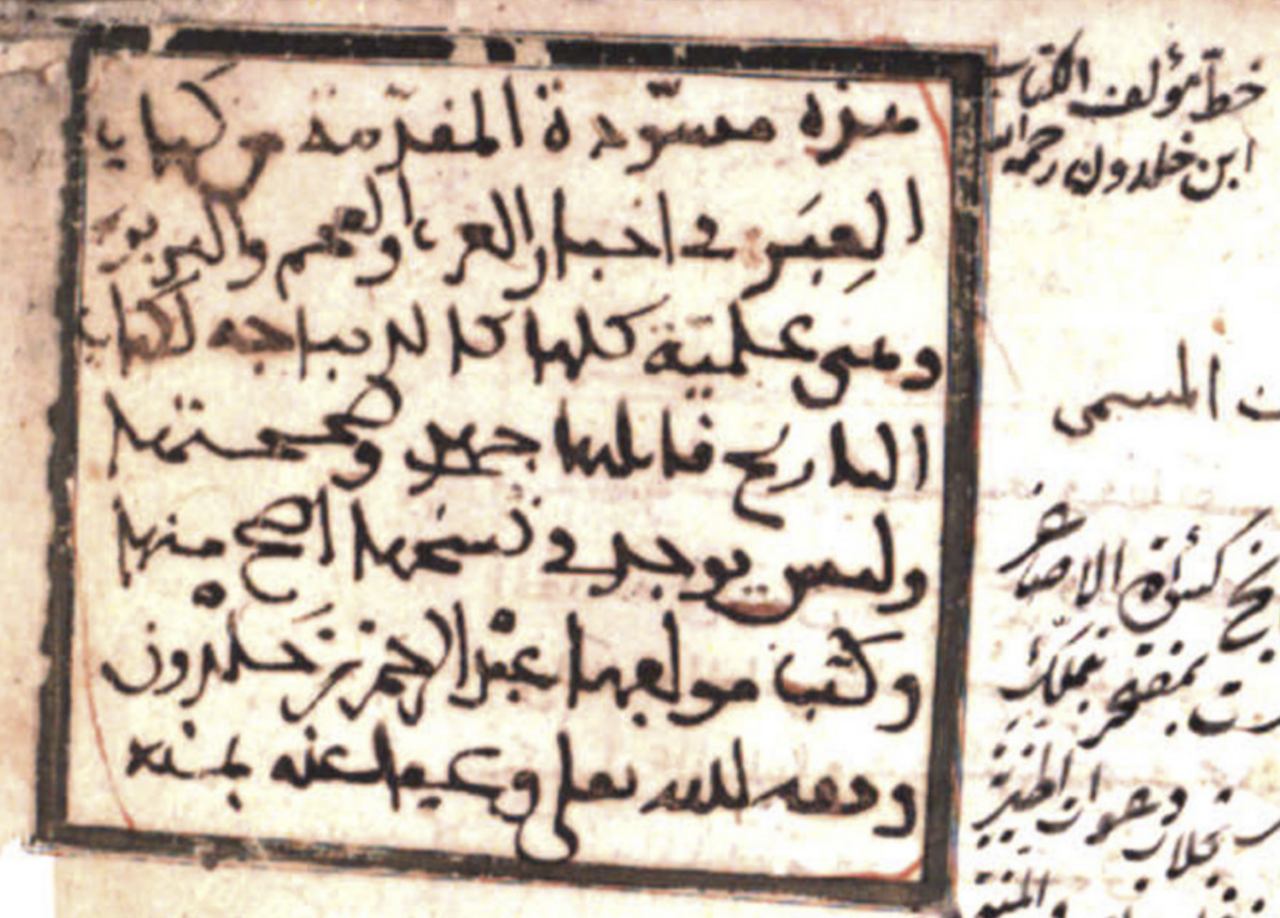 Book
Primary source
Muqaddimah Manuscript, MS Atıf Efendi 1936
Ibn Khaldūn
 Artifact
Secondary source
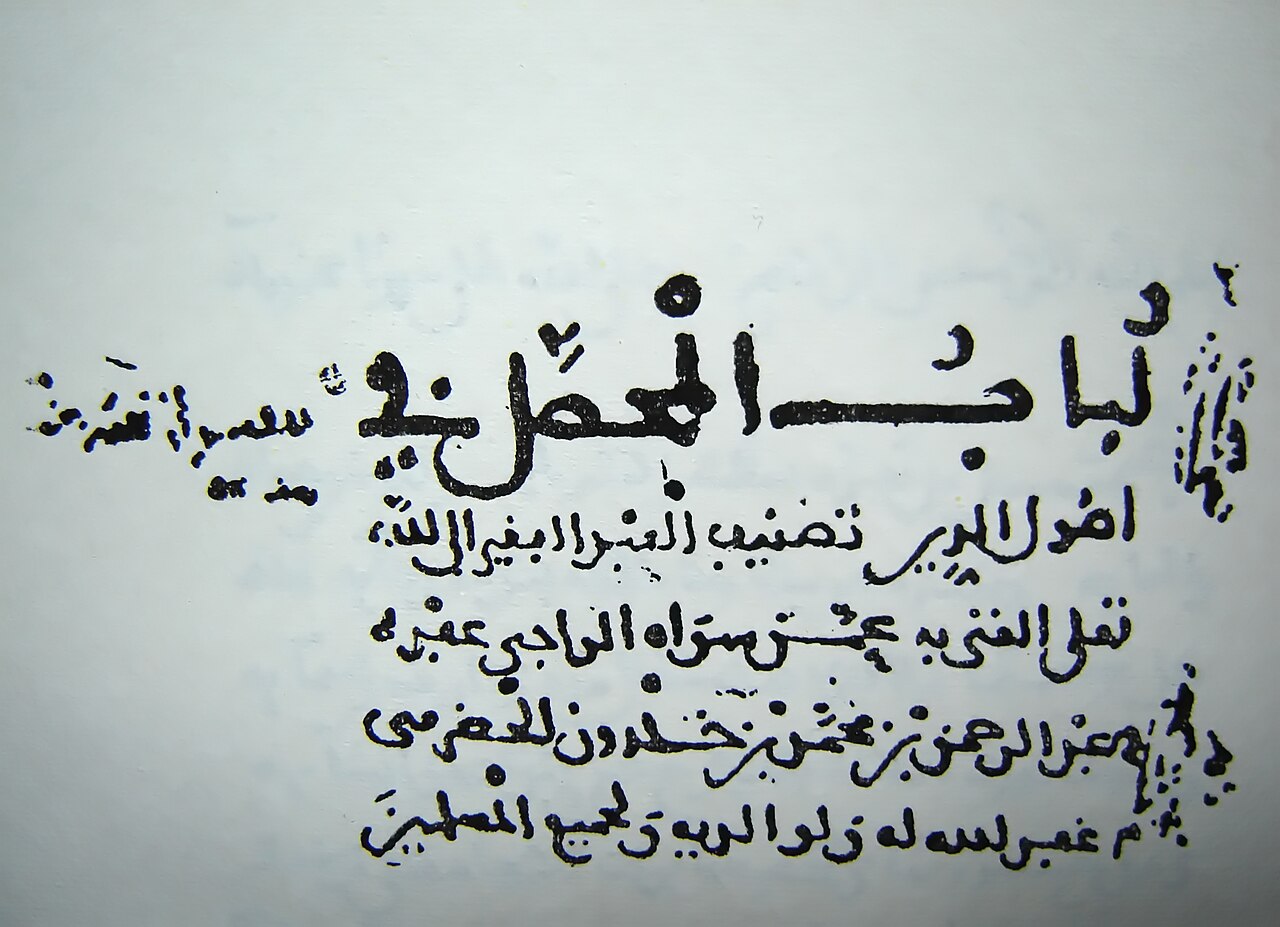
Lubab al-Muhassal manuscript page
Ibn Khaldun
 Artifact
Secondary source
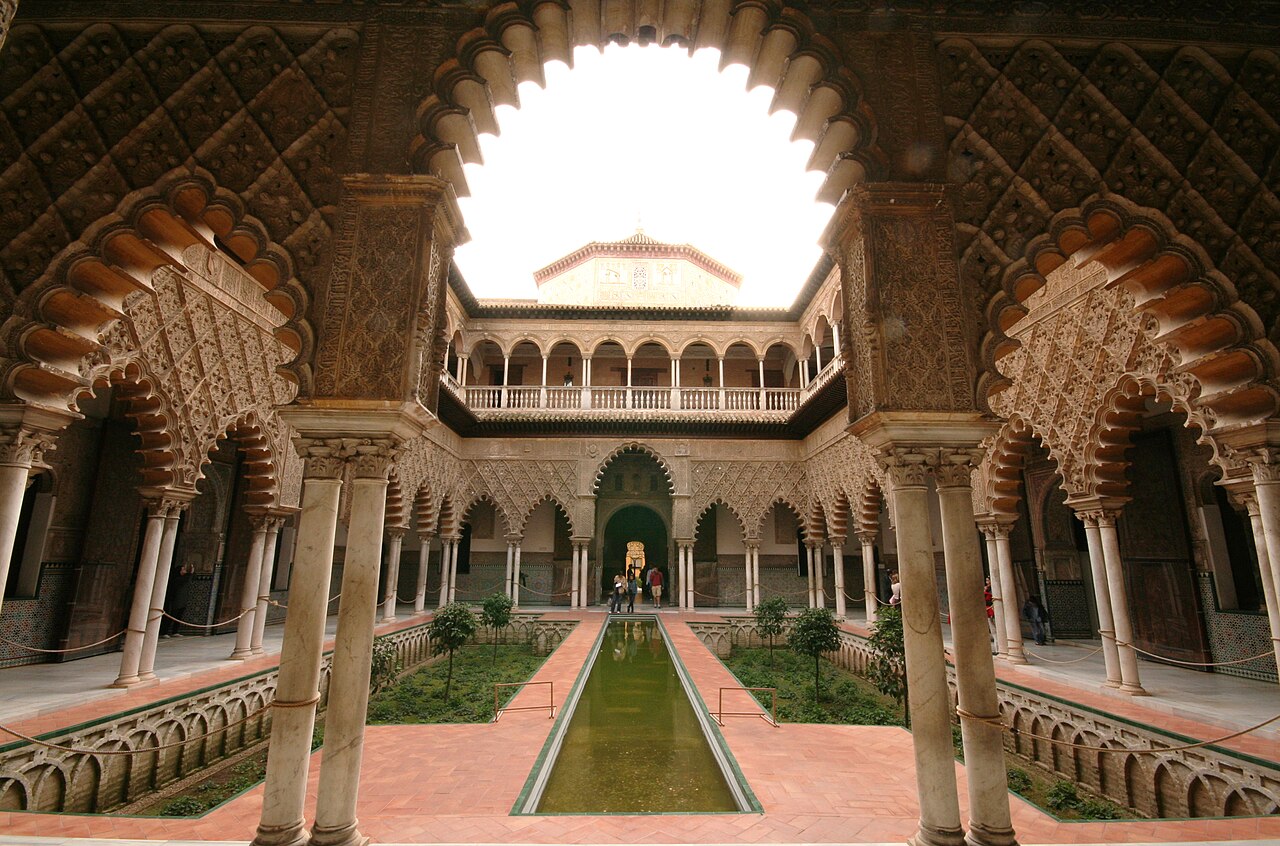
Royal Alcázar of Seville
begun 1364
 Artifact
Secondary source
Political circle diagram from a Muqaddimah manuscript
Ibn Khaldun

Free account
Read every Ibn Khaldun source
Sign up free →
Ready when you are
Start chatting with Ibn Khaldun now.
20 messages free · No credit card · Available in 50+ languages.