


Secondary sourceArtifactbegun 1364
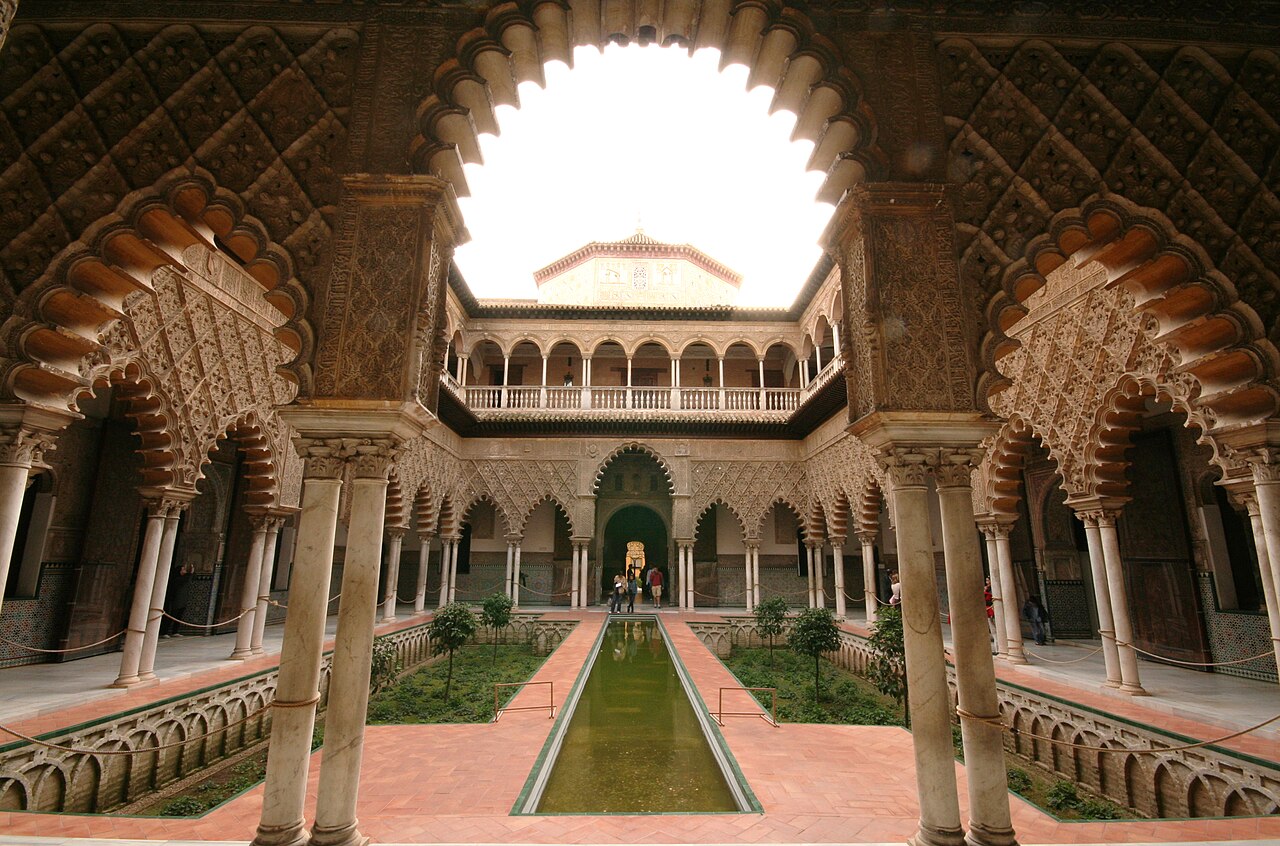
Royal Alcázar of Seville
begun 1364
The Mudéjar royal palace in Seville, built from 1364, the same year Ibn Khaldun visited the city as an envoy from Granada.
Ibn Khaldun visited Seville as Granada's envoy in 1364, the year this palace was begun, and reportedly refused Pedro's offer of his ancestral lands.
About this source
What it is
The Royal Alcázar of Seville is a historic palace complex, with its most famous Mudéjar section built from 1364 under Pedro I of Castile. It began as an Islamic-era citadel and was rebuilt many times by different rulers.
Why it matters
In 1364, the same year this palace was begun, Ibn Khaldun came to Seville as an envoy for the ruler of Granada. According to tradition, Pedro the Cruel offered to restore Ibn Khaldun's ancestral family estates in the region, but Ibn Khaldun refused. The building shows the world of diplomacy and shifting loyalties Ibn Khaldun moved through between Muslim and Christian courts.
Look closer
- What does the mixing of Islamic and Christian styles in this building tell you about relations between Muslim and Christian rulers in this period?
- Why might a Muslim scholar be offered land by a Christian king?
- What does Ibn Khaldun's refusal suggest about his priorities?
This artifact is part of the curated material that grounds the AI version of Ibn Khaldun on Humy.ai — when students ask about related events, the AI can quote it and cite it.
More Ibn Khaldun sources
Browse all 56 →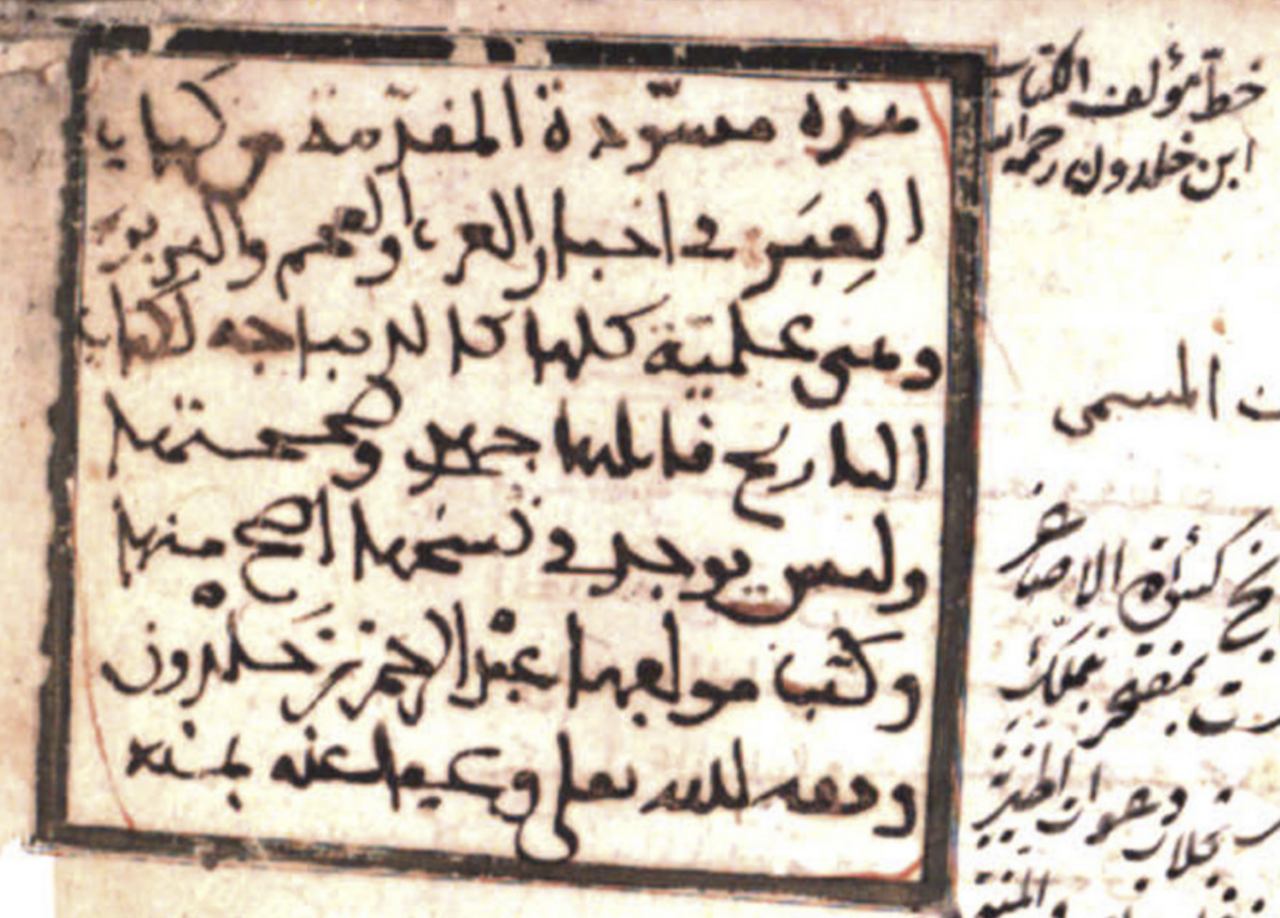 Book
Primary source
Muqaddimah Manuscript, MS Atıf Efendi 1936
Ibn Khaldūn
 Document
Secondary source
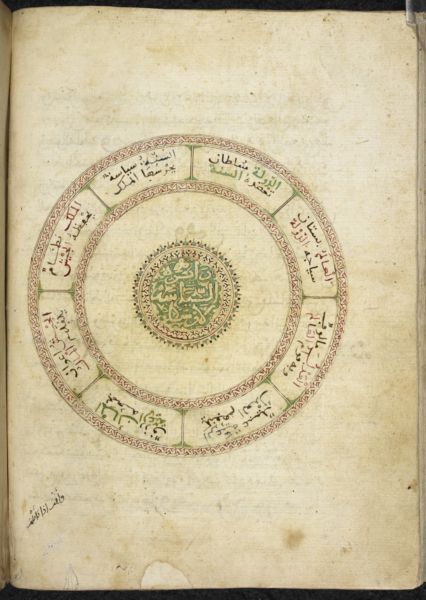
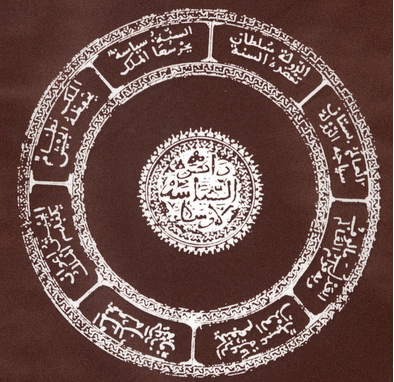
Circle of Policy Diagram in the Muqaddimah
 Artifact
Secondary source
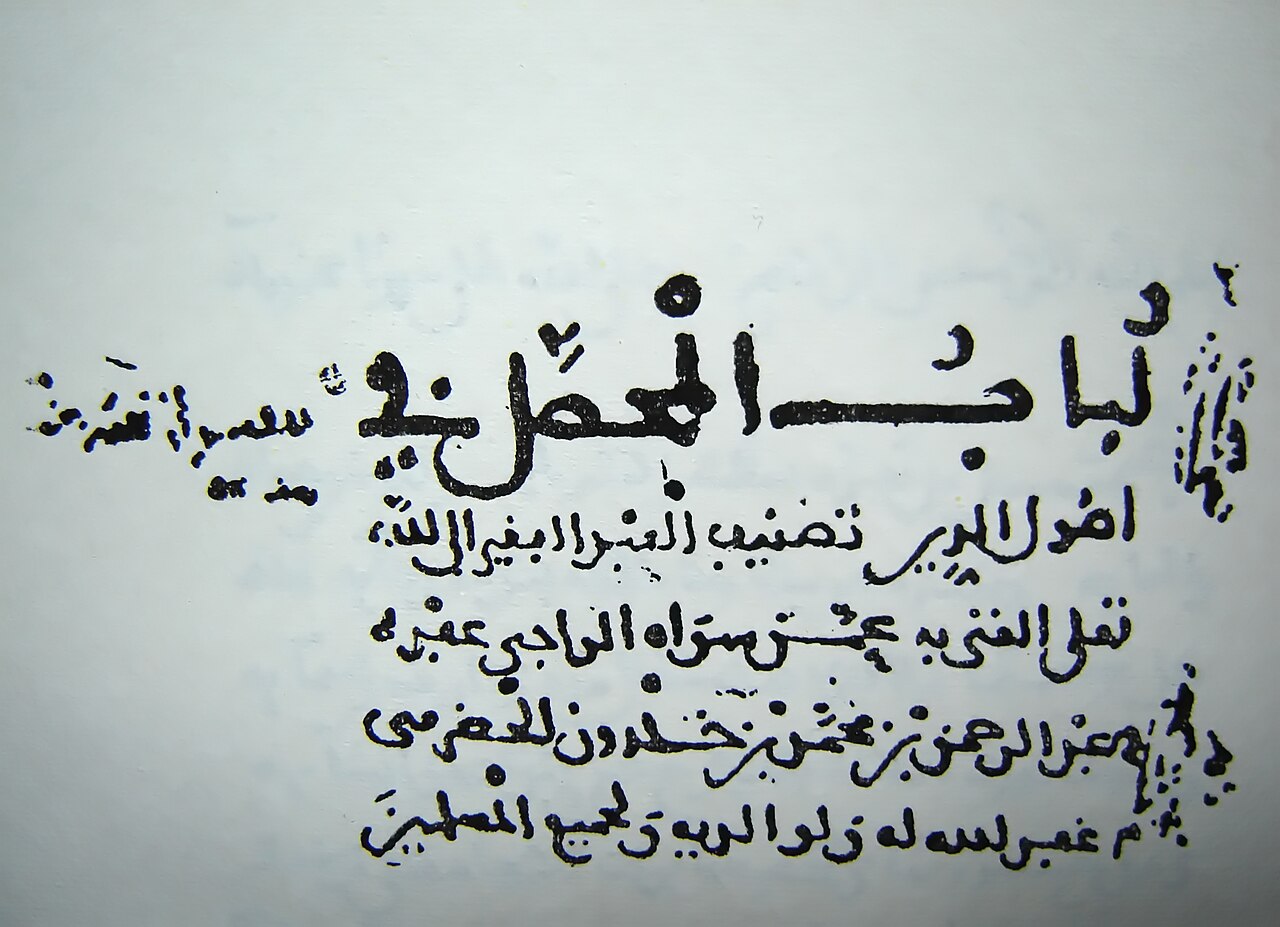
Lubab al-Muhassal manuscript page
Ibn Khaldun
 Artifact
Secondary source
Political circle diagram from a Muqaddimah manuscript
Ibn Khaldun
Free account
Read every Ibn Khaldun source
Sign up free →
Ready when you are
Start chatting with Ibn Khaldun now.
20 messages free · No credit card · Available in 50+ languages.