


Primary sourcePhotograph25 July 1806
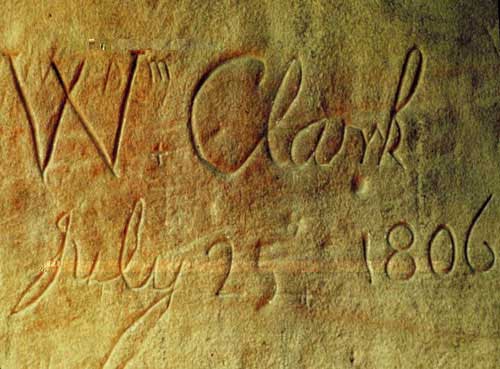
Clark's Signature at Pompeys Pillar
25 July 1806
A photograph of William Clark's name and the date he carved into the sandstone at Pompeys Pillar during the expedition's return journey.
Clark personally carved this signature and date, making it a direct physical trace of his presence on the expedition.
About this source
What it is
This photograph shows an inscription carved into a sandstone rock face reading 'W Clark' with the date 'July 25 1806' beneath it. It marks the spot at what is now Pompeys Pillar National Monument in Montana, where William Clark carved his signature during the expedition's return.
Why it matters
This carving is the only physical trace of the Lewis and Clark Expedition still visible along the route they travelled. It is a direct, physical record made by Clark's own hand, connecting students to the real moment and place of the journey rather than a later retelling.
Look closer
- Why might Clark have wanted to leave a permanent mark at this spot?
- How does seeing an actual carved signature feel different from reading about the expedition in a book?
- What does this inscription NOT tell us about who else was present or what happened that day?
This photograph is part of the curated material that grounds the AI version of William Clark on Humy.ai — when students ask about related events, the AI can quote it and cite it.
More William Clark sources
Meet the AI William Clark →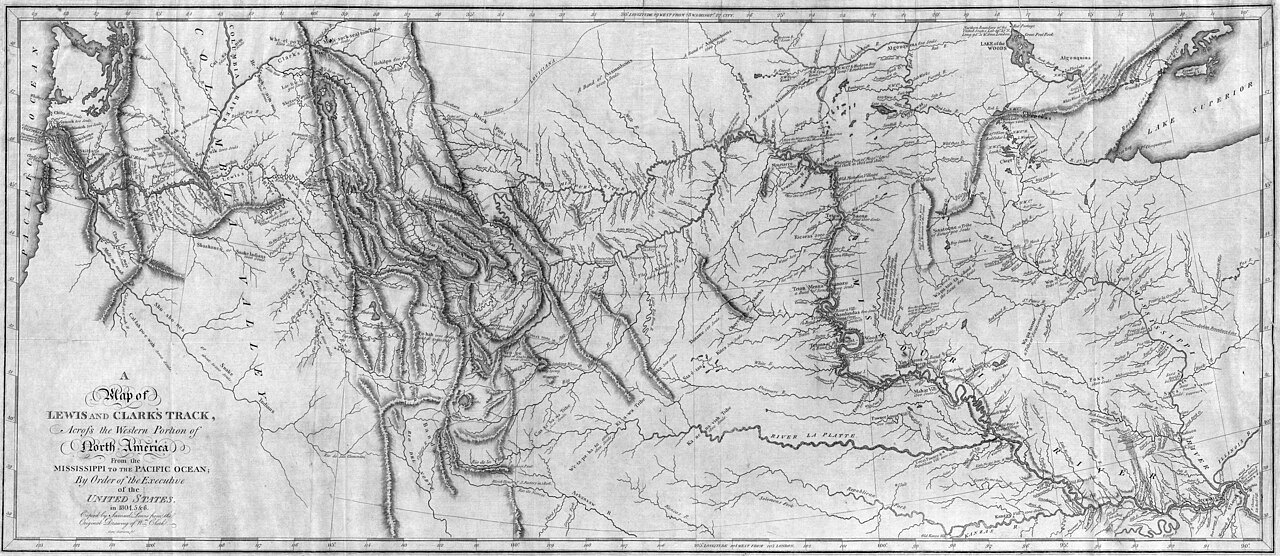 Document
Primary source
A Map of Lewis and Clark's Track Across the Western Portion of North America
William Clark · 1814
 Document
Primary source
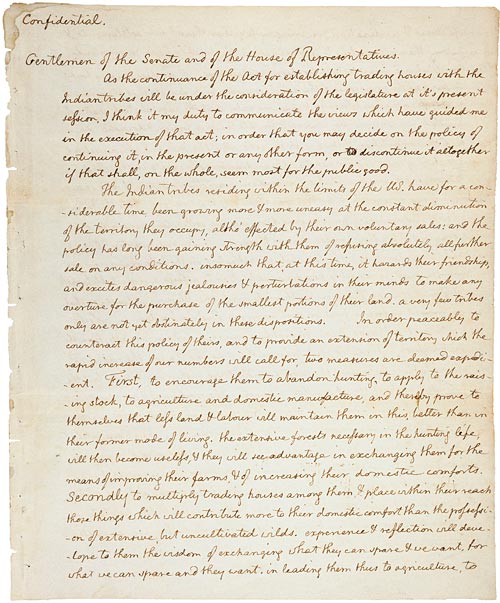
Jefferson's Secret Message to Congress Regarding the Lewis and Clark Expedition
Thomas Jefferson · 18 January 1803
Primary source
Louisiana Purchase Treaty
30 April 1803
 Painting
Primary source
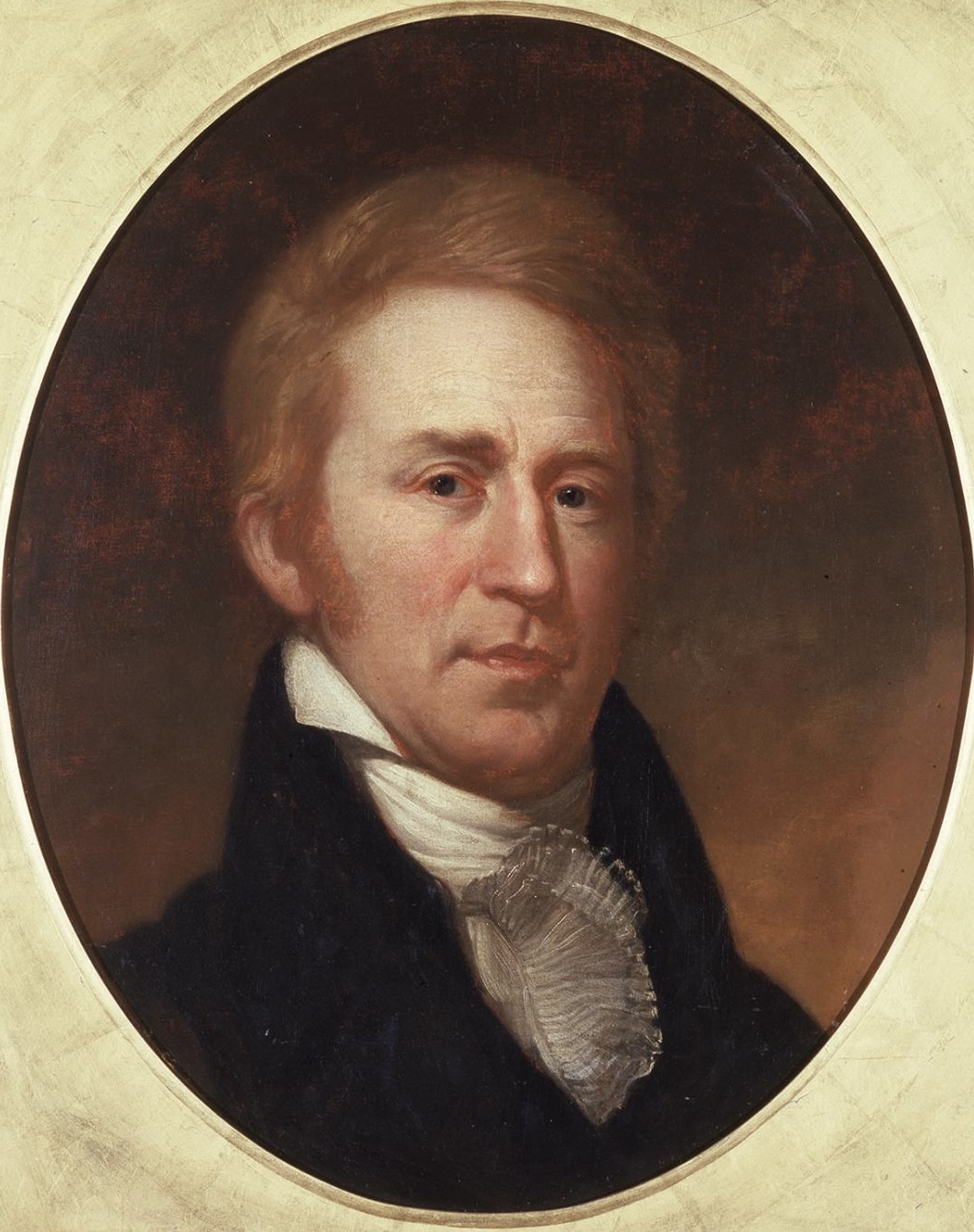
Portrait of William Clark
Charles Willson Peale
 Artifact
Primary source
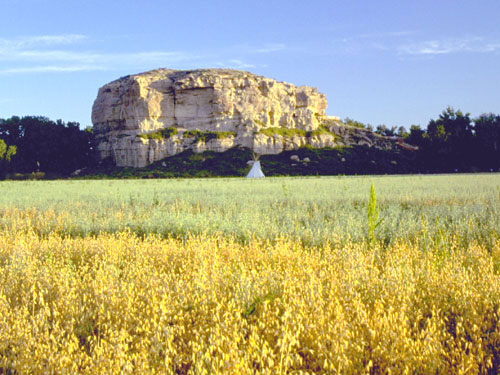
Pompeys Pillar National Monument
William Clark · carved 25 July 1806; designated monument 2001
Ready when you are
Start chatting with William Clark now.
20 messages free · No credit card · Available in 50+ languages.