


Primary sourcePainting
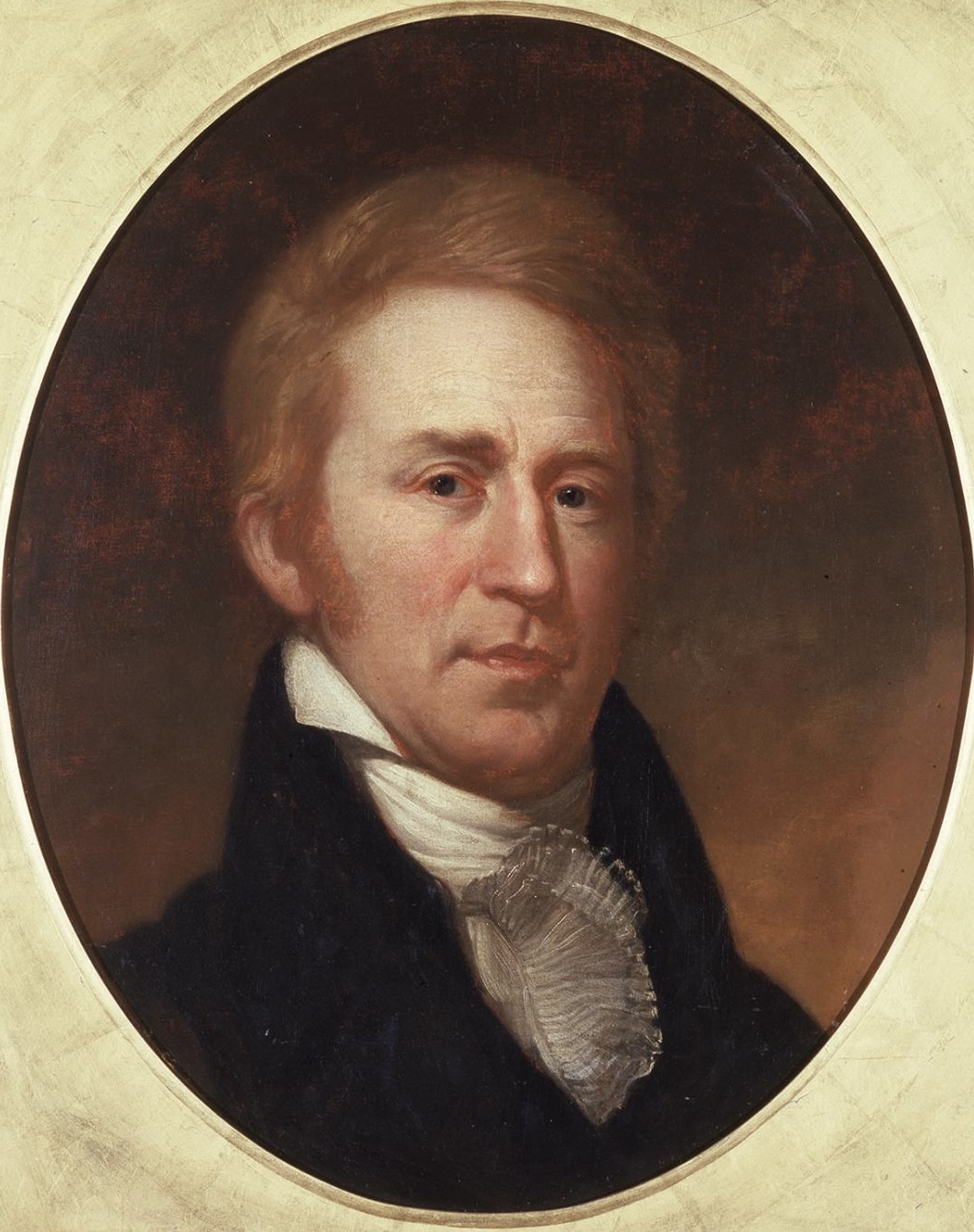
Portrait of William Clark
Charles Willson Peale
A portrait of William Clark painted from life shortly after his return from the Lewis and Clark Expedition.
This is the standard life portrait of Clark, painted just after his return from the expedition he co-led.
About this source
What it is
This oval portrait shows William Clark, painted by Charles Willson Peale soon after Clark returned from his famous expedition. Clark is shown with reddish-blond hair and blue eyes, dressed in a dark coat with a white cravat.
Why it matters
Peale painted many leading figures of the early United States, and this portrait became the standard image of Clark as an explorer, soldier, and government official. Because it was painted from life, it gives students a direct visual record of how Clark looked at the height of his fame.
Look closer
- What does Clark's expression and clothing suggest about how he wanted to be seen?
- Why might an artist like Peale have wanted to paint the leaders of the expedition?
- What does a formal portrait like this leave out about Clark's actual experiences on the journey?
This painting is part of the curated material that grounds the AI version of William Clark on Humy.ai — when students ask about related events, the AI can quote it and cite it.
More William Clark sources
Meet the AI William Clark →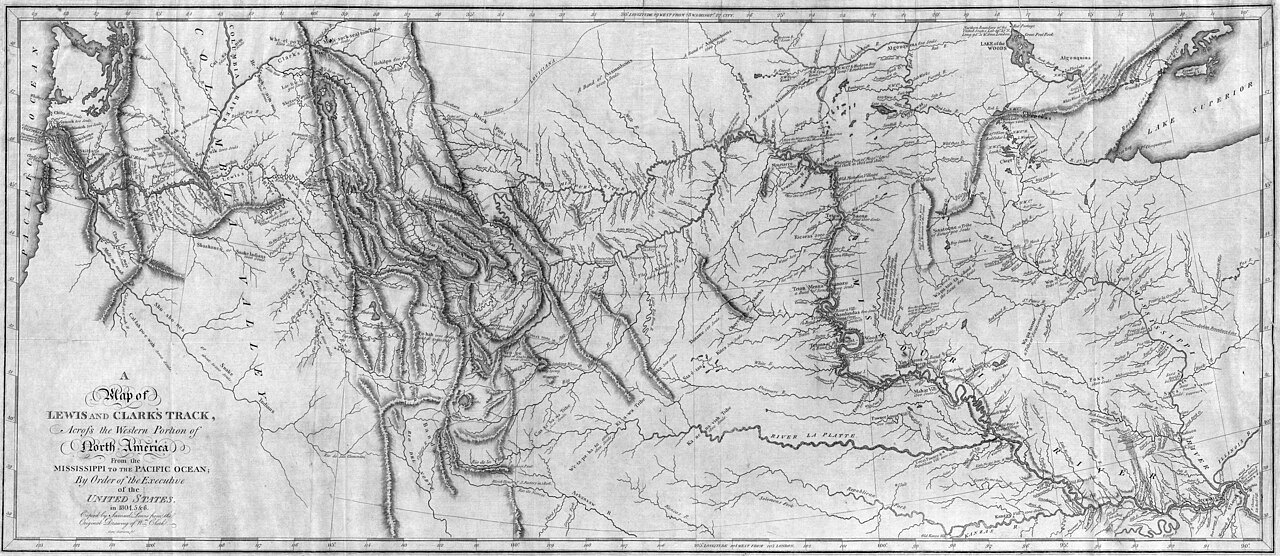 Document
Primary source
A Map of Lewis and Clark's Track Across the Western Portion of North America
William Clark · 1814
 Document
Primary source
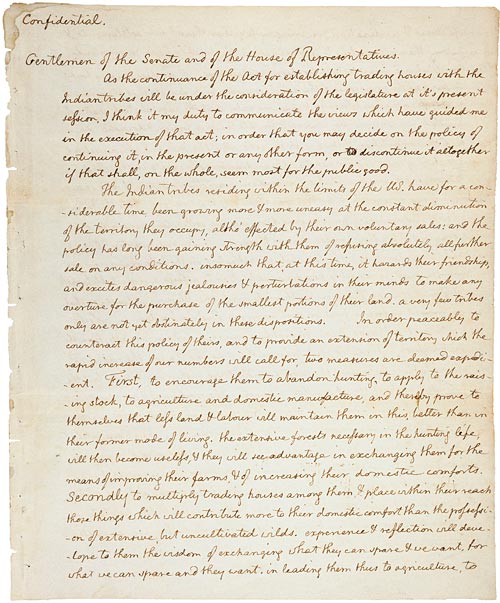
Jefferson's Secret Message to Congress Regarding the Lewis and Clark Expedition
Thomas Jefferson · 18 January 1803
Primary source
Louisiana Purchase Treaty
30 April 1803
 Photograph
Primary source
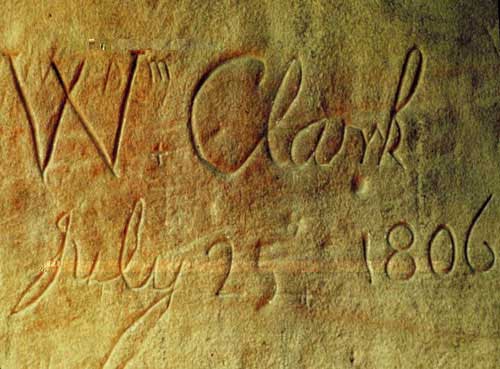
Clark's Signature at Pompeys Pillar
25 July 1806
 Artifact
Primary source
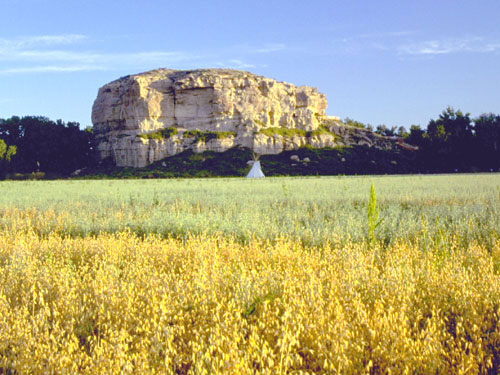
Pompeys Pillar National Monument
William Clark · carved 25 July 1806; designated monument 2001
Ready when you are
Start chatting with William Clark now.
20 messages free · No credit card · Available in 50+ languages.