


Secondary sourceArtifact
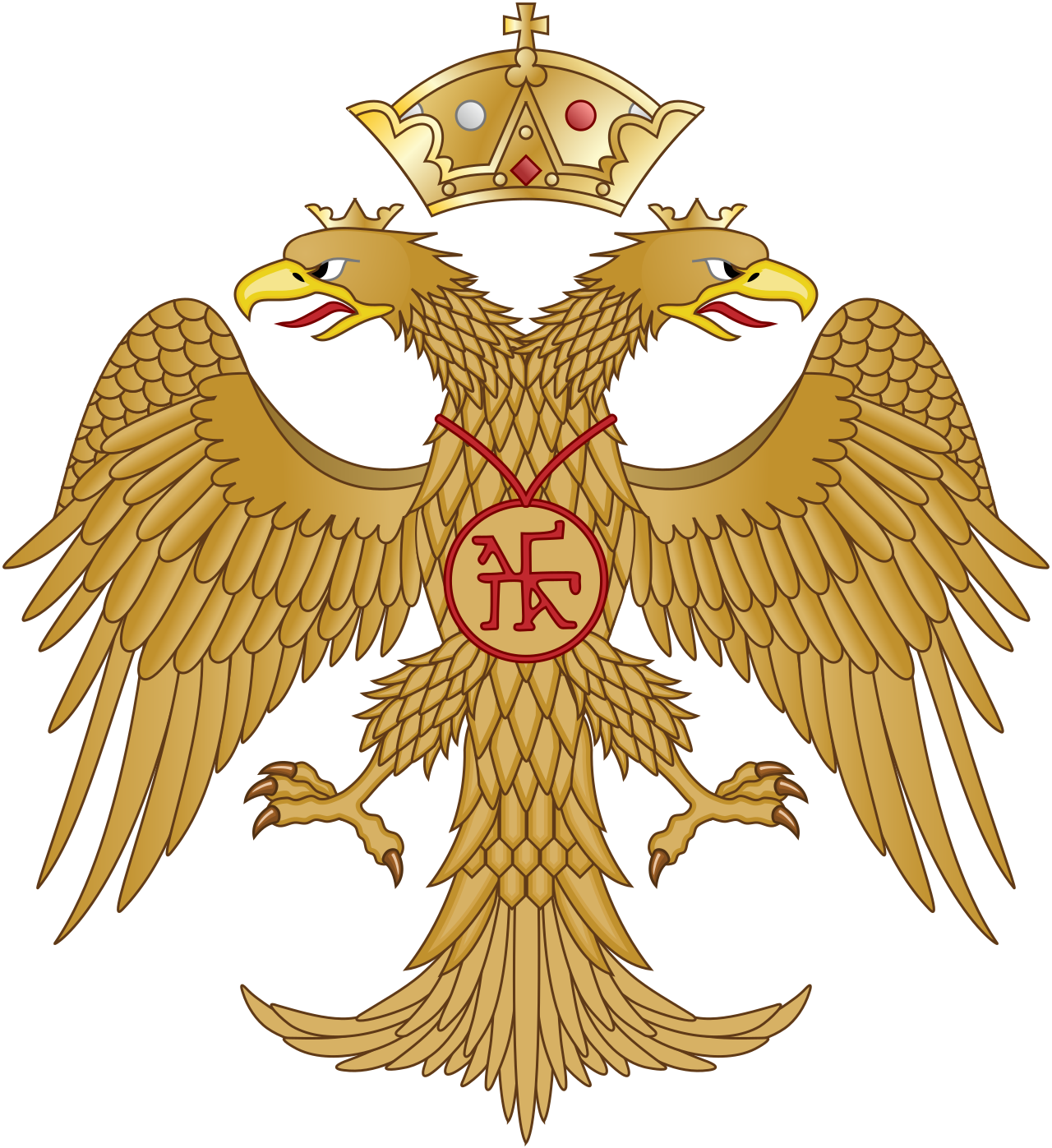
Coat of Arms of the Palaiologos Dynasty
The heraldic double-headed eagle device of the Palaiologan family, the ruling dynasty of Constantine XI.
This is the heraldic emblem of the Palaiologos dynasty, the ruling family to which Constantine XI belonged as its last emperor.
About this source
What it is
This is the dynastic emblem of the Palaiologoi: a golden double-headed eagle wearing a jeweled crown, with the family's monogram (sympilema) on its chest. The double-headed eagle was used as the symbol of the Byzantine Empire during the 14th and 15th centuries, when the Palaiologos family ruled.
Why it matters
As the last reigning member of the Palaiologos dynasty, Constantine XI was associated with this emblem, which represented both the imperial office and his family's identity. The symbol later became closely linked with Byzantine and Greek national memory.
Look closer
- Why might a ruling family use an eagle with two heads instead of one?
- What might the crown above the eagle's heads represent?
- Why do dynasties use symbols like this instead of writing their names?
This artifact is part of the curated material that grounds the AI version of Constantine XI Palaiologos on Humy.ai — when students ask about related events, the AI can quote it and cite it.
More Constantine XI Palaiologos sources
Browse all 40 →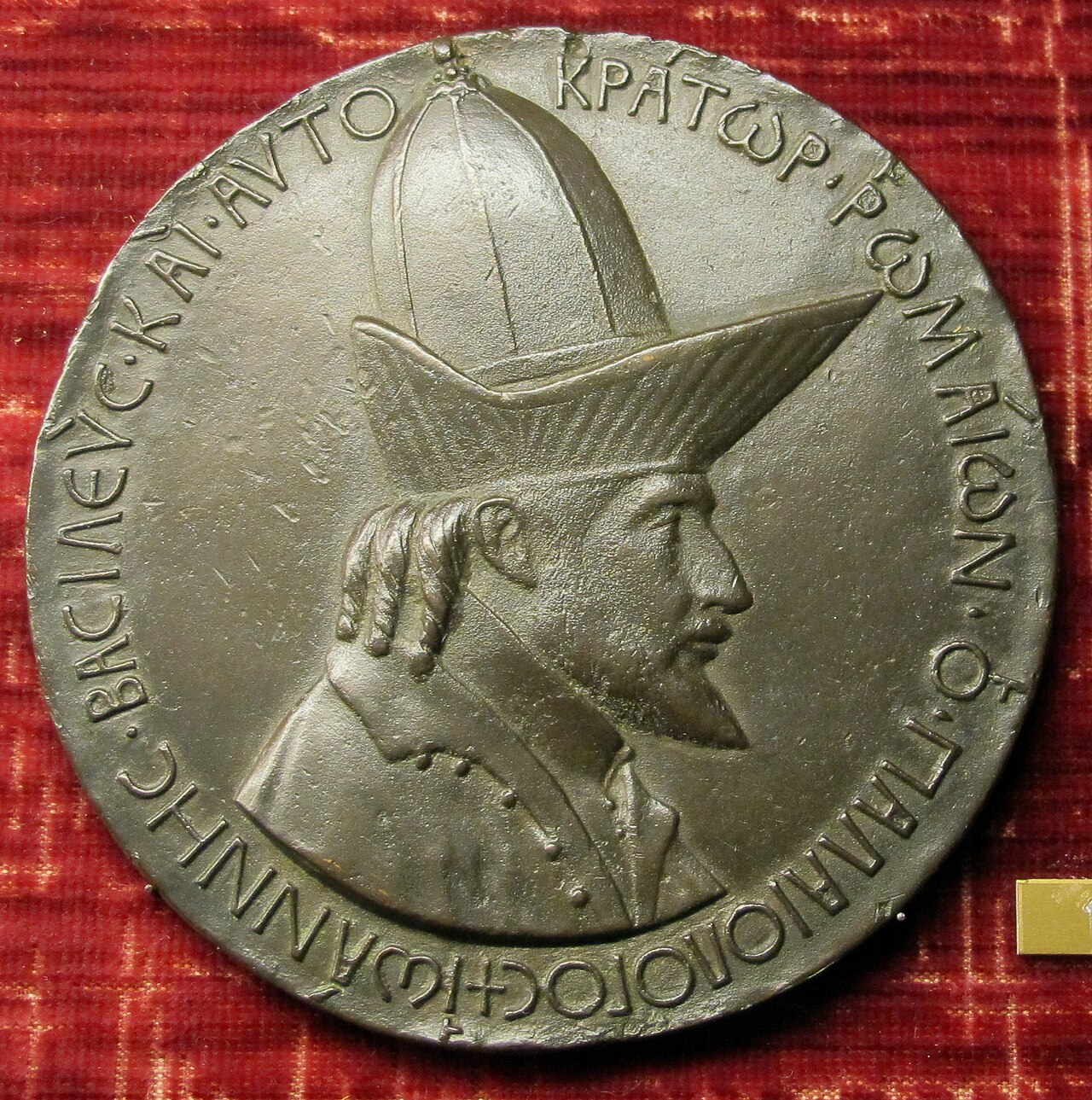 Sculpture
Primary source
Medal of John VIII Palaiologos
Pisanello · 1438-1439
 Painting
Secondary source
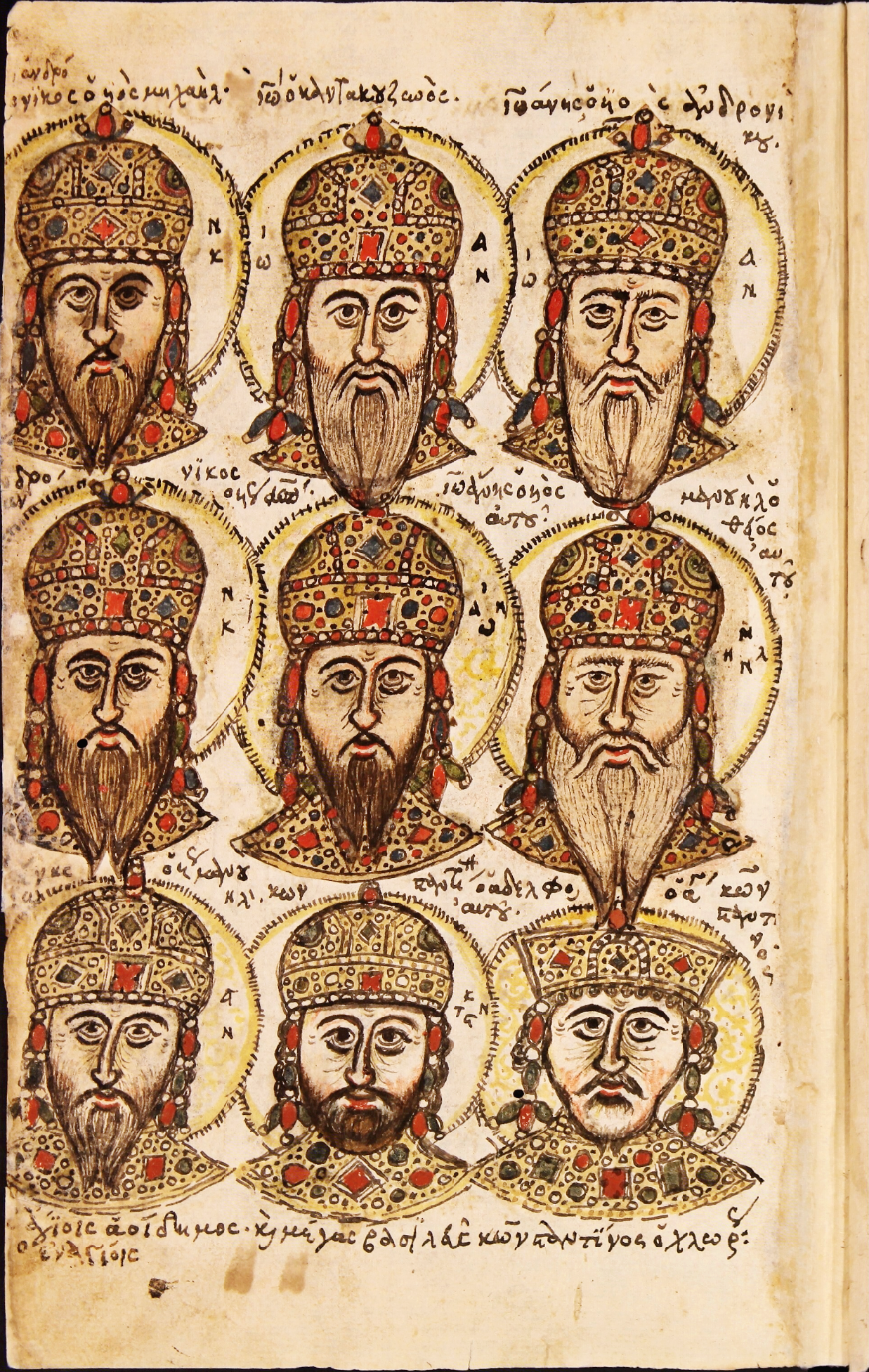
Zonaras Chronicle Portrait Folio
Unknown Byzantine scribes
 Painting
Secondary source
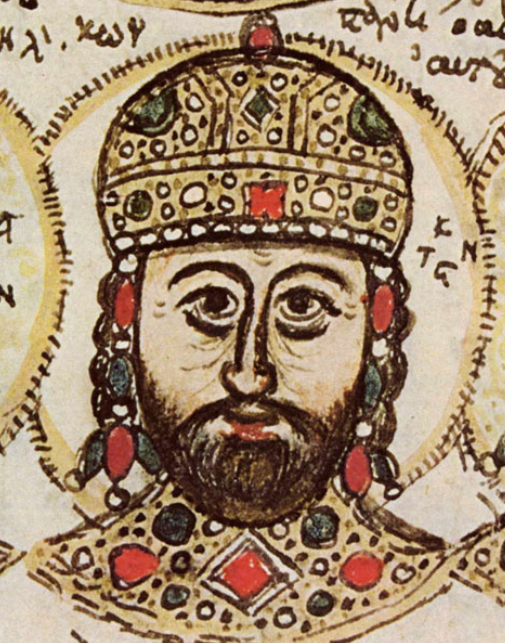
Portrait of Constantine XI Palaiologos in the Mutinensis gr. 122 Codex
Unknown Byzantine artist · 15th century
 Artifact
Primary source
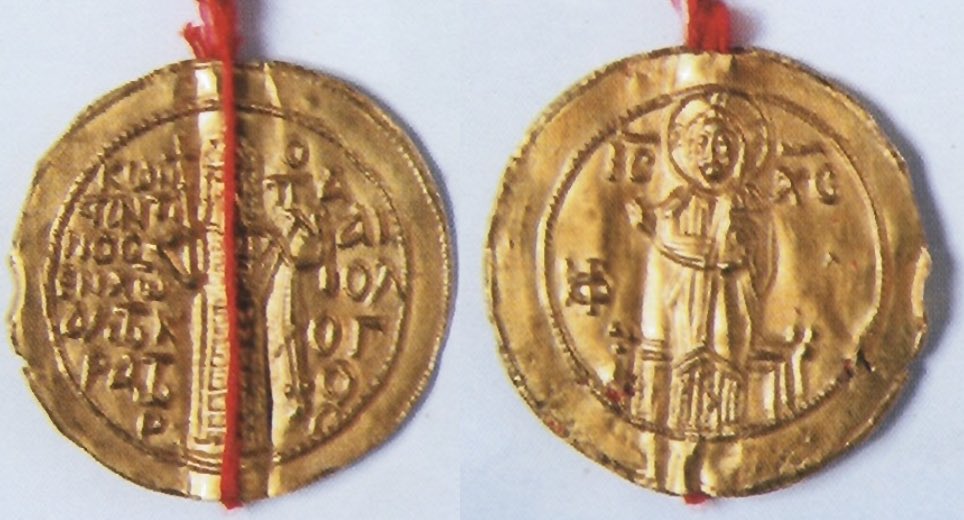
Gold Seal of Constantine XI for Ragusa
1451

Free account
Read every Constantine XI Palaiologos source
Sign up free →
Ready when you are
Start chatting with Constantine XI Palaiologos now.
20 messages free · No credit card · Available in 50+ languages.