


Primary sourceArtifact1451
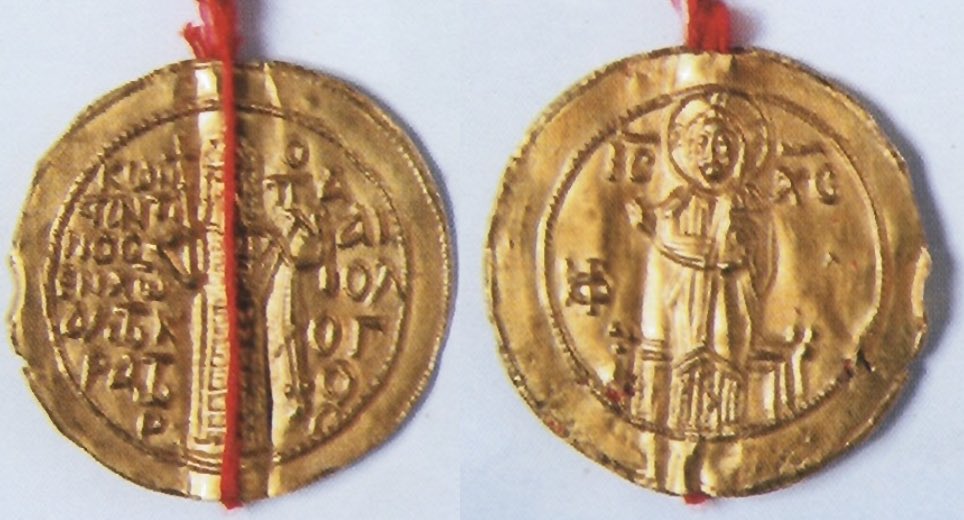
Gold Seal of Constantine XI for Ragusa
1451
A gold bulla seal attached to a 1451 imperial document granting privileges to Ragusa (Dubrovnik), issued in Constantine XI's name.
This gold seal was issued in Constantine XI's name as emperor, part of a diplomatic grant to Ragusa.
About this source
What it is
This gold seal, held at Dumbarton Oaks, was attached to a chrysobull—an official imperial document—issued by Constantine XI in 1451 to the city of Ragusa, now Dubrovnik. The seal bears a Greek inscription naming him emperor, and shows a standing robed figure on one side and a haloed saint holding a cross on the other.
Why it matters
Even as the Byzantine Empire shrank to little more than its capital, Constantine XI still issued formal diplomatic grants to foreign cities, using traditional imperial seals to assert his authority. This object shows how emperors maintained the rituals and symbols of power even while their real strength was fading.
Look closer
- What does the choice of gold, rather than a cheaper metal, tell you about how the emperor wanted this document to be seen?
- Why might Constantine XI want to maintain formal ties with a city like Ragusa so close to the empire's end?
- What can a seal tell us about power that a letter's words cannot?
This artifact is part of the curated material that grounds the AI version of Constantine XI Palaiologos on Humy.ai — when students ask about related events, the AI can quote it and cite it.
More Constantine XI Palaiologos sources
Meet the AI Constantine XI Palaiologos →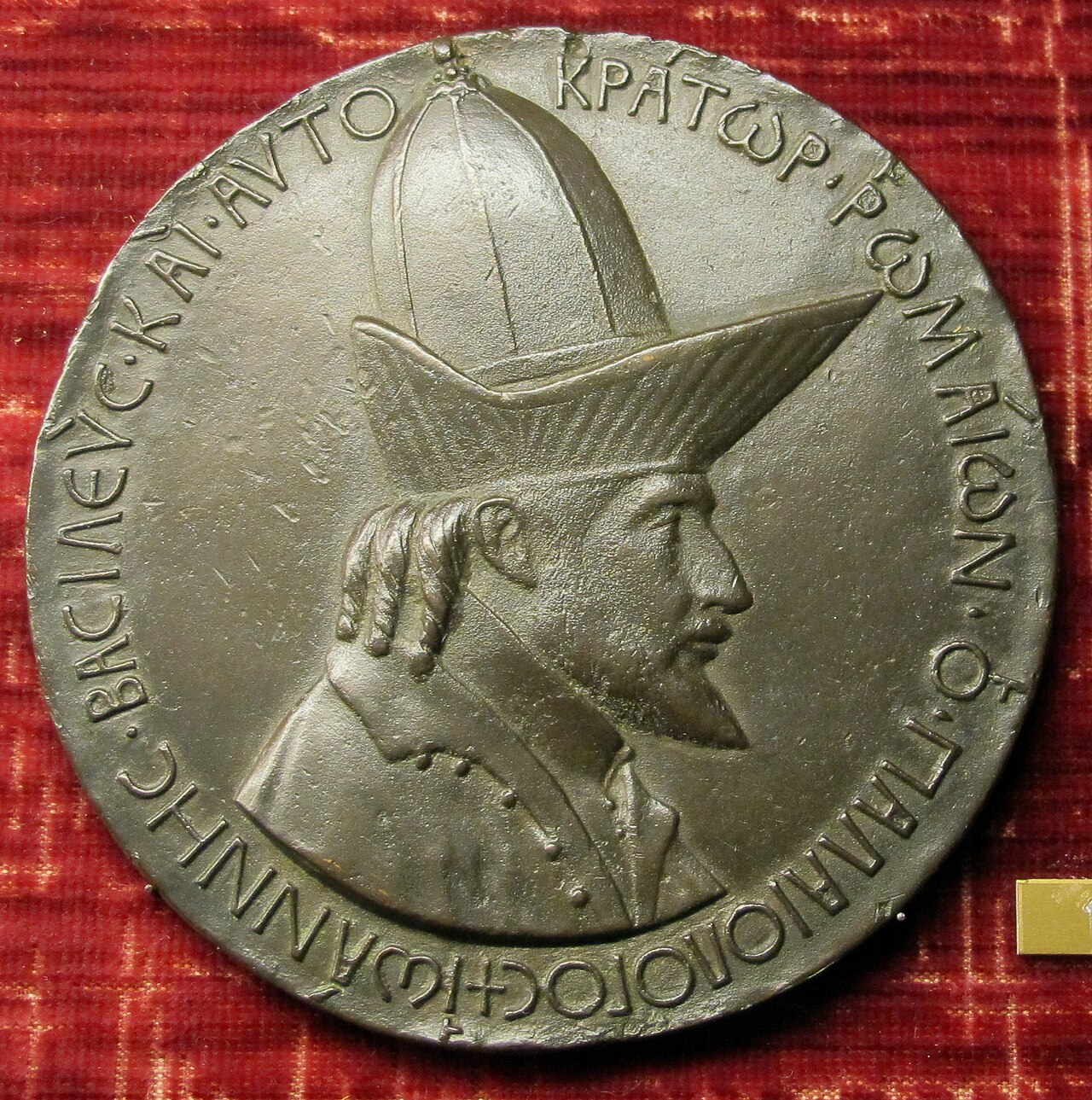 Sculpture
Primary source
Medal of John VIII Palaiologos
Pisanello · 1438-1439
 Painting
Secondary source
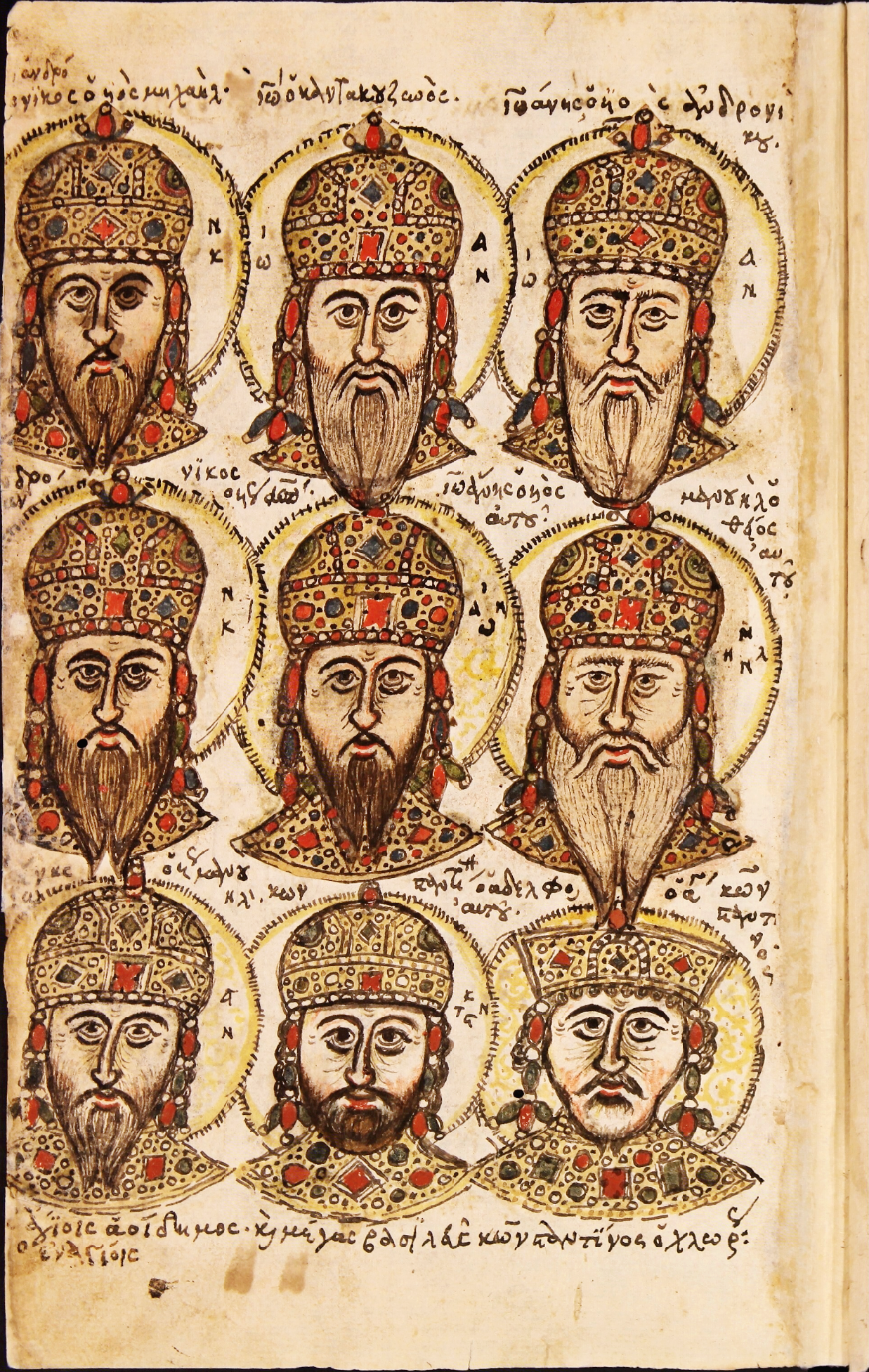
Zonaras Chronicle Portrait Folio
Unknown Byzantine scribes
 Painting
Secondary source
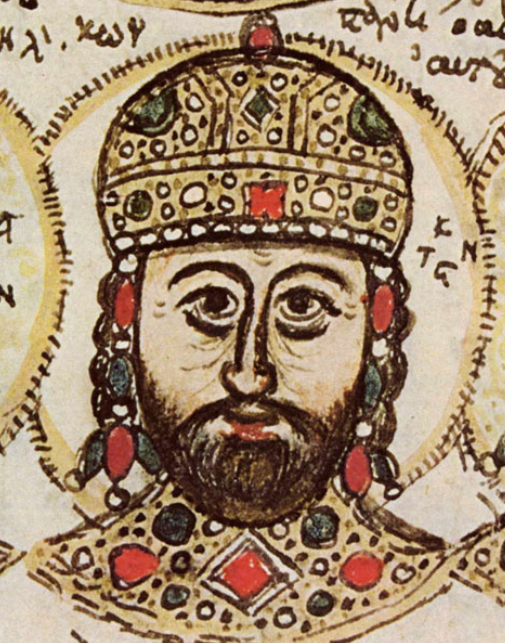
Portrait of Constantine XI Palaiologos in the Mutinensis gr. 122 Codex
Unknown Byzantine artist · 15th century
 Photograph
Secondary source
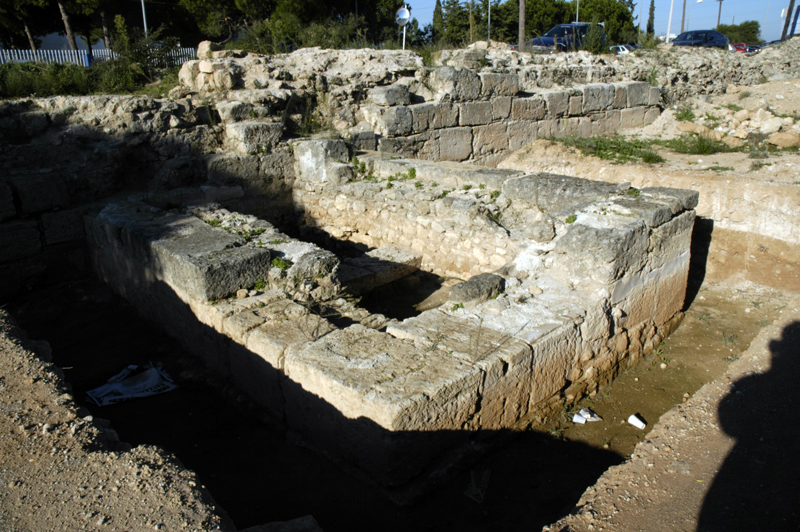
Hexamilion Wall Ruins Across the Corinth Isthmus
Nefasdicere
 Document
Primary source
Signature of Constantine XI Palaiologos
Constantine XI Palaiologos
Ready when you are
Start chatting with Constantine XI Palaiologos now.
20 messages free · No credit card · Available in 50+ languages.