


Secondary sourcePhotograph
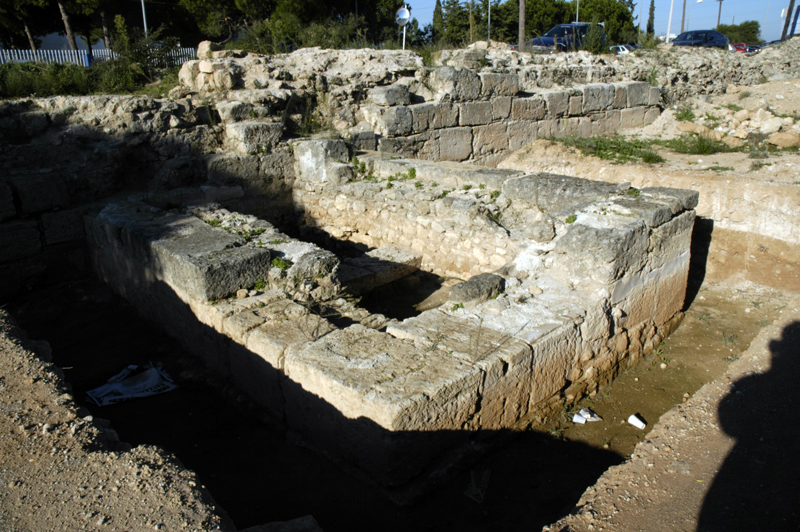
Hexamilion Wall Ruins Across the Corinth Isthmus
Nefasdicere
Modern photograph of the ruined Hexamilion wall across the Corinth isthmus, a defensive wall Constantine XI rebuilt while despot of the Morea.
Shows the Hexamilion wall that Constantine XI rebuilt as despot of the Morea before becoming emperor.
About this source
What it is
This modern photograph shows the excavated remains of the Hexamilion, a defensive wall built across the Isthmus of Corinth to protect the Morea (the Peloponnese). The stone and rubble ruins are visible in an excavated trench today.
Why it matters
Before becoming emperor, Constantine XI served as despot of the Morea and rebuilt this wall to defend the region from invasion. The ruins show a real piece of the infrastructure he worked on, connecting the later emperor to his earlier career as a regional ruler and military planner.
Look closer
- What does the condition of the wall today tell you about how fortifications decay over time?
- Why would controlling the isthmus matter for defending the Peloponnese?
- What might a photograph of ruins fail to show about how the wall worked when complete?
This photograph is part of the curated material that grounds the AI version of Constantine XI Palaiologos on Humy.ai — when students ask about related events, the AI can quote it and cite it.
More Constantine XI Palaiologos sources
Meet the AI Constantine XI Palaiologos →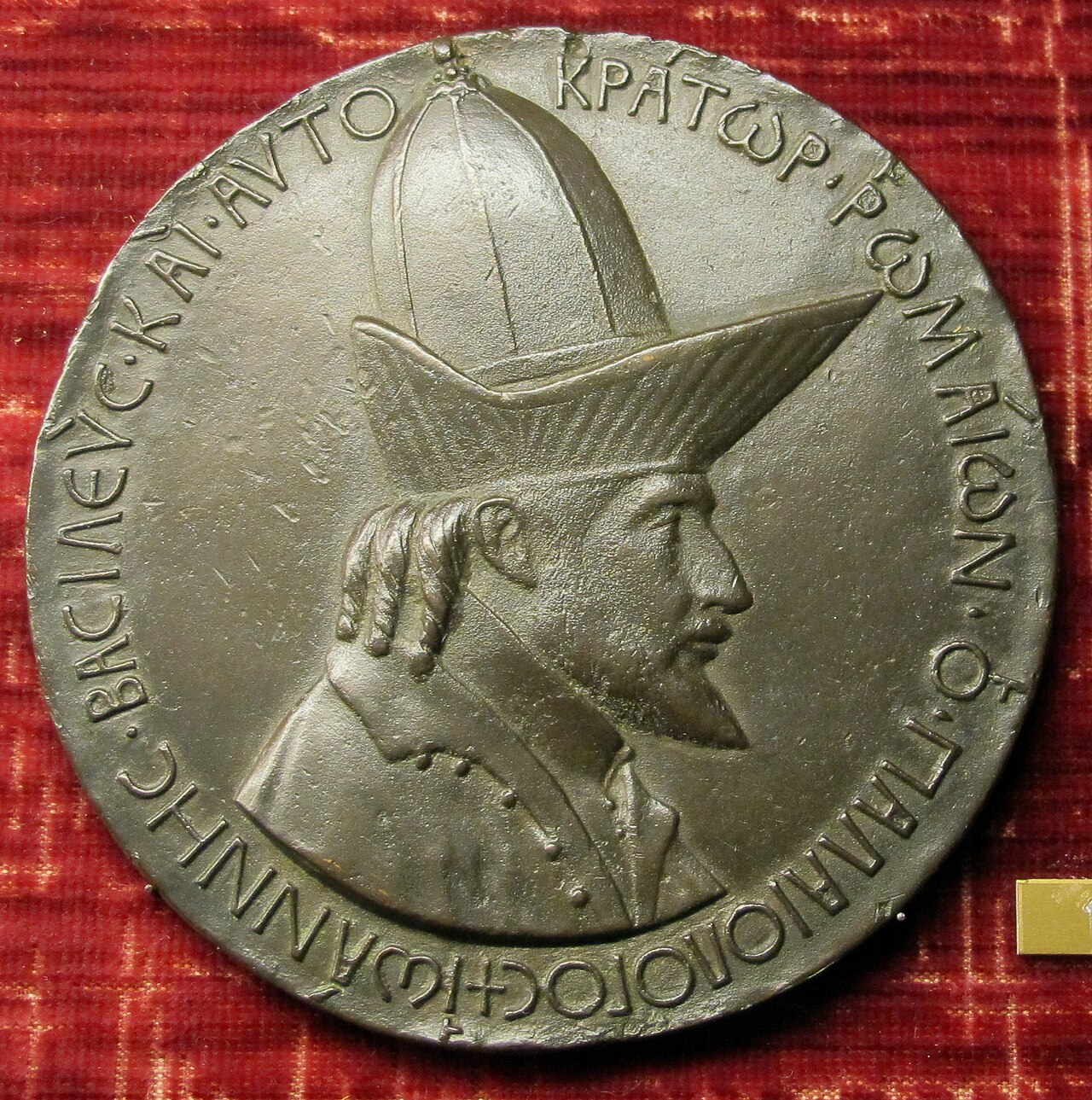 Sculpture
Primary source
Medal of John VIII Palaiologos
Pisanello · 1438-1439
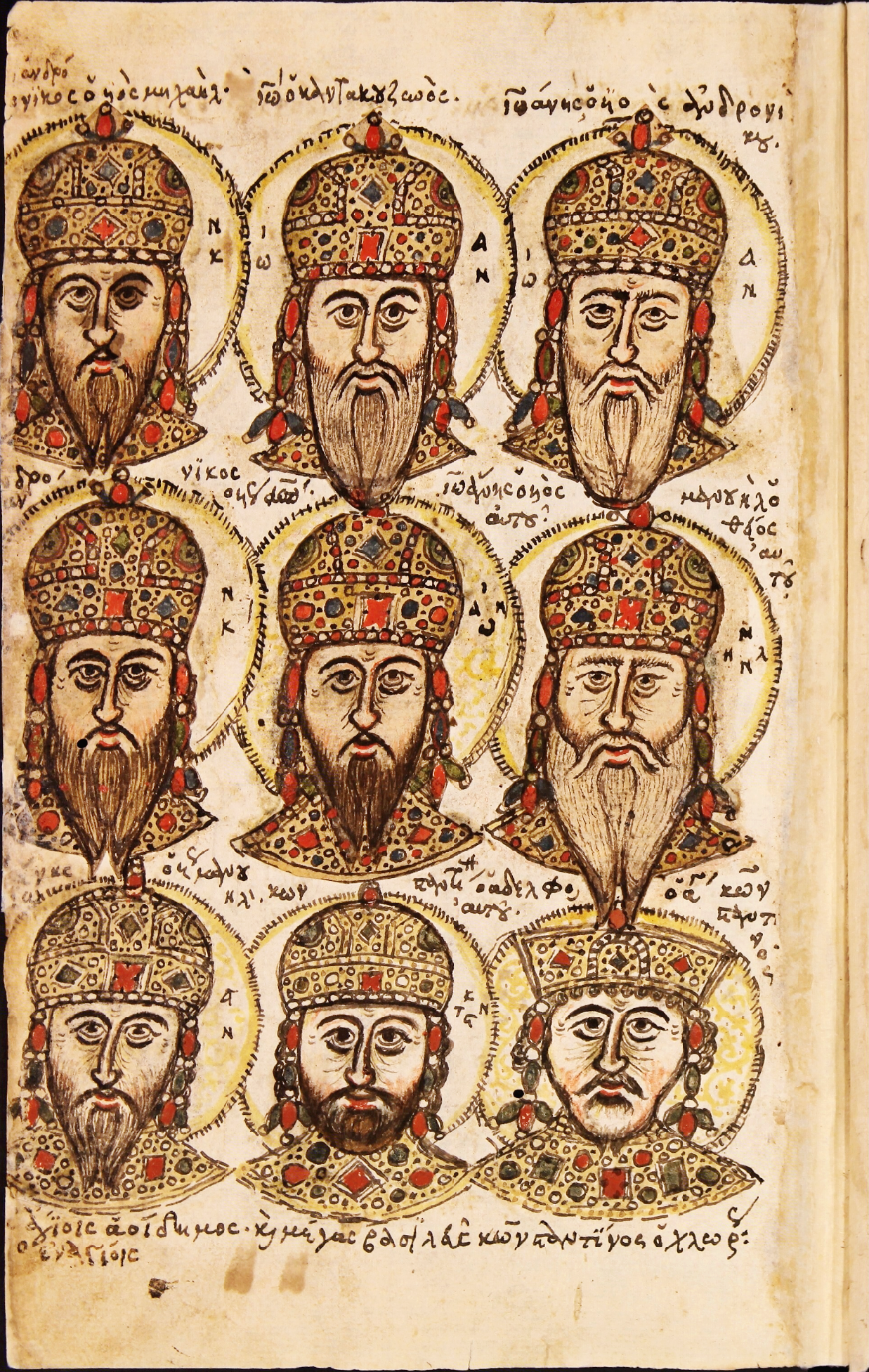 Painting
Secondary source
Zonaras Chronicle Portrait Folio
Unknown Byzantine scribes
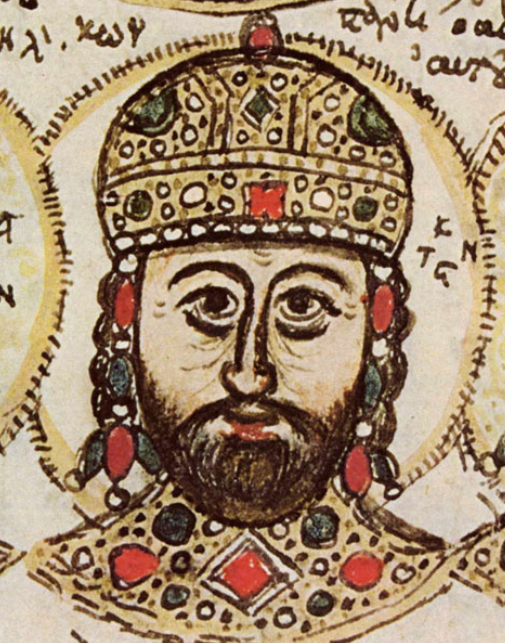 Painting
Secondary source
Portrait of Constantine XI Palaiologos in the Mutinensis gr. 122 Codex
Unknown Byzantine artist · 15th century
 Artifact
Primary source
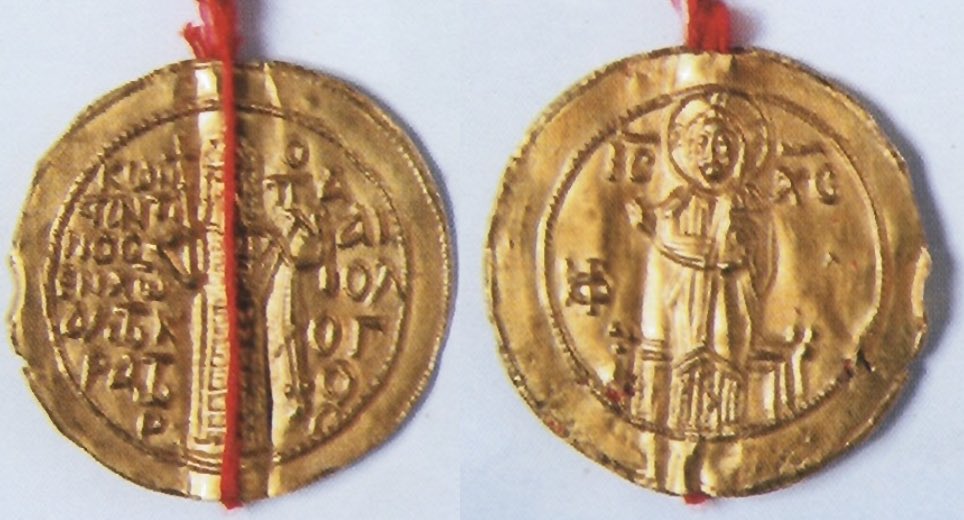
Gold Seal of Constantine XI for Ragusa
1451
 Document
Primary source
Signature of Constantine XI Palaiologos
Constantine XI Palaiologos
Ready when you are
Start chatting with Constantine XI Palaiologos now.
20 messages free · No credit card · Available in 50+ languages.