


Primary sourceDocumentc. 1753 BCE
Code of Hammurabi
Hammurabi · c. 1753 BCE
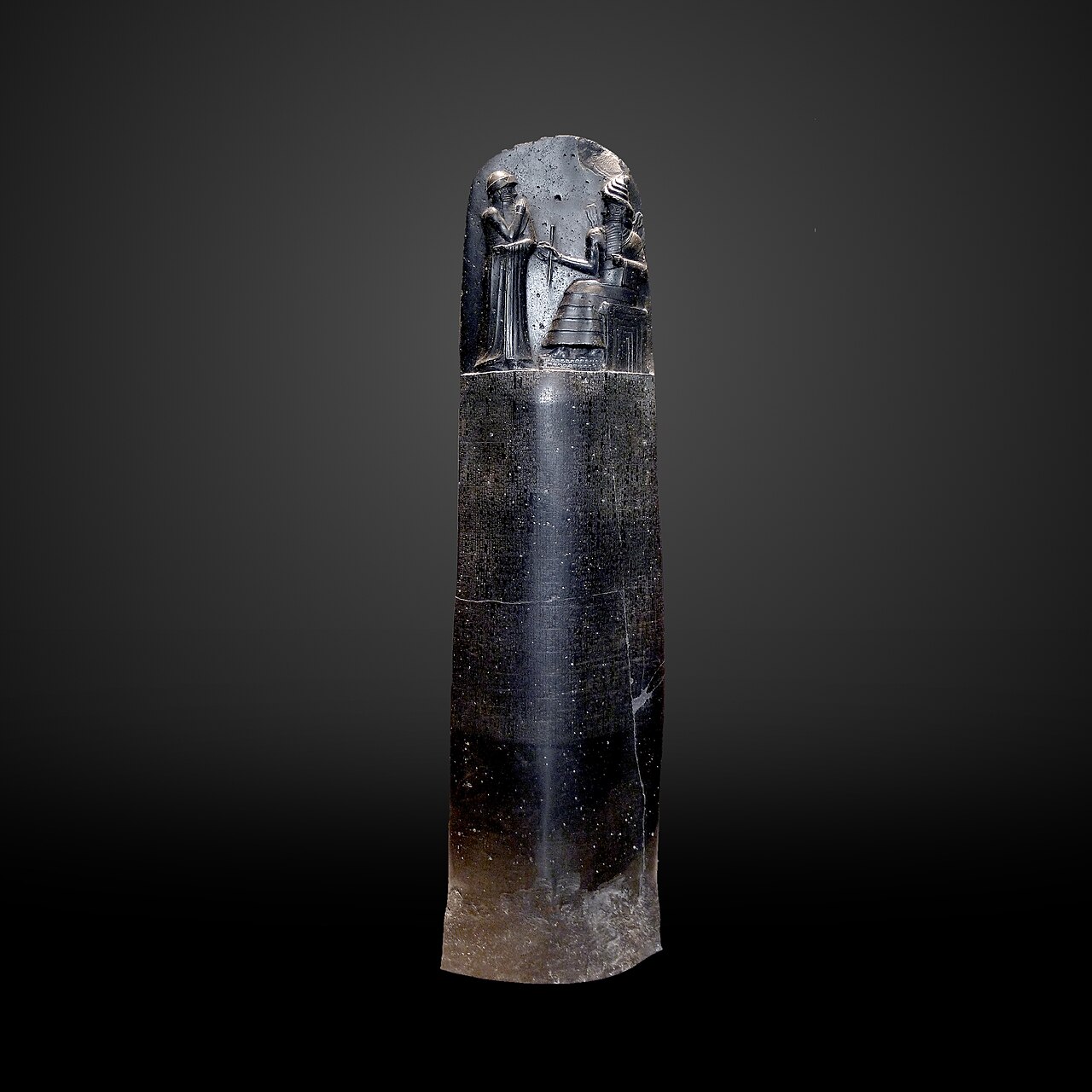
A Babylonian legal text composed under Hammurabi, inscribed on a tall basalt stele, listing hundreds of laws with a prologue and epilogue presenting him as a just, god-chosen ruler.
This is Hammurabi's own law code, commissioned by him and presenting his claim to divine, just kingship.
About this source
What it is
The Code of Hammurabi is a Babylonian legal text from the 18th century BC, inscribed on a basalt stele about 2.25 metres tall. It was commissioned in the name of Hammurabi, sixth king of Babylon, and written in Akkadian cuneiform. The stele was later taken to Susa, rediscovered in 1901, and is now in the Louvre Museum.
Why it matters
The text contains a prologue and epilogue describing Hammurabi as a shepherd-king chosen by the gods to protect the weak from the strong, followed by hundreds of 'if...then' laws covering crime, family, property and trade. It reveals how Babylonian society was divided into ranked classes with different penalties, and it is often linked to the 'eye for an eye' principle later found in other ancient law traditions. Scholars still debate whether it was really applied as law or mainly served to showcase the king's justice.
Look closer
- Why might a king want his laws carved in stone and displayed publicly?
- What does the relief of Hammurabi before the sun-god suggest about where he claimed his authority came from?
- What might the harsh, graded punishments tell you about who held power in this society?
This document is part of the curated material that grounds the AI version of Hammurabi on Humy.ai — when students ask about related events, the AI can quote it and cite it.
More Hammurabi sources
Meet the AI Hammurabi →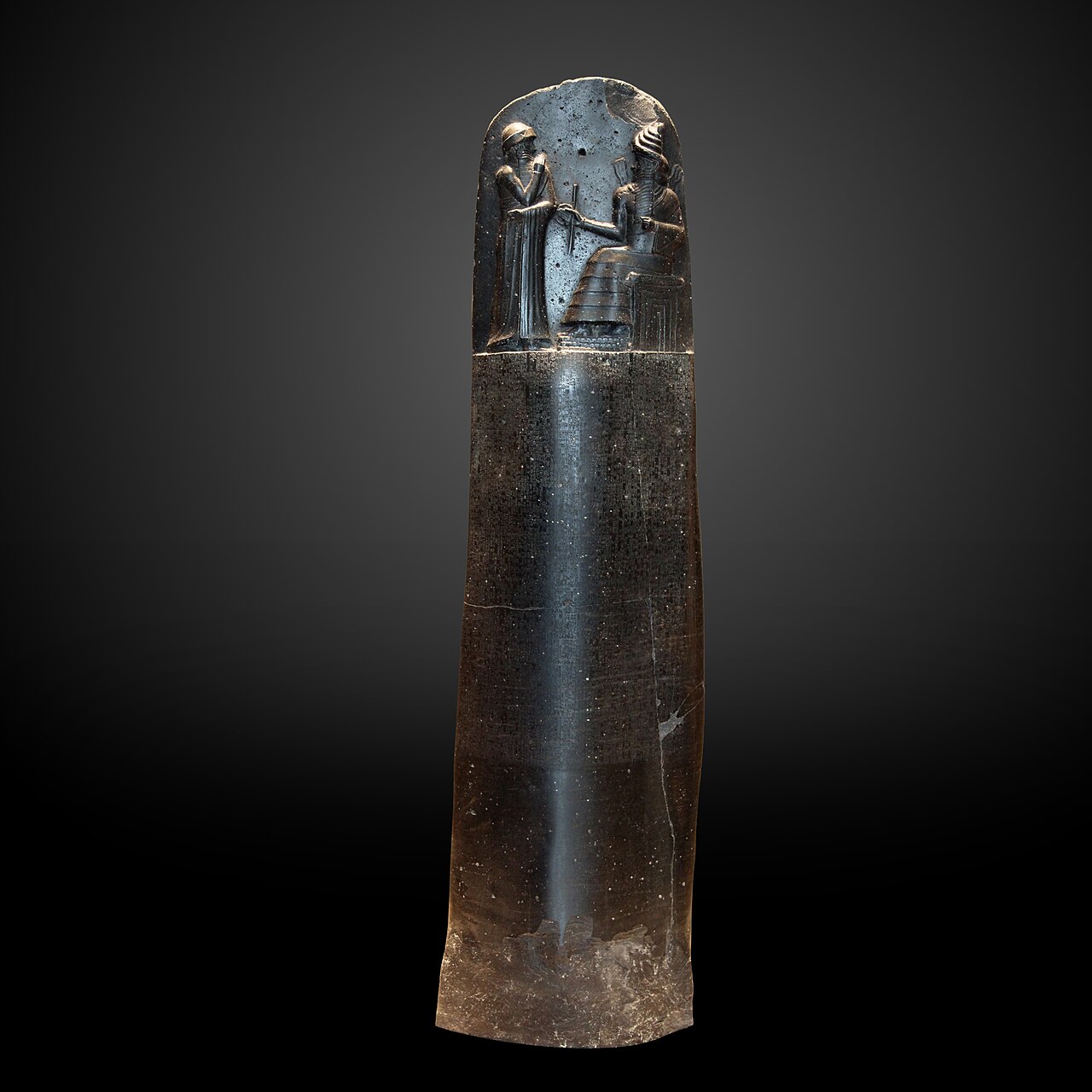 Sculpture
Primary source
Stele with the Code of Hammurabi
Hammurabi · c. 1792 BCE
 Letter
Primary source
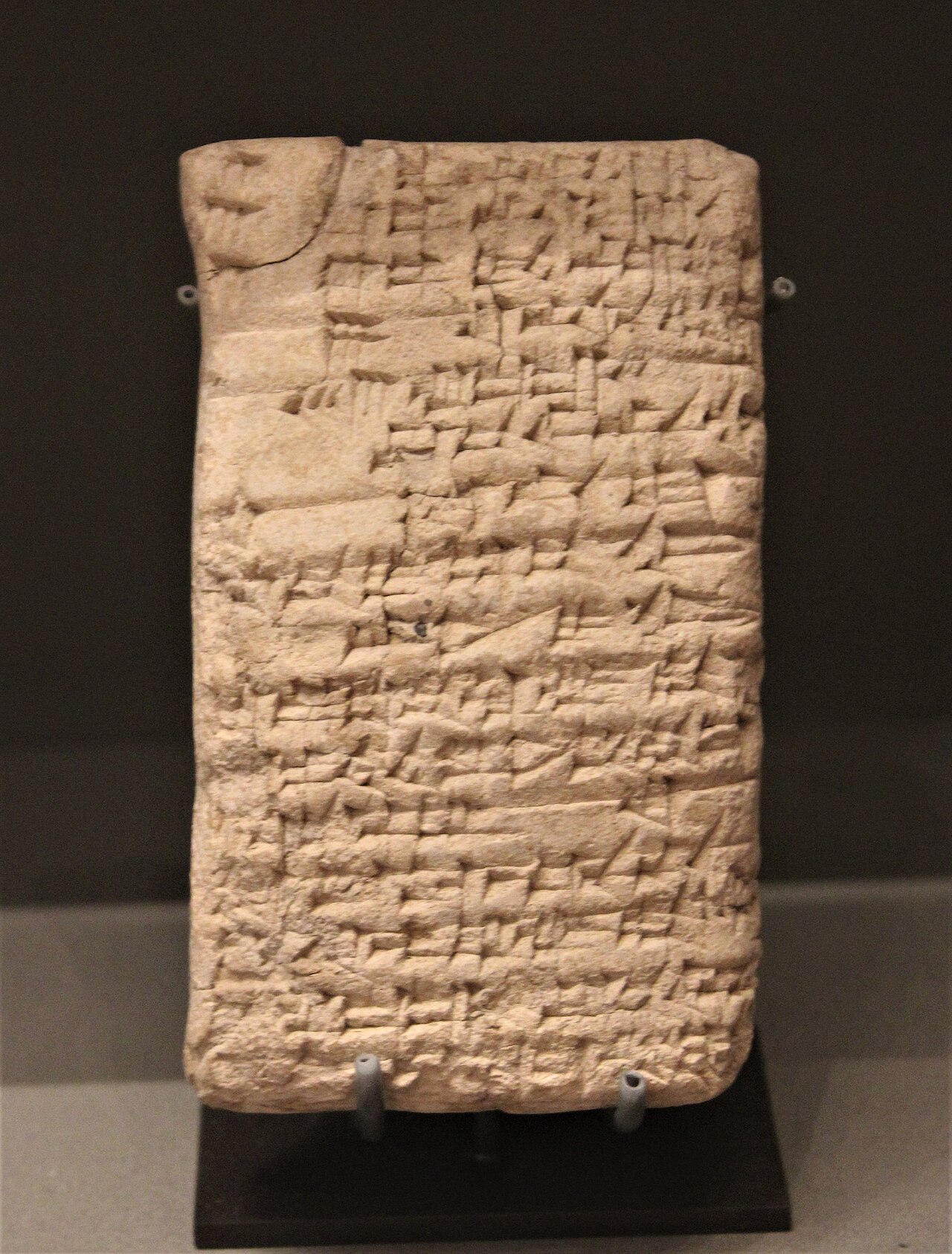
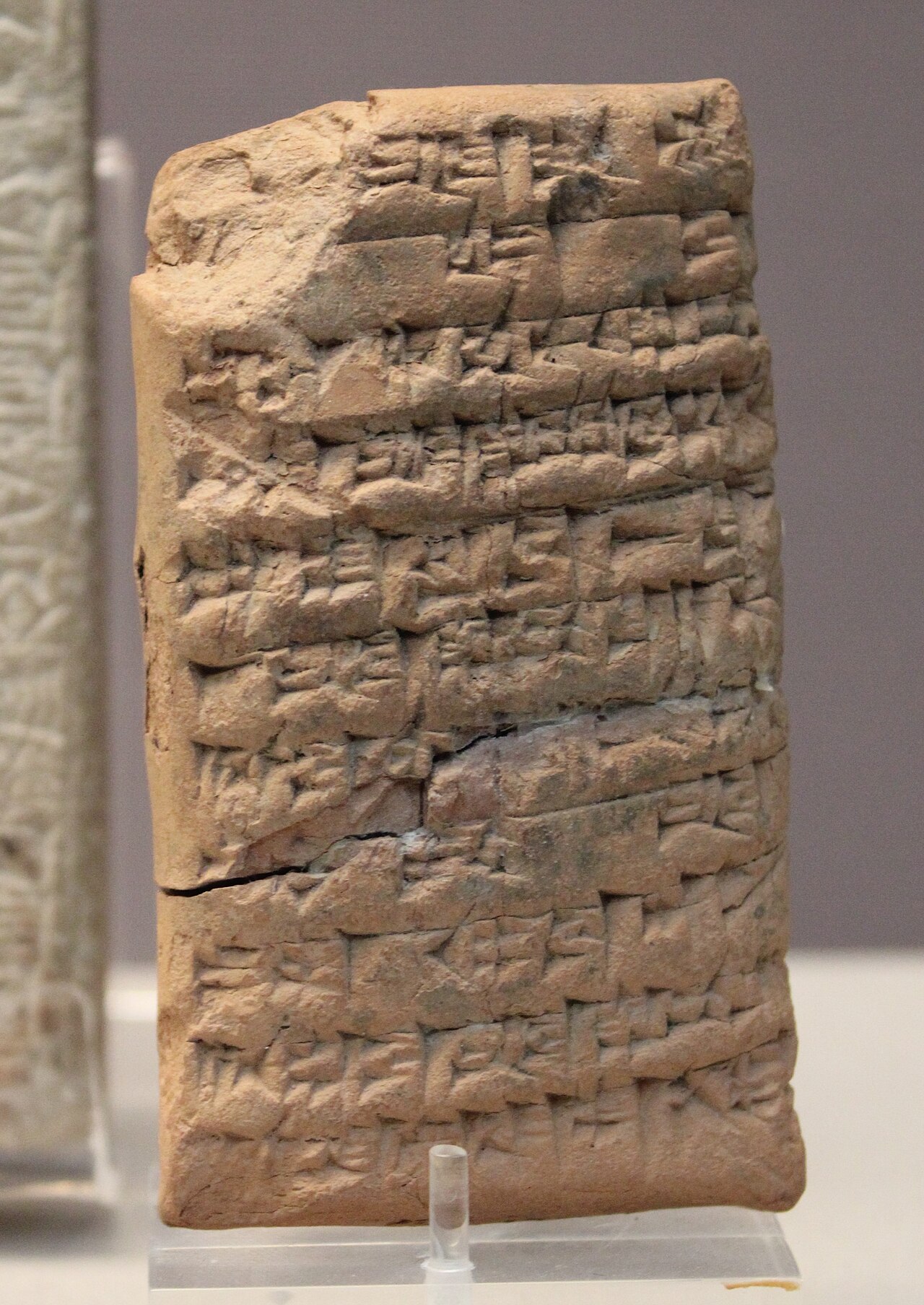
Letter from Hammurabi to Sîn-iddinam
Hammurabi · c. 1792-1750 BCE
 Document
Primary source
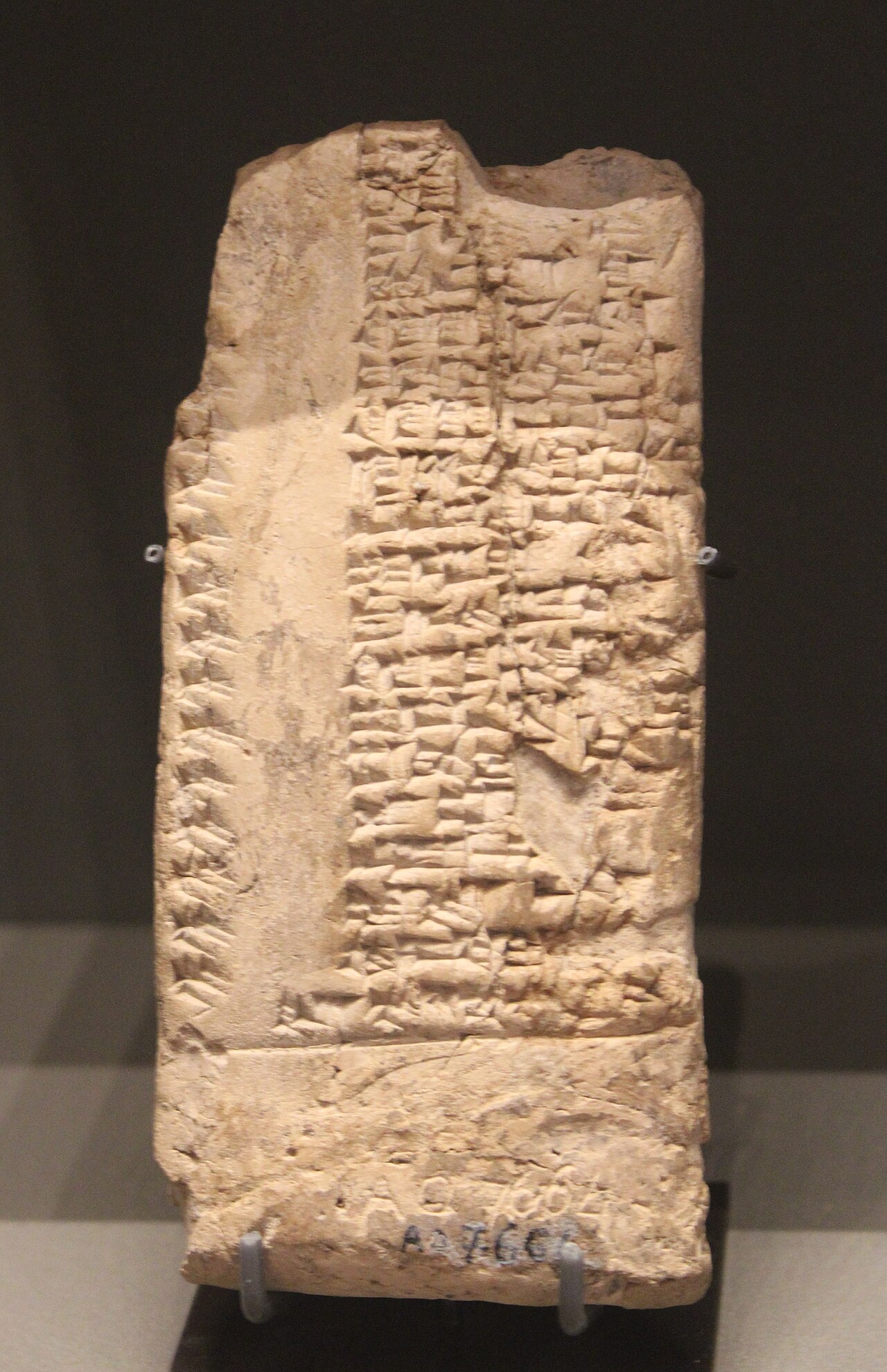
List of the year-names of Hammurabi's reign
Old Babylonian period, reign of Hammurabi (c. 1792-1750 BCE)
 Document
Secondary source
Chronicle of Early Kings
Babylonian scribes · c. 6th century BCE copy
 Letter
Primary source
Letter from Hammurabi to Sîn-iddinam ordering a court hearing
Hammurabi · c. 1792-1750 BCE
Ready when you are
Start chatting with Hammurabi now.
20 messages free · No credit card · Available in 50+ languages.