


Primary sourceSculpturec. 1792 BCE
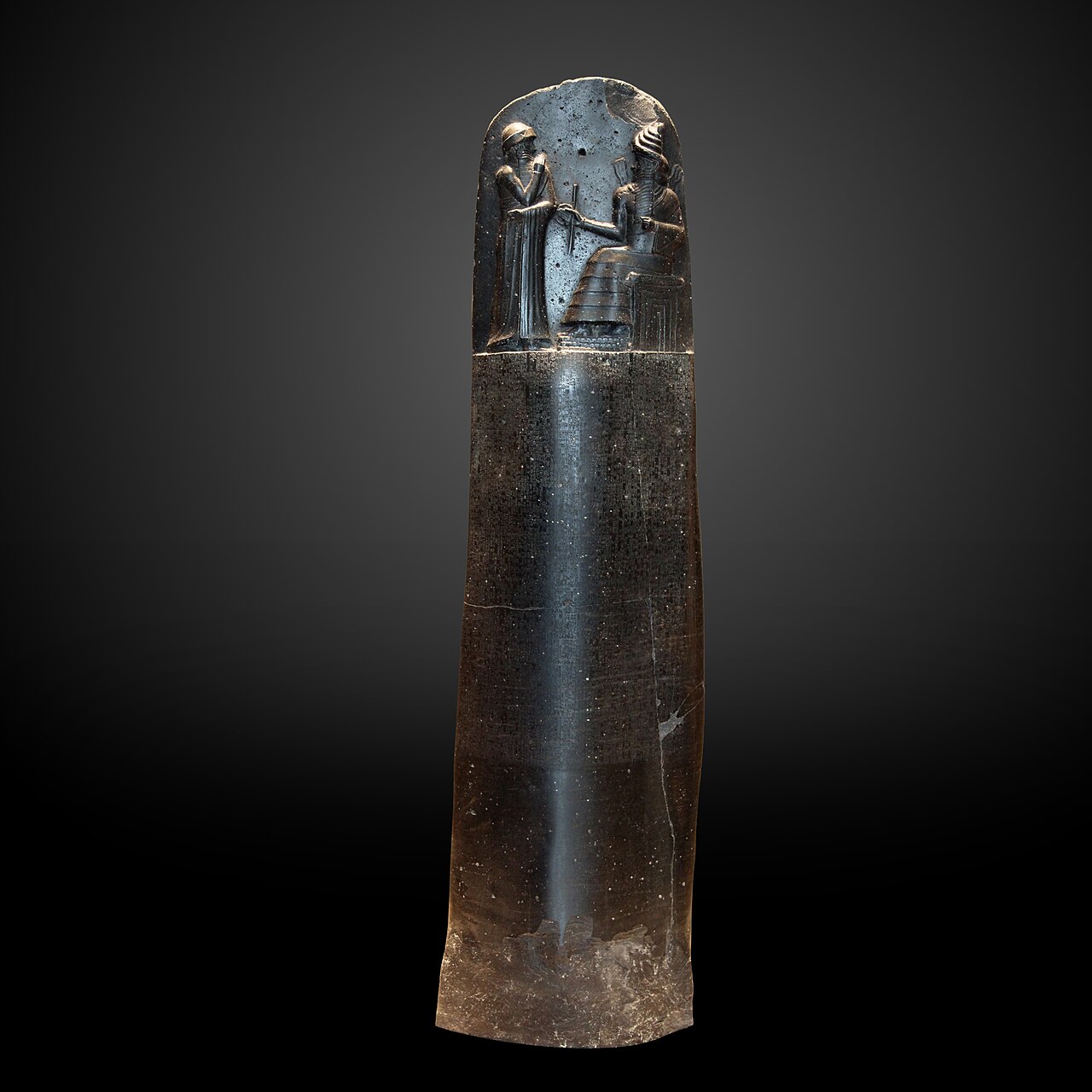
Stele with the Code of Hammurabi
Hammurabi · c. 1792 BCE
The basalt stele on which Hammurabi's laws were carved, topped with a relief of the king before the sun-god Shamash.
Hammurabi commissioned this stele to display his own laws and his claim to divine justice.
About this source
What it is
This is the tall basalt stele commissioned by Hammurabi, king of Babylon, to carry his collection of laws. It is held today in the Department of Near Eastern Antiquities of the Louvre.
Why it matters
At the top of the stele, Hammurabi is shown standing before Shamash, the Babylonian god of justice, who sits on a throne. This image was meant to show that the king's laws and authority came with divine approval. The object is one of the main surviving sources for understanding Old Babylonian law and kingship.
Look closer
- What does the placement of the king facing the god tell you about how Hammurabi wanted to be seen?
- Why carve this image on the same stone as the laws, instead of writing it separately?
- What might be missing from this official image of justice?
This sculpture is part of the curated material that grounds the AI version of Hammurabi on Humy.ai — when students ask about related events, the AI can quote it and cite it.
More Hammurabi sources
Meet the AI Hammurabi →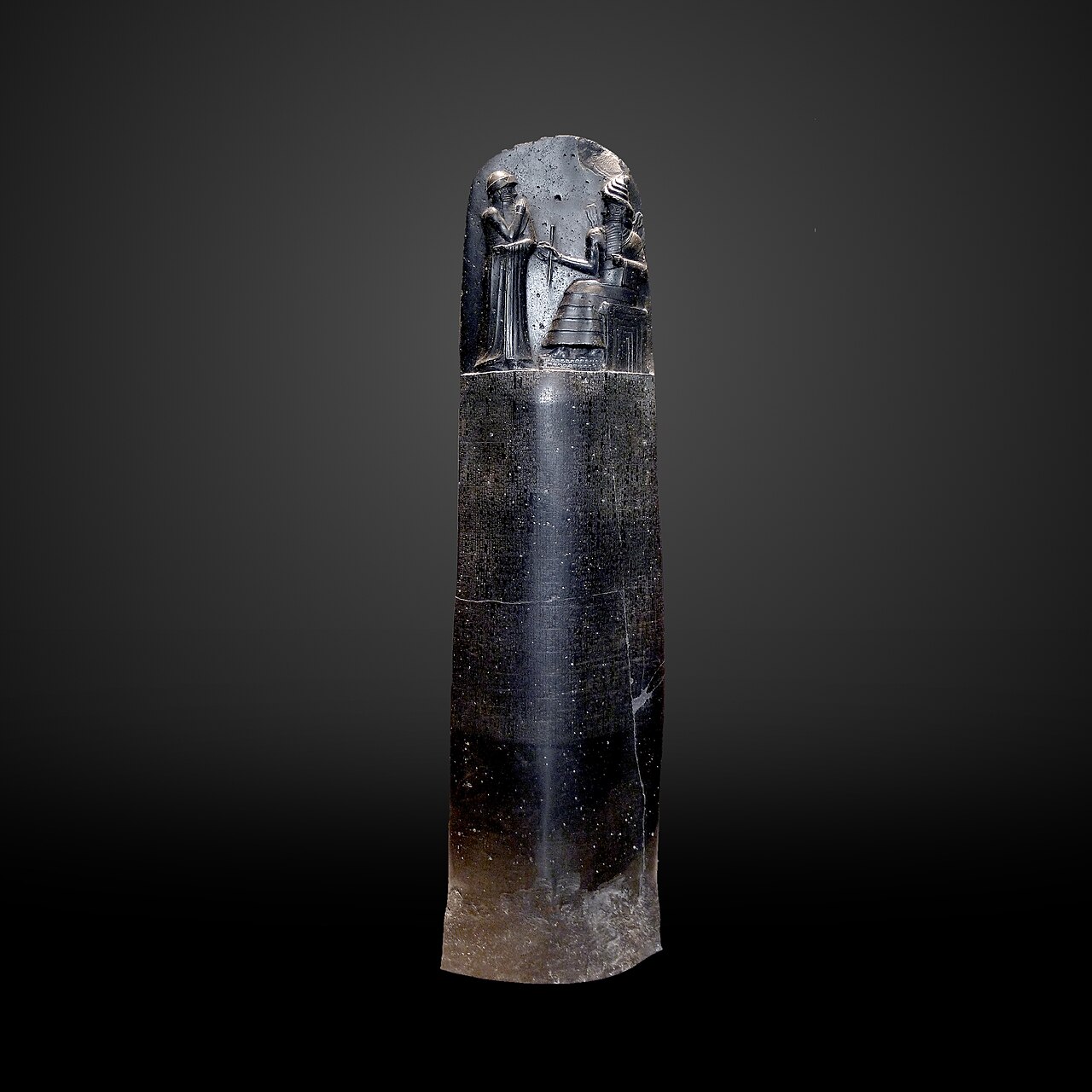 Document
Primary source
Code of Hammurabi
Hammurabi · c. 1753 BCE
 Letter
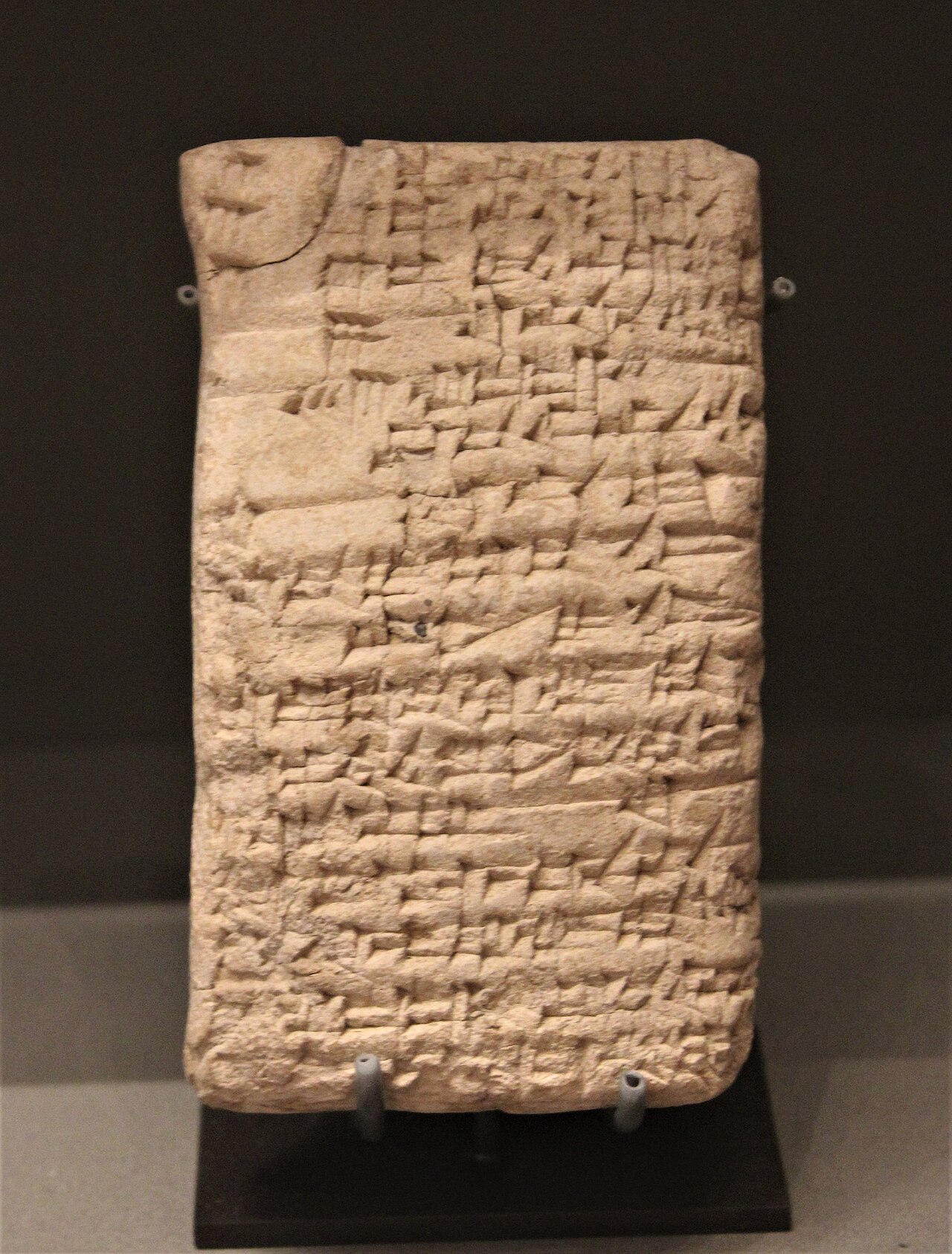
Primary source
Letter from Hammurabi to Sîn-iddinam
Hammurabi · c. 1792-1750 BCE
 Document
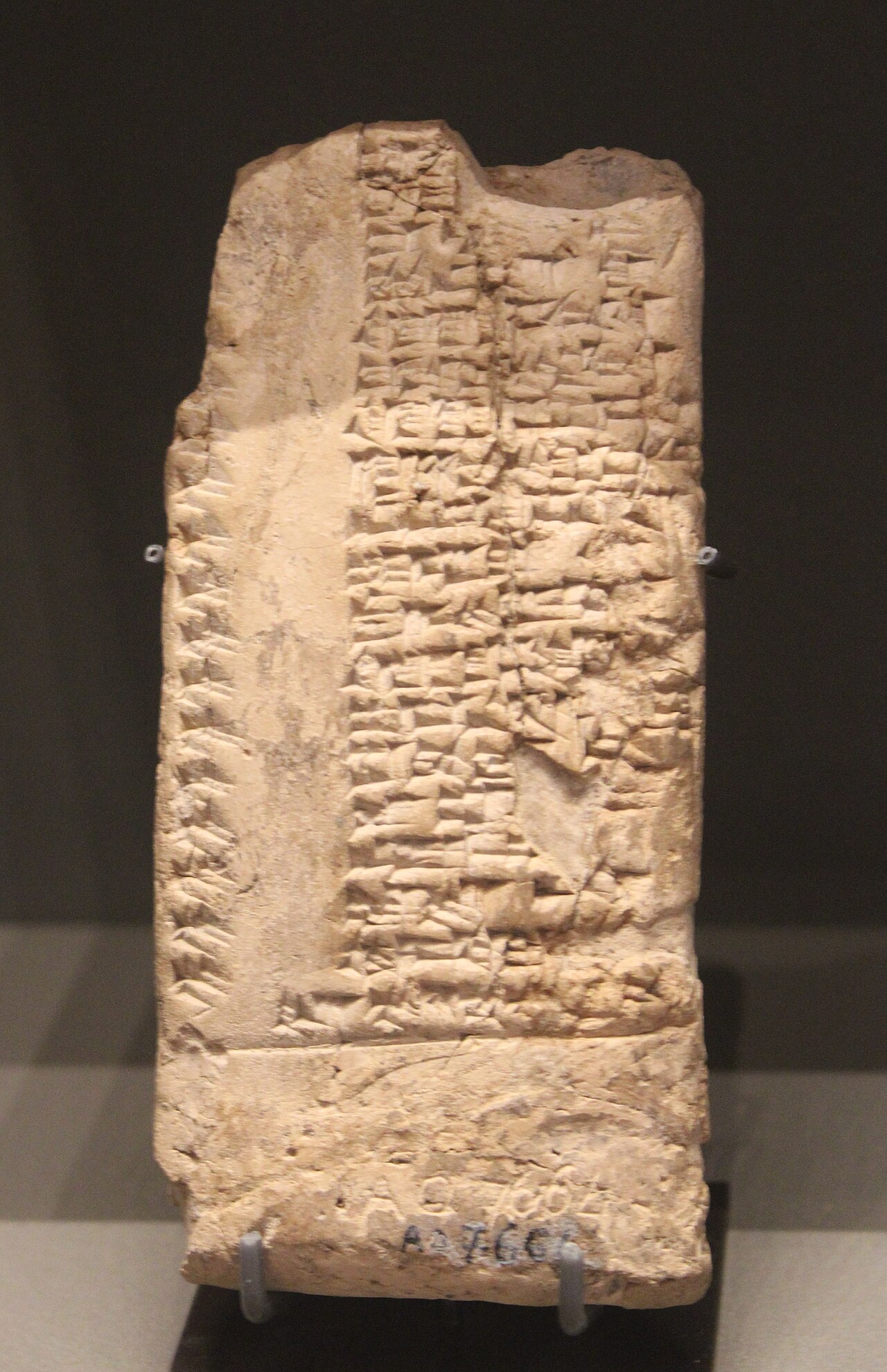
Primary source
List of the year-names of Hammurabi's reign
Old Babylonian period, reign of Hammurabi (c. 1792-1750 BCE)
 Document
Secondary source
Chronicle of Early Kings
Babylonian scribes · c. 6th century BCE copy
 Letter
Primary source
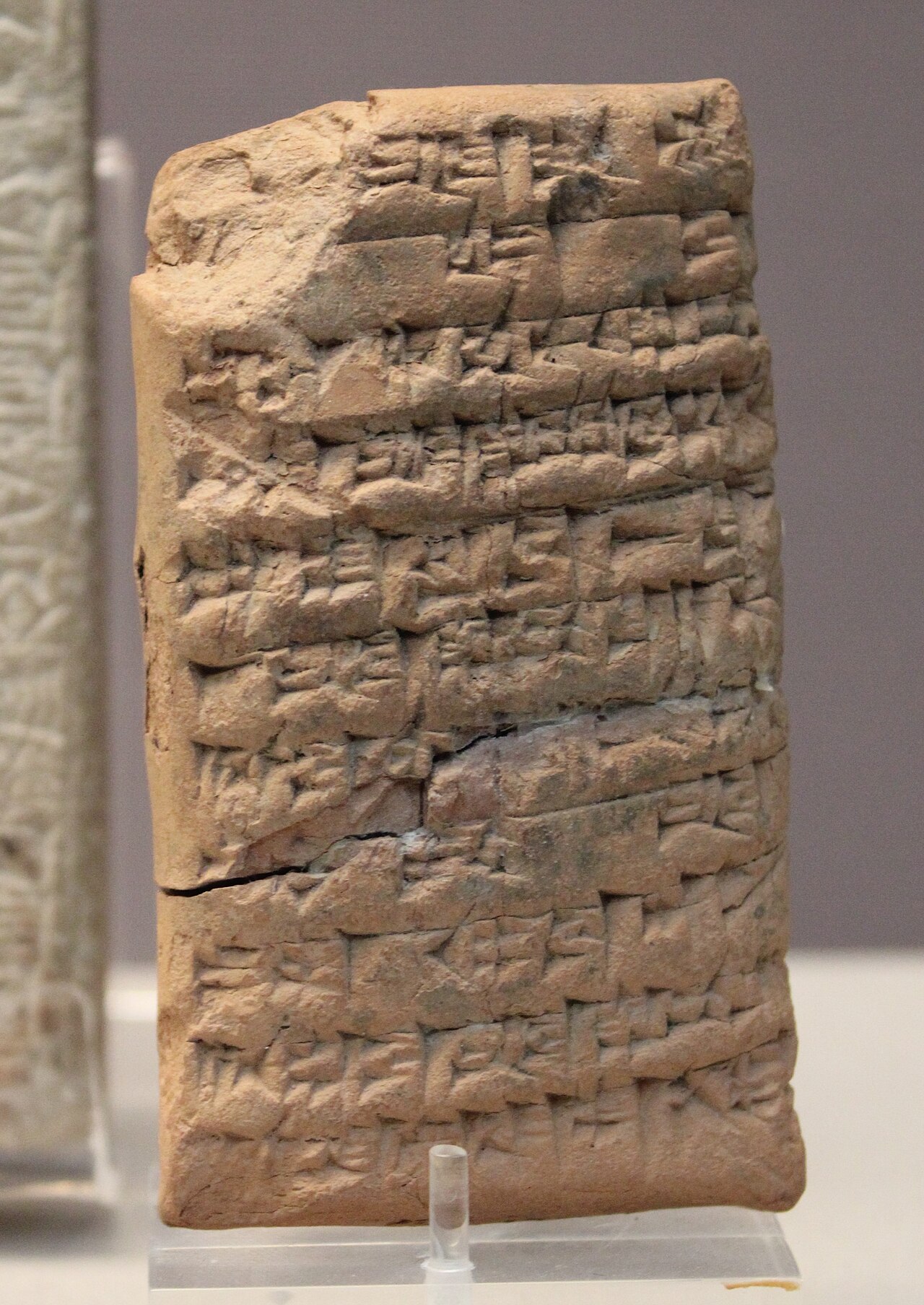
Letter from Hammurabi to Sîn-iddinam ordering a court hearing
Hammurabi · c. 1792-1750 BCE
Ready when you are
Start chatting with Hammurabi now.
20 messages free · No credit card · Available in 50+ languages.