


Secondary sourceDocumentc. 11th-12th century
Codex Bodleianus
c. 11th-12th century
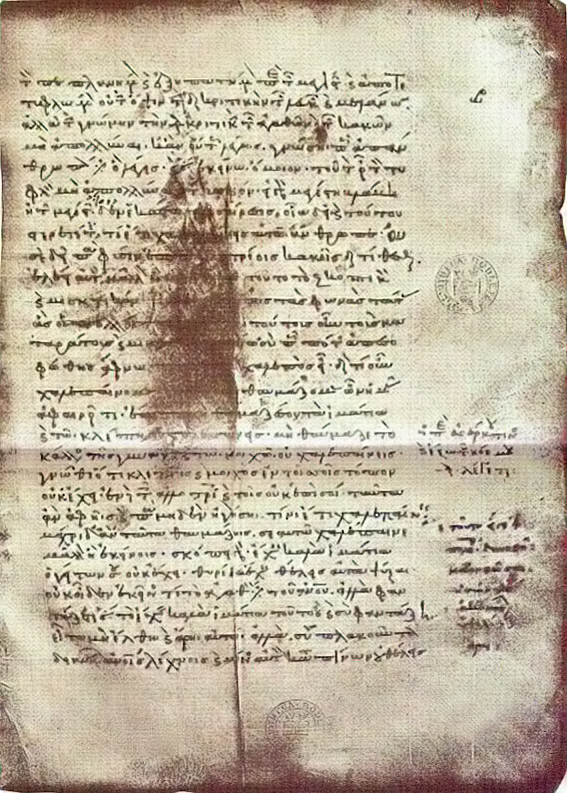
An 11th-12th century Byzantine manuscript in the Bodleian Library that is the archetype from which all surviving copies of Epictetus's Discourses descend.
The oldest surviving manuscript transmitting Epictetus's recorded teachings to the modern world.
About this source
What it is
This is a medieval Greek manuscript held at the Bodleian Library, dating to around the 11th or 12th century. It contains the Discourses of Epictetus, as recorded by his pupil Arrian, and is the oldest known copy from which all later surviving texts descend.
Why it matters
Without this single manuscript, much of what we know of Epictetus's teaching might have been lost entirely. A large stain obscures part of the text, showing how fragile and accidental the survival of ancient writings can be. It is a reminder that what we read today passed through many hands and centuries of copying.
Look closer
- What does the damage on this page tell you about the risks faced by texts copied by hand over centuries?
- Why do you think only one manuscript of this kind survived to become the source for all later copies?
- What might be missing from Epictetus's teaching because of lost pages or books?
This document is part of the curated material that grounds the AI version of Epictetus on Humy.ai — when students ask about related events, the AI can quote it and cite it.
More Epictetus sources
Meet the AI Epictetus →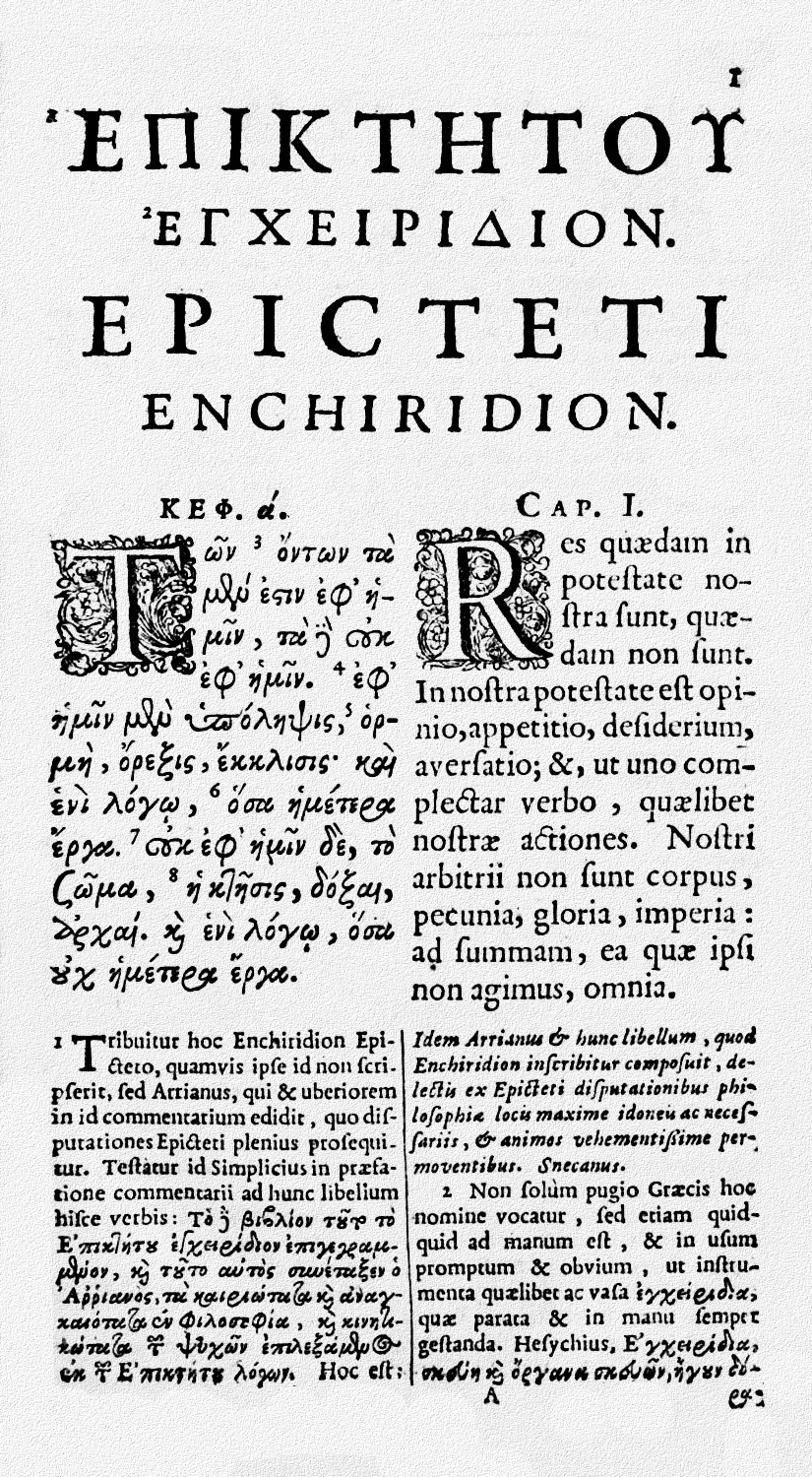 Book
Secondary source
Enchiridion of Epictetus
Arrian · early 2nd century AD (this edition 1683)
BookSecondary source
Discourses of Epictetus
Arrian · c. 108 AD
 Book
Primary source
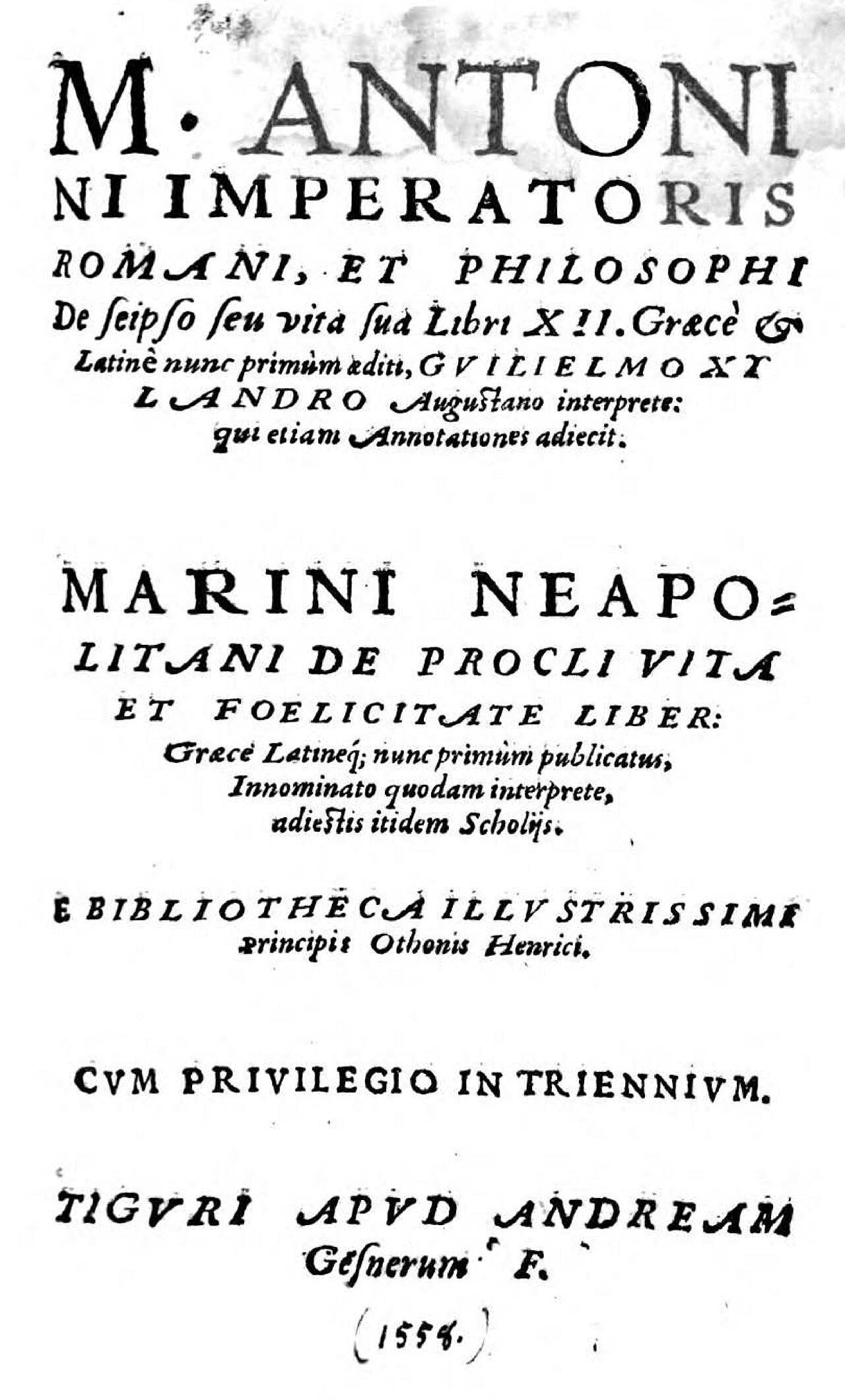
Meditations
Marcus Aurelius · c. 170-180 AD (this edition printed 1558)
 Book
Secondary source
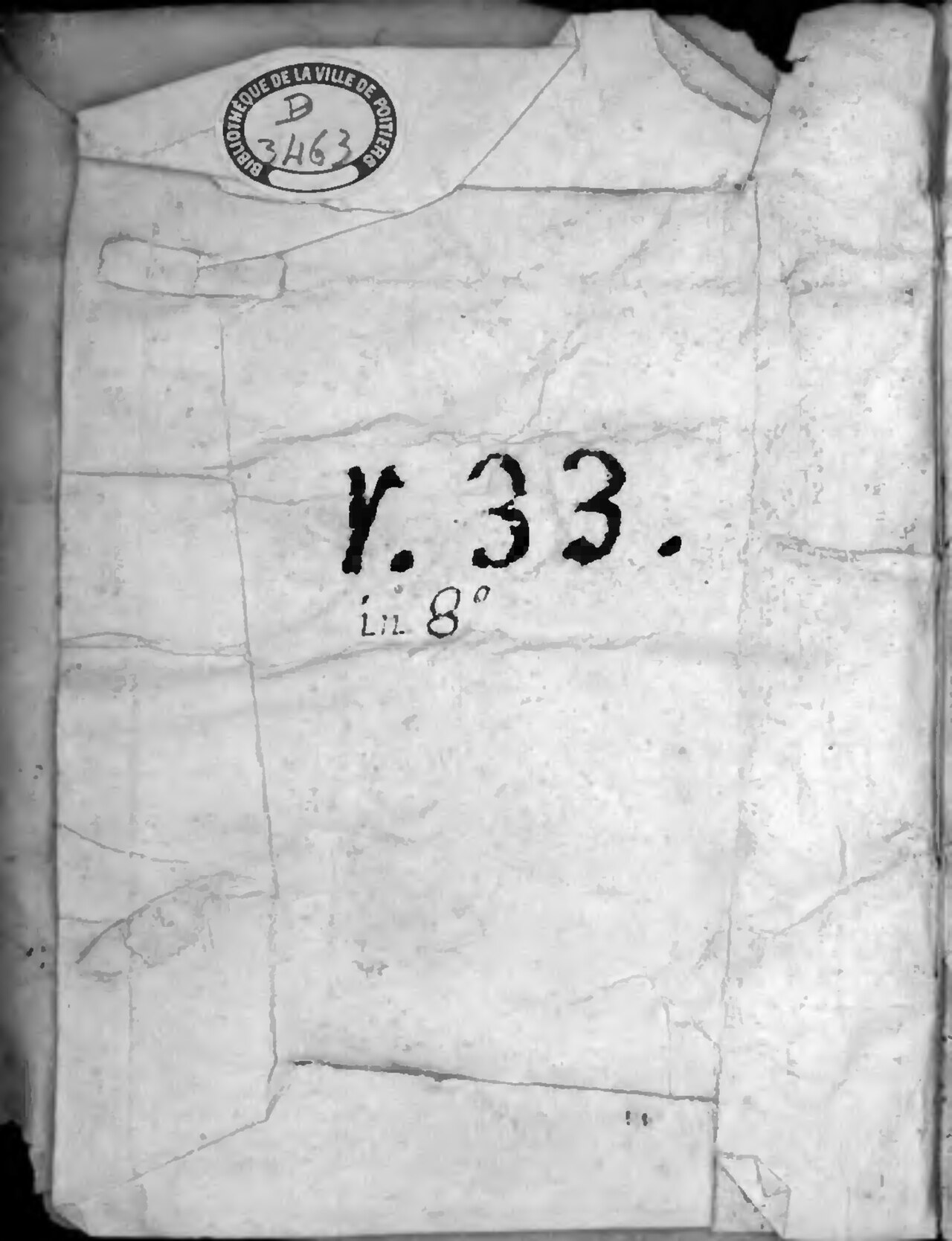
Altercacion, dialogue de l'Empereur Adrian et du Philosophe Epictete
Jean de Coras (translator)
 Book
Secondary source
Commentary on the Enchiridion of Epictetus
Simplicius of Cilicia · c. 530s AD
Ready when you are
Start chatting with Epictetus now.
20 messages free · No credit card · Available in 50+ languages.