


Secondary sourceBookc. 530s AD
Commentary on the Enchiridion of Epictetus
Simplicius of Cilicia · c. 530s AD
A 6th-century Neoplatonist commentary by Simplicius of Cilicia on Epictetus's Enchiridion, an important source for what later generations knew of his life.
A late-antique commentary that records key biographical details about Epictetus, including his lameness.

About this source
What it is
This is a commentary on the Enchiridion of Epictetus, written by the Neoplatonist philosopher Simplicius of Cilicia around the 530s AD, several centuries after Epictetus's death. The image shows the leather cover of a 1721 English edition pairing Epictetus's text with Simplicius's commentary.
Why it matters
Simplicius's commentary is the major surviving ancient reading of the Enchiridion, and it records the detail that Epictetus was lame from childhood. It shows how later philosophers kept engaging with Epictetus's teaching long after his lifetime, and it is one of the few ancient sources for facts about his life.
Look closer
- Why might details about Epictetus's physical condition matter to later readers of his philosophy?
- What does it mean that much of what we know about Epictetus comes from someone writing centuries after he died?
- How might a commentator's own philosophical views shape the way he explains an earlier thinker's words?
This book is part of the curated material that grounds the AI version of Epictetus on Humy.ai — when students ask about related events, the AI can quote it and cite it.
More Epictetus sources
Meet the AI Epictetus →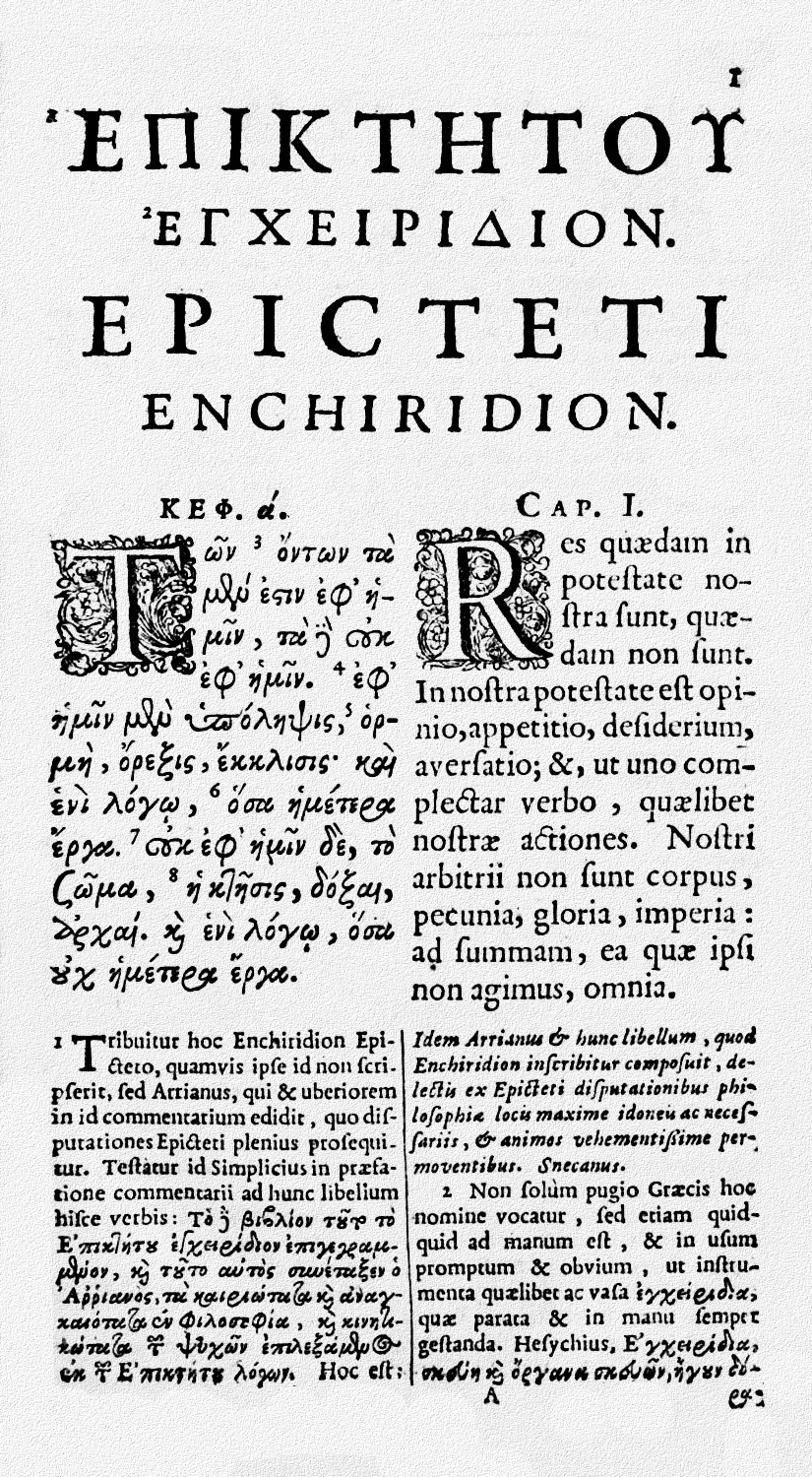 Book
Secondary source
Enchiridion of Epictetus
Arrian · early 2nd century AD (this edition 1683)
 Book
Secondary source
Discourses of Epictetus
Arrian · c. 108 AD
DocumentSecondary source
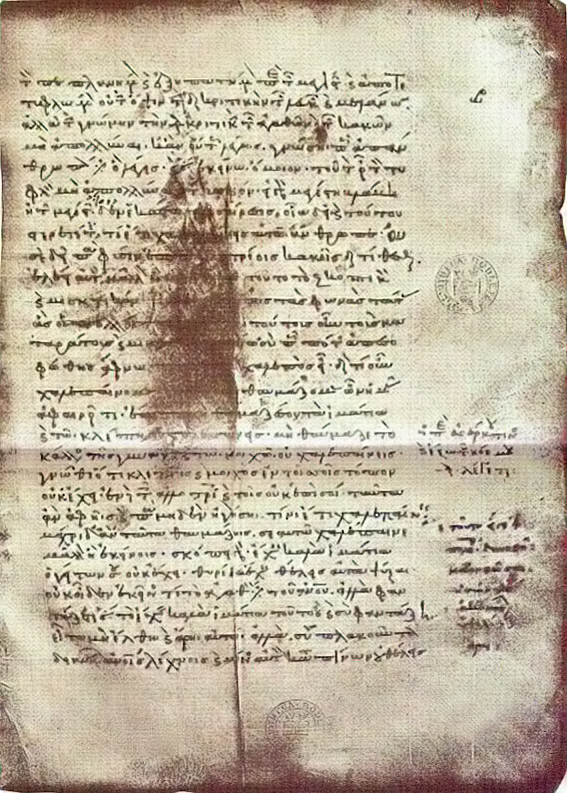
Codex Bodleianus
c. 11th-12th century
 Book
Primary source
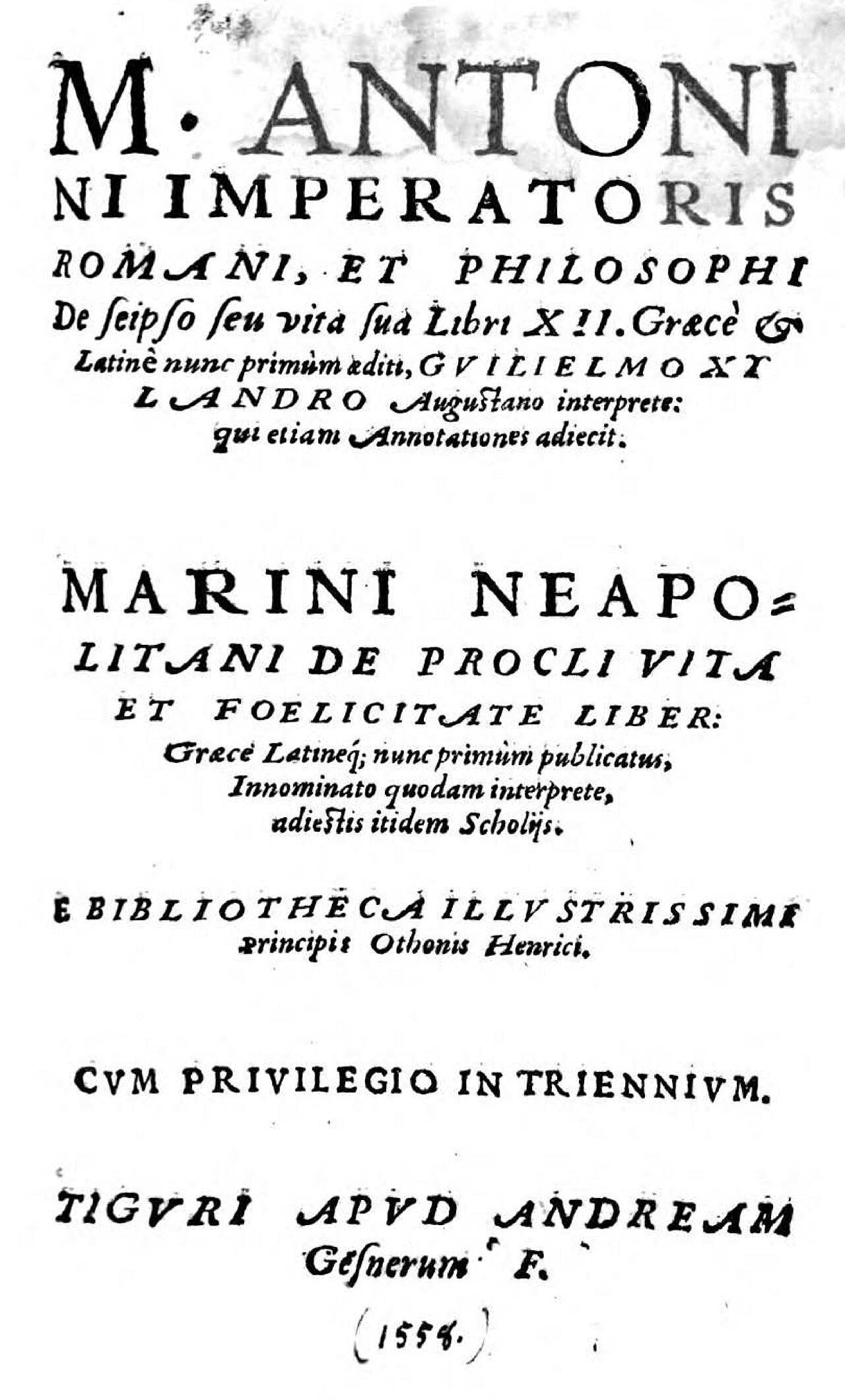
Meditations
Marcus Aurelius · c. 170-180 AD (this edition printed 1558)
 Book
Secondary source
Altercacion, dialogue de l'Empereur Adrian et du Philosophe Epictete
Jean de Coras (translator)
Ready when you are
Start chatting with Epictetus now.
20 messages free · No credit card · Available in 50+ languages.