


Secondary sourceBook
Commentaria in libros Aristotelis
Thomas Aquinas
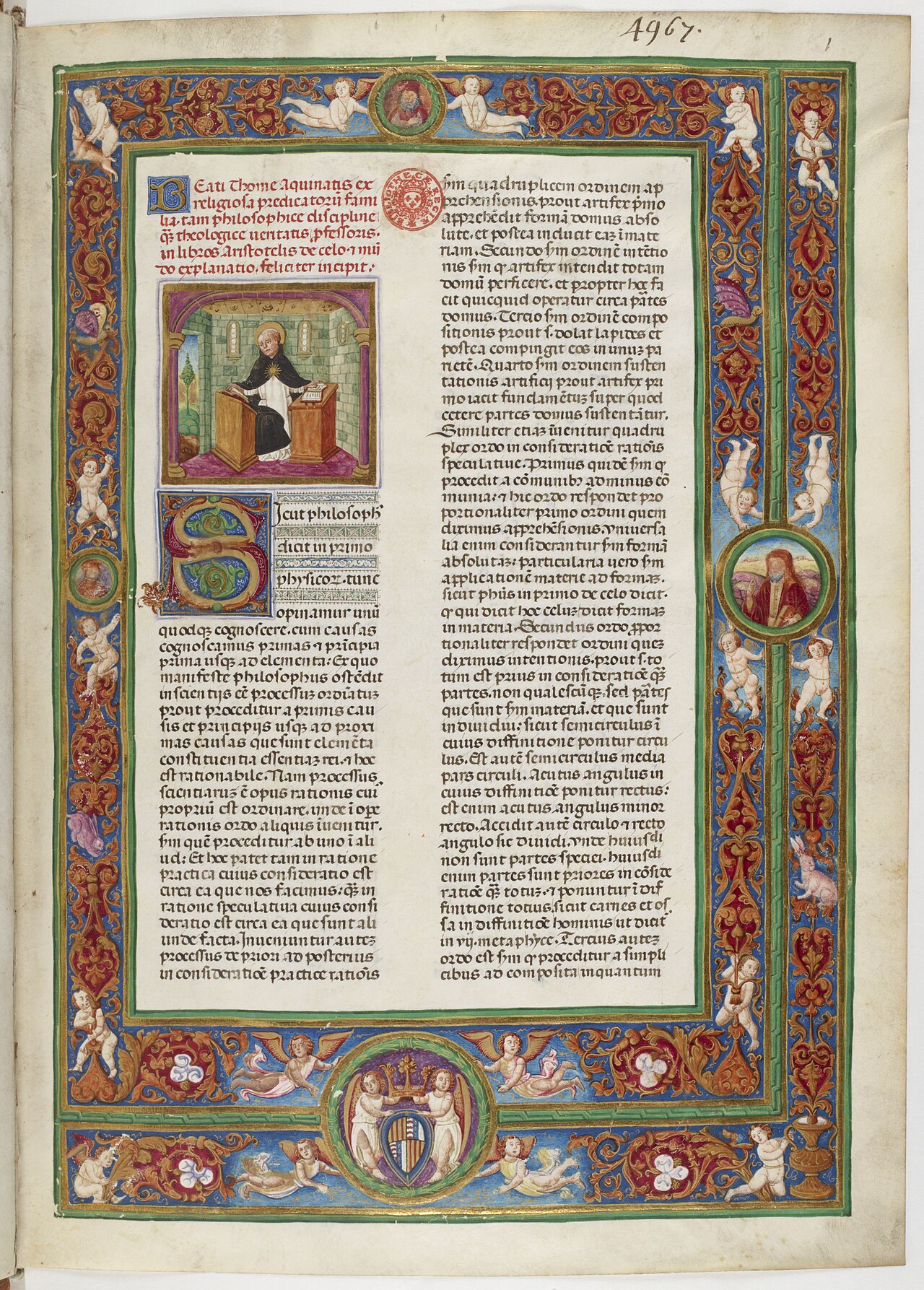
An illuminated Renaissance manuscript page of Thomas Aquinas's commentaries on Aristotle, showing how his philosophical works were copied for great libraries.
This luxury manuscript copies Aquinas's own commentaries on Aristotle, showing their lasting prestige.
About this source
What it is
This is a page from an illuminated manuscript of Thomas Aquinas's commentaries on the works of Aristotle, decorated by Matteo Felice. The page shows Latin text in two columns within an ornate gold, red and blue border, with a miniature of a robed scholar writing at a lectern.
Why it matters
The manuscript copies Aquinas's own commentaries, in which he worked through Aristotle's philosophy alongside theological questions. Its fine decoration shows that his writings were prized enough, long after his death, to be copied in luxury form for a prestigious library, reflecting his lasting authority as a philosopher and theologian.
Look closer
- Why would a copy of a philosophical text be decorated so elaborately?
- What does the miniature of a scholar writing suggest about how readers imagined Aquinas at work?
- What can you tell about the importance of a text from how carefully it was copied and illustrated?
This book is part of the curated material that grounds the AI version of Saint Thomas Aquinas on Humy.ai — when students ask about related events, the AI can quote it and cite it.
More Saint Thomas Aquinas sources
Meet the AI Saint Thomas Aquinas →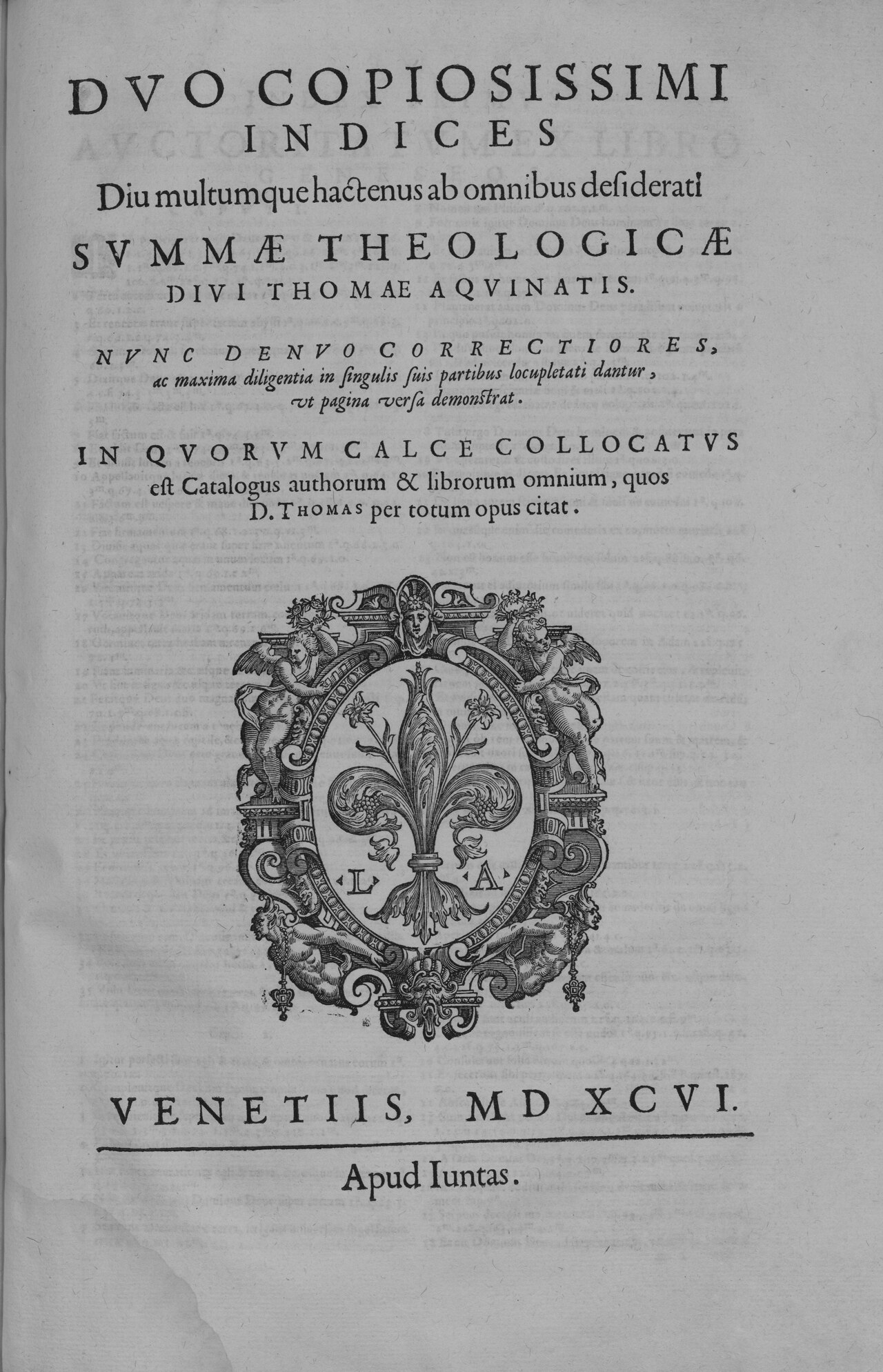 Book
Primary source
Summa Theologica
Thomas Aquinas · 1274
 Painting
Secondary source
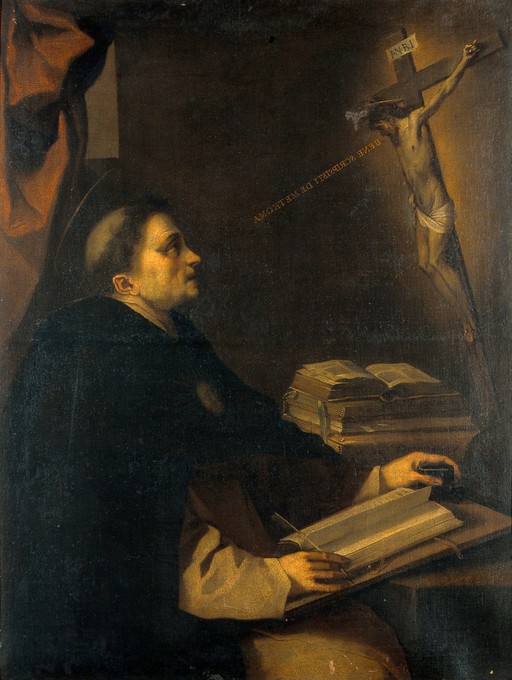
St Thomas Aquinas, 17th-century Italian oil painting
17th century
Primary source
Pange Lingua Gloriosi Corporis Mysterium
Thomas Aquinas · 1263
 Painting
Secondary source
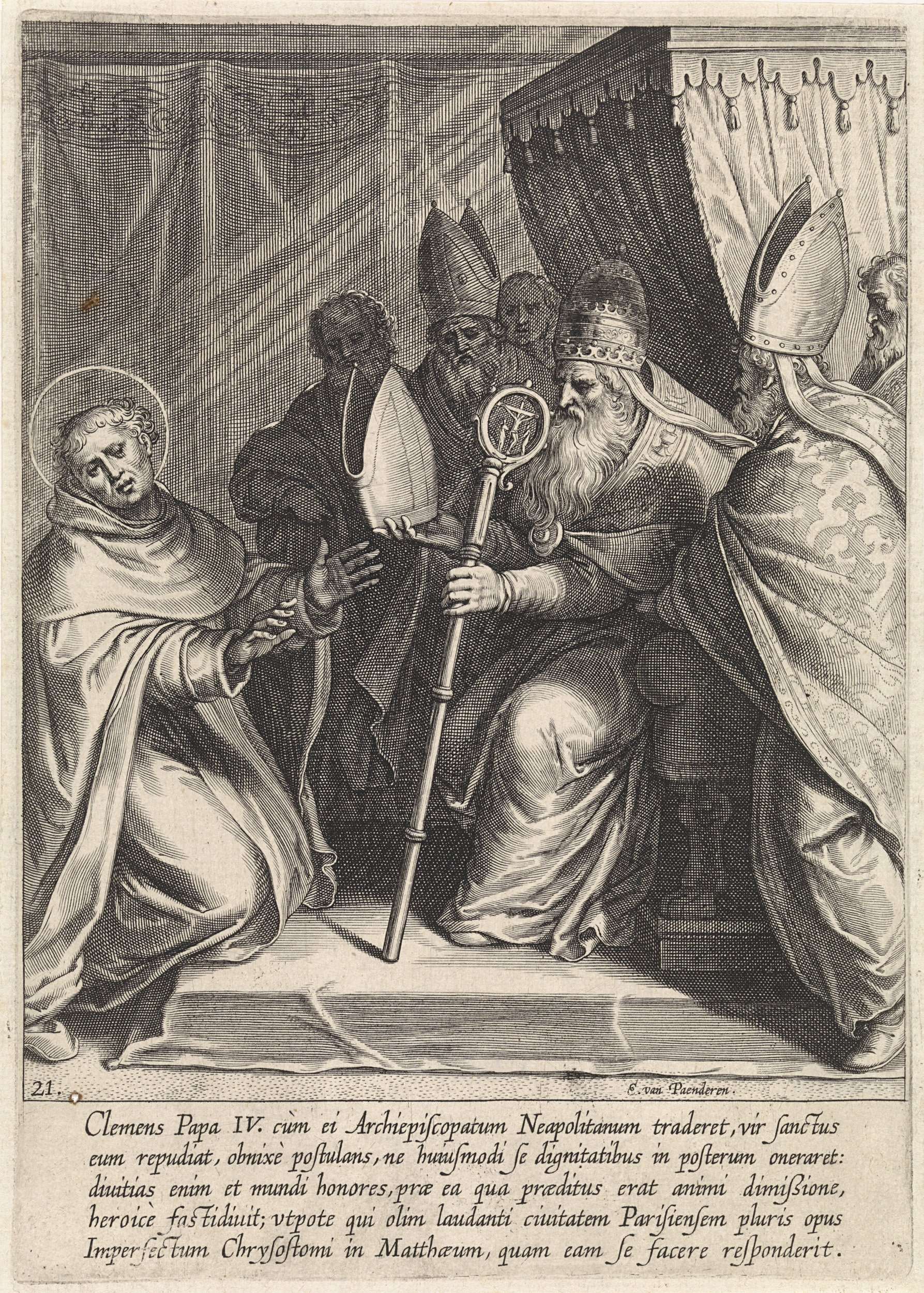
Thomas Aquinas Refuses the Archbishopric of Naples
1610
 Painting
Secondary source
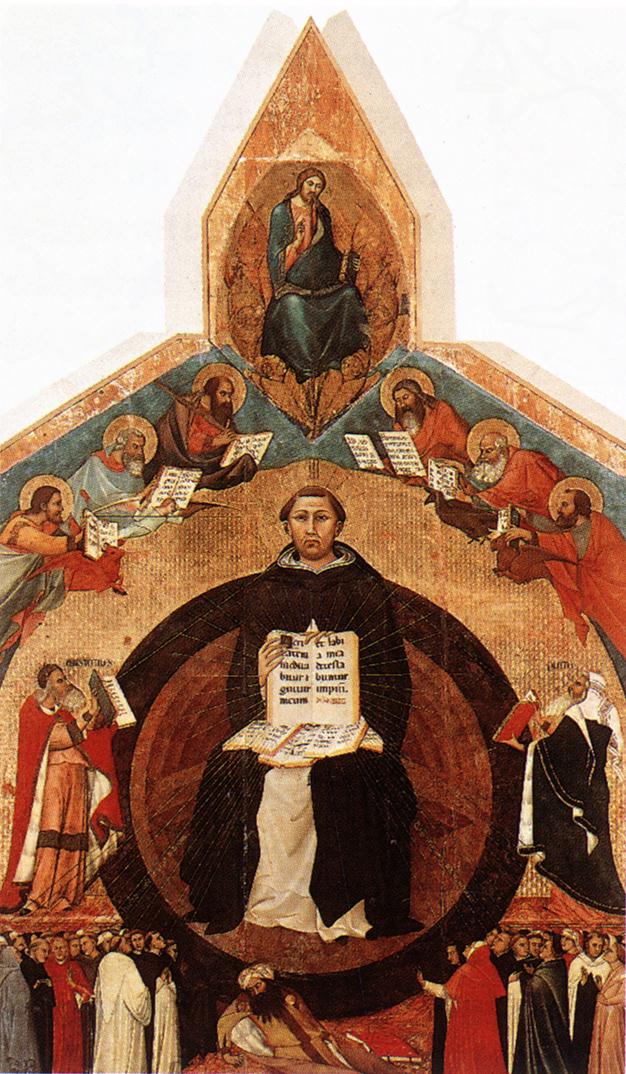
Triumph of Saint Thomas Aquinas
Lippo Memmi · 1340
Ready when you are
Start chatting with Saint Thomas Aquinas now.
20 messages free · No credit card · Available in 50+ languages.