


Primary sourceDocument1210–1277
Condemnations of 1210–1277
1210–1277
Lists of propositions condemned as heretical by the Bishop of Paris, some touching on Thomist Aristotelian positions.
Issued soon after his death, these condemnations show how controversial Aquinas's Aristotelian ideas were.
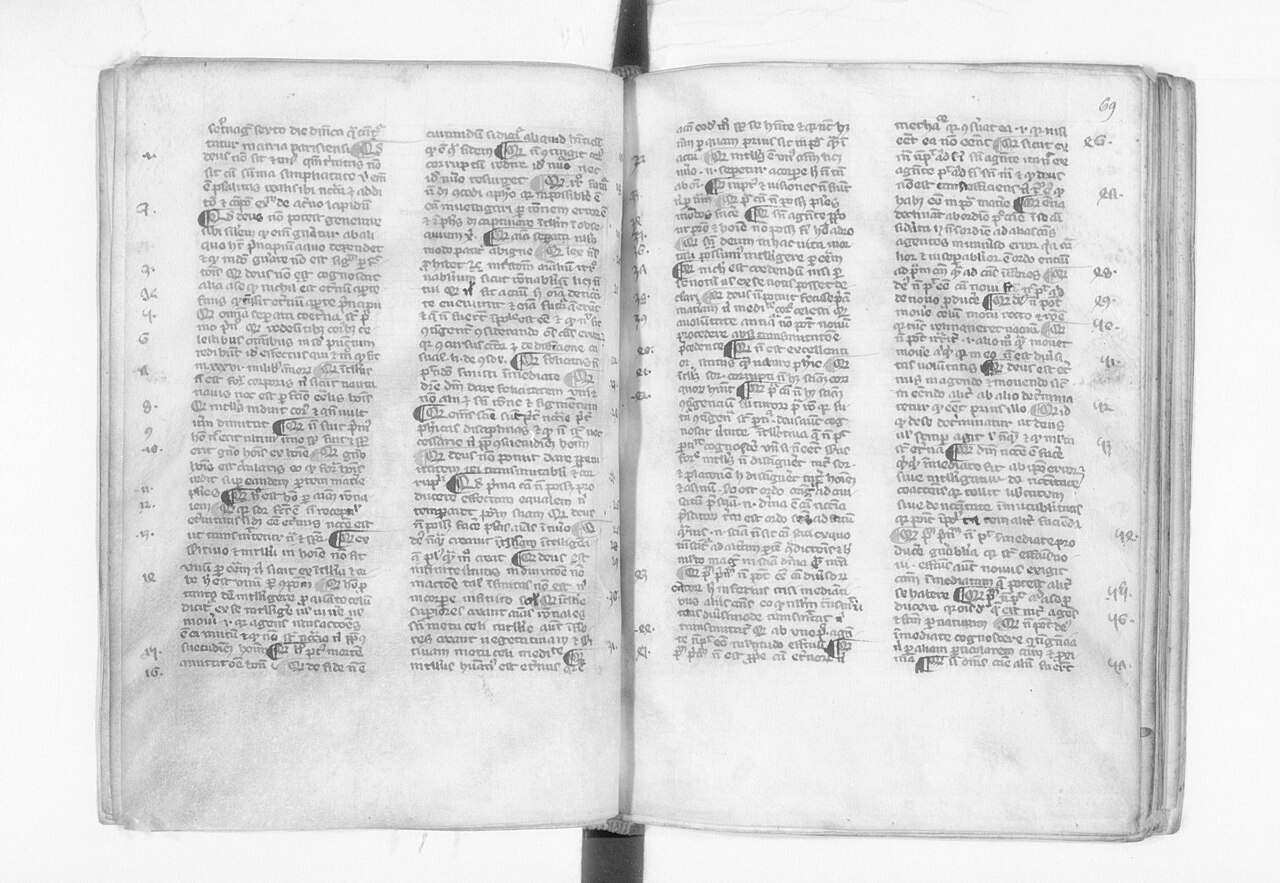
About this source
What it is
These are lists of theological and philosophical propositions condemned as heretical by the Bishop of Paris between 1210 and 1277, held in the records of the University of Paris. The most famous, the Condemnation of 1277 issued by Bishop Étienne Tempier, listed 219 banned propositions.
Why it matters
Issued only a few years after Thomas Aquinas's death, the condemnations targeted Aristotelian ideas that some of his positions touched on, showing how controversial his use of Aristotle's philosophy was within the Church itself. They reveal the tension between new philosophical ideas entering Europe and Church authorities trying to control them, and some historians link the condemnations to the later rise of independent scientific questioning.
Look closer
- Why would Church authorities feel threatened by philosophical ideas taken from Aristotle?
- What does it suggest that a thinker as respected as Aquinas could still have his ideas brush against condemned propositions?
- What might be missing from a list of banned ideas that doesn't explain who actually taught them or why?
This document is part of the curated material that grounds the AI version of Saint Thomas Aquinas on Humy.ai — when students ask about related events, the AI can quote it and cite it.
More Saint Thomas Aquinas sources
Meet the AI Saint Thomas Aquinas →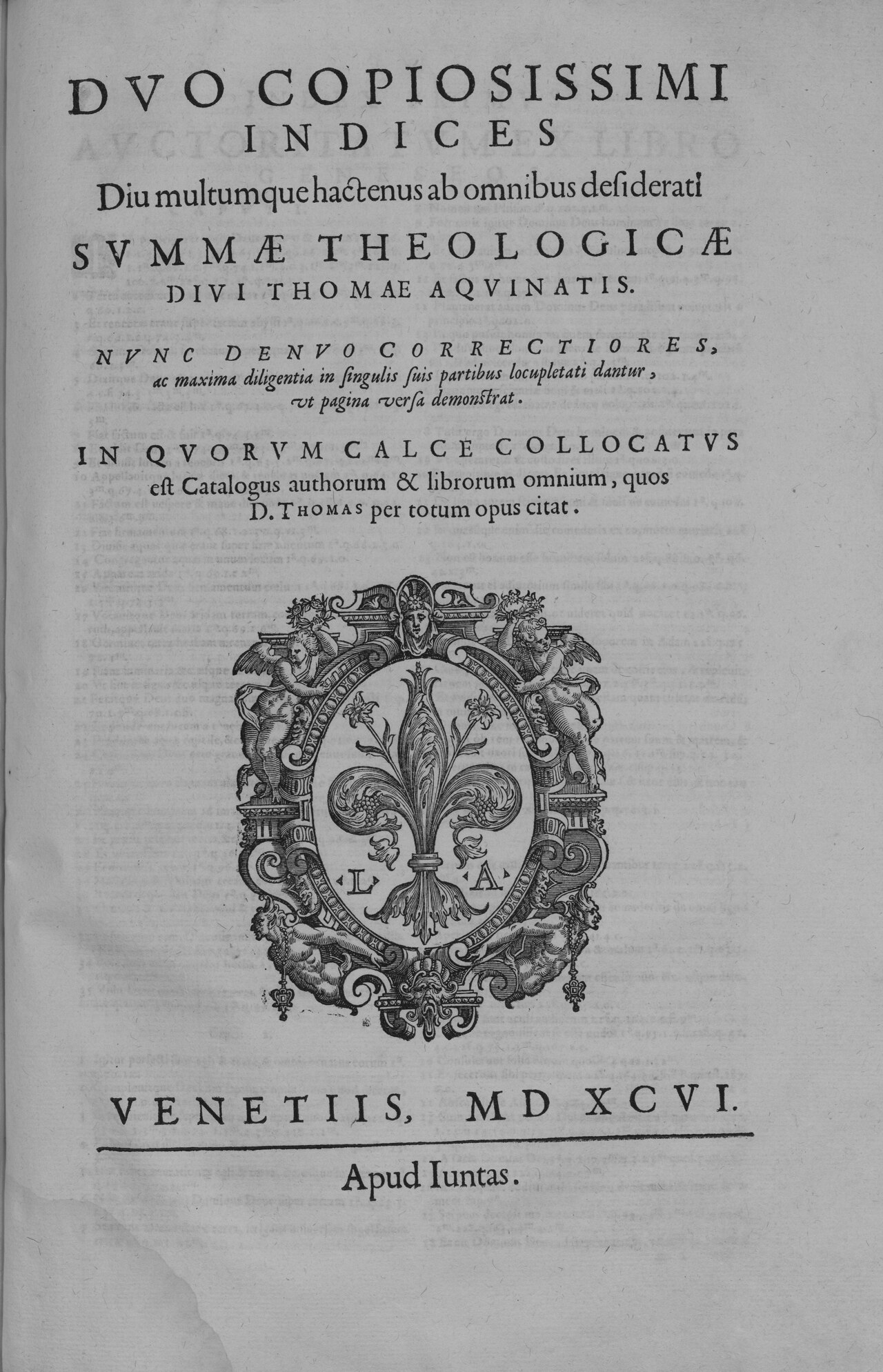 Book
Primary source
Summa Theologica
Thomas Aquinas · 1274
 Painting
Secondary source
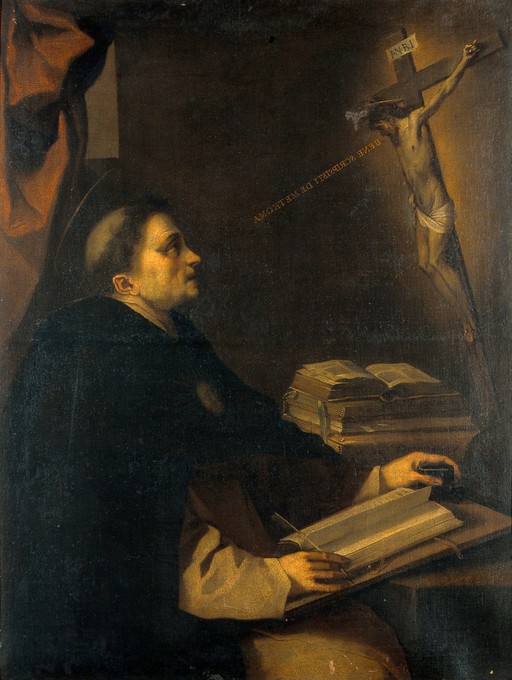
St Thomas Aquinas, 17th-century Italian oil painting
17th century
Primary source
Pange Lingua Gloriosi Corporis Mysterium
Thomas Aquinas · 1263
 Painting
Secondary source
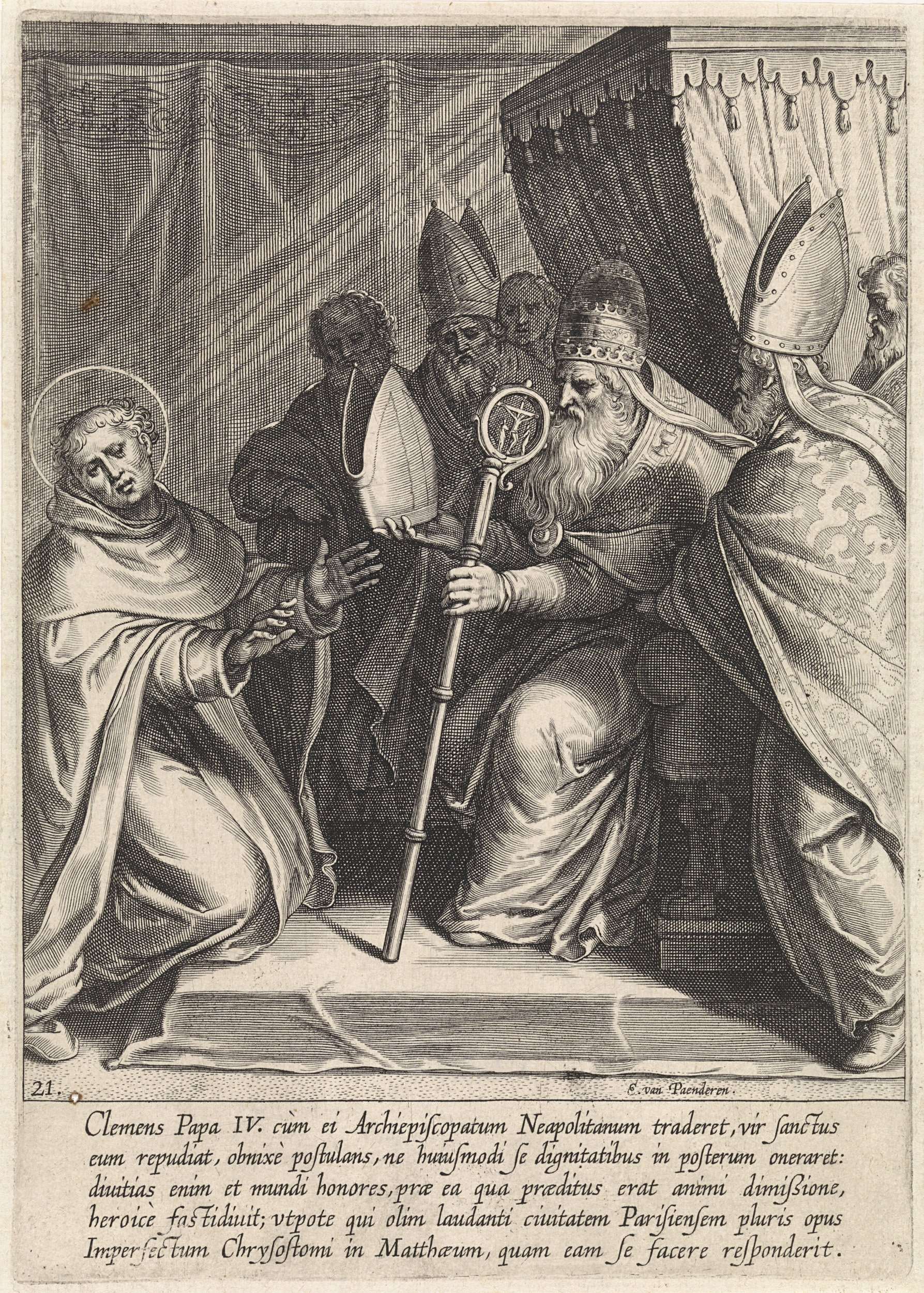
Thomas Aquinas Refuses the Archbishopric of Naples
1610
 Painting
Secondary source
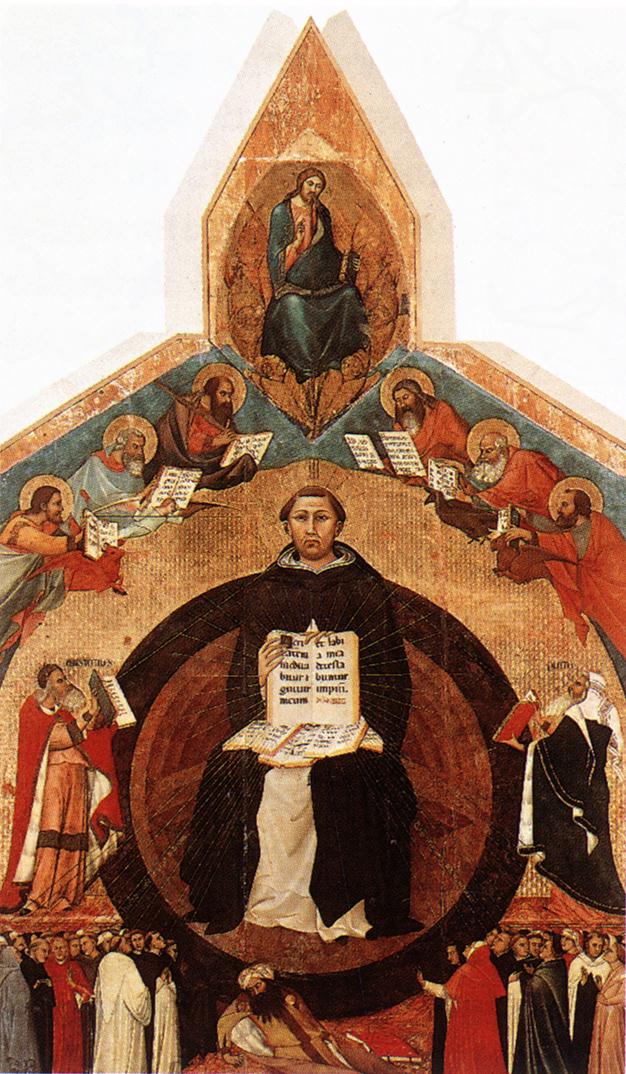
Triumph of Saint Thomas Aquinas
Lippo Memmi · 1340
Ready when you are
Start chatting with Saint Thomas Aquinas now.
20 messages free · No credit card · Available in 50+ languages.