


Primary sourceArtifact18th Dynasty
Copper Plate with Cartouche of Hatshepsut
18th Dynasty
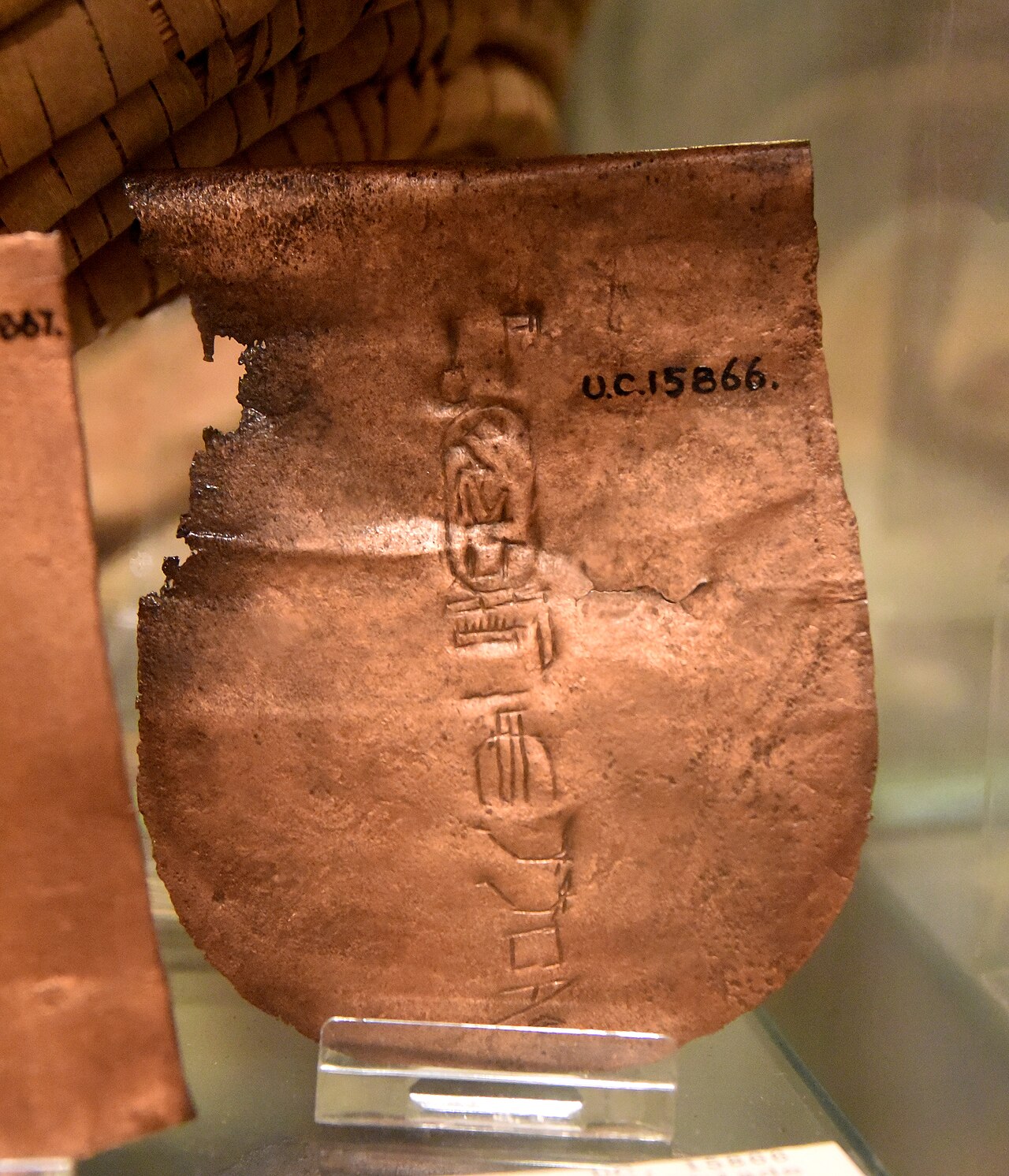
A corroded copper plate bearing Hatshepsut's cartouche, buried as part of a foundation deposit at Deir el-Bahri.
This plate from a foundation deposit bears Hatshepsut's cartouche, linking it to building works carried out under her.
About this source
What it is
This is a copper plate, probably part of an axe-blade, inscribed with the cartouche (royal name symbol) of Hatshepsut. It was found in a foundation deposit buried in a small pit covered with a mat at Deir el-Bahri, Egypt, dating to the 18th Dynasty. It is held at the Petrie Museum of Egyptian Archaeology, London.
Why it matters
Foundation deposits were buried by ancient Egyptians when starting a major building project, often at temples. This plate, marked with Hatshepsut's name, connects directly to construction carried out under her rule and shows how rulers linked their names to the buildings they created.
- Why would builders bury objects with a ruler's name before construction began?
- What does the corrosion of the metal tell us about how long it has been buried?
- What can a small object like this tell us that a grand monument cannot?
This artifact is part of the curated material that grounds the AI version of Hatshepsut on Humy.ai — when students ask about related events, the AI can quote it and cite it.
More Hatshepsut sources
Meet the AI Hatshepsut →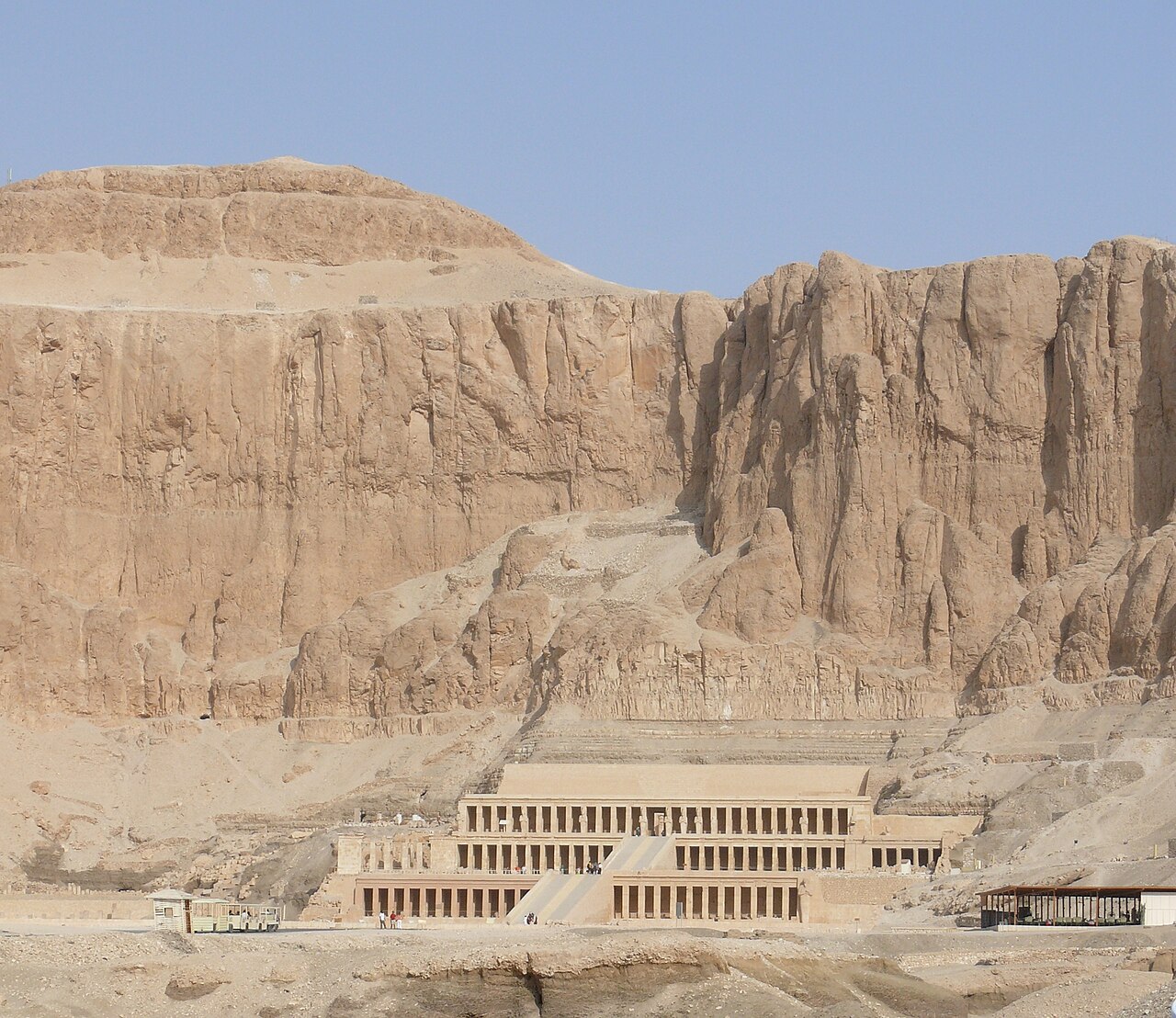 Artifact
Primary source
Mortuary Temple of Hatshepsut
Senenmut and/or Hapuseneb (attributed) · c. 1479–1458 BCE
 Photograph
Secondary source
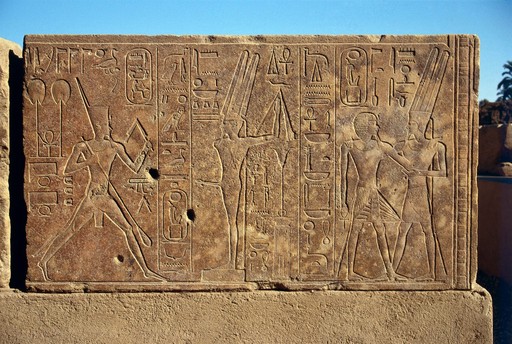
Hatshepsut Dancing Before Min, Karnak Relief
Carole Reeves · 1989
 Sculpture
Primary source
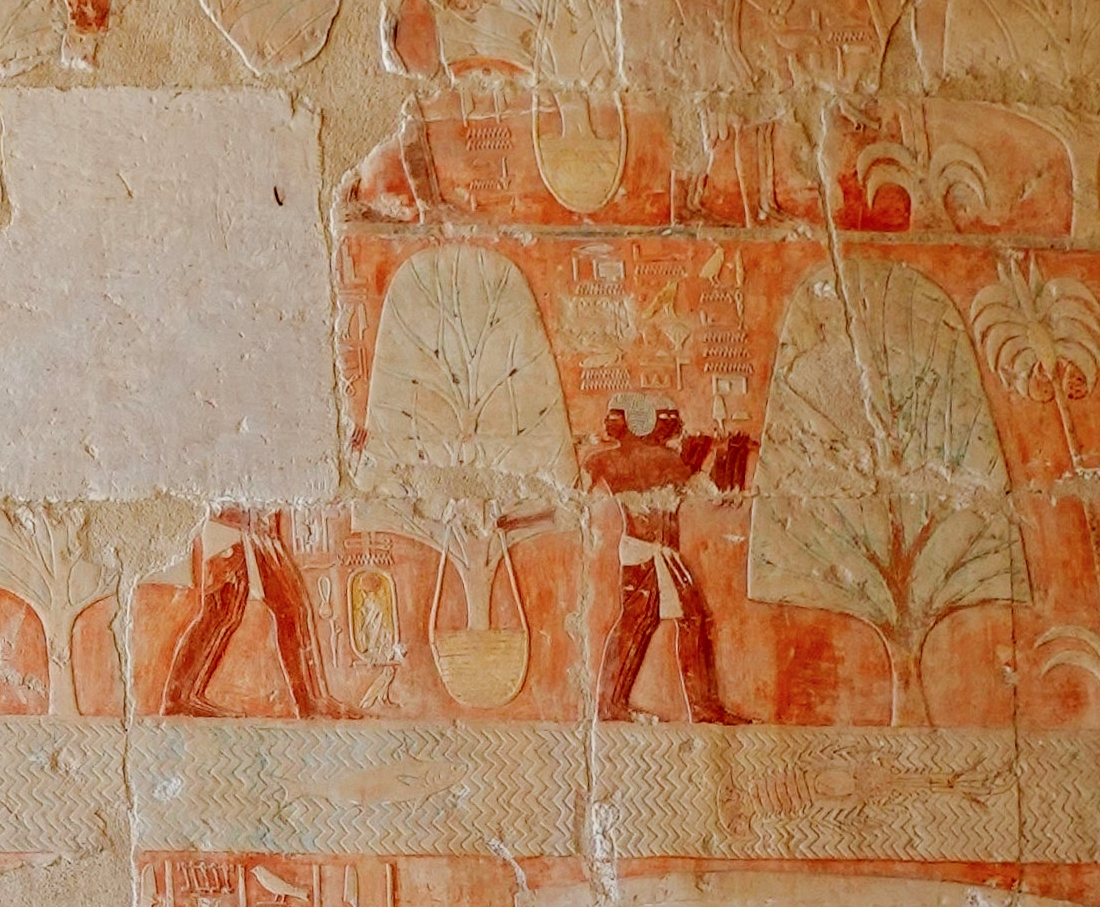
Punt Expedition Reliefs
Royal workshops of Hatshepsut · c. 1470 BCE
 Sculpture
Primary source
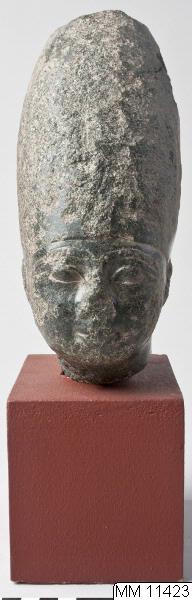
Sculpture Head Probably of Hatshepsut
 Sculpture
Primary source
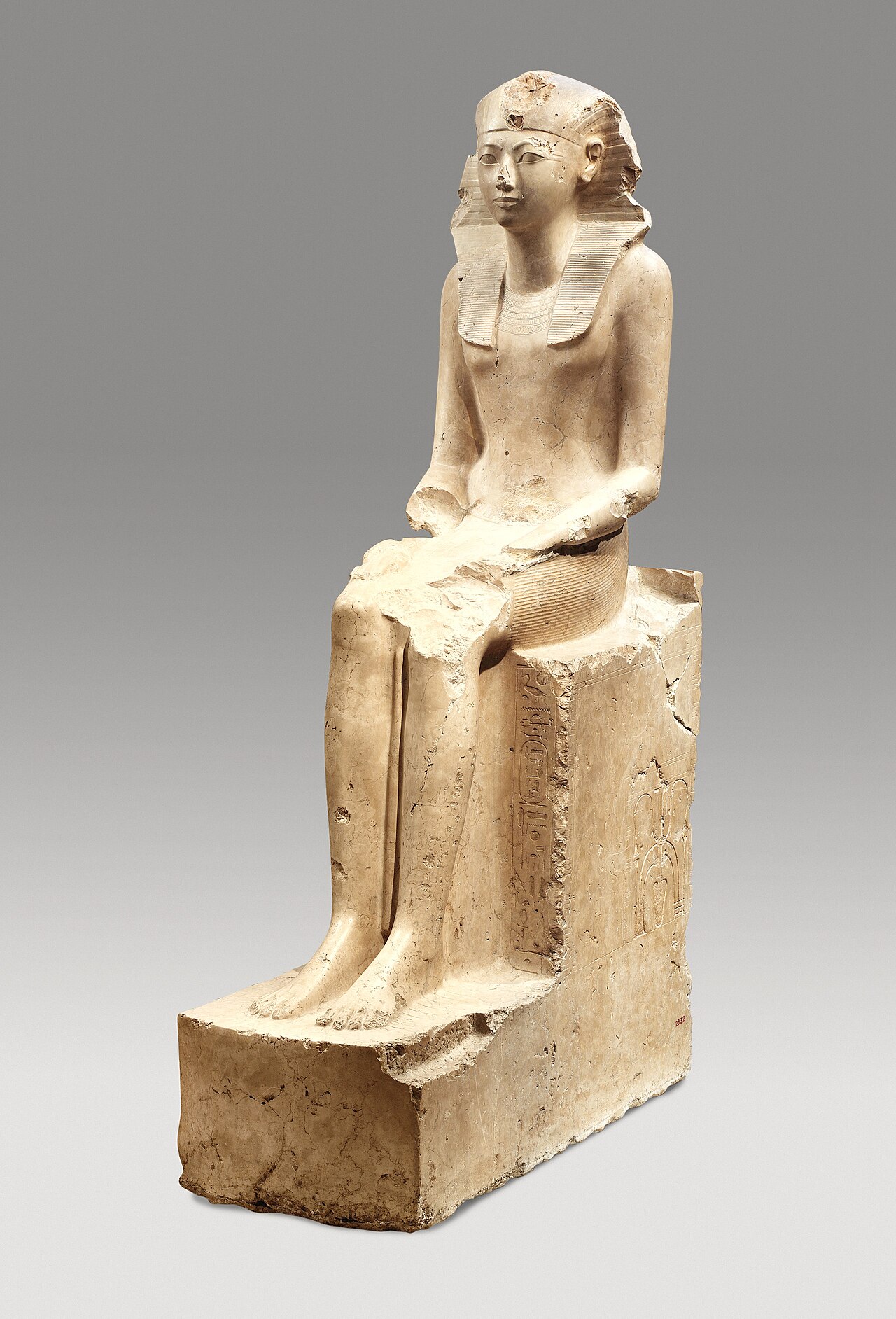
Seated Statue of Hatshepsut
c. 1466 BCE
Ready when you are
Start chatting with Hatshepsut now.
20 messages free · No credit card · Available in 50+ languages.