


Primary sourceBook
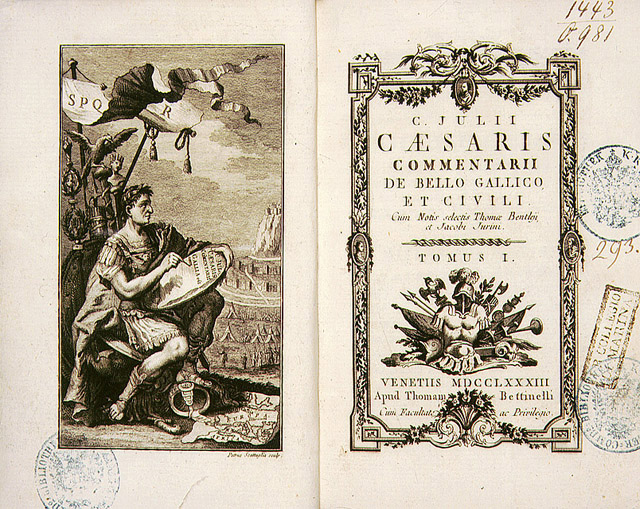
Corpus Caesarianum
Julius Caesar
Caesar's own military commentaries, together with continuations by his officers, form an eyewitness record of his campaigns written from inside his camp.
Caesar's own commentaries on his campaigns, continued by his officers, give his personal, eyewitness version of his wars.
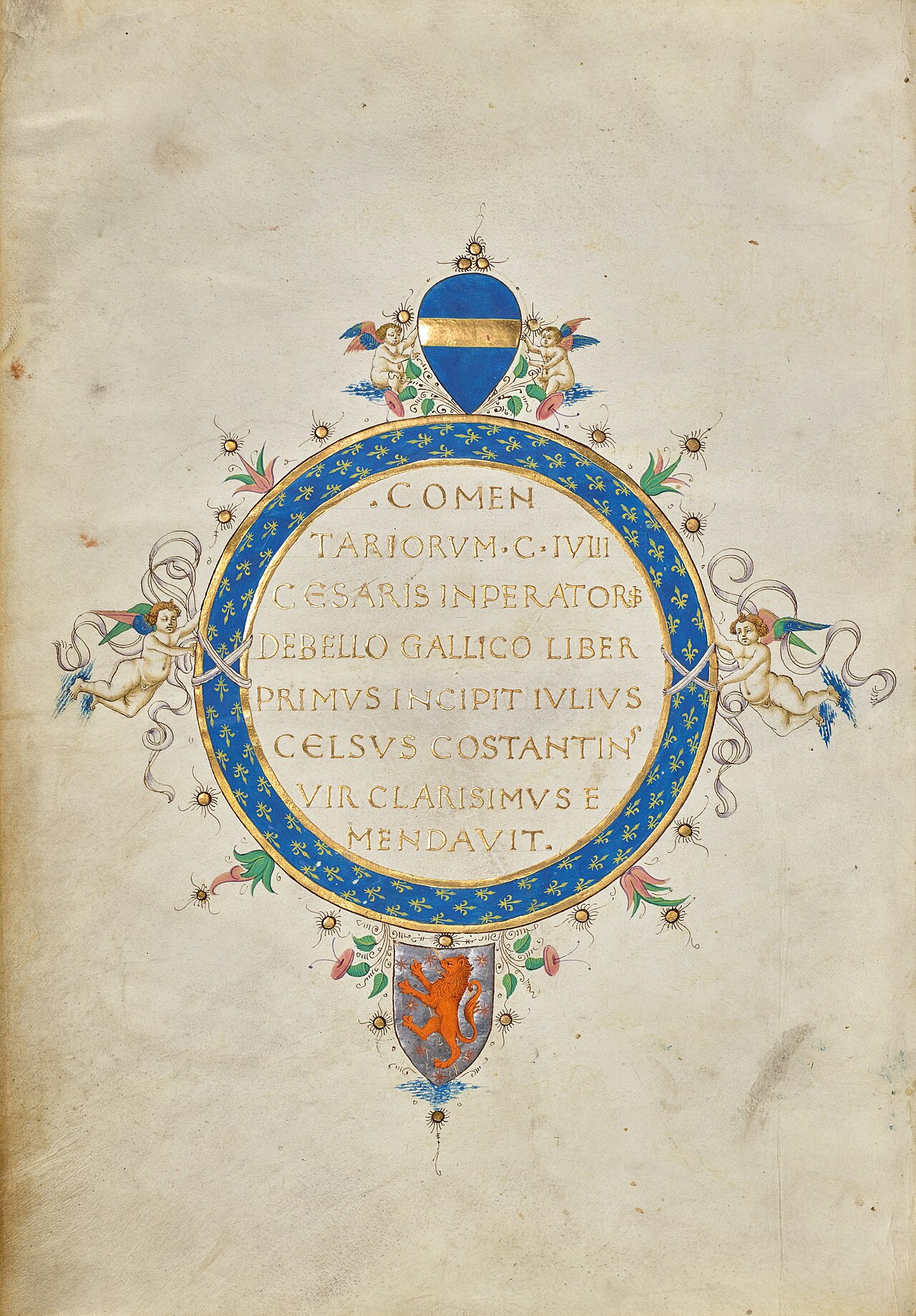
About this source
What it is
A group of works in Latin, the main ones written by Julius Caesar himself describing his campaigns, together with continuations written by his officers covering his later wars, including the Gallic War's final book and accounts of the Alexandrian, African and Spanish Wars.
Why it matters
These texts are rare examples of a general's own account of his campaigns, written to shape how Romans at home understood his victories. The continuations by his officers show how Caesar's circle kept writing his story after he could no longer write it himself.
Look closer
- Why might a general want to write his own account of a war?
- What might be left out or exaggerated in a commander's own version of events?
- How does it change the account that some parts were written by his officers rather than Caesar himself?
This book is part of the curated material that grounds the AI version of Julius Caesar on Humy.ai — when students ask about related events, the AI can quote it and cite it.
More Julius Caesar sources
Meet the AI Julius Caesar →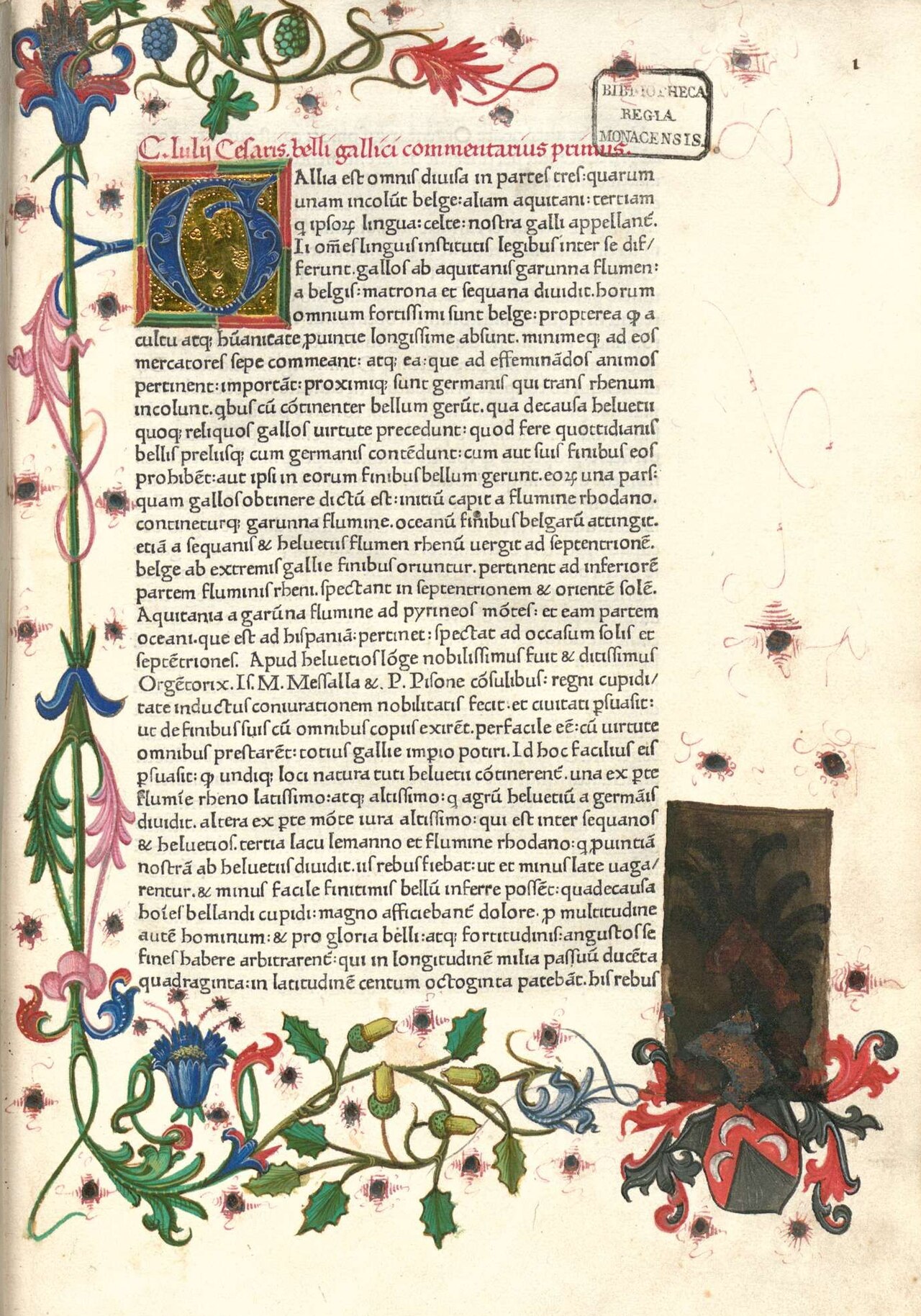 Book
Primary source
Commentarii de Bello Gallico
Julius Caesar · c. 58-50 BCE (this copy 1469)
 Painting
Secondary source
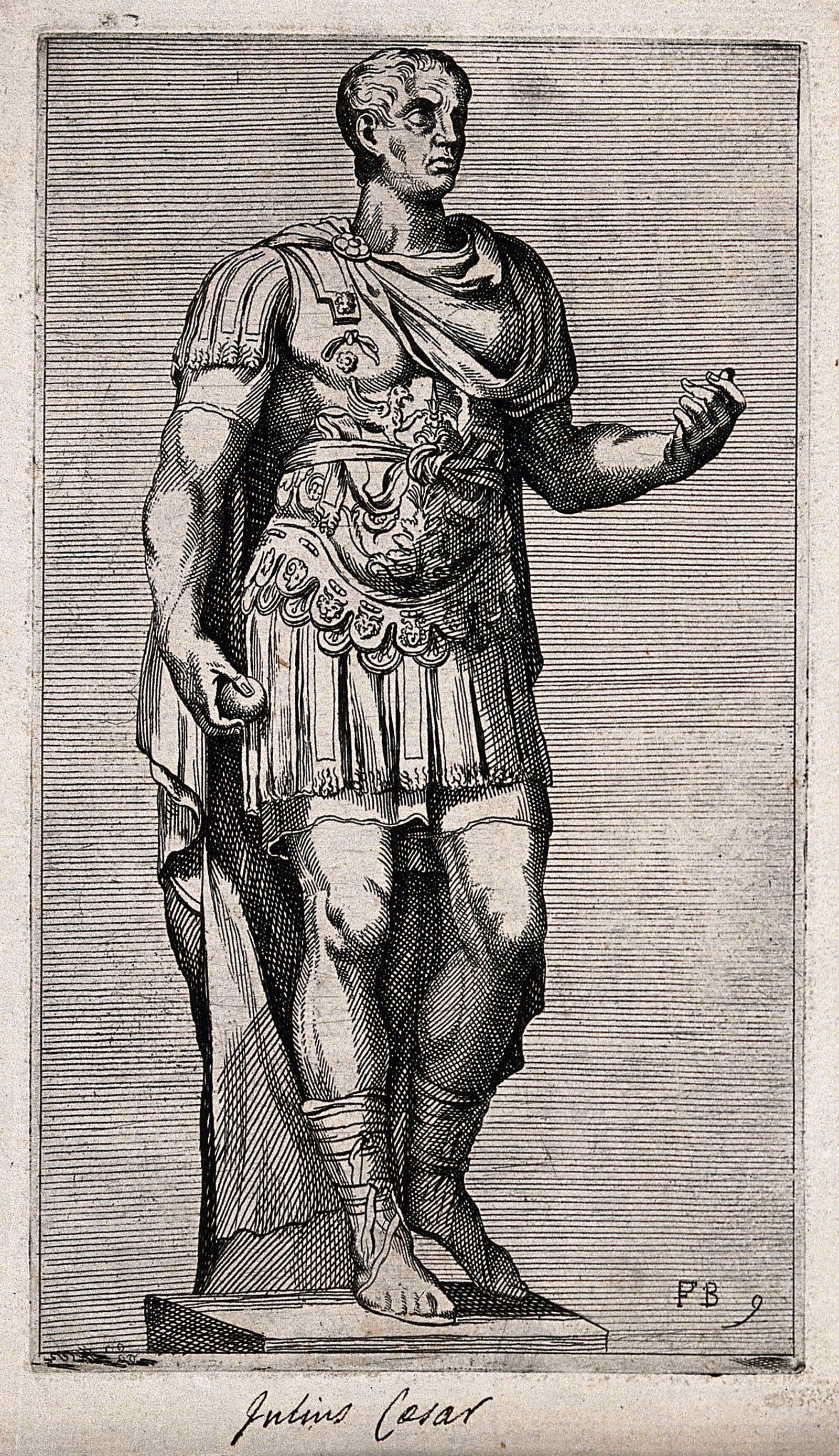
Etched Portrait of Julius Caesar
F. Perrier
 Painting
Secondary source
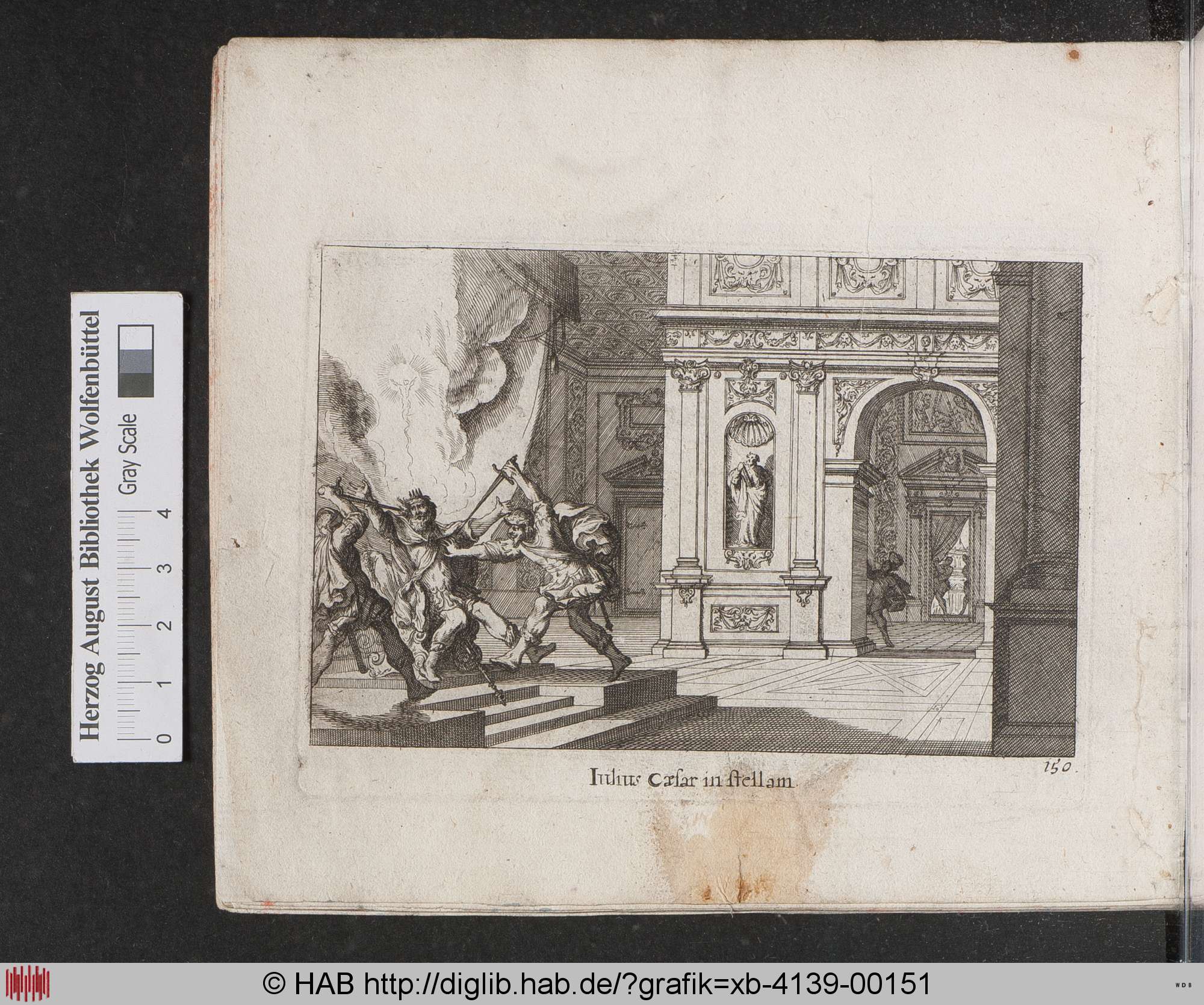
Murder of Julius Caesar in the Senate
 Book
Primary source
Commentarii de Bello Civili
Julius Caesar · 49-48 BCE
 Painting
Secondary source
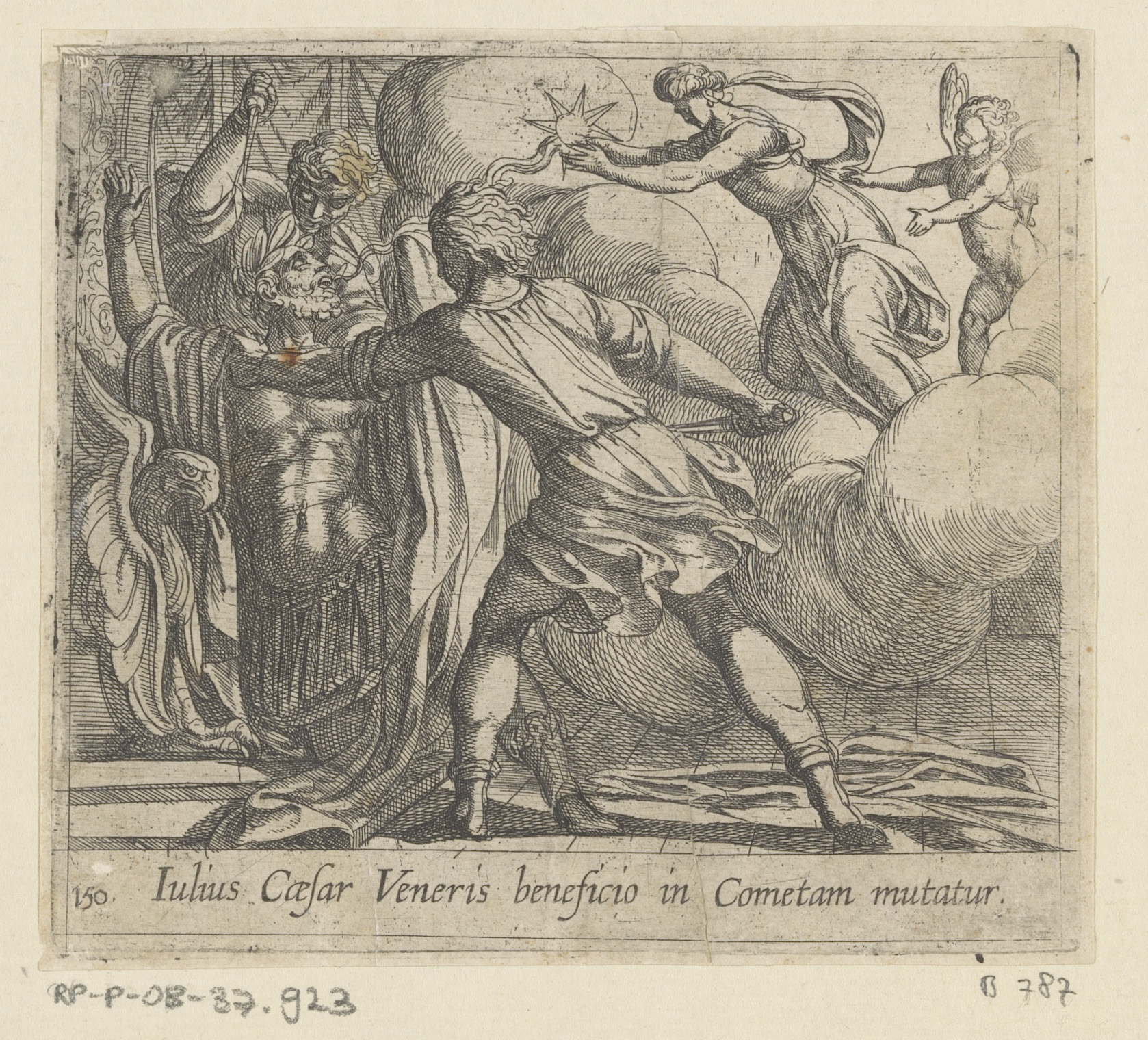
The Murder of Julius Caesar
1606
Ready when you are
Start chatting with Julius Caesar now.
20 messages free · No credit card · Available in 50+ languages.