


Primary sourceArtifactc. 1479-1458 BCE
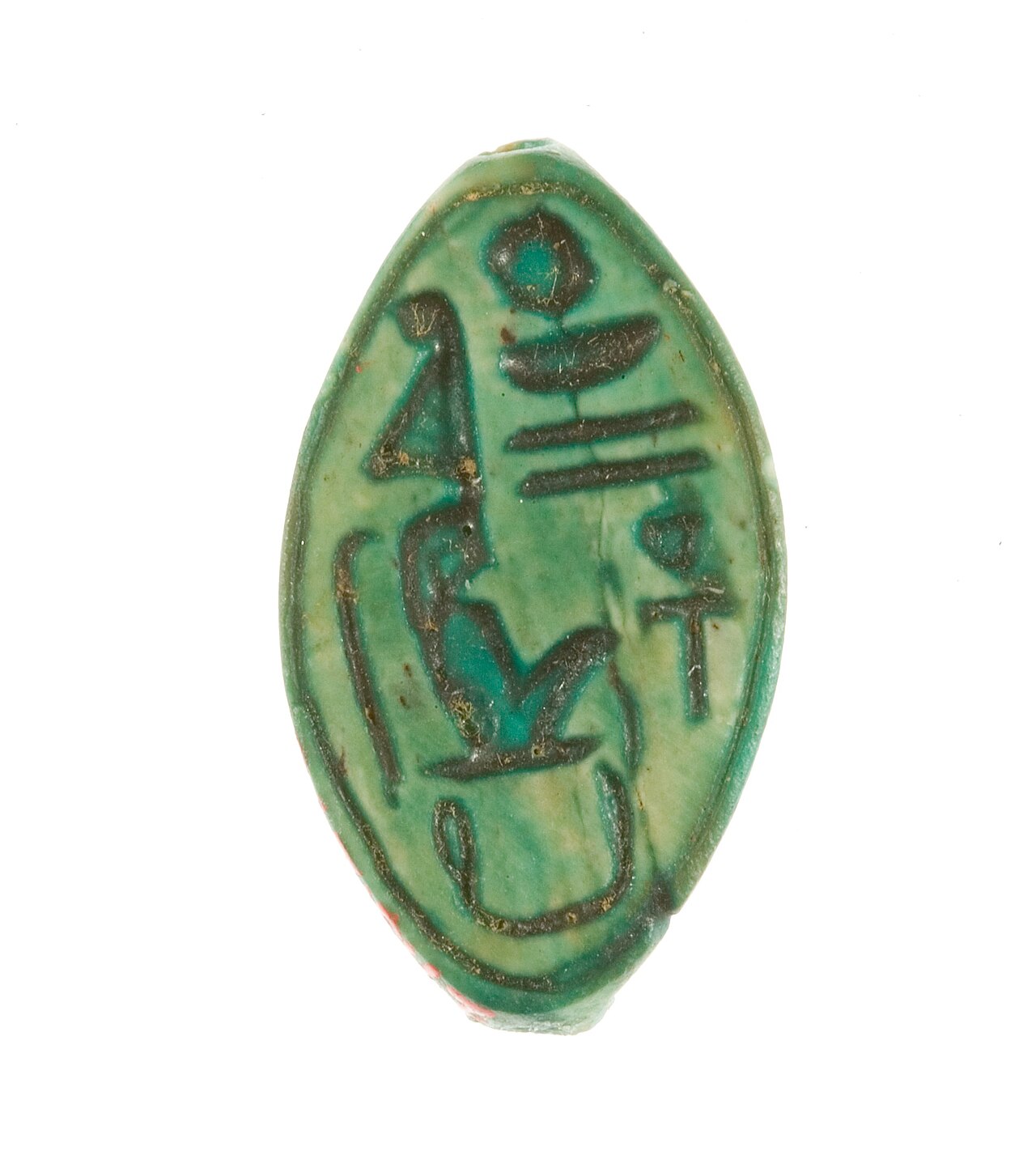
Cowroid Seal Inscribed Lord of the Two Lands Maatkare
c. 1479-1458 BCE
A seal amulet from Hatshepsut's reign inscribed with her throne name Maatkare and the royal title Lord of the Two Lands.
This seal carries Hatshepsut's throne name Maatkare and the royal title Lord of the Two Lands.
About this source
What it is
This small cowroid-shaped seal, made of green glazed faience, is engraved in dark pigment with hieroglyphs including Hatshepsut's throne name Maatkare and the title Lord of the Two Lands. It dates to the early 18th Dynasty, during her reign.
Why it matters
Maatkare was the throne name Hatshepsut took when she became pharaoh, and 'Lord of the Two Lands' was a traditional royal title referring to rule over Upper and Lower Egypt. This small personal object shows how her full royal titulary, normally seen on temple walls, also appeared on everyday items.
Look closer
- Why might a ruler use a special throne name different from their birth name?
- What does the title 'Lord of the Two Lands' tell you about how Egyptian rulers saw their role?
- Why do you think this title and name were carved onto such a small, portable object?
This artifact is part of the curated material that grounds the AI version of Hatshepsut on Humy.ai — when students ask about related events, the AI can quote it and cite it.
More Hatshepsut sources
Meet the AI Hatshepsut →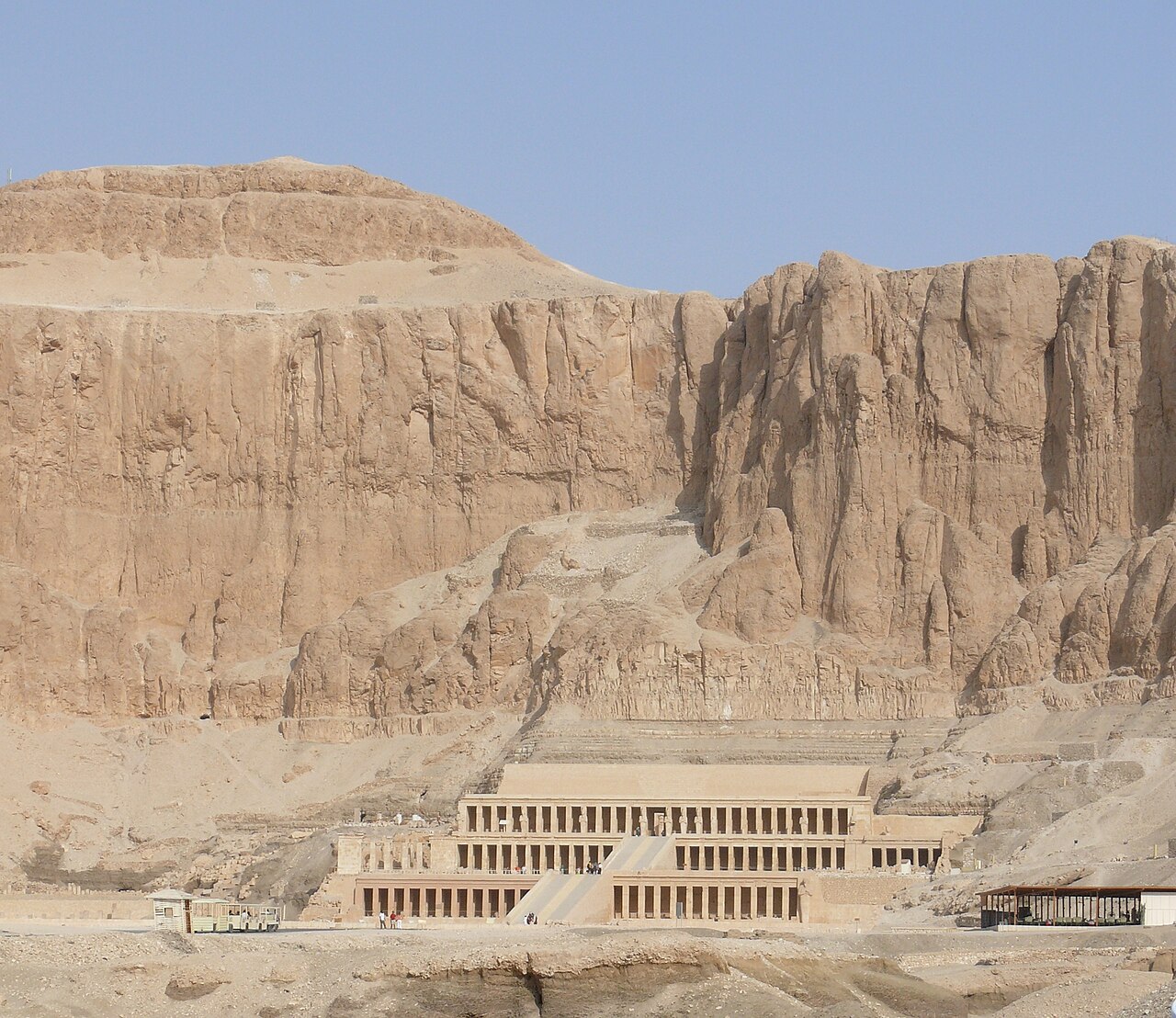 Artifact
Primary source
Mortuary Temple of Hatshepsut
Senenmut and/or Hapuseneb (attributed) · c. 1479–1458 BCE
 Photograph
Secondary source
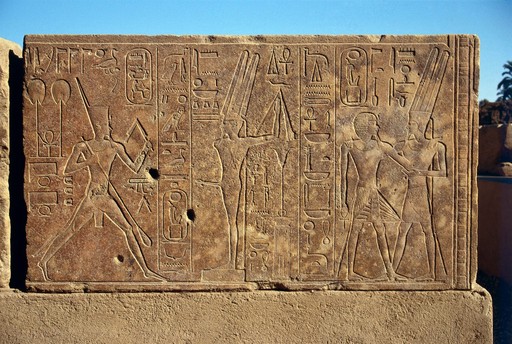
Hatshepsut Dancing Before Min, Karnak Relief
Carole Reeves · 1989
 Sculpture
Primary source
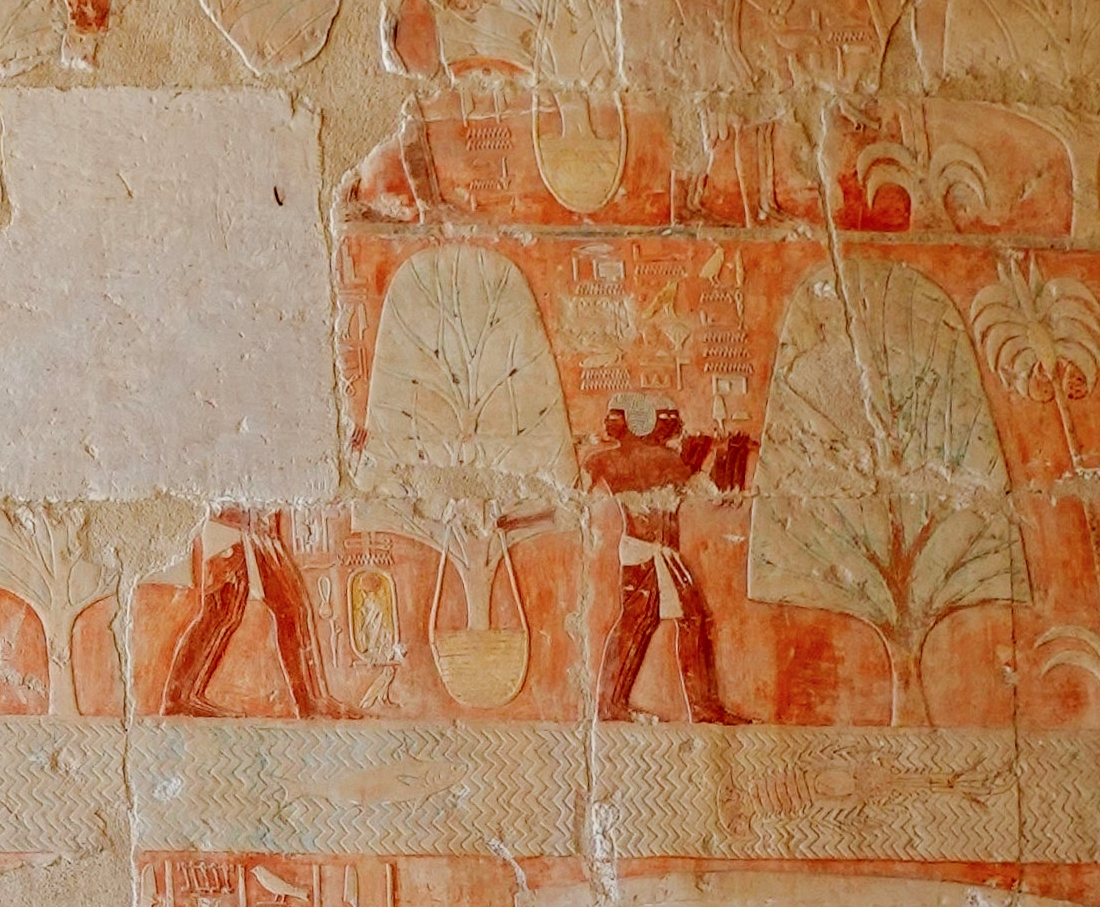
Punt Expedition Reliefs
Royal workshops of Hatshepsut · c. 1470 BCE
 Sculpture
Primary source
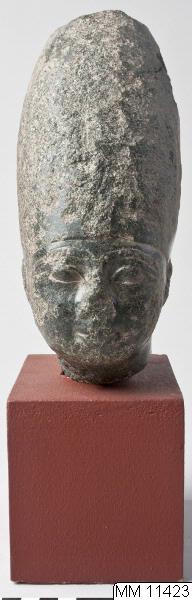
Sculpture Head Probably of Hatshepsut
 Sculpture
Primary source
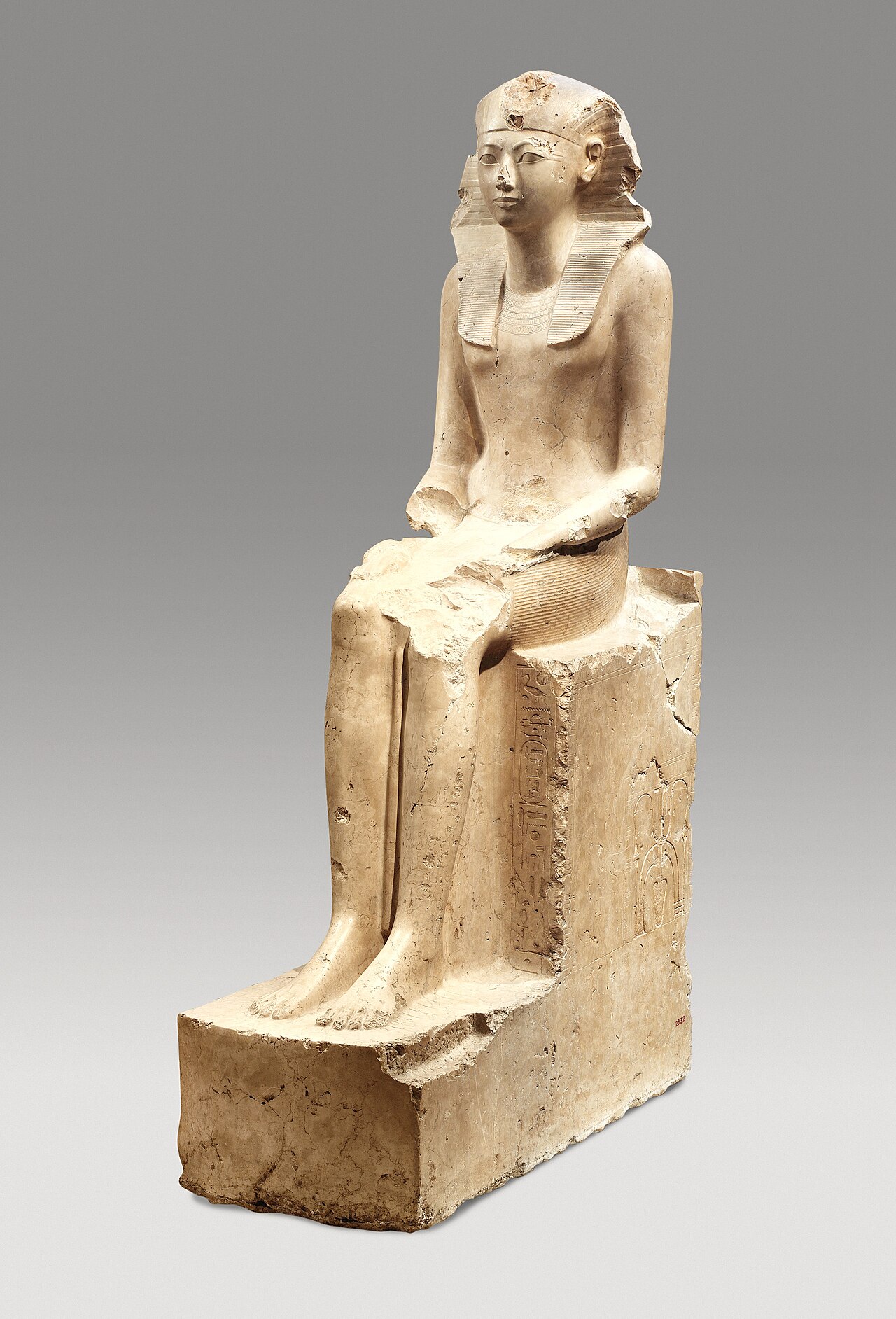
Seated Statue of Hatshepsut
c. 1466 BCE
Ready when you are
Start chatting with Hatshepsut now.
20 messages free · No credit card · Available in 50+ languages.